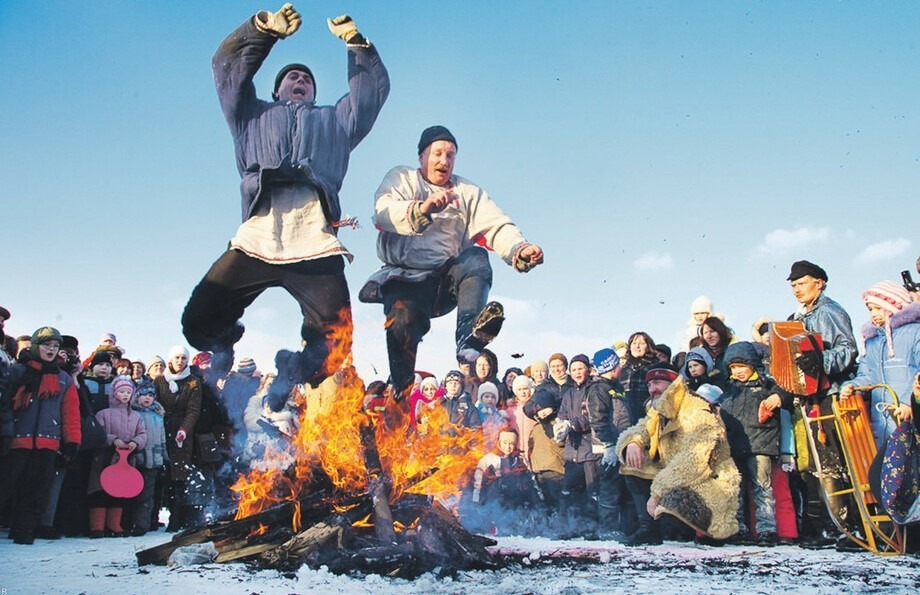
Pancakes by the Moon’s schedule: why Maslenitsa falls on different dates each year.
It seems like Maslenitsa jumps around the calendar without any logic. One year it’s in mid-February, another year it’s almost in March. In reality, everything is strictly calculated, it’s just that the holiday’s reference point is not calendar-based, but ecclesiastical. Maslenitsa is directly dependent on the date of Easter, and Easter is one of the most movable holidays of the year. Let’s figure out how this system works and why eating pancakes depends on the Moon.
Why Maslenitsa Falls on Different Dates and What It Depends On
The key to understanding is Easter. In the Orthodox tradition, it’s calculated according to the Alexandrian Paschalion: the holiday is celebrated on the first Sunday after the first full moon following the spring equinox. Therefore, Easter can fall during the period from April 4 to May 8 (new style calendar).
From the date of Easter, they count back 48 days — this is Great Lent. And Maslenitsa is the week before the start of Great Lent. That is, it always ends the day before the fast and begins exactly 56 days before Easter.
This is precisely why the holiday doesn’t have a fixed date. Its position shifts every year following Easter.
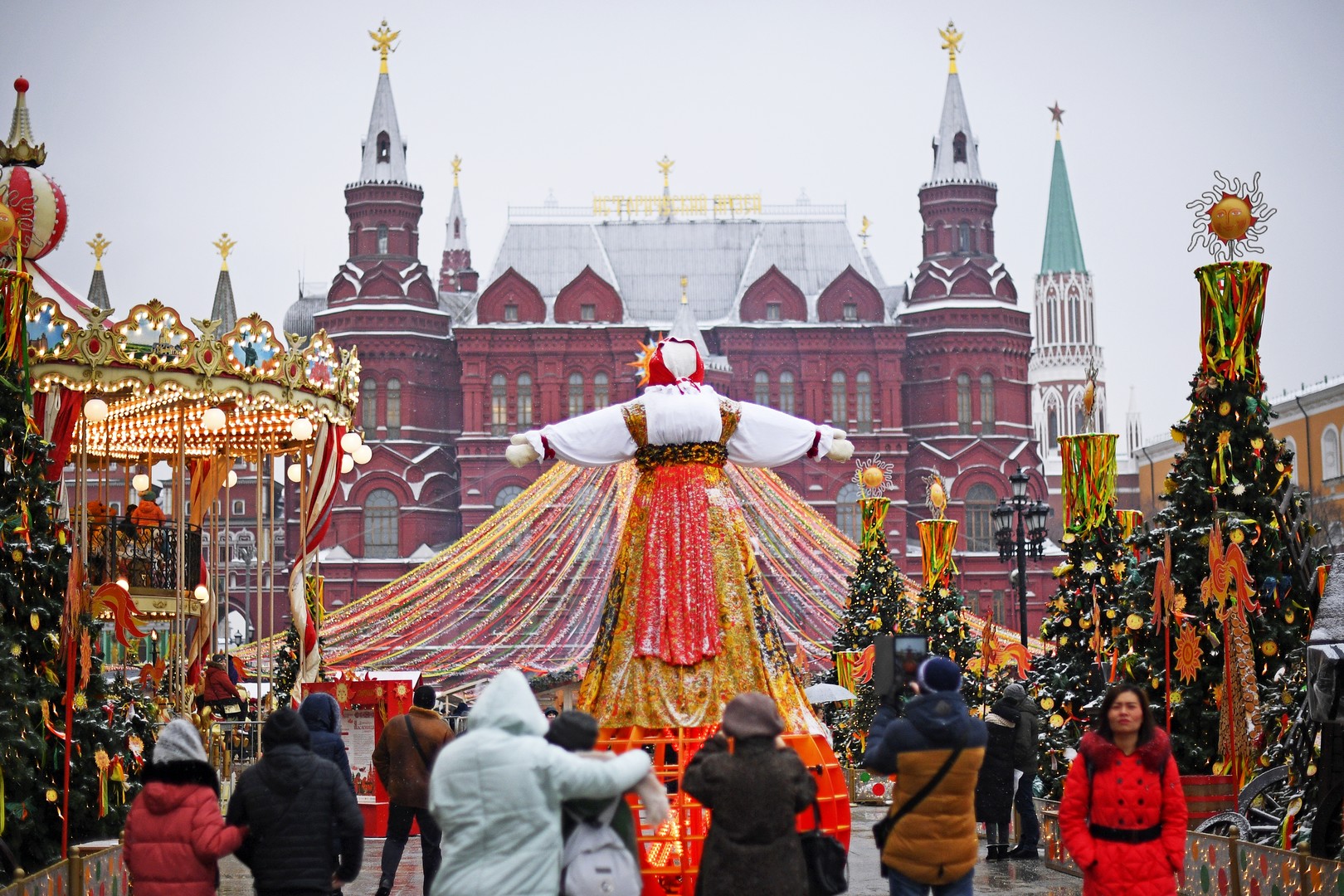
Maslenitsa is a holiday of farewell to winter and welcoming spring, which combines ancient pagan traditions and Christian values.
What to Do During Maslenitsa Week Day by Day
Historically, Maslenitsa is a transitional period. In the church calendar, it’s called Cheese Fare Week. Meat is already forbidden, but dairy products and eggs are still allowed — hence the tradition of making pancakes.
It’s important to understand the structure of the week. Each day of Maslenitsa has its own meaning, although traditions may differ slightly by region:
- Monday — “Meeting”: the celebration began, the Maslenitsa effigy was made.
- Tuesday — “Flirting Games”: matchmaking viewings, sleigh rides, youth festivities.
- Wednesday — “Sweet Tooth”: the son-in-law went to his mother-in-law’s for pancakes.
- Thursday — “Revelry”: the noisiest day, fist fights, sledding down hills.
- Friday — “Mother-in-law’s Evening Gatherings”: now the mother-in-law came to the son-in-law’s.
- Saturday — “Sister-in-law’s Gatherings”: the young daughter-in-law received her husband’s relatives.
- Sunday — Forgiveness Sunday: people asked each other for forgiveness before the fast.
This isn’t just folk folklore. The week gradually leads a person toward the fast — first through hospitality, feasts, and festivities, then through reconciliation and asking for forgiveness. Maslenitsa is not only about food, but about preparing for an internal “switch”.
In ancient times, during this week people already avoided noisy work and tried to complete household chores — it was believed that one should enter the fast without debts and conflicts.
Interesting fact: the tradition of linking Easter to the lunar cycle has its roots in the Jewish calendar, on which the date of the Christian holiday was historically dependent.
If we look more broadly, Maslenitsa is a cultural compromise between the pagan tradition of seeing off winter and the Christian calendar of preparation for Great Lent.