Apple is testing a 200-megapixel camera sensor for a future iPhone. It involves a large 1/1.12-inch sensor — the same one that Oppo reportedly uses in its new flagship Find X9 Ultra. But don’t jump to conclusions: this is an early component evaluation stage, not a finished feature. It’s strange that Cupertino is in no rush, considering that a photo comparison between the iPhone 17 Pro Max and the Galaxy S26 Ultra showed the former clearly losing.
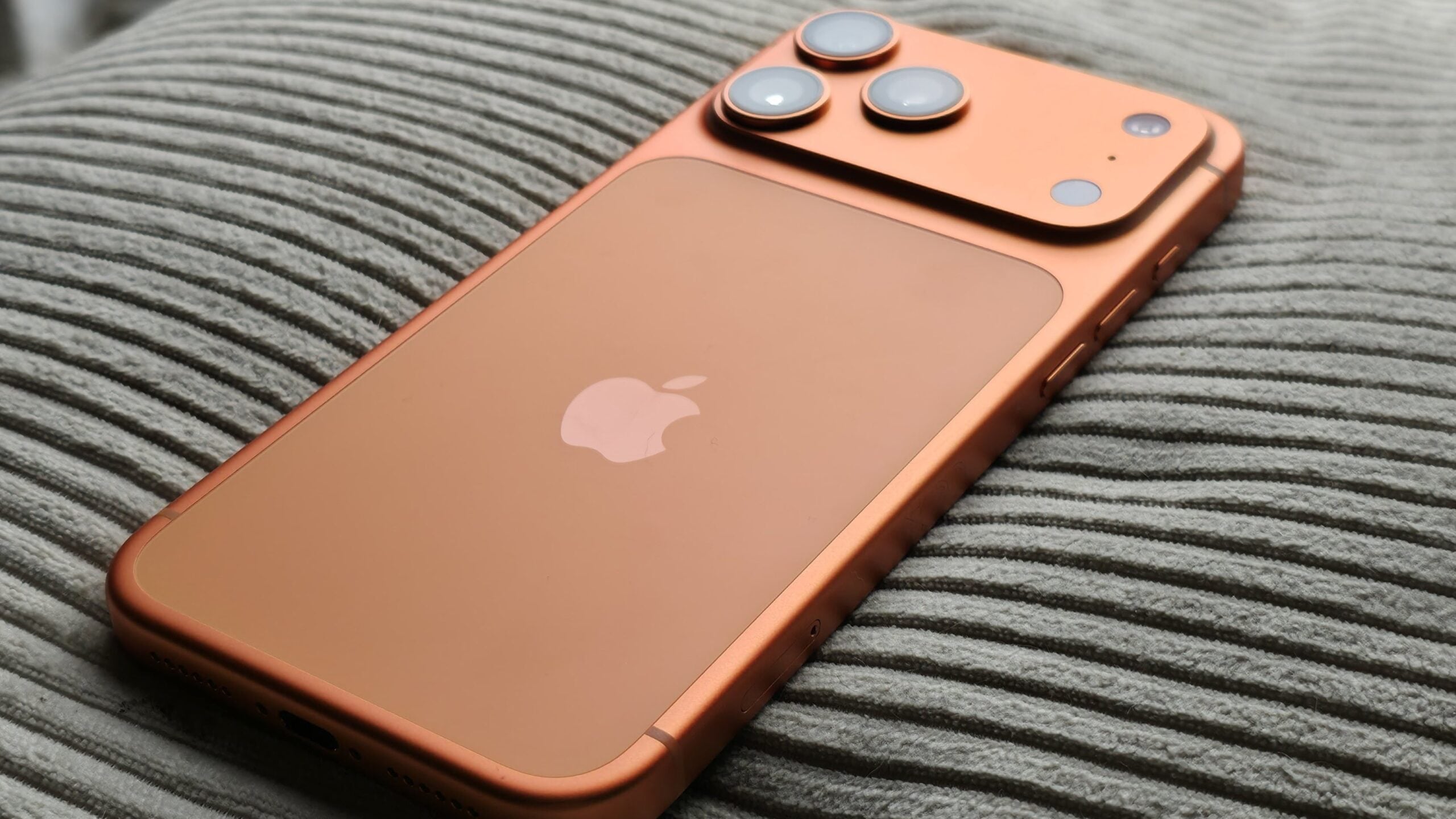
Why the iPhone camera is still 48 megapixels while Samsung has had 200 for a long time
How Many Megapixels Will the iPhone 21 Camera Have
According to Morgan Stanley analysts, the first iPhone with a 200-megapixel camera could appear in 2028 — that would be the iPhone 21 lineup. Insider Digital Chat Station noted back in early 2026 that 200-megapixel sensors were being discussed in the supply chain, but they hadn’t yet made it into iPhone engineering prototypes. At this point, it’s only a matter of evaluating materials and components — the very earliest stage, still far from actual testing in a working device.
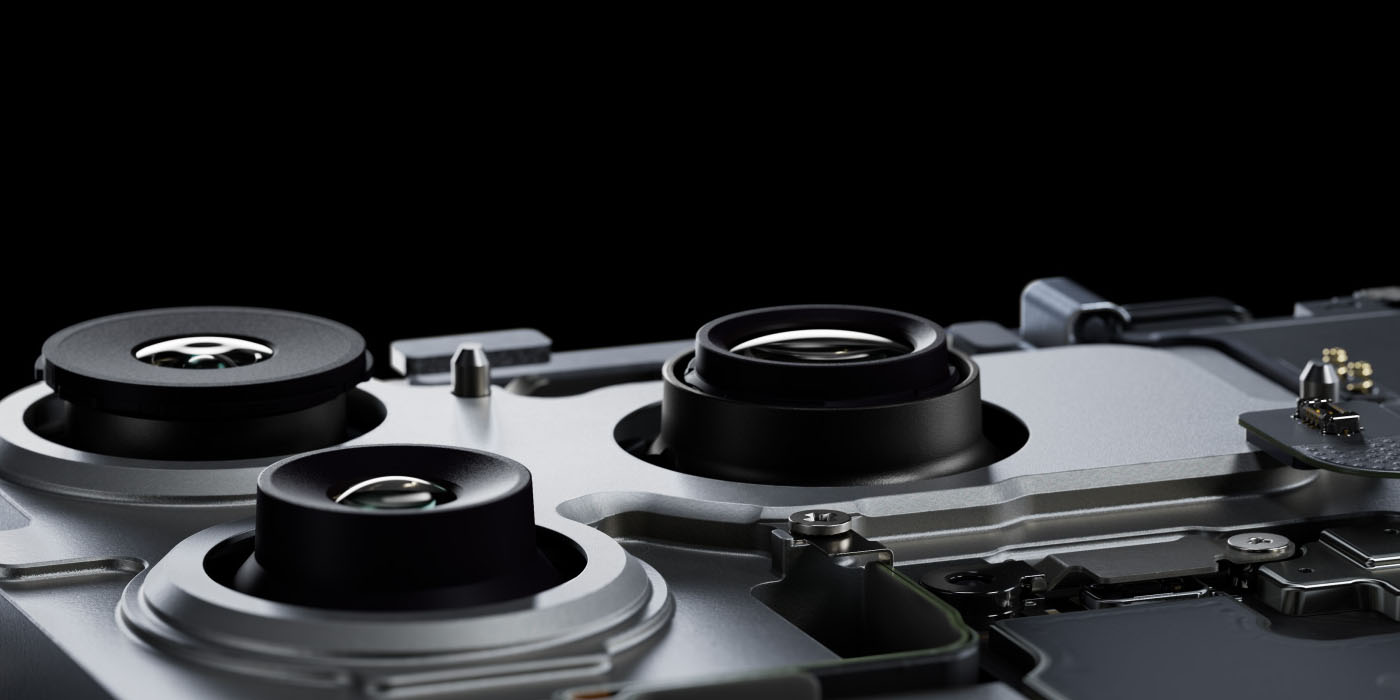
200 MP in iPhone won’t arrive anytime soon. Image: 9to5mac.com
According to the source, the 200-megapixel sensor is being tested only for the main camera, not for all modules at once. The sensor supplier is rumored to be Samsung — a company that has been putting such sensors in its own flagships for several years.
It’s important to understand: internal testing of a component does not guarantee it will make it into a production device. Apple regularly evaluates dozens of technologies, most of which never reach consumers.
Why Apple Doesn’t Put 200 Megapixels in the iPhone Right Now
Apple has historically bet not on megapixel count but on computational photography — that is, on processing images with the processor’s “brains.” The company only moved from 12 to 48 megapixels in 2022 (iPhone 14 Pro), when Android manufacturers were already actively using 108 and 200 megapixels.
On the current iPhone 17 Pro, all three rear cameras feature 48-megapixel sensors — main, ultrawide, and telephoto. According to early leaks, the upcoming iPhone 18 Pro models (fall 2026) and subsequent generations will retain the same 48 megapixels. Instead of increasing resolution, Apple is planning other improvements: a mechanically variable aperture on the main camera and a faster telephoto lens.
A variable aperture is the ability to physically adjust how much light reaches the sensor. In dark conditions, the aperture opens wider, and in bright light it narrows to avoid overexposure. Currently, all iPhones shoot with a fixed f/1.78 aperture, without any flexibility.
Apple’s logic is clear: improving the optics and lens aperture means getting better photos in any lighting conditions without inflating file sizes or creating storage problems.
What Will Change in the iPhone 18 Pro Camera Compared to the Current 48 MP
While the 200-megapixel camera remains a distant prospect, the nearest iPhone camera improvements are quite specific. According to rumors, the iPhone 18 Pro and Pro Max will receive in fall 2026:
- A 48-megapixel main camera with a mechanically variable aperture — for better depth-of-field control and performance in different lighting
- An updated 48-megapixel telephoto with a wider aperture — this will improve zoom shooting in the dark
- A possible switch to a Samsung sensor for the ultrawide camera instead of the usual Sony
These improvements are not about megapixels but about light quality and shooting flexibility. For those who often shoot in the evening, indoors, or use zoom, the difference could be noticeable.
iPhone 17 Pro Max vs Samsung S26 Ultra — Who Shoots Better
Samsung has been using a 200-megapixel main sensor since the Galaxy S23 Ultra (2023). The Galaxy S26 Ultra features the same Samsung ISOCELL HP2 sensor measuring 1/1.3 inches. But by default, the phone doesn’t save photos at 200 megapixels — it combines pixels (pixel binning technology) and outputs 12-megapixel shots with improved detail and less noise.
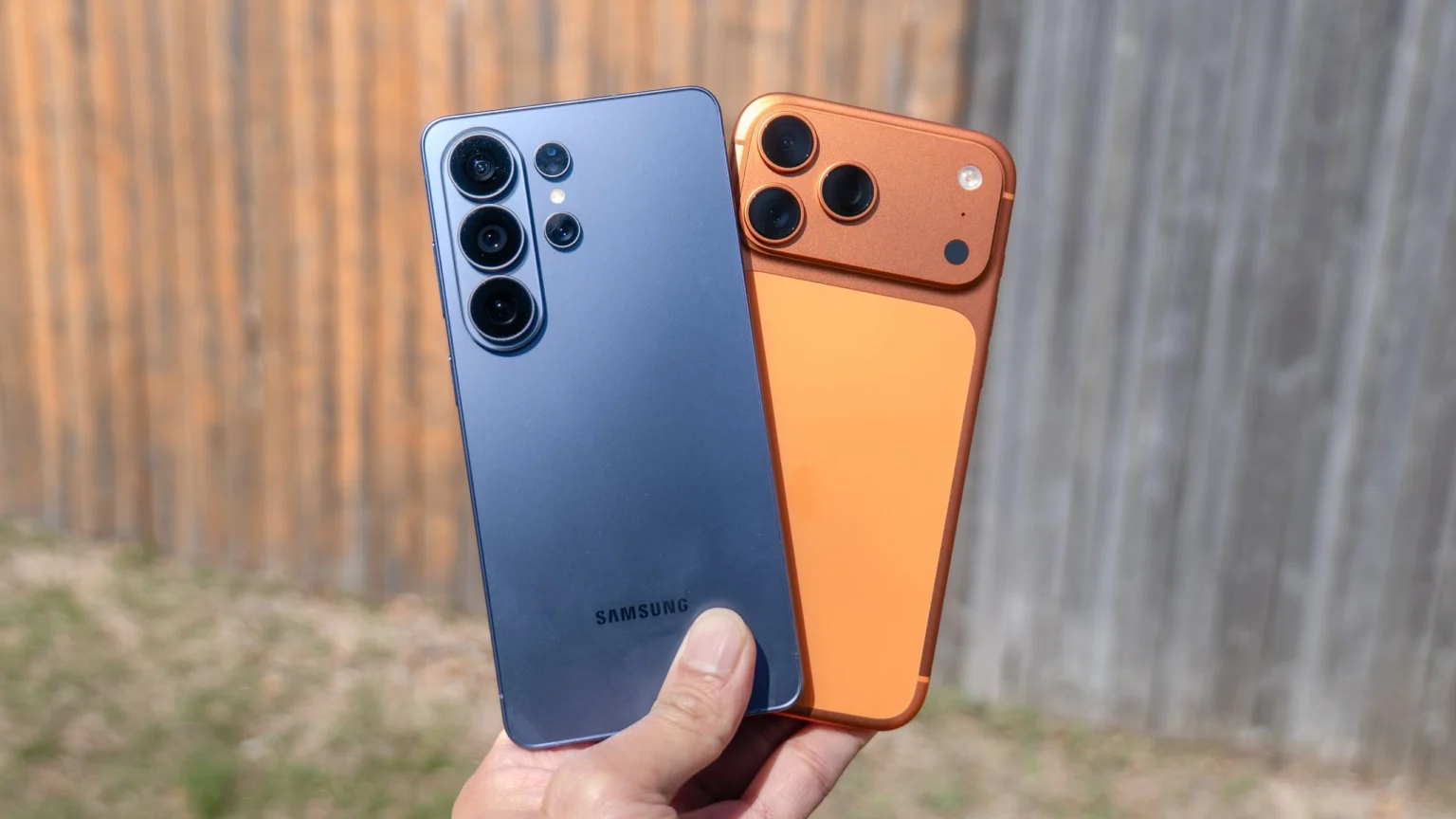
There are moments when Galaxy is better, and moments when iPhone wins. Image: tomsguide.com
In practice, the comparison doesn’t favor simple arithmetic. According to Tom’s Guide’s photo test, the Galaxy S26 Ultra beat the iPhone 17 Pro Max in 7 out of 10 categories — especially in daylight and zoom. But the iPhone proved better in night shooting and selfies. The new 18-megapixel front camera on iPhone 17 Pro with a square sensor and Center Stage feature currently has no equivalent among competitors.
Megapixels are far from the only factor in photo quality. Sensor size, lens aperture, processing algorithms, and stabilization play an equally important role. 200 megapixels on a small smartphone sensor is not the same as 200 megapixels on a full-frame DSLR.
Should You Wait for iPhone 21 or Buy an iPhone Now
Based on rumors, a 200-megapixel camera will appear in iPhone no earlier than 2028. That’s two full upgrade cycles — iPhone 18 (2026) and the tentative iPhone 19 or anniversary model (2027) will ship with 48-megapixel cameras.
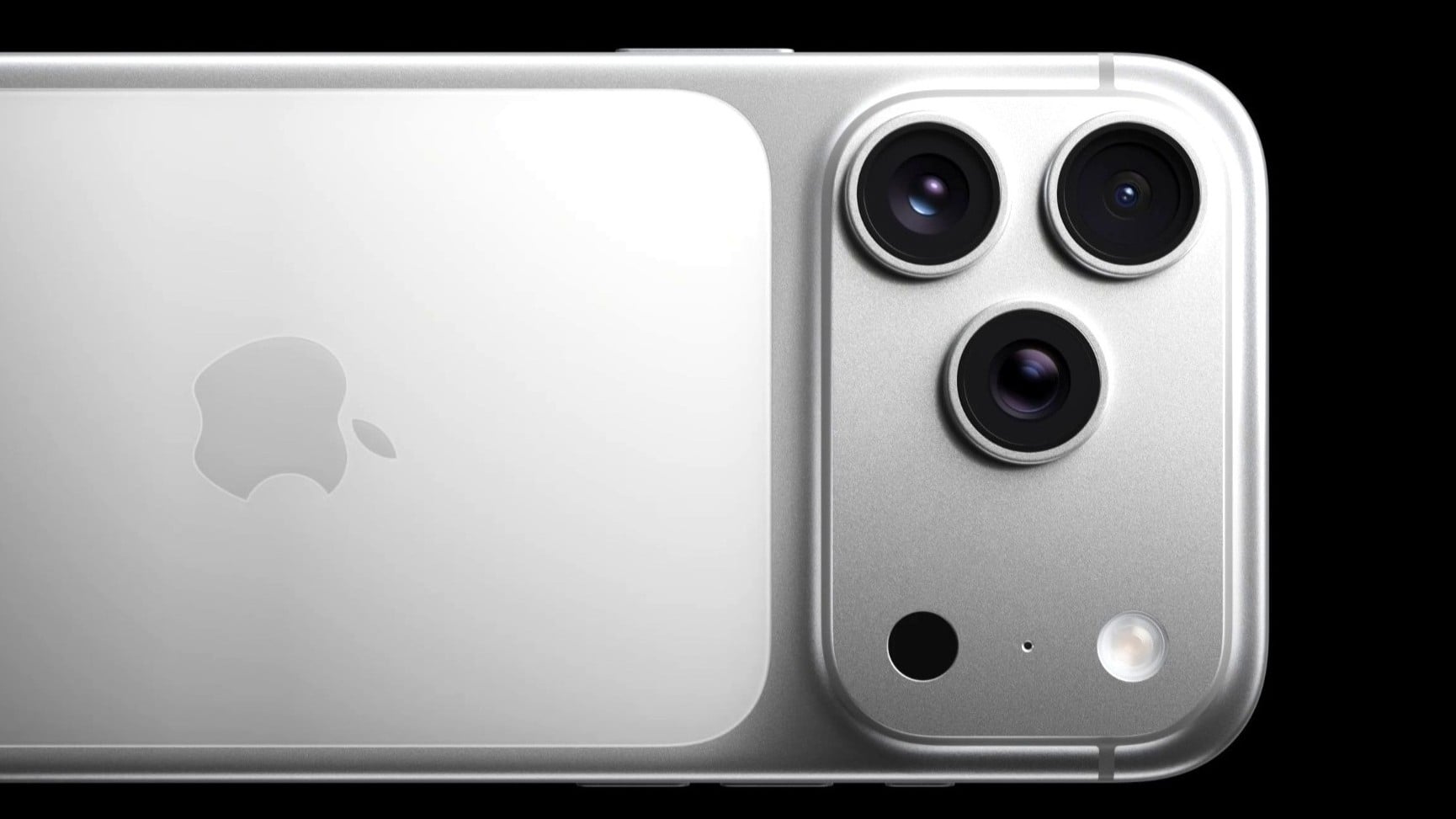
For now, we’re waiting for variable aperture and other changes. Without 200 MP. Image: notebookcheck-ru.com
Waiting two to three years just for a single spec number is a questionable decision. During that time, Apple plans to add a variable aperture, improve the telephoto lens, and continue developing computational photo processing. These improvements affect real photo quality no less than a resolution increase.
Moreover, 200 megapixels in the iPhone will most likely work the same way as on Samsung: the phone will combine pixels and output lower-resolution shots with better detail and less noise. Full-size 200-megapixel photos will take up enormous amounts of storage and in most situations won’t provide a visible advantage on a smartphone screen.
If you’re choosing between the current iPhone and waiting for “that one” camera update — buy now. The real leap in iPhone photo quality comes not from megapixels but from improvements in optics and processing — and those improvements will be in every new generation. And 200 megapixels is more of a marketing milestone than a revolution in your photo library.