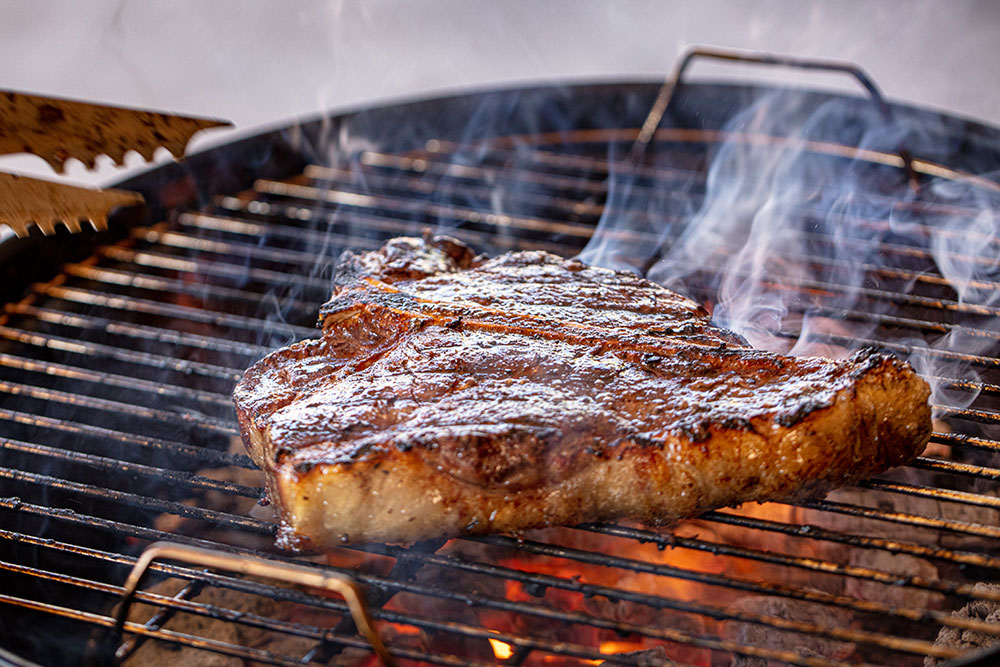
Have you noticed this in the kitchen: why does fried food smell stronger than boiled food? Image source: bearlakebeef.com
Have you noticed that fried potatoes or meat fill the entire kitchen with aroma, while boiled chicken smells far more modestly? This isn’t a matter of “tastier or not” — it’s pure chemistry. The difference lies in temperature, the reaction between proteins and sugars, and how exactly aromatic molecules evaporate. Moreover, our nose works here like a fine analytical instrument.
Why Frying Produces a Strong Smell
When food is fried, its surface heats up to 140–180 °C and above. At this point, the Maillard reaction kicks in — a complex interaction between amino acids and sugars. It is this reaction that creates hundreds of new aromatic compounds: from nutty and bread-like to caramel and meaty.
When boiling, the temperature is limited to approximately 100 °C (as long as the water is boiling). Under these conditions, the Maillard reaction makes a minimal contribution. Proteins denature, but deep aromatic transformations do not occur. That’s why the smell of boiled food is softer and “flatter.”
Scientists have identified more than a thousand volatile compounds formed in fried meat. And many of them are activated even at microscopic concentrations — our nose detects them at parts-per-billion levels.
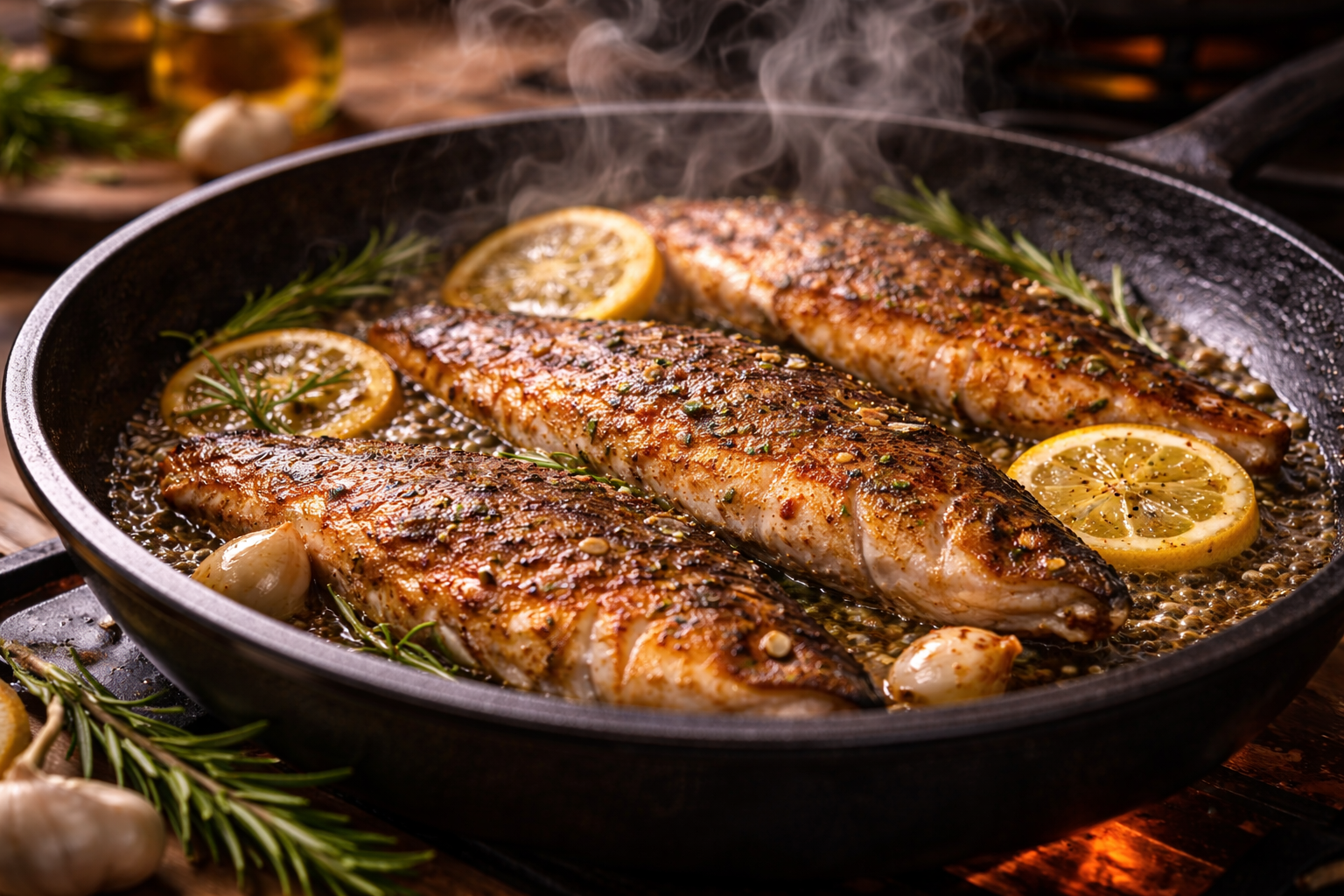
The main reason for the stronger smell during frying is the high temperature and the formation of new aromatic compounds.
Why Frying in Oil Intensifies the Smell
Frying is almost always associated with fat. Aromatic molecules dissolve well in lipids and then actively evaporate along with the heated oil. Hot fat acts as a smell amplifier, scattering volatile compounds into the air.
When boiling, a significant portion of the aromas remains in the broth. Steam carries away fewer of them, and the temperature is lower — meaning evaporation is weaker.
How to Make a Dish More Aromatic and How to Remove Frying Odors in the Kitchen
If you need to enhance the aroma:
- use preliminary searing before braising;
- add a small amount of fat (oil) to the dish;
- let the product brown rather than simply heat through.
If you want to reduce the smell:
- choose boiling or steaming;
- cover the pan with a lid;
- turn on the exhaust hood in advance, not when it’s already too late.
Fried food smells stronger not because it’s “more aggressive,” but because at high temperatures, more volatile aromatic molecules are created. It’s physics and chemistry working right in our kitchen.