
A late dinner seems like a harmless habit, but your blood vessels categorically disagree
Many of us are used to eating dinner late — after work, after a workout, and sometimes right before bed. It might seem like what matters is what you eat, not when. But it turns out that the timing of your last meal may be just as important for heart health as the content of the dinner itself. And this isn’t about grandma’s advice to “not eat after six” — there’s real science behind it.
How Late Dinners Affect the Heart and Blood Vessels
The idea that eating late is bad for health has long remained at the level of folk wisdom. However, in recent years scientists have obtained serious evidence that dinner timing is directly linked to cardiovascular risks. One of the largest studies on this topic was published in the journal Nature Communications — it involved more than 103,000 participants who were followed for an average of about seven years.
The results were impressive. People who regularly ate dinner after 9:00 PM had a noticeably higher risk of developing cerebrovascular diseases — strokes and other disorders of cerebral circulation — than those who finished eating earlier. Moreover, each additional hour of dinner delay increased this risk. Simply put, the later you eat, the greater the long-term burden on the cardiovascular system.
The thing is, our body operates on an internal clock — circadian rhythms. These rhythms regulate not only sleep and wakefulness but also metabolism, hormone production, and even blood pressure. When we eat late, we literally throw off these settings, forcing the body to work in a mode it wasn’t designed for.
Why Exactly 3 Hours Before Bed Is the Optimal Interval
The rule “don’t eat within three hours of bedtime” sounds like something from a weight-loss magazine. But it has a solid scientific basis, and it’s related not so much to weight as to how the body processes food at night.
When you go to bed right after eating, blood glucose levels remain elevated. Normally, insulin should quickly handle this spike, but at night insulin sensitivity decreases — this is part of our biological programming. The result: glucose circulates in the blood longer, damaging blood vessel walls. Over time, this leads to the development of atherosclerosis — the main cause of heart attacks and strokes.
Additionally, late eating disrupts the nighttime drop in blood pressure. Normally during sleep, blood pressure falls by 10–20% — this is the so-called “dipping effect,” which gives the heart and blood vessels necessary rest. But if the stomach is full, this process is disrupted. Studies show that people who eat dinner late have abnormally high nighttime blood pressure, which over time increases the strain on the heart.
Three hours is the minimum the body needs to complete the main phase of digestion and allow all systems to switch to “night mode.” Not a magic number, but a perfectly practical guideline.
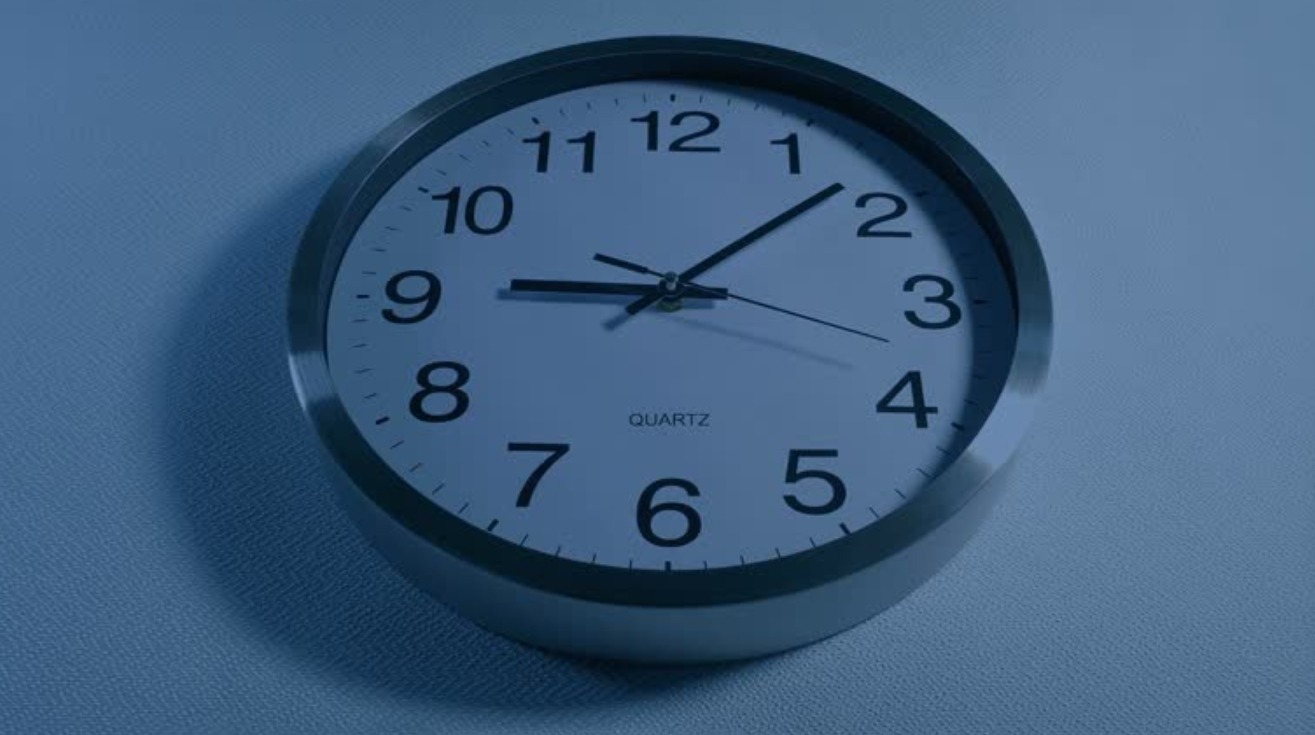
If you go to bed at midnight, you need to finish eating by 9 PM. Image source: istockphoto.com
What Happens to Your Metabolism When You Eat Before Bed
The heart isn’t the only organ that suffers from late dinners. In fact, the habit of eating before bed triggers an entire cascade of metabolic disruptions that hit your health from multiple angles.
Let’s start with fat metabolism. At night, the body switches to recovery mode and uses fats as its main energy source. But if you’ve eaten before bed, the body receives a fresh dose of glucose and switches to it instead, while fats are sent into storage. A study published in The Journal of Clinical Endocrinology & Metabolism showed that a late dinner reduces fat oxidation by 10% compared to an early one. In other words, the body literally stops burning fat at night.
But that’s not all. Late eating raises triglyceride levels — fats in the blood that are directly linked to the development of atherosclerosis. High triglycerides combined with elevated glucose and disrupted nighttime blood pressure are practically the perfect recipe for heart and vascular problems.
There’s another important factor — the hormone melatonin. It begins to be produced in the evening, preparing the body for sleep. But melatonin also suppresses insulin production by the pancreas. This means that if you eat at a time when melatonin is already high, the body is physically unable to efficiently process the incoming food. It becomes a vicious cycle: you eat when the body isn’t ready for it, and you pay the price with metabolic chaos.

Late eating can lead to stomach problems. Image source: Live Science
How to Properly Organize Your Evening Meal
Okay, late dinner is bad. But what do you do if your schedule doesn’t allow eating at six in the evening? Good news: you don’t need to starve. You just need to approach the matter wisely.
First, try to eat dinner at least 3 hours before bedtime. If you go to bed at midnight, dinner at 9:00 PM is a perfectly acceptable option. What matters isn’t the time on the clock, but the interval before sleep.
Second, if you do have to eat late, choose light foods. Protein and vegetables are easier to digest than fatty or carbohydrate-heavy foods. Avoid sweets and baked goods at your last meal — it’s simple carbohydrates that cause the sharpest glucose spikes.
Third, don’t lie down right after eating. Even a 20-minute walk after dinner significantly reduces postprandial (i.e., after-meal) blood sugar levels. Studies show that light walking after a meal reduces peak glucose levels by up to 30%.
And finally, pay attention to regularity. Circadian rhythms love predictability. If you eat dinner at roughly the same time every day, your body adapts and processes food more efficiently than with a chaotic eating schedule.
The ideal late dinner isn’t pizza or sandwiches, but something light and protein-rich. Your heart will thank you.
Habits form unnoticed, and late dinner is one of those that seem harmless right up until the consequences start to appear. Three hours between plate and pillow isn’t a diet or a restriction — it’s a simple investment in heart health for years to come. Sometimes the most important changes start not with medication, but with a kitchen alarm clock.