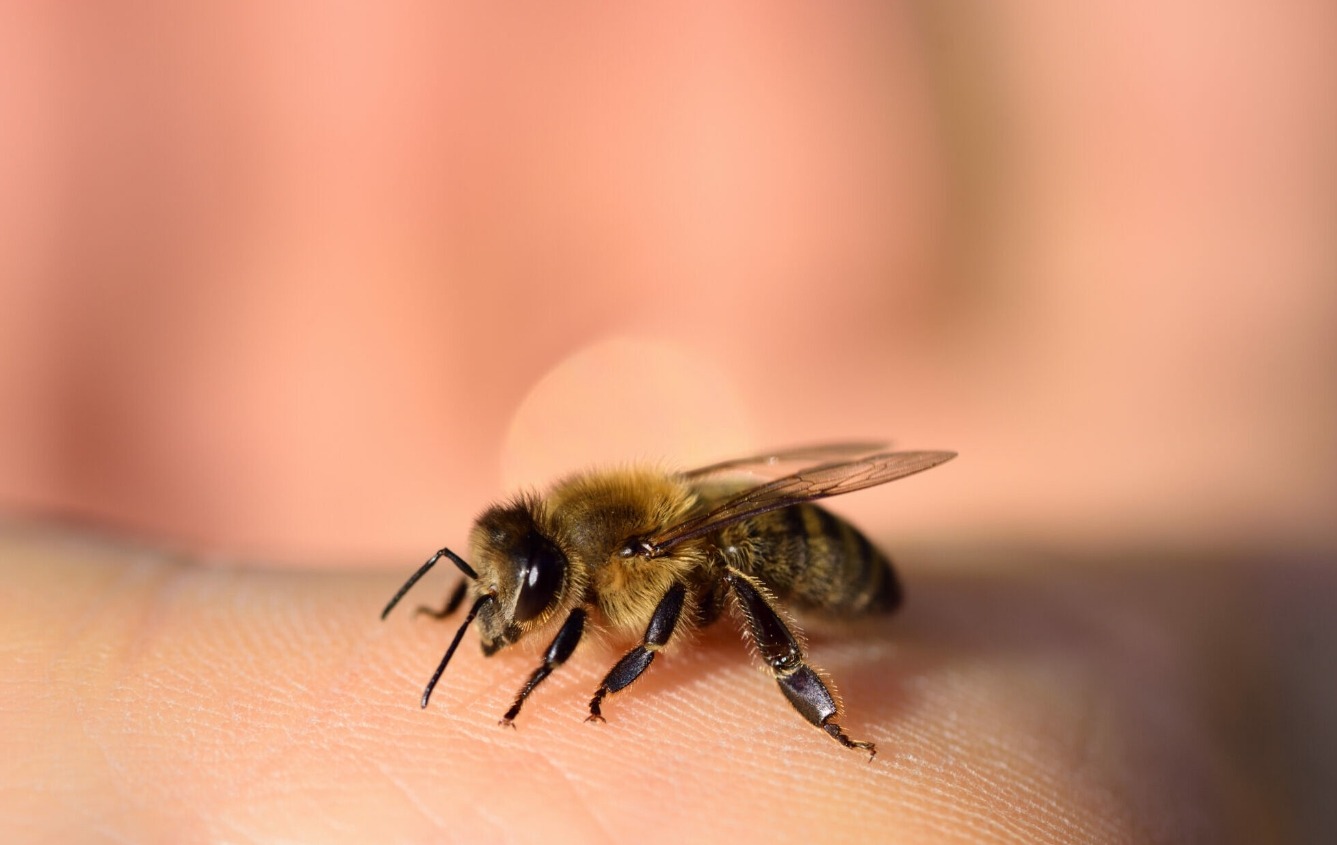
The bee’s stinger is barbed, which is why it gets stuck in the victim’s skin after a sting. Image source: Live Science
A bee stings only as a last resort, defending its home, but this sting becomes a death sentence for it. A wasp, on the other hand, can attack again and again, like an invulnerable fighter. Why has nature arranged things so unfairly, and what happens to these insects at the moment of a sting? The answer lies not in cunning, but in anatomy.
Which Bees and Wasps Sting
First, it’s important to understand one key fact: only female bees and wasps have stingers. Originally, this is not a weapon but an organ for laying eggs — an ovipositor.
Male bees and wasps (drones) are completely harmless. They may frighten you with their size and menacing appearance, but they simply don’t have the “tool” for stinging.
In most insects, the ovipositor serves for reproduction. But in bees, wasps, ants, and hornets (scientists call this group Aculeata), it evolved into a formidable weapon connected to a venom gland.
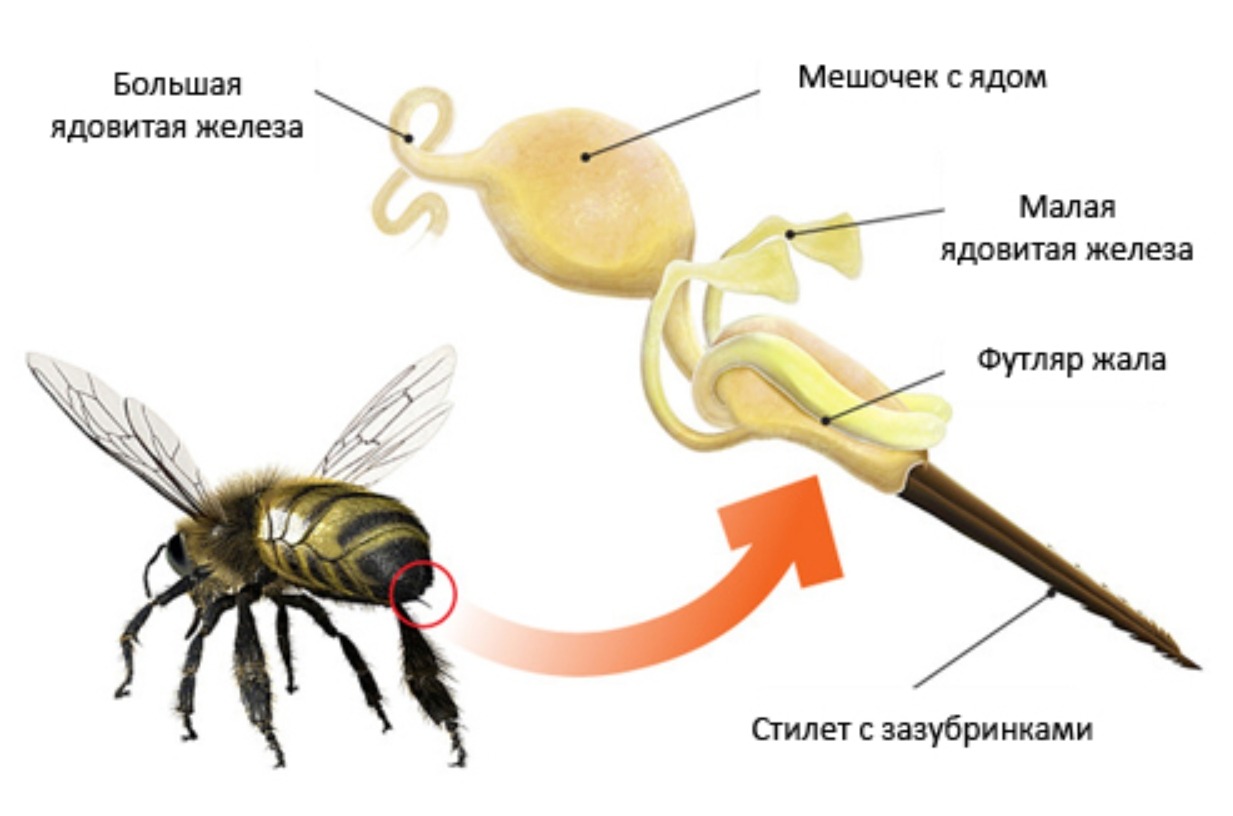
Structure of a bee stinger. Image source: medside.ru
How Bee and Wasp Stings Differ
After stinging, a bee dies, but a wasp doesn’t. This is why people hate wasps — the same individual can sting multiple times in a row. But why do bees die while wasps don’t?
A wasp’s stinger is smooth and sharp, like a dagger. It easily plunges into the skin, injects venom, and just as easily pulls back out. A wasp can repeat this maneuver dozens of times, and each sting is just as painful. Its venom supply isn’t directly connected to the stinger itself, so it can attack until it runs out of “ammunition.”
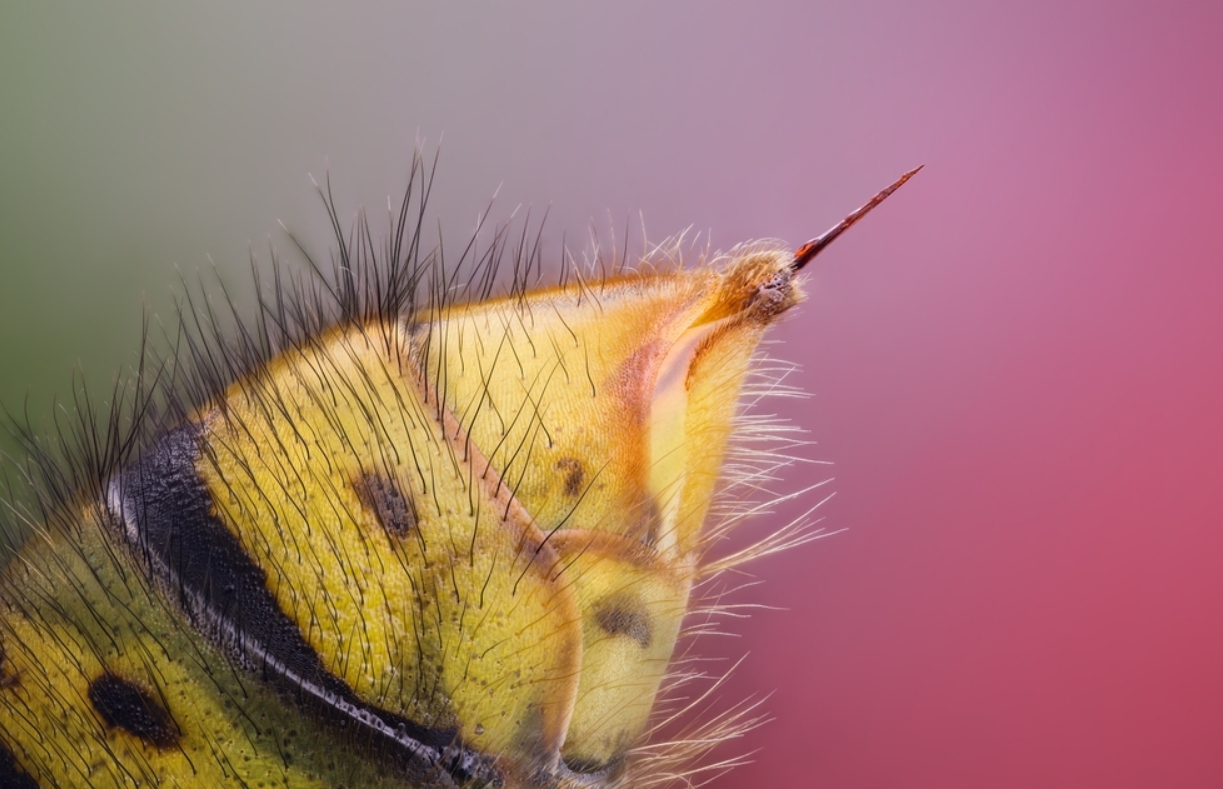
Wasp stinger. Image source: gismeteo.ru
The situation is more tragic for the honeybee. Its stinger is a harpoon. Its entire surface is covered with numerous barbs that point backward. When a bee plunges its stinger into the elastic skin of a mammal (or a human), these barbs grip the tissue tightly.
The bee cannot pull them out. In its attempt to free itself and fly away, it struggles with all its might. As a result, the stinger, the entire venom sac, and part of the muscles and intestines are torn from the insect’s abdomen and remain in the wound.
The bee flies away, but with a massive, gaping wound on its abdomen. It is doomed and dies within minutes or hours. In biology, this is called autotomy — the sacrifice of a body part to save oneself or, in this case, one’s family.
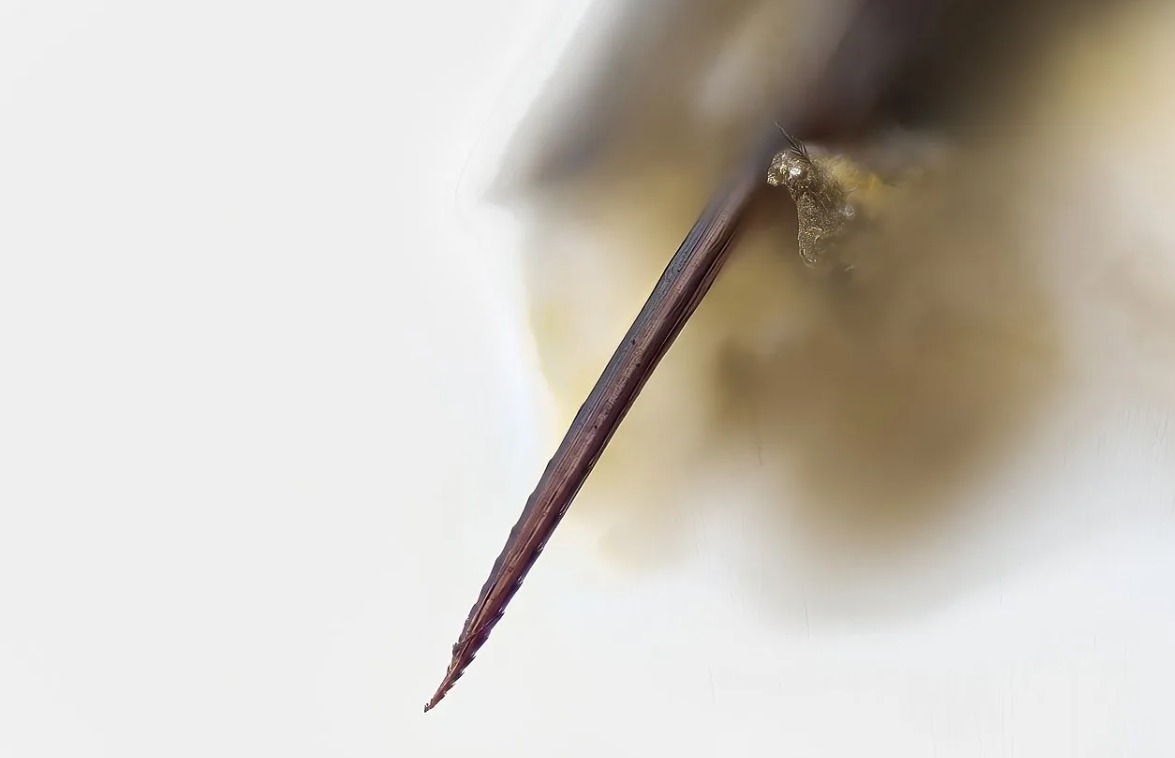
Barbed bee stinger. Image source: wikimedia.org
Why Bees Die After Stinging
A logical question arises: why did nature need to create a suicide stinger? Couldn’t it have come up with something more practical?
The secret is that a bee stings not for itself, but to protect the colony. A worker bee is a sterile female. She has no offspring of her own to protect personally. Her main task is to defend the queen, her sisters, and the future generation of the hive.
The stinger left in the wound continues to work autonomously. The muscles contract, the venom sac squeezes, and the dose of venom continues to flow into the enemy’s body even after the bee has flown away.
Additionally, the remaining stinger releases special alarm pheromones that attract other bees to attack the same spot. This is the pinnacle of collective defense: at the cost of her own life, the bee inflicts maximum damage on the enemy and sends an alarm signal to her fellow bees.
What to Do If You’re Stung by a Bee or Wasp
If the unfortunate event does happen, it’s important to act according to the situation.
If a bee stung you, you’ll see a dark stinger in the wound. It needs to be carefully removed (preferably scraped out with a fingernail or the blunt side of a knife), trying not to squeeze the venom sac. Then wash the wound with soap and apply cold.
If a wasp stung you, it’s useless to look for a stinger — it’s not there. Simply wash the sting site and apply ice to reduce swelling.
The bottom line is simple: a bee dies defending its home, leaving the enemy a “gift” in the form of a working stinger. A wasp survives because its weapon is perfected. But both of them are not enemies — they are an important part of nature that deserves respect and should not be disturbed unnecessarily.