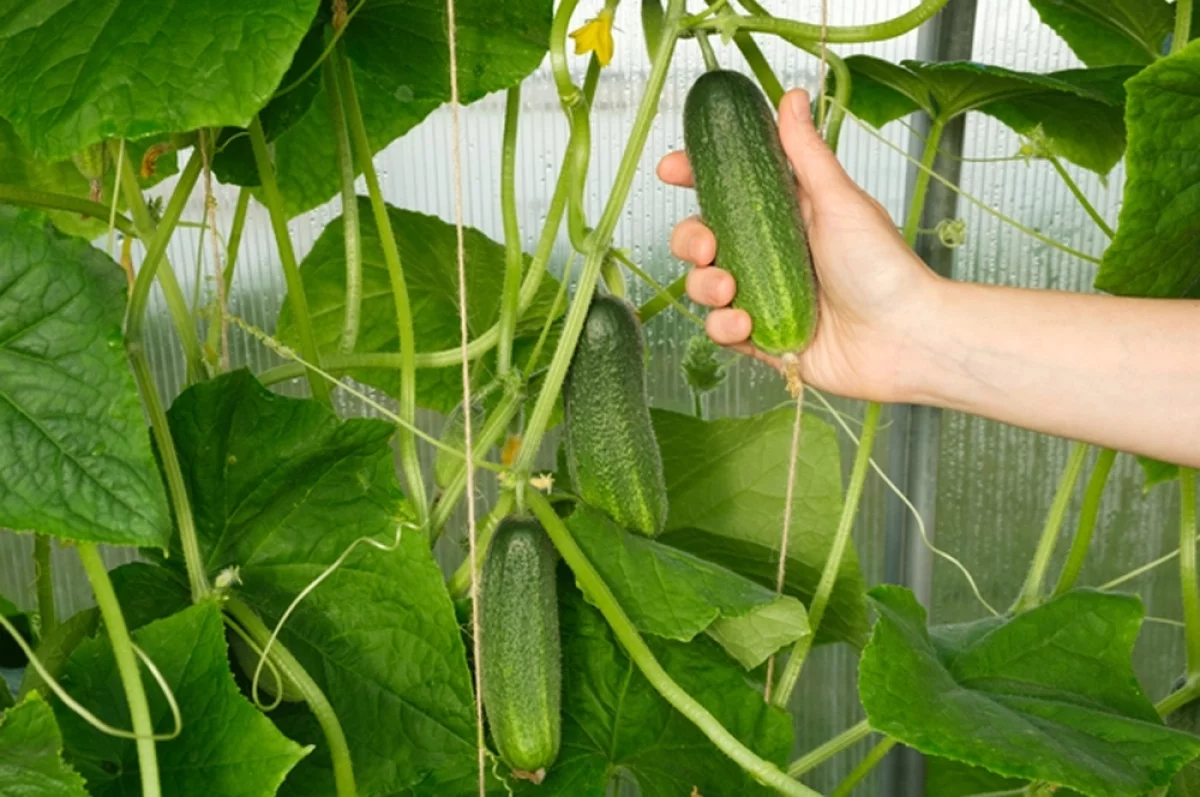
Bitterness in cucumbers is mainly concentrated in the skin and near the stem end
Cucumbers don’t taste bitter because something is wrong with them — they’re simply “stressed out.” The bitter taste is caused by a substance called cucurbitacin, which the plant produces in response to stress: heat, cold, drought, or poor nutrition. The good news is that knowing the causes, you can prevent cucumber bitterness. And if the cucumbers have already been harvested, getting rid of the unpleasant taste is entirely possible.
Why the Stem End of a Cucumber Is Bitter
Cucurbitacin is an organic compound from the triterpenoid class found in all plants of the gourd family: cucumbers, zucchini, pumpkins, melons, and watermelons. Under normal conditions, there is a negligible amount of it in a cucumber, and it doesn’t affect the taste at all. But as soon as the plant experiences stress, cucurbitacin production increases sharply.
Essentially, it’s a defense mechanism. In the wild, the ancestors of the modern cucumber were always bitter — this is how the fruits repelled animals and preserved seeds. Centuries of selective breeding have made cucumbers sweet and juicy, but the “panic button” in their genes remains. When conditions become unfavorable, the plant activates its ancient defense program.
Cucurbitacin is synthesized in the leaves, then spreads throughout the entire plant and accumulates primarily in the skin and near the stem end — which is exactly why the “bottom” of a cucumber usually tastes the most bitter.
Why Cucumbers Become Bitter
There are several reasons, and they often overlap. Here are the main stress factors that cause cucumbers to “activate” bitterness:
- Improper watering. Cucumbers are 90–95% water, and any drought immediately increases the concentration of cucurbitacin. Equally harmful are “swings” — when the bed is flooded one day and forgotten for several days after. Watering with cold water (below +18°C) also causes shock to the roots;
- Temperature fluctuations. Cold nights below +12°C, late-summer cold snaps, sharp swings between daytime heat and nighttime cool — all of this disrupts the plant’s metabolism. Gardeners growing cucumbers in open ground encounter this especially often;
- Excess direct sunlight. By nature, the cucumber is a tropical vine accustomed to growing in partial shade. Direct scorching rays throughout the entire day provoke a defensive reaction;
- Nutrient deficiency. A lack of potassium and nitrogen directly leads to bitterness accumulation. At the same time, excess organic matter, especially fresh manure, is also harmful — balance matters more than quantity;
- Genetics. The tendency toward bitterness is inherited. If you collect seeds from a bitter cucumber, the next generation will most likely be bitter as well.
In a greenhouse, cucumbers are usually protected from temperature fluctuations but can suffer from overheating, insufficient ventilation, or uneven watering. So greenhouse conditions are not a guarantee, just one line of defense.

Regular watering with warm water is the main protection against bitter cucumbers
How to Grow Cucumbers Without Bitterness
If you understand the logic of stress, the recipe becomes fairly simple: you need to provide the plant with stable and comfortable conditions. Here are the specific steps:
- Water regularly with warm water. Ideally 2–3 times a week during hot weather, in the morning or evening. The water should be settled and warmed to at least +20–25°C. Watering from a hose with ice-cold water in the middle of a heatwave is one of the most common paths to bitterness;
- Mulch your beds. Straw, mowed grass, or agricultural fabric help retain moisture in the soil and smooth out temperature fluctuations around the roots;
- Cover during cold snaps. If nighttime temperatures are expected to drop below +12–14°C, throw agricultural fabric over the bed. For regions with unstable climates, a greenhouse is a sensible solution;
- Provide light shading. Shade netting, a row of corn or sunflowers next to the bed — all of these reduce stress from scorching sun;
- Fertilize in a balanced way. Potassium-nitrogen fertilizers in moderate doses and avoiding fresh manure are the keys to proper cucumber nutrition;
- Choose resistant varieties. Modern hybrids — for example, “Herman F1,” “Kurazh F1,” “Ecole F1” — are genetically less prone to cucurbitacin accumulation. Some producers directly indicate on the packaging that the variety is resistant to bitterness.
It’s important to understand: even the most resistant hybrids can “break down” under extreme stress. That’s why variety selection works best in combination with proper care.
Can You Eat Bitter Cucumbers?
The short answer is yes, you can. Bitter cucumbers are not poisonous and are not dangerous to health. As experts note, to get a truly toxic dose of cucurbitacin from cucumbers, you would need to eat more than 35 kilograms in one sitting — a task that is, to put it mildly, impossible.
Moreover, cucurbitacin is attracting the attention of scientists as a potentially beneficial substance. There is laboratory data on its anti-inflammatory and antioxidant properties, as well as its ability to suppress the growth of pathological cells. However, an important caveat here: most of these studies were conducted in laboratory conditions or on animals, and their results have not yet been confirmed in humans. So eating bitter cucumbers for “treatment” purposes is naive, but there’s certainly no reason to fear them.
The only limitation: people with acute gastritis or stomach ulcers should avoid bitter fruits to prevent irritating the mucous membrane.
How to Remove Bitterness from Harvested Cucumbers
If the harvest is already on the table and tastes bitter, there’s absolutely no need to throw it away. There are several proven ways to save the situation:
- Peel the skin and cut off the ends. The simplest and most effective method. Cucurbitacin is concentrated in the skin and near the stem end, so the peeled flesh is usually quite tasty;
- Soak in water. Cut off the ends of the cucumbers and place them in warm water for 1–2 hours. Some of the cucurbitacin will transfer into the water;
- Pickle or marinate. During heat treatment and canning, cucurbitacin breaks down. This is exactly why pickled and brined cucumbers virtually never taste bitter — which, incidentally, also answers the popular question about bitterness in homemade preserves;
- Try the “salt method.” Cut the cucumber in half, sprinkle the flesh with salt, wait half a minute, and rub the halves against each other until foam appears. Then rinse, and the bitterness will noticeably decrease.
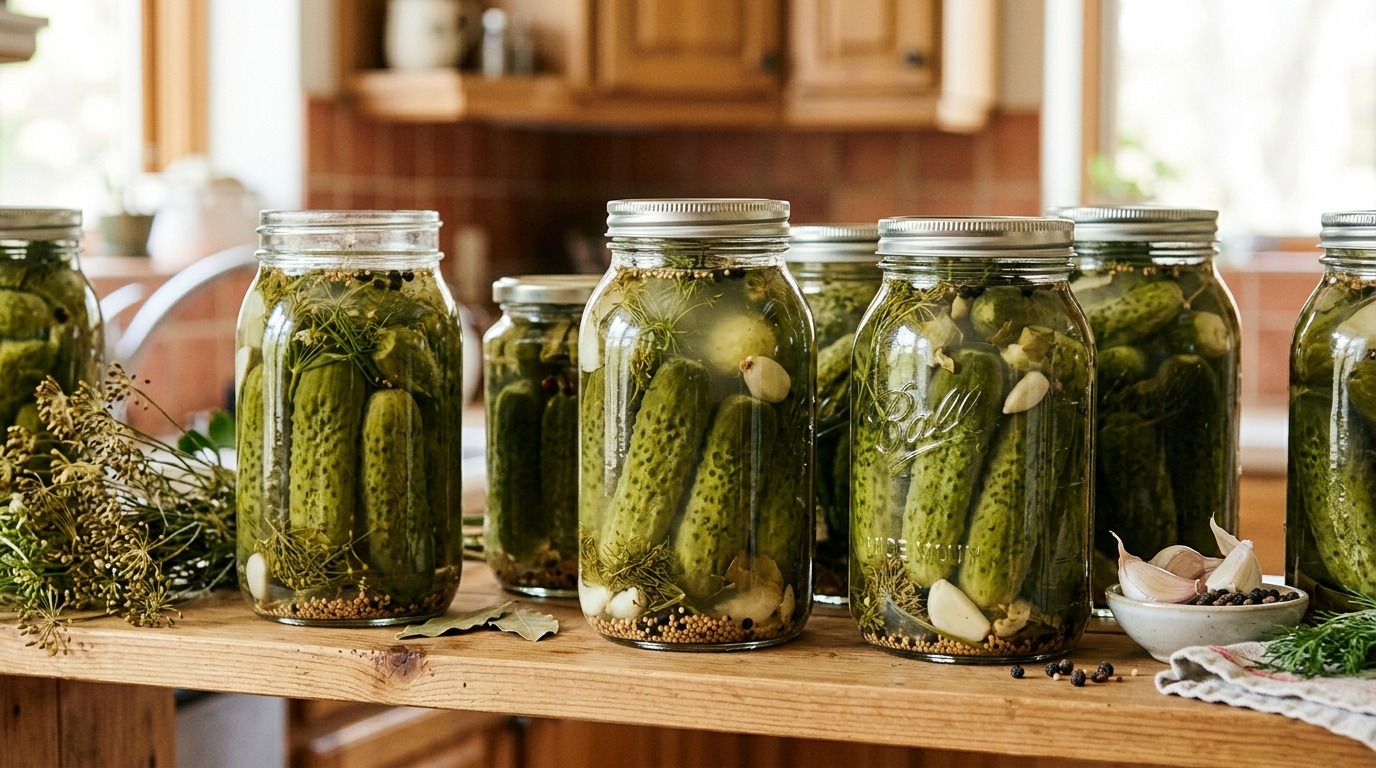
Marinating and brining completely eliminate bitterness from cucumbers
What to Remember About Bitterness in Cucumbers
Cucumber bitterness is not a defect or a disease, but an ancient defense mechanism triggered by stress. Cucurbitacin is an unpleasant-tasting substance but harmless in the amounts found even in the most bitter cucumber from the garden. The main enemies of flavor are irregular watering, temperature fluctuations, scorching sun, and unbalanced soil nutrition.
If there’s still a month of fruiting left in the season, it’s entirely possible to fix the situation: establish regular watering with warm water, mulch the beds, and cover the plants during cold snaps. And for next year — consider modern hybrids with genetic resistance to bitterness. The harvest can still be saved.