Apple has introduced AirPods Max 2 — the first notable update to its over-ear headphones since 2020. But Bloomberg journalist Mark Gurman stated that the new product was created not for a technological breakthrough, but to maintain sales. And this is evident from what changed in the new AirPods Max. That makes it all the more interesting to understand why Apple did things this way and not otherwise.
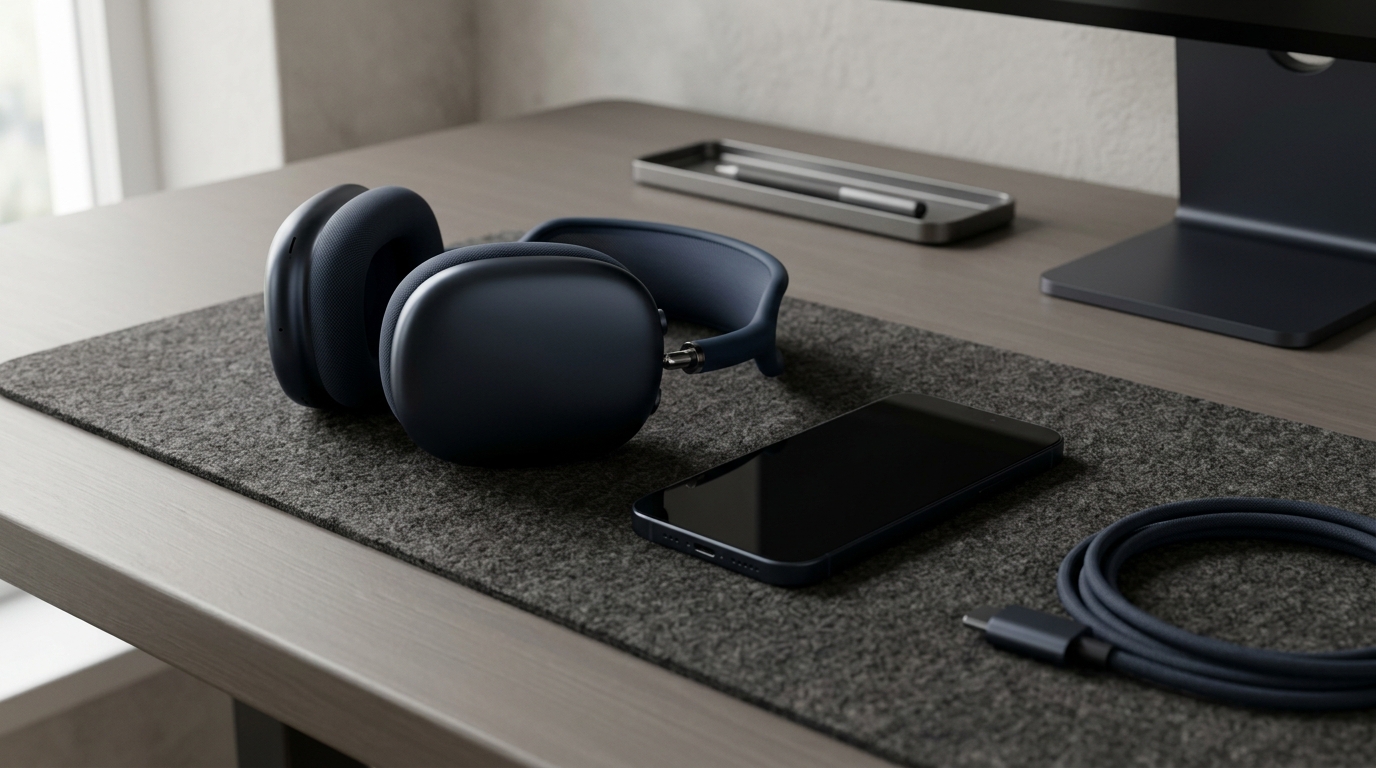
AirPods Max 2 — marketing over innovation: why Apple chooses sales over progress
What’s New in AirPods Max 2 and What Stayed the Same
The main update is hidden inside: the outdated H1 chip has been replaced by the H2 — the same one that has been powering AirPods Pro 2 for several years. It’s this chip that brings all the key changes.
What improved thanks to H2:
- Noise cancellation — 1.5 times more effective than the previous generation
- New amplifier with expanded dynamic range — cleaner sound
- Adaptive Audio — the headphones automatically adjust the noise cancellation level based on the environment
- Conversation Awareness — music volume lowers when you start talking
- Voice Isolation during calls — your conversation partner hears you, not the noise around you
- Live Translation — real-time conversation translation via Apple Intelligence
- iPhone camera control via the Digital Crown
- Bluetooth updated from 5.0 to 5.3
What hasn’t changed: design, weight (about 385 grams), dimensions, number of microphones, battery life (up to 20 hours with noise cancellation), and even the included Smart Case, which has been criticized since its initial release. Colors also remain the same: Midnight, Starlight, Orange, Purple, Blue.
Why AirPods Max 2 Is Considered a Marketing Update
According to Gurman, AirPods Max 2 doesn’t even have a new codename within Apple — that’s how minimal the changes are compared to the previous model. Essentially, all the “novelty” comes down to installing the H2 chip, which Apple introduced five years ago.
Gurman writes directly: the update was created to sustain sales, not to push the product forward. According to his sources, weak AirPods Max sales didn’t give Apple a reason to invest in a serious update. But the company doesn’t want to discontinue the headphones either — the product is too prominent and “culturally embedded” in consumers’ lives.
In Gurman’s opinion, a true second generation should have looked different: lighter, with improved battery life (more than 20 hours), and without the bulky Smart Case. None of this is present in AirPods Max 2.
AirPods Max 2 Price and How Much They Cost in Russia
The official AirPods Max 2 price in the US is $549, the same as the previous generation. The new model hasn’t reached Russia yet, but when it does, it will likely cost around 60,000 ₽ in Russia. For comparison: the previous AirPods Max with USB-C model sells in Russian stores for 48,000 to 58,000 ₽, so the new model may be even more expensive at launch.
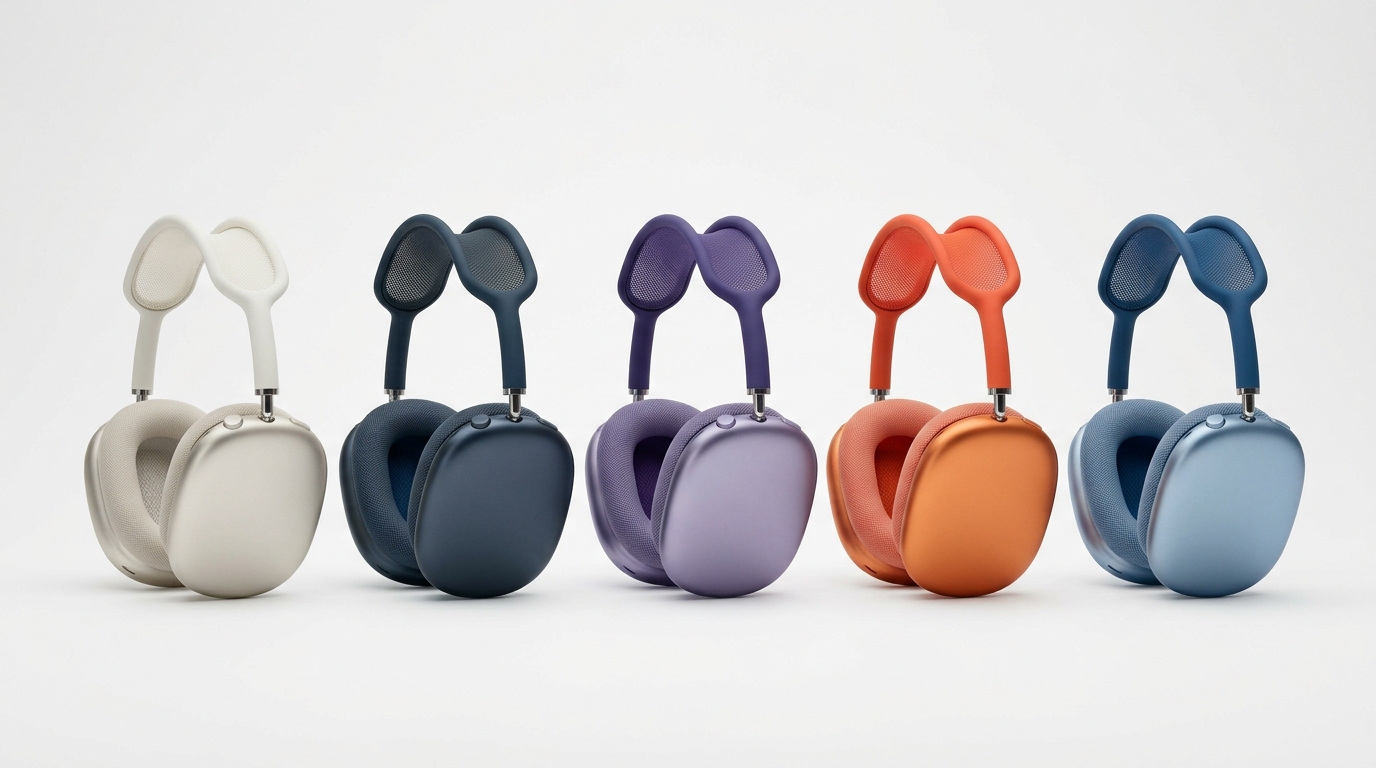
AirPods Max 2 available in five colors: Midnight, Starlight, Orange, Purple, and Blue
Pre-orders for AirPods Max 2 open on March 25, with delivery in early April. The headphones will reach Russia through parallel imports, approximately by May.
Who Should Buy AirPods Max 2 and Who Shouldn’t
If you have the original AirPods Max from 2020 with Lightning, the upgrade makes sense: you’ll get USB-C, noticeably better noise cancellation, Adaptive Audio, and a set of features that simply don’t exist on the old H1 chip — from Voice Isolation to Live Translation.
If you have AirPods Max with USB-C (2024 version), the decision is harder. The headphones look identical on the outside, weight and battery life are the same. The difference is in the chip and its associated features. For most users, this isn’t a reason to spend $549 again.
If you’re just choosing Apple headphones and don’t specifically want over-ear ones, AirPods Pro 3 will give you excellent noise cancellation and even a heart rate sensor — at a fraction of the weight and nearly three times lower price.
What Will Change in AirPods Max 3
Gurman does not confirm that Apple is working on a “true” next generation of AirPods Max. The product is in an awkward position: not popular enough for major investment, but too prominent to discontinue. The Apple brand and marketing power continue to sell the headphones, even if they don’t technically lead the market.
Against competitors like Sony WH-1000XM6 and Bose QuietComfort Ultra, which are lighter, have longer battery life, and cost less, Apple’s strategy looks like a bet on audience loyalty rather than on the product itself.

For everyday use, the main difference is improved noise cancellation and Adaptive Audio
AirPods Max 2 is a solid update for those who have already decided to buy these specific headphones. But an honest assessment of the situation is this: Apple couldn’t update its flagship headphones for six years, and when it finally did — it installed a five-year-old chip and changed nothing on the outside. If you’re satisfied with the current model, there’s no reason to rush into a purchase. If you’re choosing from scratch — first compare with competitors and with AirPods Pro 3.