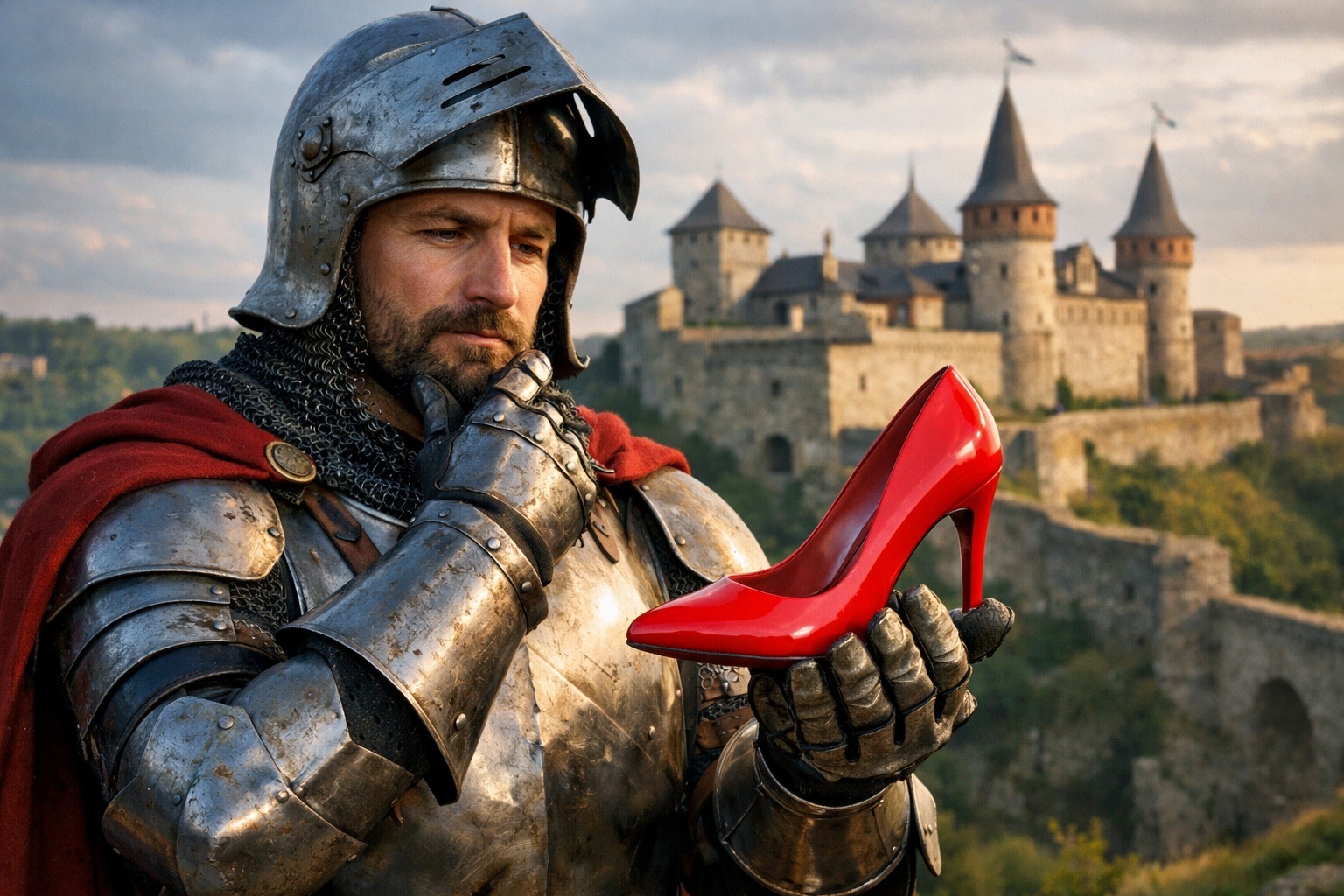
Heeled shoes appeared as far back as Ancient Egypt and were then used for a long time in the Middle Ages
Today, heels seem like an inseparable part of a woman’s wardrobe — they add height, make legs look slimmer, and give a graceful stride. But if you dig into history, it turns out that several centuries ago, high heels were considered exclusively men’s footwear and served a purpose far removed from beauty. Since then, the heel has traveled an astonishing path from the battlefield to royal palaces and fashion runways.
The First Heeled Shoes
The first people to attach special heel-like devices to soles were not soldiers, but ordinary Egyptian farmers.
As far back as Ancient Egypt, they came up with a clever design for sandals: a wide cone-shaped heel helped the foot from slipping and securely stabilized the foot when walking on loose soil.
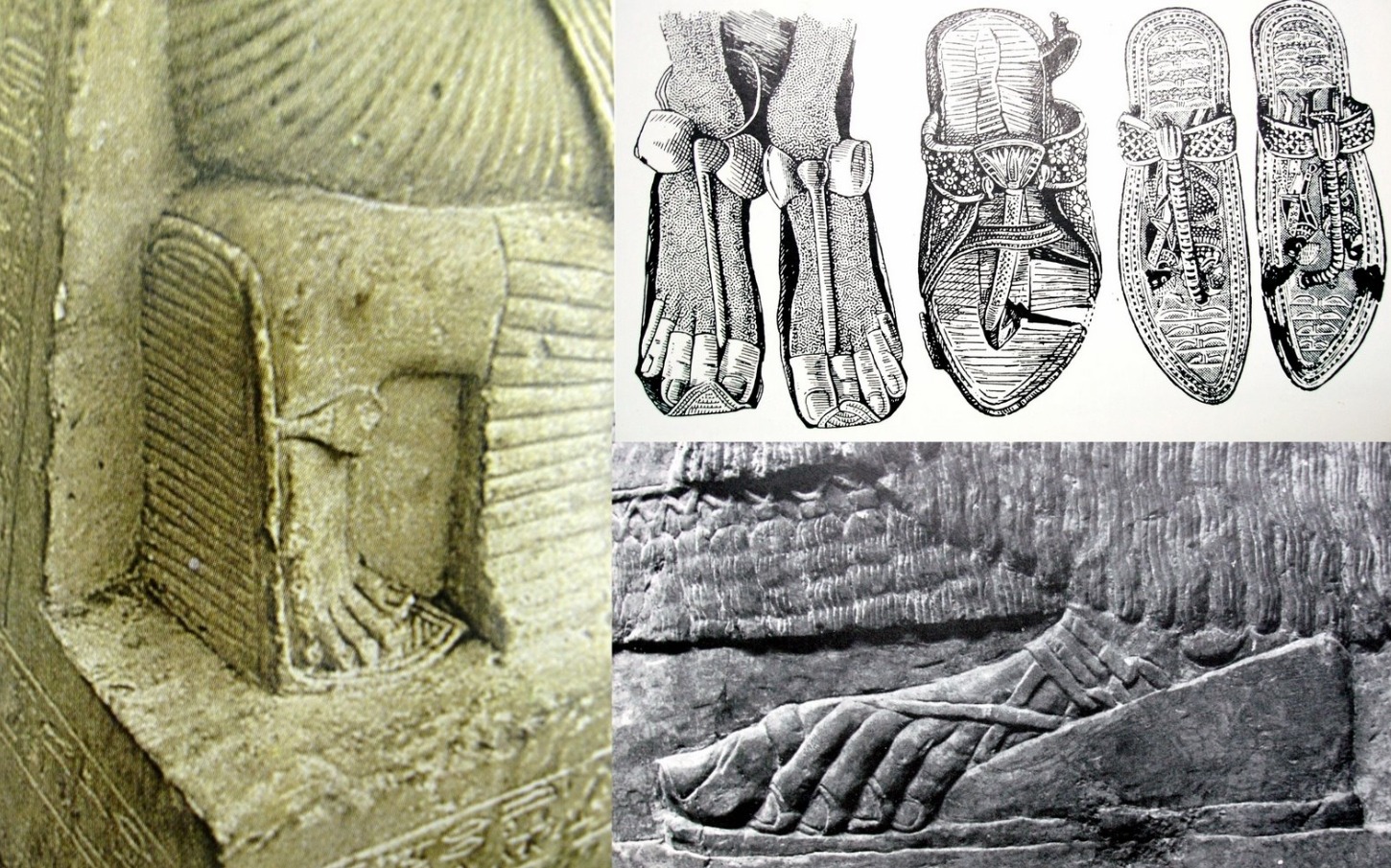
Footwear from Ancient Egypt. Image source: kaskus.co.id
Later, others adopted this idea: butchers in similar sandals calmly waded through pools of blood in slaughterhouses, while noble Egyptians wore shoes with platforms only for religious ceremonies to demonstrate their closeness to the gods. So originally, the heel was not about fashion, but about dirt, blood, and rituals.
Medieval Chopines with Heels
In the Middle Ages, Europe picked up the baton but went its own way. In the 14th century, chopines came into fashion — shoes on an incredibly high wooden platform that could reach half a meter or even a full meter. Today we would call them platform shoes, but essentially they were the same heels, just hidden under the entire foot.
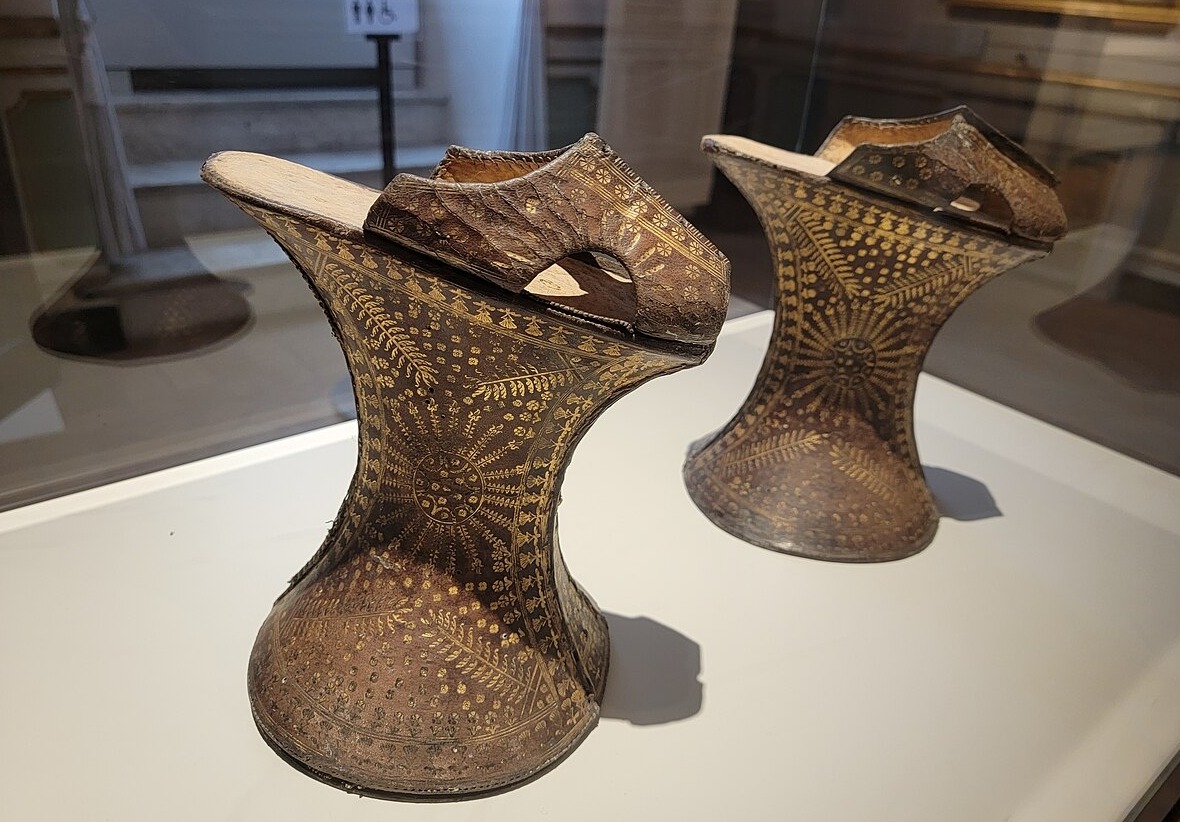
Medieval chopines. Image source: wikimedia.org
Venetian and Spanish women wore them not for the beauty of their stride: firstly, it was a way to avoid getting covered in knee-deep street filth, and secondly, the higher the stilts, the wealthier and more prestigious the woman was considered. Moving around in these “towers” without outside help was practically impossible, so ladies literally hovered above the ground, leaning on their servants.
Heeled Footwear in the Military
As for the familiar form of the heel — a separate protrusion under the heel — we should thank military men and the geniuses of the Renaissance.
Leonardo da Vinci sketched designs close to the modern heel, but his ideas proved useful much later. It was Persian horsemen and French officers who actually introduced high heels into everyday use. For them, it was pure practicality: heeled boots helped the foot grip more firmly in the stirrup, allowing riders to stand at full height and accurately shoot a bow or arquebus without fear of flying out of the saddle. Thus, rough military equipment began to transform into a style element.
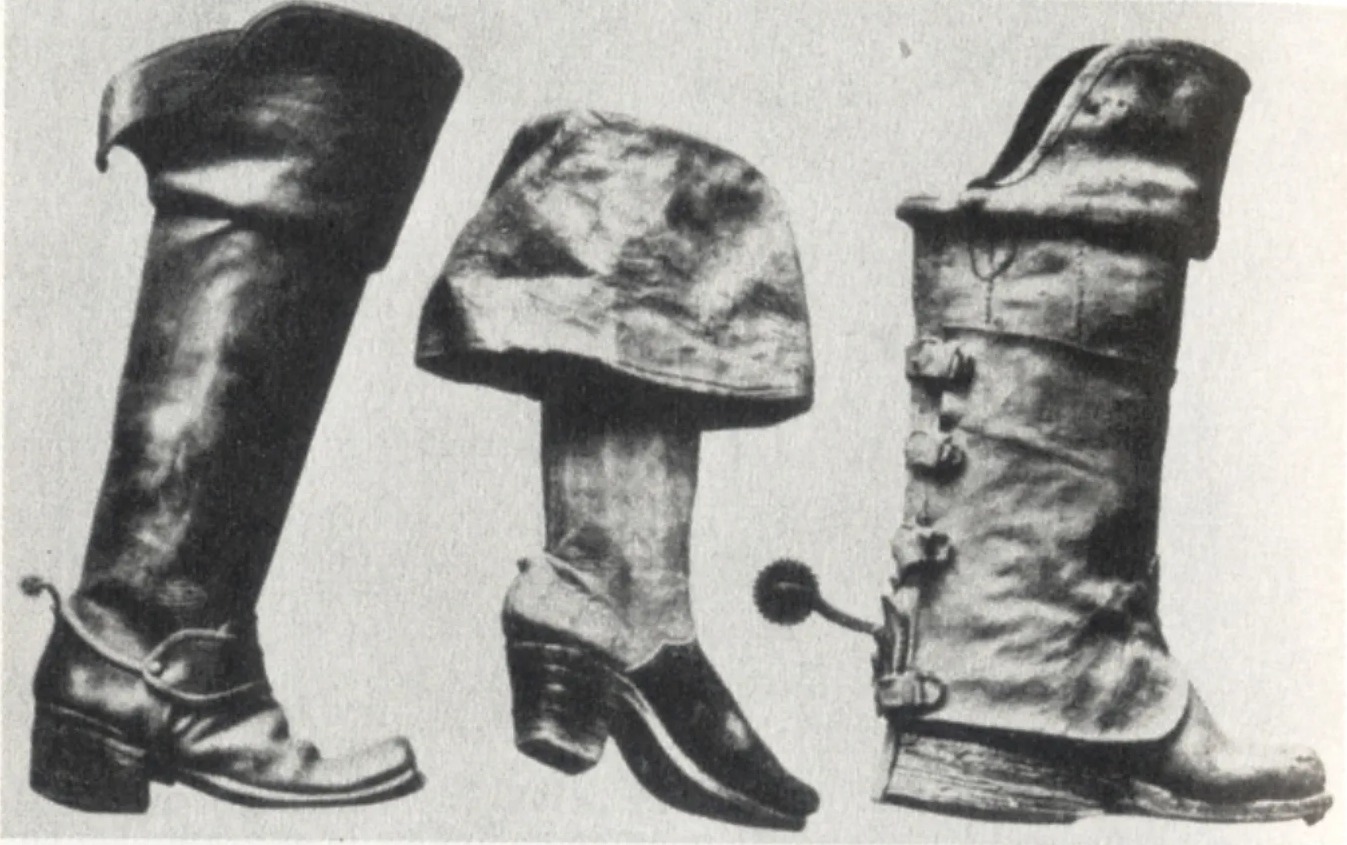
Military heeled footwear. Image source: Live Science
Heels Among Kings and Aristocrats
The real heel boom happened in the Early Modern period, at the end of the 17th — beginning of the 18th century. By then, heels had become thin, elegant, and were worn by everyone: both women and male aristocrats.
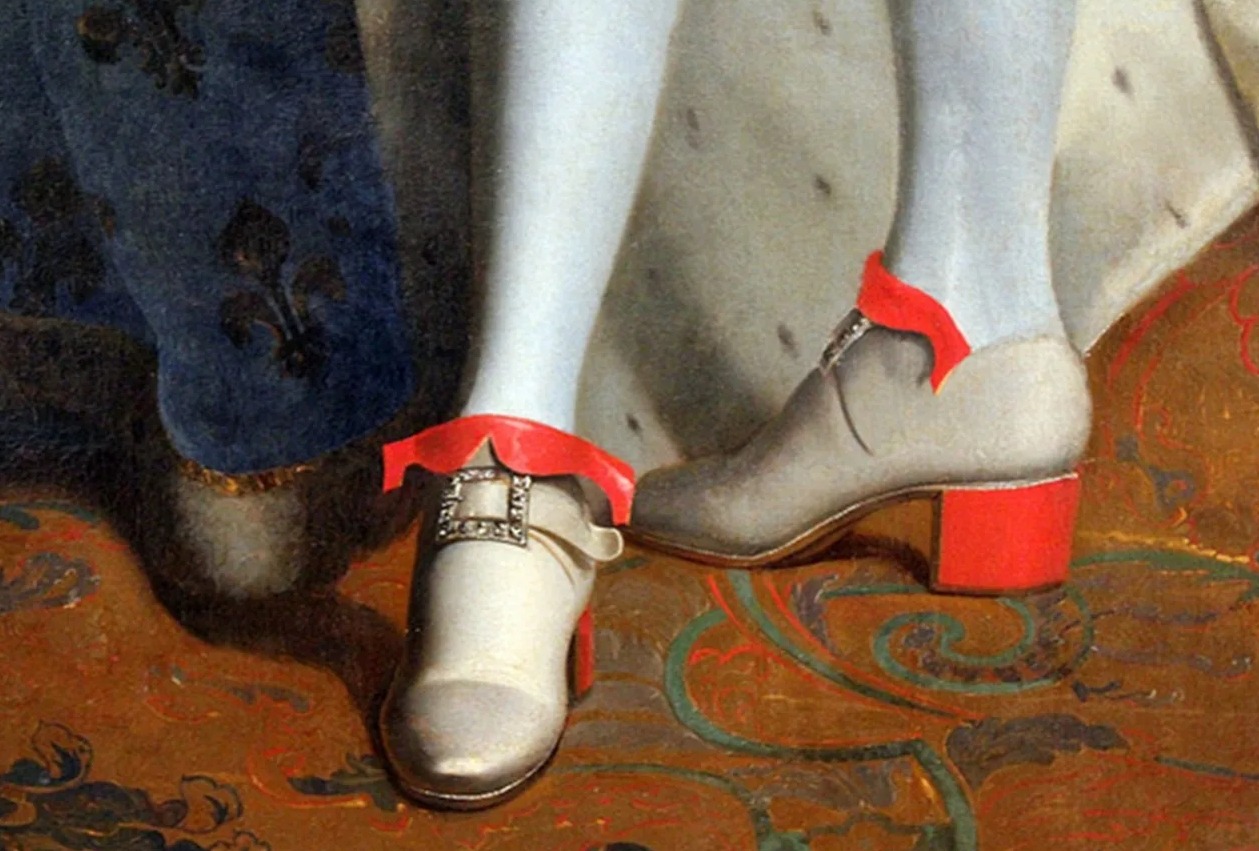
Heeled shoes among aristocrats. Image source: Live Science
Kings even issued decrees tying heel height to nobility of lineage — the higher the rank, the higher the heel. Walking in such footwear was quite a challenge, so ladies and gentlemen used walking sticks to maintain their balance. The height of fashion at the time was a heel 10–12 centimeters high, often shaped like a lily petal, emphasizing the elegance of the foot.
How Modern Heels Appeared
But the French Revolution swept away not only kings but also heels as a symbol of aristocratic inequality. They were forgotten for many years, and only in the mid-19th century did heels make a triumphant return.

Today heeled shoes are worn predominantly by women. Image source: msn.com
It was then that the famous “spool heel” was invented — a stable and elegant heel that stayed in fashion for nearly half a century. Since then, heels definitively migrated to the women’s wardrobe and ceased to be a male privilege or an indicator of social status, transforming into an instrument of beauty, seduction, and self-expression.