You know what your future smartphone and servers for training neural networks have in common? RAM. There’s a real war being fought over it, and AI companies are winning by a huge margin. DRAM prices have skyrocketed in recent months, Samsung has already raised the price tag on the Galaxy S26, and OPPO, vivo, and OnePlus have increased prices in China. But the worst is yet to come. Let’s break down which specific models will be hit the hardest.
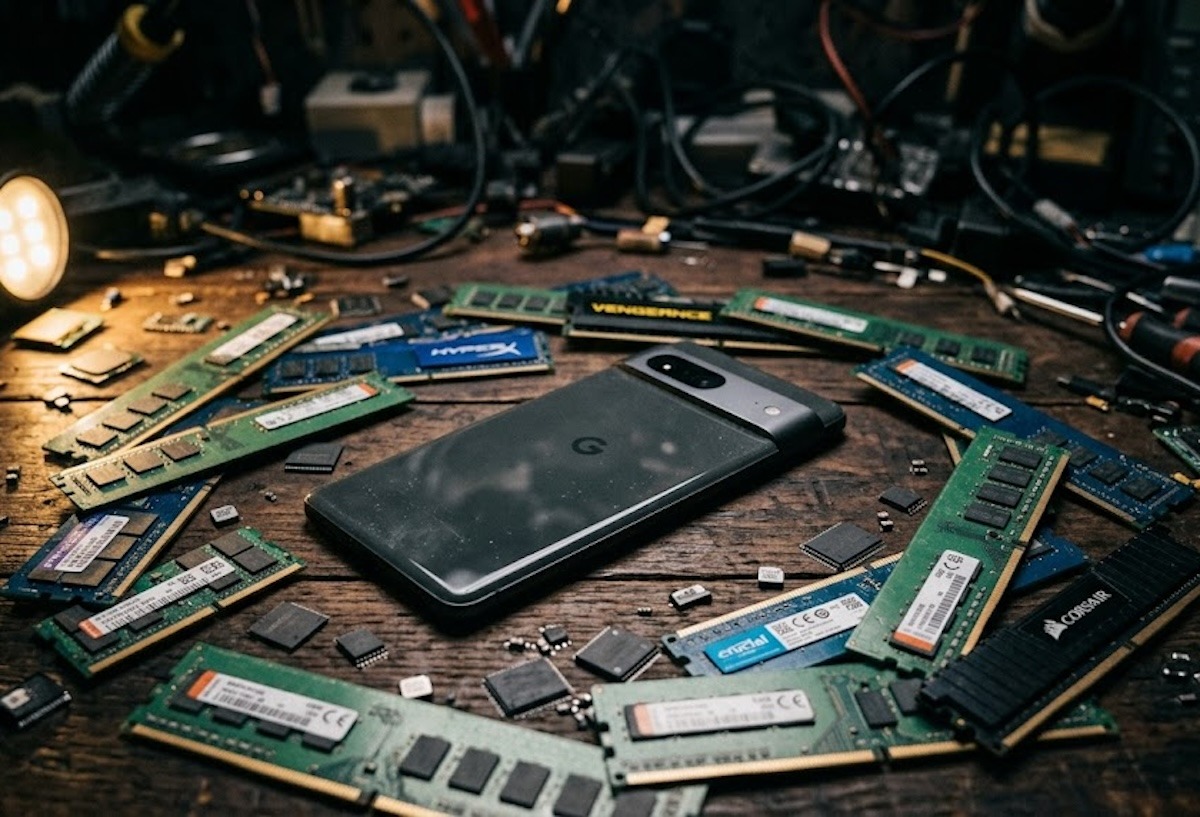
All smartphones will get more expensive, but not equally.
The Smartphone RAM Crisis
According to Counterpoint Research, the cost of a budget Android smartphone with 6 GB of RAM and 128 GB of storage has increased by 25% compared to the end of 2025.
The share of RAM in component costs has reached 43%. AI companies are buying up DRAM on an industrial scale, and manufacturers are redirecting capacity to where margins are higher. Add the rising processor costs due to the transition to TSMC’s 2nm process, and smartphone prices in 2026 will rise almost inevitably.
Will the Samsung Galaxy Z Flip 8 Get More Expensive
Samsung is operating in crisis management mode due to rising component costs. And this despite the fact that pre-orders for the Galaxy S26 turned out to be higher than for its predecessor.
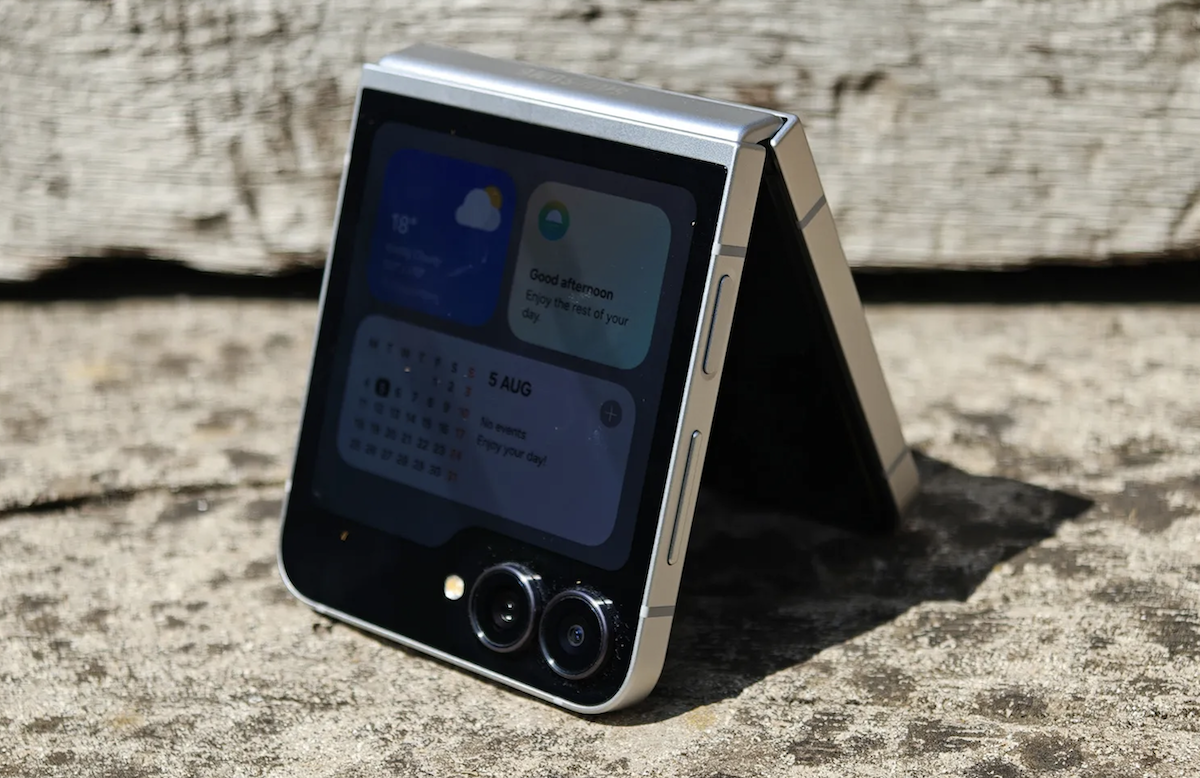
Flips are very popular. Image: DGL.RU
Galaxy Z Flip 8 looks especially vulnerable. Last year’s Z Flip 7 started at $1,100, and that was before the memory crisis reached full force. Honestly, the foldable flip phone was already balancing on the edge where the price scares off buyers. Meanwhile, the Galaxy Z Fold will be affected less: expensive devices have more margin headroom.
What Will Happen to the Google Pixel 11 Price
Google kept the Pixel 10 price at $799. Repeating this trick with the Pixel 11 will be harder. The Tensor processor saves on the chipset, but Google has switched to TSMC, and the Tensor G6 is rumored to be on the 2nm process. That’s not a cheap endeavor.
The base Pixel models were already criticized for 128 GB of built-in storage. Hoping for increased storage while maintaining the same price, frankly, isn’t realistic. Google will have to choose between raising the price tag and keeping the modest 128 GB.
Motorola Razr 2026 and Cheap Flip Phones
Motorola holds nearly 50% of the foldable smartphone market in the US, but demand in Russia is much more modest, although it does exist. The Razr 2025 became a hit thanks to its $699 price with a solid package: a large external screen, cameras, IP48, and a 4,500 mAh battery.
To maintain the Motorola Razr 2026 price, the company will have to make compromises. It’s possible that Motorola will downgrade some specs. I really hope they don’t touch the already not-so-powerful Dimensity 7400X.

Motorola Razr isn’t the most popular smartphone in Russia, but it has its own fan base. Photo: arstechnica.net
Budget Smartphones and the Memory Crisis
Honestly, it’s the budget segment that will suffer the most. The Samsung Galaxy A08 and similar phones cost less than $150, and the room for maneuvering is minimal. When RAM accounts for 43% of the cost, manufacturers cut memory to avoid raising the price tag.
The vast majority of smartphone owners worldwide use budget Android smartphones. And here’s the question: what’s the point of six years of updates if the phone starts lagging long before the last update?
OnePlus 16 and Rising Processor Costs
The OnePlus 15 sparked debate: a powerful processor and a huge battery, but a weak camera for $899. With the OnePlus 16, everything could change. The Snapdragon 8 Elite Gen 6 Pro will be on TSMC’s 2nm and will cost significantly more than the current chip.
OnePlus may completely exit the global market as early as spring 2026
Personally, I see two scenarios. First: OnePlus raises the price, compensating with improvements. Second: the company bets on performance while sacrificing the camera. Based on how the OnePlus 15 evolved, the second option is quite likely.
Should You Buy a Smartphone Now or Wait
The RAM crisis won’t resolve itself in a couple of months. If you’ve found a good deal right now, it might not be worth delaying the purchase.
Budget models and mid-range foldable smartphones will be hit the hardest. Flagships will also get more expensive, but manufacturers will offer improvements in exchange for a higher price tag. Meanwhile, buyers of affordable phones risk getting less memory for the same money.