You know what’s the most paradoxical thing about the modern smartphone market? Every year, manufacturers convince us that the new generation is a “huge leap forward,” but in reality, the difference between devices is sometimes only visible under a microscope. The Samsung Galaxy S26 is no exception. The series launched, the marketing buzz died down, and owners of older models aren’t rushing to the store with their wallets open. The reason isn’t even the serious screen problems with the Galaxy S26 that Samsung itself acknowledged, but something else entirely. So let’s figure out why this happened.
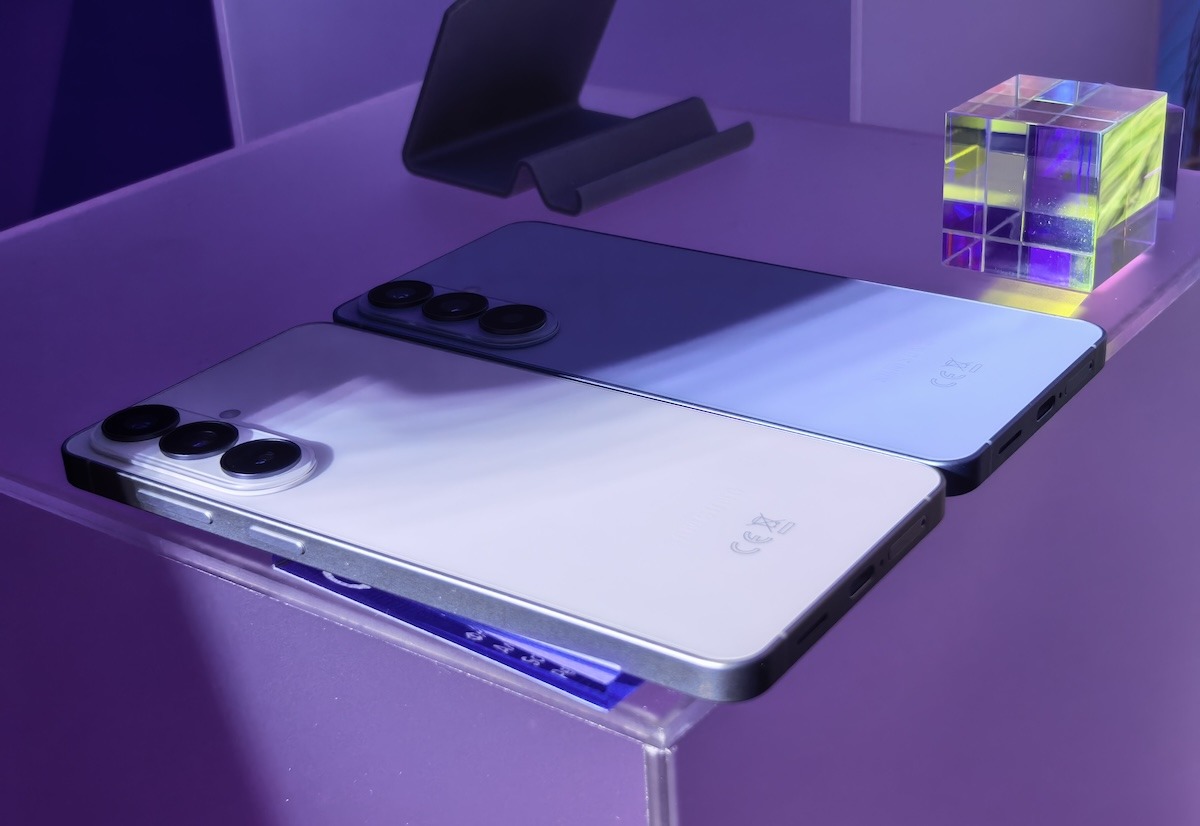
These phones didn’t get anything fundamentally new.
What’s New in Samsung Galaxy S26 Compared to Galaxy S23
Looking ahead, I’ll say that we’re talking about many Galaxy S23 owners who aren’t rushing to buy the Galaxy S26. But there are also other smartphones that aren’t worth trading in for the new model.
As for the differences, the changes look solid on paper. The new Snapdragon 8 Elite Gen 5 for Galaxy processor, the screen grew from 6.1 to 6.3 inches, the battery — from 3900 to 4300 mAh, RAM is now 12 GB instead of 8. The Ultra version got a screen with Privacy Display — built-in protection against prying eyes, 10-bit color reproduction, and brightness up to 3000 nits versus 1750 on its predecessor. The body became thinner and lighter — 7.9 mm and 214 grams versus 8.9 mm and 233 grams on the S23 Ultra.
But here’s the trick: when you pick up the Galaxy S23 and Galaxy S26, the difference feels much more modest than the press release promises. Cameras? The same triple system with limited optical zoom in the base version. Charging? Still 25W for the regular S26 — in 2026, that’s putting it mildly, not a record. Samsung seemingly decided that annual cosmetic improvements are what constitutes progress.
Is It Worth Upgrading an Old Smartphone to Galaxy S26
This is the question we get asked most often. Some argue that upgrading from the S23 Ultra to the S26 Ultra makes sense. Others disagree and say it makes absolutely no sense. Everyone is right in their own way, but most likely it’s the latter group who are correct — those who aren’t rushing to upgrade this particular year.
The results of a poll conducted by our colleagues at Android Authority were not in Samsung’s favor. In the survey about Ultra models, almost 45% of S23 Ultra owners said they don’t plan to upgrade. About a quarter more said their decision depends on the price at the time of purchase.
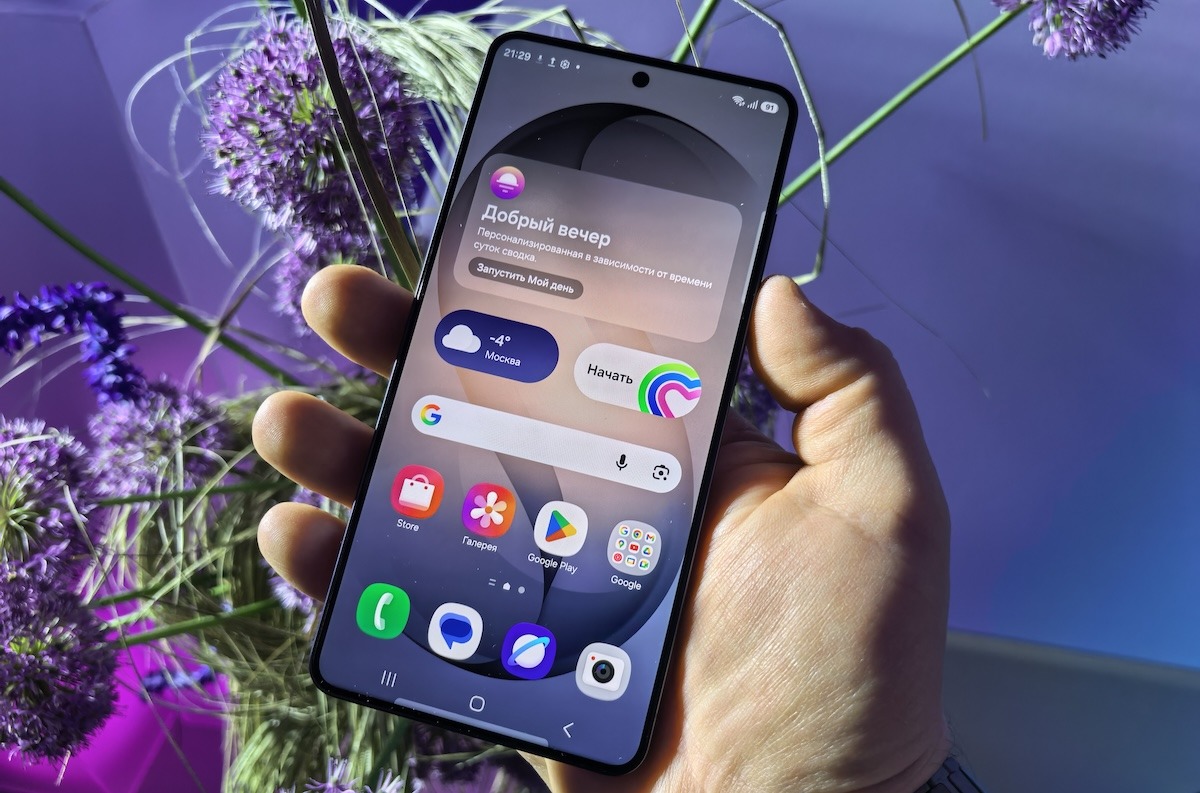
In small ways, the S26 is better than its predecessors in many respects. But even the S23 doesn’t lag far behind, and in some ways even surpasses the new model.
Only about 30% expressed a clear desire to upgrade. In the second poll — about the regular Galaxy S23 and S23 Plus — the picture was even harsher: two-thirds of voters said the upgrade wasn’t worth it. With five thousand votes, this is no longer a margin of error — it’s a clear signal.
Why Galaxy S23 Owners Aren’t Rushing to Upgrade
In practice, there are several reasons. The first and most obvious — the Galaxy S23 still works excellently. The Snapdragon 8 Gen 2 handles any task, the cameras shoot well, the screen is bright and smooth. The smartphone is three years old, but it hasn’t turned into a pumpkin. Perhaps only the battery has started lasting slightly less.
The second reason — Samsung promised four generations of Android updates, and the S23 still has one more ahead. At least until the end of 2026, the device will be on a current system version. The third reason is the most interesting. The main “features” of the Galaxy S26 are tied to artificial intelligence: agentic AI, Perplexity integration, expanded Galaxy AI tools.
At the presentation, all of this sounds impressive, but in real life, most people practically don’t use these features. I’ll be honest — I myself am rather skeptical about AI features in smartphones. For now, it’s more of a marketing tool than something that truly changes the user experience.
Is It Worth Buying Samsung Galaxy S26 Ultra
With the Ultra version, the situation is a bit more complicated. Samsung did offer noticeable improvements: Privacy Display, which turned out to be low quality, 60W wired charging and 25W wireless with Qi2.2, updated telephoto and ultrawide lenses — both at 50 megapixels. The body became noticeably lighter and thinner.
But there’s a nuance. The Galaxy S23 Ultra is the last Samsung flagship with 10x optical zoom. The S26 Ultra has only 5x optics, albeit with a higher quality sensor. For those who value long-range optics, this is a step backward. Yes, the S26 Ultra is faster, brighter, and thinner. But the S23 Ultra offers something that the new flagship no longer has. That’s precisely why even among potential Ultra buyers, those ready to upgrade unconditionally are in the minority.
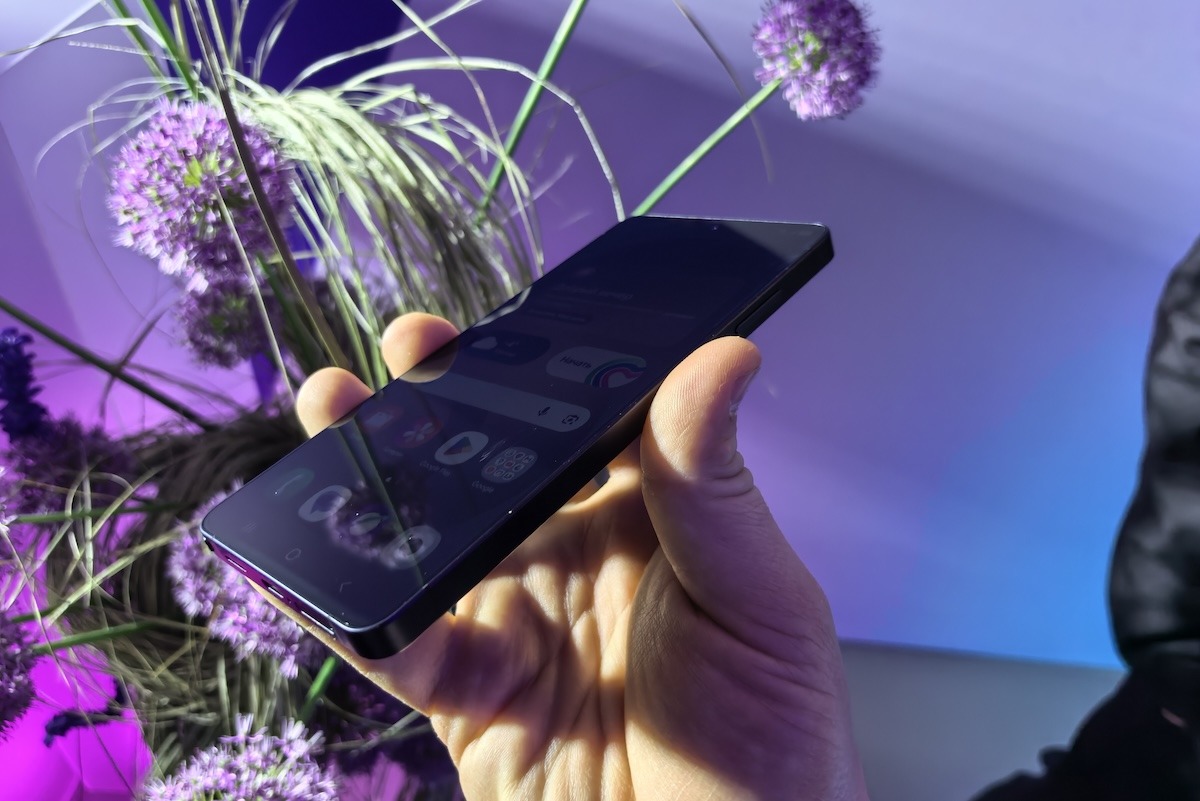
This kind of screen dimming isn’t worth urgently upgrading your smartphone.
Is It Worth Buying Samsung Galaxy S26 in 2026
If you’re a Galaxy S23 owner whose phone works without complaints, then the answer is more likely “no.” The difference between generations is evolutionary, not revolutionary. A new processor, slightly bigger screen, slightly bigger battery — nice, but unlikely to make you say “wow.”
It’s a different story if your S23 is acting up: the battery has degraded, the screen is cracked, there’s not enough storage. Then upgrading is a logical step, especially in 1-2 months when prices start to drop (of course, unless other factors emerge that drive the price up).
Personally, I would advise Galaxy S23 owners not to rush. Wait another year and the difference with the Galaxy S27 will be more noticeable. The Galaxy S24 and Galaxy S25 should only be replaced if you’re having major problems with them. You definitely won’t get any real advantage.
Meanwhile, Samsung might finally speed up charging in base models — 25W in 2026 looks frankly archaic. However, Samsung surely understands all of this. The strategy of gradual improvements isn’t an oversight but a deliberate business approach. Why play all your cards at once when you can sell smartphones every year, adding little by little? And after the Note 7 stories, the company is afraid to do anything with charging power. They definitely won’t be forgiven for a second such failure.