Your child is asking for a smartphone, and you’ve spent three evenings scrolling through catalogs without understanding — why are there so many? Between “buy the cheapest one, they’ll break it anyway” and “get a decent one so it’s not embarrassing” — there’s an abyss of hundreds of models, marketing tricks, and confusing abbreviations. I went through the current market, filtered out the outright junk, and selected six smartphones, each of which solves a specific problem. No fluff, no advertising — only what’s truly worth the money. And your child will be happy, because it won’t just be a basic phone, but a genuinely good smartphone for a kid with a quality camera, high performance, and other perks.

Choosing a phone for a child is a quest in itself.
Which Affordable Smartphone to Buy for a Child for Staying in Touch
Choosing a phone for a child in 2026 is both easier and harder than a couple of years ago. Easier — because even for 8,000 rubles you can get a perfectly functional device with a decent camera and water protection. Harder — because there are so many manufacturers that your eyes glaze over. Tecno, Infinix, Realme, Poco, Redmi, Xiaomi, iQOO… The names sound similar, but the internals differ. Let’s figure it out. We’ll start with the affordable ones.
If your child is 7–10 years old and the phone is primarily needed for calls, messengers, and videos — there’s no point in overpaying. The main thing is that the device holds its charge, doesn’t lag when launching a messenger, and doesn’t fall apart after the first drop.
Realme Note 60 — A Cheap Smartphone for a Child
Here’s your ideal “first smartphone.” Realme Note 60 is a case where the manufacturer honestly made a budget phone and didn’t try to pretend it’s a flagship. A 6.74-inch screen with an IPS panel and HD+ resolution, IP64 body protection — meaning dust and splashes won’t hurt it. The 5000 mAh battery will easily last a day and a half under a child’s usage scenario, when they spend half the day in class and you’d like to believe they’re not using the smartphone.
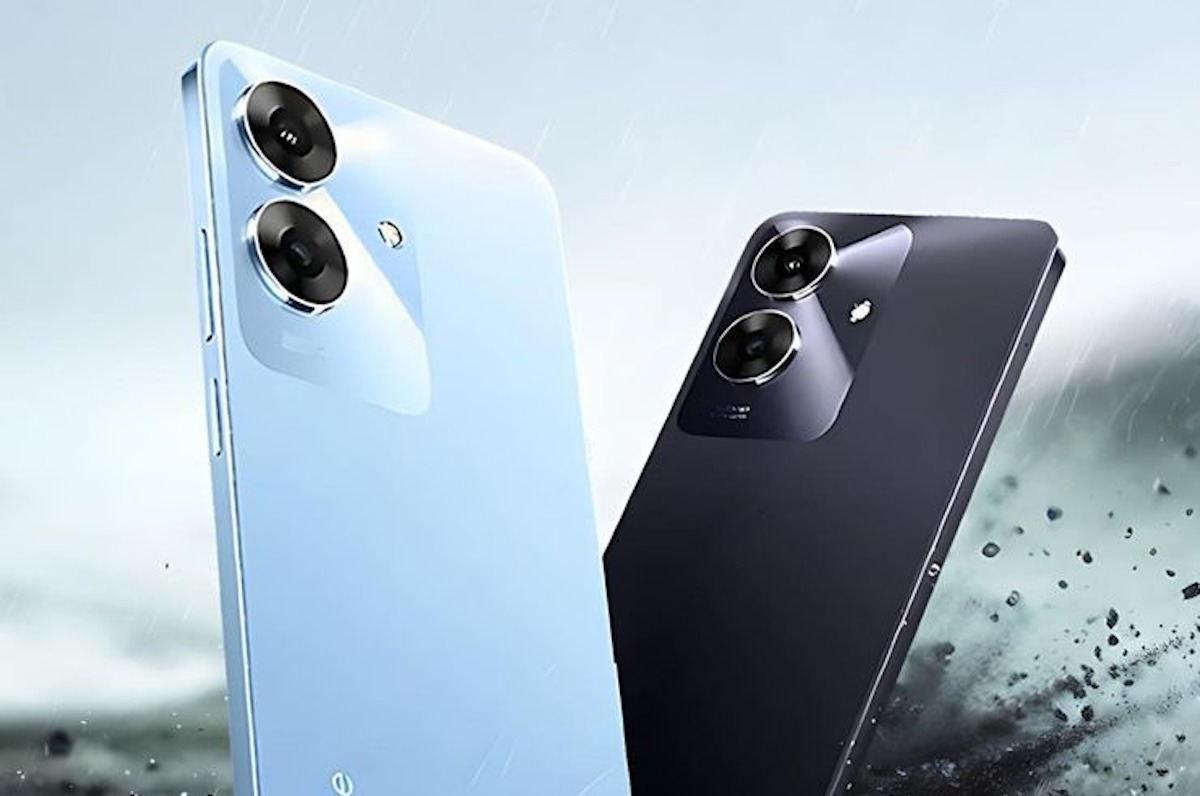
Realme Note 60. Image: GSMchoice.com
The camera here is 32 MP — for its price, it shoots decently, enough for selfies and photos of homework. The Unisoc Tiger T612 processor isn’t a beast, but it’s sufficient for basic tasks. In practice, this means: messengers fly, YouTube and VK run without hiccups, but it’s better not to even install Genshin Impact. But let’s be honest — a first-grader doesn’t need Genshin. The main advantage is the price. If your child loses or drowns this smartphone for a student — you’ll be upset, but you won’t go broke. It costs around 8,000 rubles.
Infinix Hot 50 — A Smartphone for Third Graders
Now things get more interesting. For three thousand more (around 11,000 rubles), you get an entirely different level: Infinix Hot 50 offers a 6.78-inch screen with FHD+ resolution (which is a completely different level of text and image clarity), 8 GB of RAM, 256 GB of storage, and — attention — NFC. This means your child can pay for transit with the phone, which is quite important for a student in a big city.
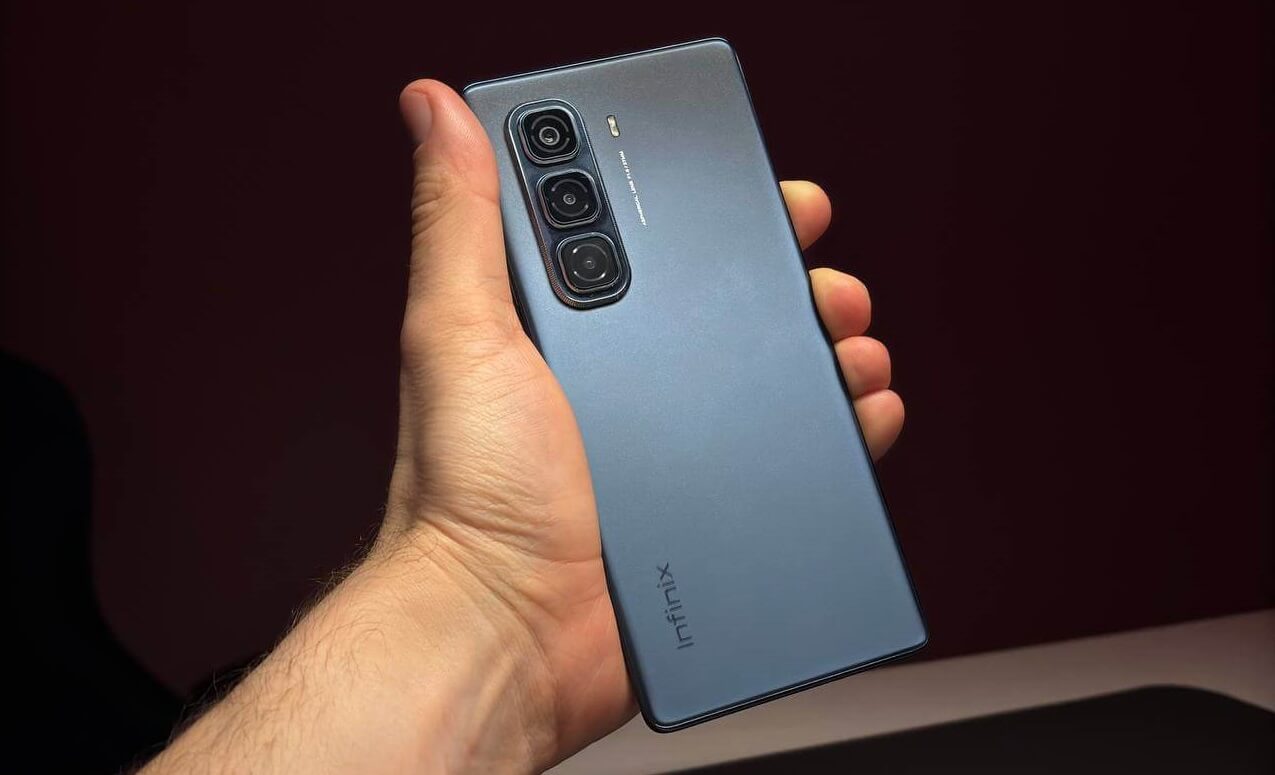
Infinix HOT 50
A 50 MP camera, 5000 mAh battery, and a processor that handles undemanding games on medium settings. Essentially, this is a full-fledged smartphone for a 10–12-year-old child that isn’t embarrassing to pull out at school but also not a tragedy if dropped on the pavement. The body, however, lacks serious water protection — so it’s better not to play snowball fights with it.
Xiaomi Redmi 15C — A Smartphone for Students with Great Battery and NFC
If your child leaves for school at eight in the morning, then has activities until six, then “mom, I’m going to hang out a bit more” — they need a device that won’t die by lunchtime. Battery life isn’t about numbers in specs; it’s about whether you’ll be able to reach your child in the evening.
Redmi 15C is that very “tank” that lasts two days without charging and doesn’t complain. A 6000 mAh battery in a body just 8 mm thick and weighing 205 grams — sounds impossible, but Xiaomi somehow pulled it off. A 6.88-inch IPS screen, NFC on board, 256 GB of storage — enough for photos, music, and a couple dozen games.
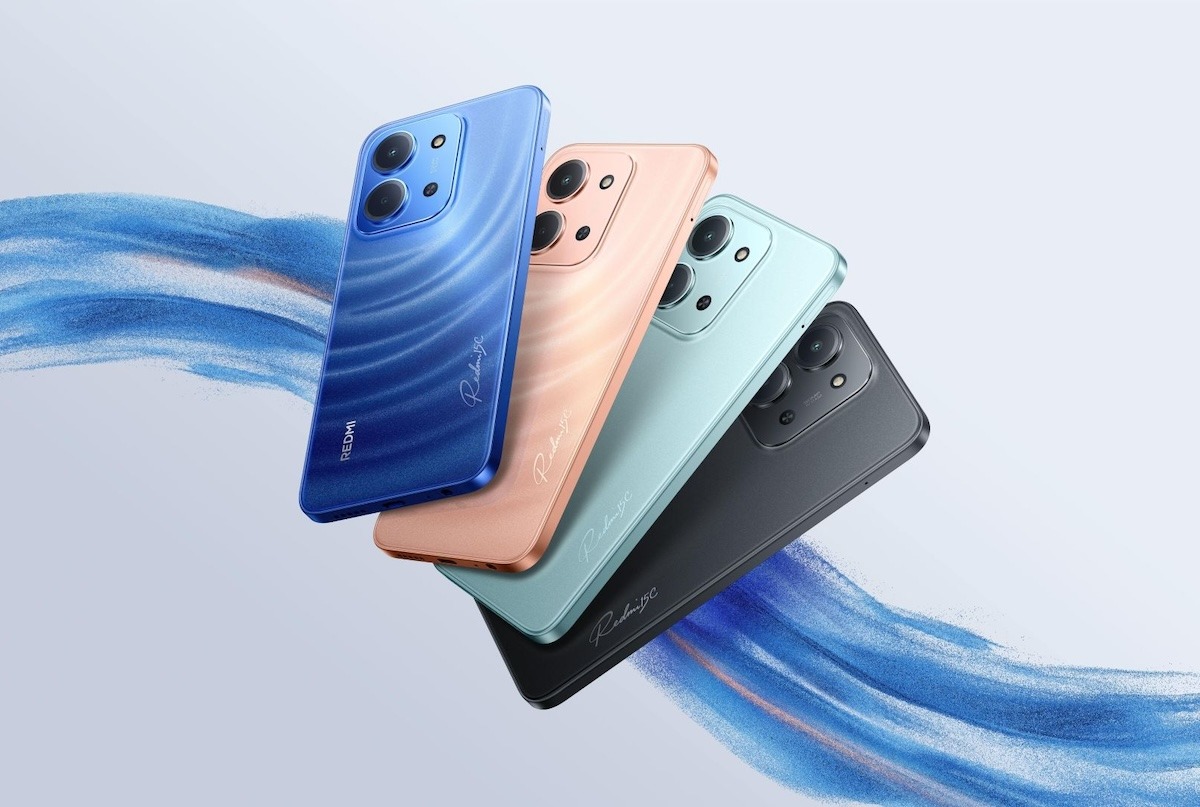
Xiaomi Redmi 15C. Image: GadgetMatch
Yes, the screen here is IPS, not AMOLED — but for a children’s phone, that’s actually a plus. IPS is less tiring on the eyes during extended reading, and kids read from screens more than we think. And even in a good way — textbooks, assignments in electronic diaries, chats. The Snapdragon 685 processor isn’t a record-breaker, but it’s energy-efficient. HyperOS from Xiaomi is a familiar shell with good support for Google Family Link for parental controls. Honestly, for the “child stays connected all day” scenario — this is probably the best option in the under 15,000 rubles segment.
POCO M7 Pro — A Phone for Teenagers with a Great Screen
A teenager is a different story entirely. They care about how the phone looks, how it displays video, and how many FPS it delivers in games. “Whatever” won’t cut it here — classmates won’t approve.
If you need a smartphone for a teenager with a screen that you wouldn’t be embarrassed to compare with models twice the price — here it is. POCO M7 Pro features a 6.67-inch AMOLED display with Full HD+ resolution, a 120 Hz refresh rate, and peak brightness of up to 2100 nits. For a budget phone — that’s luxury. Add Dolby Vision and HDR10+ support, and you get a phone where videos look great.

POCO M7 Pro.
A 50 MP camera with optical stabilization — your child will finally be able to shoot video without shaking. Stereo speakers, a headphone jack (yes, in 2026 that’s already a rarity), and a Dimensity 7025 Ultra processor — enough for most games on medium settings. A 5110 mAh battery and 45W fast charging.
The display has received TÜV Rheinland certification for blue light protection — which is also a significant argument for a children’s smartphone. In practice — eyes get noticeably less tired than on typical IPS budget phones.
Tecno Pova 7 Neo — A Smartphone for Kids with a Huge Battery and Unusual Design
Not all kids want to be “like everyone else.” Some want their phone to stand out — and here design plays no less a role than specs.
Tecno Pova 7 Neo packs a 7000 mAh battery. Even in active use, the device easily lasts a day and a half. In a mode of calls and occasional messenger checks — up to three days. 45W fast charging, plus 10W reverse charging — meaning this smartphone can charge a friend’s earbuds or watch.
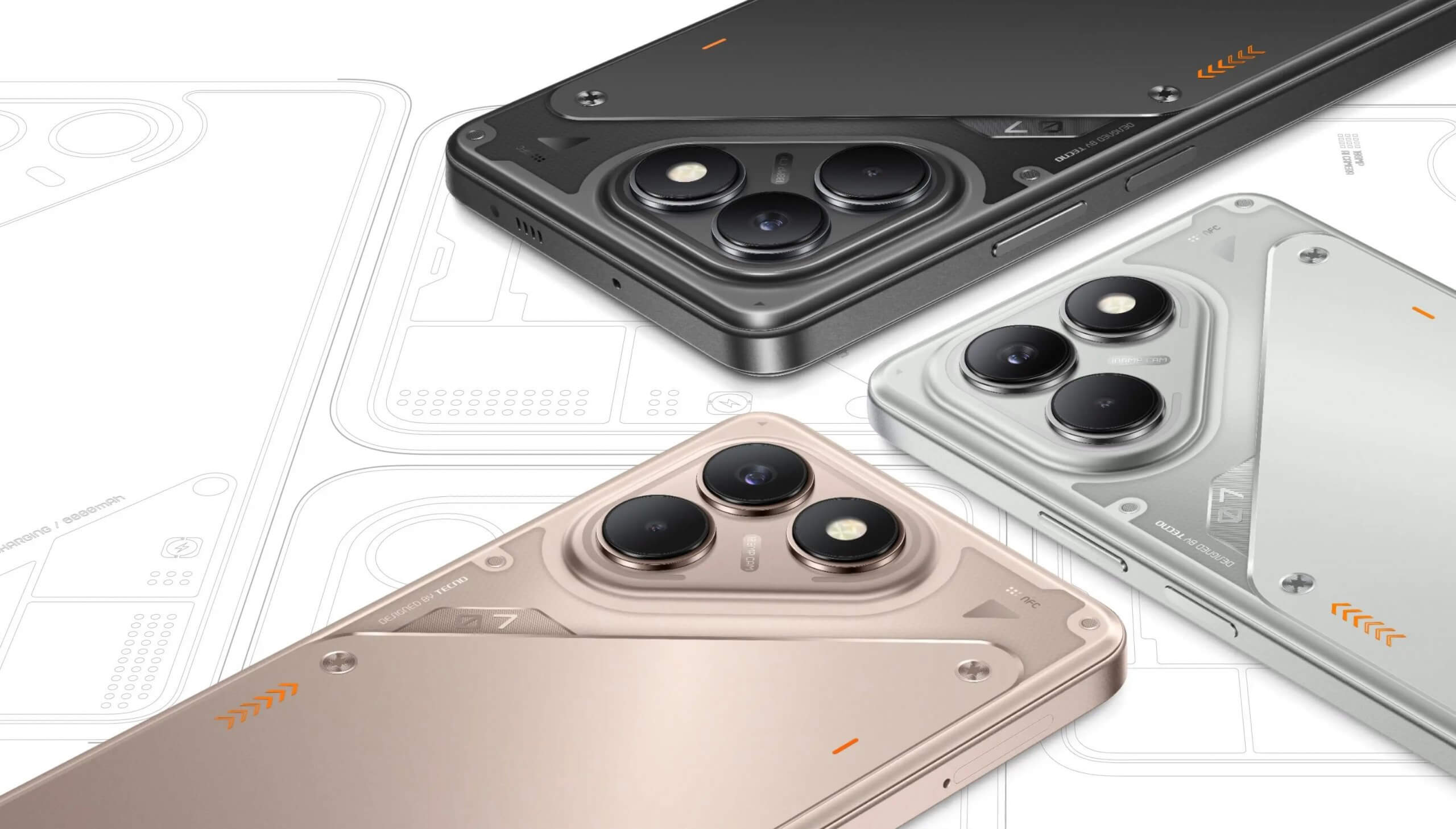
Tecno Pova 7 Neo
But battery life is only half the story. The other half is the design. The back panel mimics a semi-transparent body in the style of Nothing, though Tecno says they were inspired by the space industry. It really does look unusual — perfect for a teenager who wants to stand out.
A 6.78-inch IPS FHD+ screen at 120 Hz. A 108 MP camera — sounds impressive on paper; in practice, it shoots at the level of good 50 MP modules, but in good lighting, the difference is noticeable. Stereo speakers with Dolby Atmos, NFC, IP64 protection, and a built-in AI assistant with Russian language support. On the downside — the Helio G100 processor won’t handle heavy games on max settings. But if your child watches more than plays — it’s an excellent option.
Infinix GT 30 — A Cheap Smartphone for Gaming
A separate category — gamer kids. They don’t need a 108 MP camera or three-day battery life. They need FPS, triggers, and what