
There are good and bad food combinations when it comes to absorbing the nutrients they contain. Learn to combine foods correctly.
We tend to think that the most important thing about nutrition is what we eat, but equally important is what we eat it with. Some food combinations help us absorb vitamins and minerals, while others interfere with the process. Because of this, even super-healthy food may provide less benefit than you might think. After all, food directly affects how our body functions. Dietitians have long known that the right food combinations can increase the bioavailability of nutrients many times over. The good news is that changing your diet is very simple — you just need to know a few basic rules. Below are the most important combinations that actually work.
Which Food Combinations Improve Vitamin Absorption
Vitamin C + Plant-Based Iron
Iron from meat is absorbed well, but iron from plants is absorbed much less effectively. Vitamin C converts it into a form the body can use. Products that combine iron and vitamin C are especially beneficial here.
Good combinations:
- lentils + bell pepper
- spinach + lemon juice
- oatmeal + berries
Fats + Vitamins A, D, E, and K
Vitamins A, D, E, and K are fat-soluble, so without fat they are absorbed less effectively.
Good combinations:
- carrots or spinach + olive oil
- eggs + cheese or nuts
- green salad + oil-based dressing
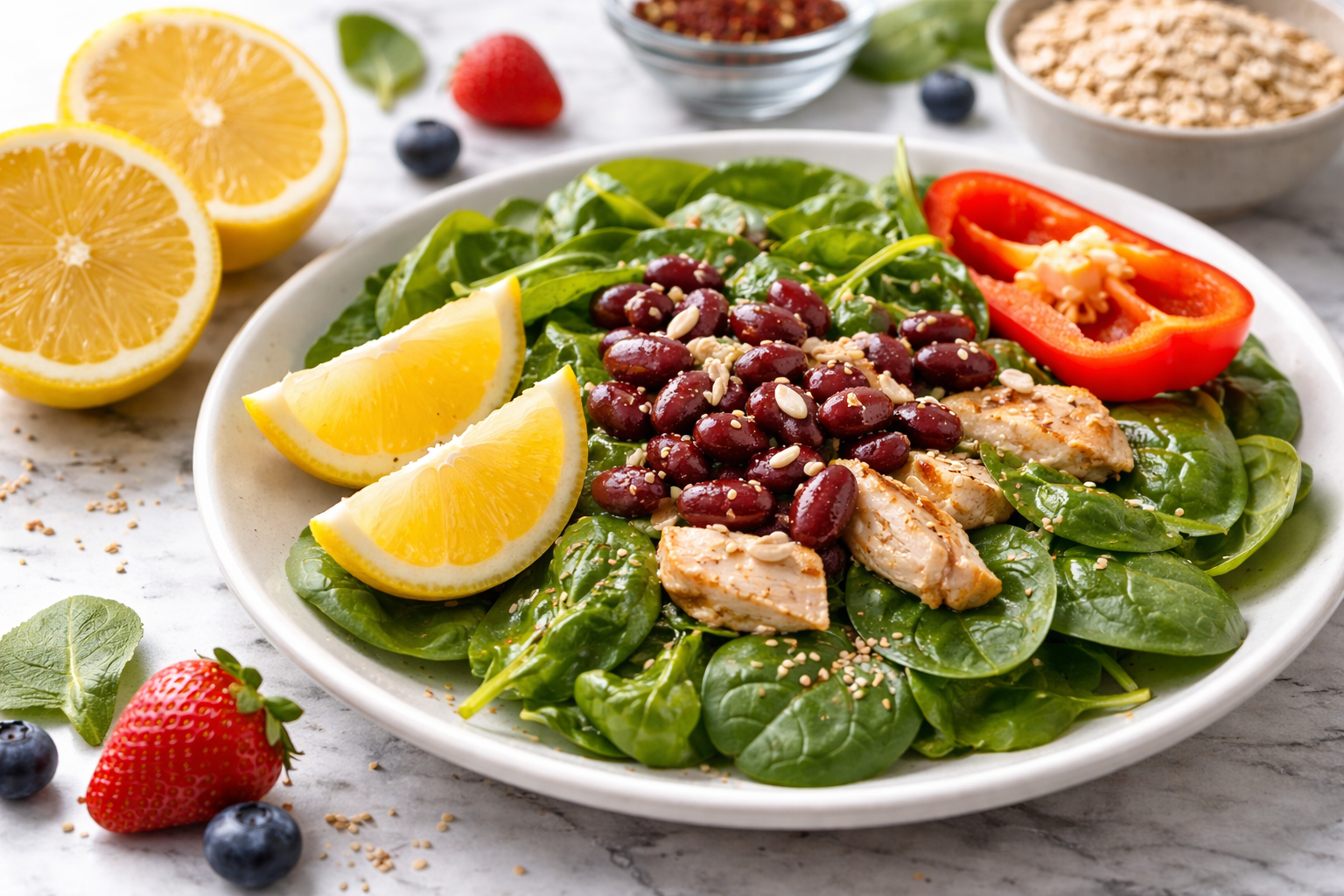
Magnesium is better absorbed from cooked foods high in oxalic acid (spinach and leafy greens) than from raw ones.
Magnesium + Proteins, Carbohydrates, and Probiotics
Magnesium is poorly absorbed, but its bioavailability is increased by proteins, complex carbohydrates, and fermented foods.
Good combinations:
- yogurt + seeds + berries
- turkey + lentils + greens
- buckwheat + vegetables + avocado
Polyphenols + Vitamin C
Antioxidants from tea, fruits, and chocolate work better together with ascorbic acid.
Good combinations:
- green tea + lemon
- berries + citrus fruits
- dark chocolate + kiwi
Which Foods Should Not Be Combined
Coffee or Tea + Plant-Based Iron
Polyphenols in coffee bind iron from plant-based foods, making it harder to absorb. This is especially important for vegetarians.
Better not to combine:
- coffee + buckwheat
- tea + beans
- coffee + spinach
Coffee + Calcium-Rich Foods
Caffeine doesn’t block calcium directly, but it speeds up its excretion, especially with large amounts of coffee.
Better not to combine:
- coffee + cottage cheese
- coffee + sesame
- coffee + almonds
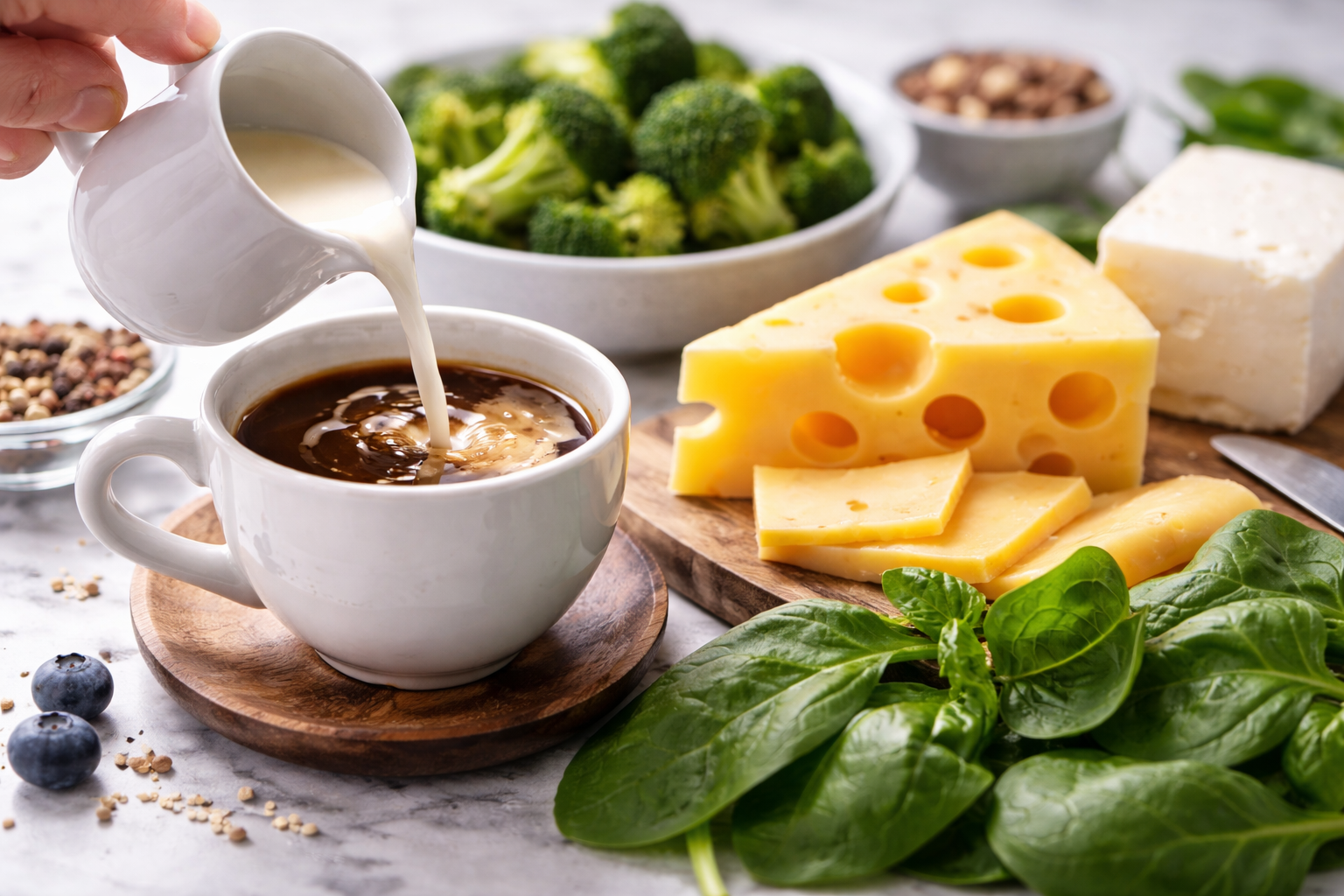
Foods with diuretic properties (coffee, tea, and alcohol) generally reduce the level of available magnesium in the blood.
Calcium + Oxalates
Oxalates bind calcium and make it unavailable to the body. They are found in large amounts in spinach, sorrel, and certain nuts.
Bad combinations:
- spinach + cheese
- sorrel + milk
- almonds + cottage cheese
Phytates + Zinc, Iron, and Magnesium
Phytic acid from grains and legumes interferes with mineral absorption. Soaking partially solves the problem.
Keep in mind:
- beans + nuts
- bran + legumes
- whole grains + seeds
How to Properly Combine Foods to Get More Benefits
The body benefits not from individual foods, but from their combinations. Sometimes all it takes is adding lemon to a salad or not drinking coffee after a meal to increase vitamin absorption several times over.
If you remember at least a few rules from this article, your diet will become not only healthier, but also more effective. This matters, because nutrition affects our memory and brain function.