Xiaomi has started rolling out the new version of its proprietary system, and it’s now gradually becoming clear when HyperOS 3.1 will be released for different models of the brand. The company has already published an official update schedule. So now you can see which smartphones will get HyperOS 3.1 first and which devices will have to wait a bit longer. In the coming weeks, the list will gradually expand.
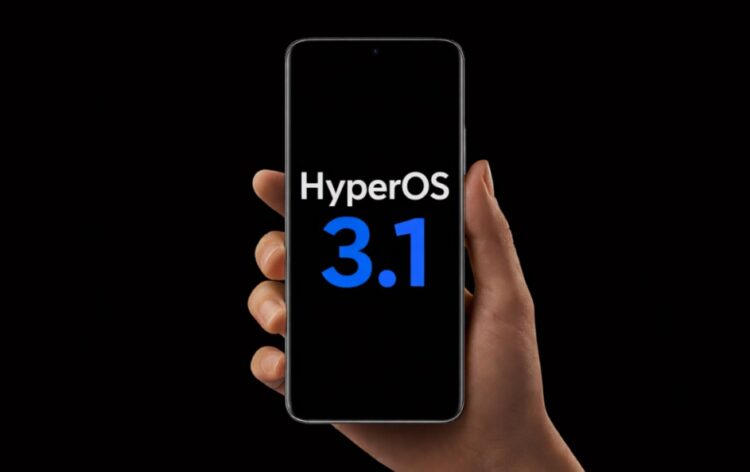
The HyperOS 3.1 rollout schedule has been officially published. Image: gizmochina.com
What’s New in HyperOS 3.1
In short, HyperOS 3.1 primarily brings ecosystem and daily usage improvements. Xiaomi didn’t radically change the interface but added several features that make working with the system noticeably more convenient.
For example, the HyperOS 3.1 update adds extended AirPods support. Xiaomi smartphones now display headphone battery levels, noise cancellation settings are available, and spatial audio is supported. Connection happens through a pop-up window, just like on Apple devices.
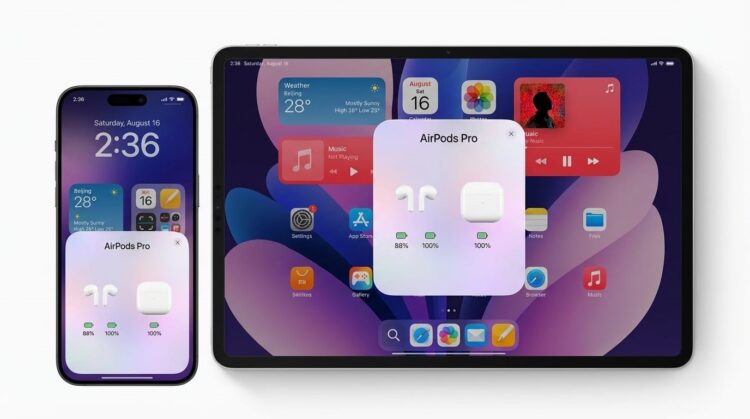
AirPods animation now on Xiaomi too
The system also received improved integration with other platforms. Users can answer calls from an iPhone and sync SMS verification codes. For Mac computers, HyperConnect support has been added, allowing users to open Xiaomi Cloud notes and photo albums directly on the computer.
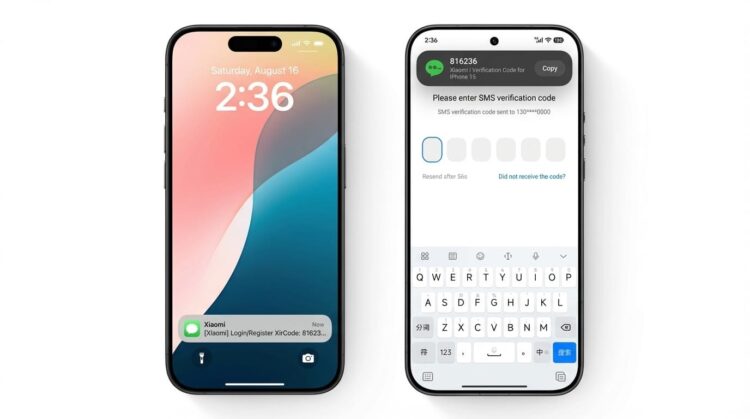
HyperOS 3.1 will have full synchronization with the Apple ecosystem
Additionally, Xiaomi HyperOS 3.1 received a new password manager with end-to-end encryption and autofill. Xiaomi also updated the voice recorder with AI-powered recording summaries, improved camera capabilities for working with Mi-LOG LUT profiles, and added a Senior Care mode with enlarged interface elements.
HyperOS 3.1 Rollout Schedule
Now for the main part — the Xiaomi update will be distributed in phases. This approach allows for gradual stability testing and expansion of the device list. Below you can see which phones will get HyperOS 3.1 during different periods of spring.
Starting March 11, 2026:
- Xiaomi 17 Ultra Leica Edition;
- Xiaomi 17 Ultra;
- Xiaomi 17 Pro Max;
- Xiaomi 17 Pro;
- Xiaomi 17;
- Xiaomi Pad 8 Pro;
- Xiaomi Pad 8;
- REDMI K90 Pro Max;
- REDMI K90.
By March 31, 2026:
- Xiaomi 15 Ultra;
- Xiaomi 15S Pro;
- Xiaomi 15 Pro;
- Xiaomi 15;
- Xiaomi MIX Flip 2;
- Xiaomi Pad 7 Ultra;
- Xiaomi Pad 7S Pro 12.5;
- Xiaomi Pad 7 Pro;
- Xiaomi Pad 7;
- REDMI K80 Pro;
- REDMI K80 Ultimate Edition;
- REDMI K80;
- REDMI Turbo 5 Max;
- REDMI Turbo 5;
- REDMI K Pad.
By April 15, 2026:
- Xiaomi 14 Ultra;
- Xiaomi 14 Ultra Titanium Special Edition;
- Xiaomi 14 Pro;
- Xiaomi 14 Pro Titanium Special Edition;
- Xiaomi 14;
- Xiaomi MIX Fold 4;
- Xiaomi MIX Flip;
- REDMI K70 Pro;
- REDMI K70 Ultimate Edition;
- REDMI K70;
- REDMI K70E;
- REDMI Turbo 4 Pro;
- REDMI Turbo 4;
- REDMI Note 15 Pro+;
- REDMI Note 15 Pro;
- REDMI Note 15;
- REDMI Pad 2 Pro.
By April 23, 2026:
- Xiaomi 13 Ultra;
- Xiaomi 13 Pro;
- Xiaomi 13;
- Xiaomi MIX Fold 3;
- Xiaomi Pad 6S Pro 12.4;
- REDMI K60 Pro;
- REDMI K60 Ultimate Edition;
- REDMI Turbo 3;
- REDMI Note 15R;
- REDMI Note 14 Pro+;
- REDMI Note 14 Pro;
- REDMI Note 14 5G;
- REDMI Note 13 Pro+;
- REDMI Note 13 Pro;
- REDMI Note 13R;
- REDMI 15R 5G;
- REDMI 14R 5G;
- REDMI 14C;
- REDMI Pad 2;
- REDMI Pad Pro 5G;
- REDMI Pad Pro.
Thus, phones will receive HyperOS 3.1 gradually throughout March and April. New flagships and tablets will be updated first, then older generation models and more affordable REDMI devices will follow.
Global Version of HyperOS 3.1
It’s important to understand that the published schedule applies only to China. It is specifically for China that the company publishes such device lists, and the Xiaomi HyperOS update is currently being distributed for Chinese versions of smartphones.
The global version of HyperOS 3.1 will be released at different times. Image: hwp.com.tr
The global version of the system usually comes out a bit later. Therefore, the Xiaomi phone update to HyperOS 3.1 for international models may appear at different times.
The list of devices will also vary depending on the region. Therefore, owners of global versions should treat this schedule as a guideline, and Xiaomi usually publishes exact release dates separately.