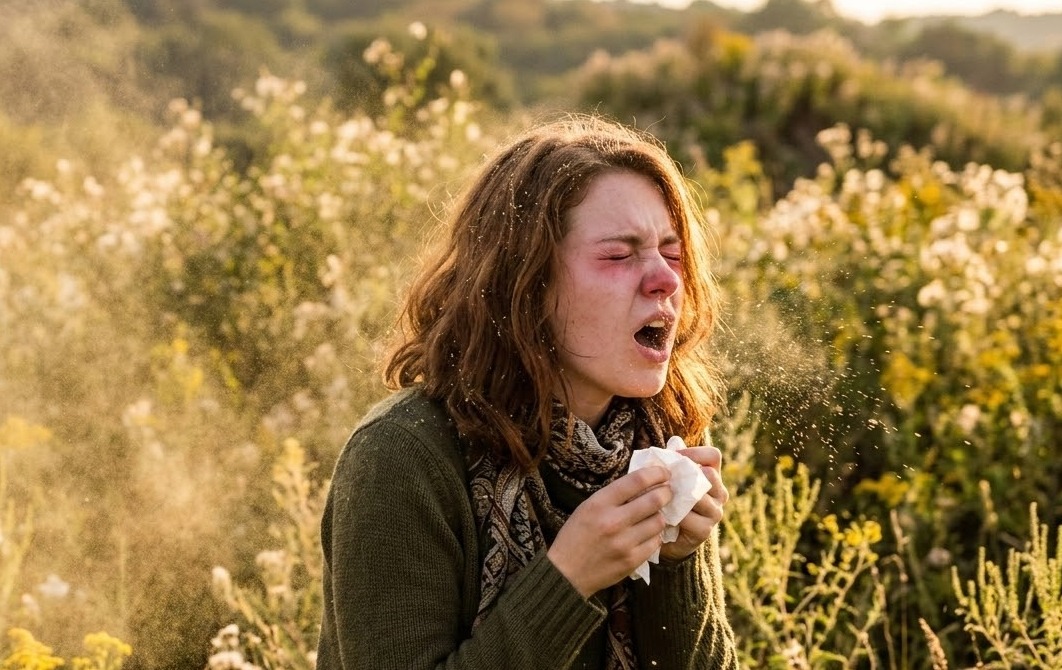
Spring marks the beginning of a real nightmare for allergy sufferers
If you have a pollen allergy (hay fever), you’ve probably noticed that on some days your nose is congested and your eyes water from morning to night, while on other days almost nothing happens. It’s not just about which plants are currently blooming. Weather plays an equally important role. It determines how much pollen ends up in the air and how high it rises. An allergist-immunologist explained which weather conditions are especially dangerous for allergy sufferers and how to plan your day to avoid unnecessary suffering.
What Weather Worsens Pollen Allergies
Heat, wind, and sun — these three factors together create ideal conditions for maximum pollen concentration in the air.
Hot weather stimulates plants to release pollen more actively — it’s a biological process, and warmth accelerates it. Wind picks up lightweight pollen grains and carries them for kilometers, while also lifting pollen that has already settled on the ground. Sunlight dehydrates pollen grains, making them smaller and lighter — they remain suspended in the air longer and penetrate deeper into the respiratory tract.
On such days, pollen doesn’t just float around outside — it settles on clothing, hair, and exposed mucous membranes. This is exactly why allergy symptoms become particularly pronounced: severe runny nose, itchy eyes, and a scratchy throat.
Why Allergies Can Get Worse After Rain
Many allergy sufferers look at rain with relief, and for good reason. Raindrops literally wash pollen out of the air, pressing it down to the ground. The concentration of allergens in the air drops sharply, and breathing becomes much easier.
But there’s a catch: this only works during the rain and immediately after it. As soon as the weather clears up and the air warms, plants resume pollination with doubled intensity — moisture gives them an additional boost. That’s why the first sunny hours after rain can be especially unpleasant for allergy sufferers.
Cool and humid weather is, on the contrary, the safest. Under such conditions, less pollen is produced and it settles on surfaces more quickly without lingering in the air.
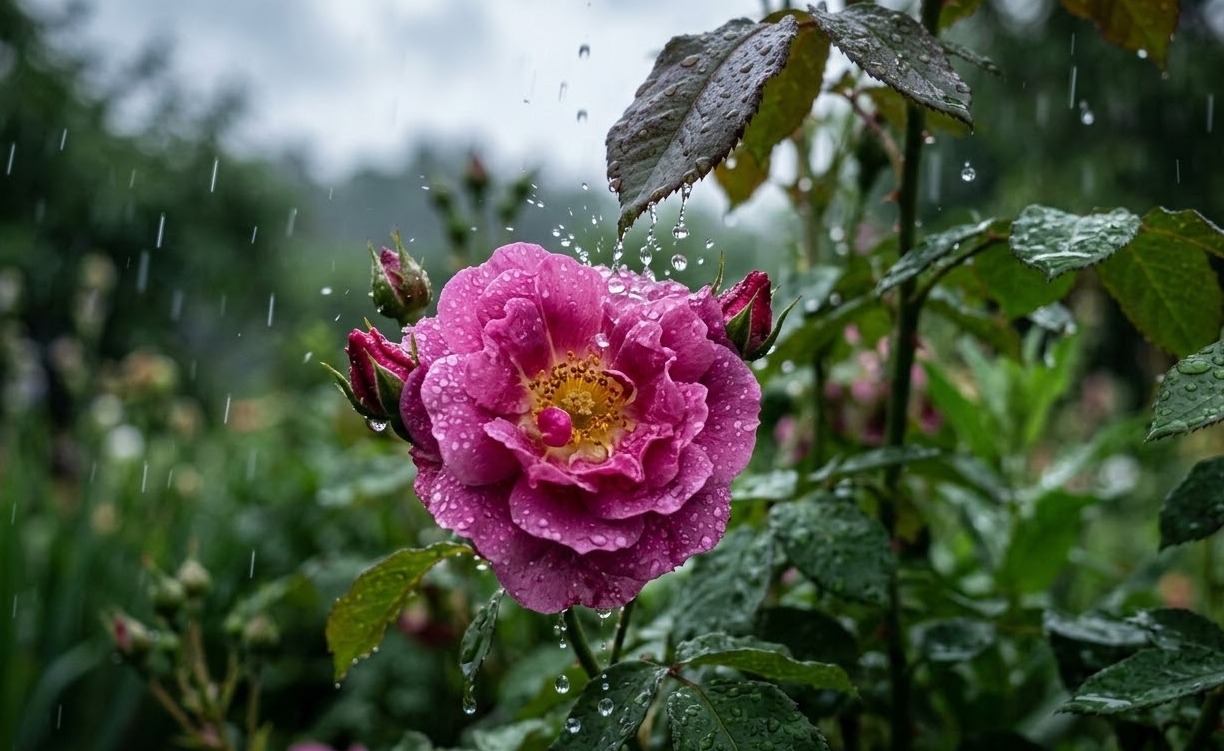
Rain presses pollen to the ground but doesn’t solve the problem completely or for long
When Is It Worst for Allergy Sufferers: Morning or Evening
Most plants release pollen in the morning hours, approximately from 5 to 10 AM. During this time, its concentration in the air is at its peak. If you suffer from hay fever, going outside early in the morning on a dry sunny day means you’re guaranteed to experience a severe allergy attack.
Doctors recommend planning walks for afternoon or evening hours. The best time is right after rain: the air is cleanest at that point. If you need to go out in the morning, at least use a protective mask and glasses. At home, you can use an air purifier.
Plant Blooming Calendar for Allergy Sufferers
Today, you don’t need to guess how dangerous the upcoming day will be. There are special services — maps and pollen concentration calendars. They are updated daily and take into account data for specific regions: temperature, humidity, wind, and information about which plants are currently blooming in your city.
Allergists recommend using these forecasts when planning everyday activities. This is especially important during transitional periods — late April, May, and early June — when several plant species bloom simultaneously.

Pollen information for Moscow in Yandex Weather
How to Protect Yourself from Pollen Allergies
If the forecast promises heat and wind, and you’re an allergy sufferer, here’s what really helps:
- Keep windows closed during the morning hours and use an air conditioner with a filter.
- Change your clothes and wash your hair immediately after returning home — pollen actively settles on hair.
- Wear sunglasses outside: they create a physical barrier for the mucous membranes of your eyes.
- Don’t forget to rinse your nose with a saline solution after walks.
And most importantly — if symptoms are getting worse, don’t delay visiting an allergist. Modern medications can significantly reduce the reaction to pollen, and in some cases help achieve long-term remission.