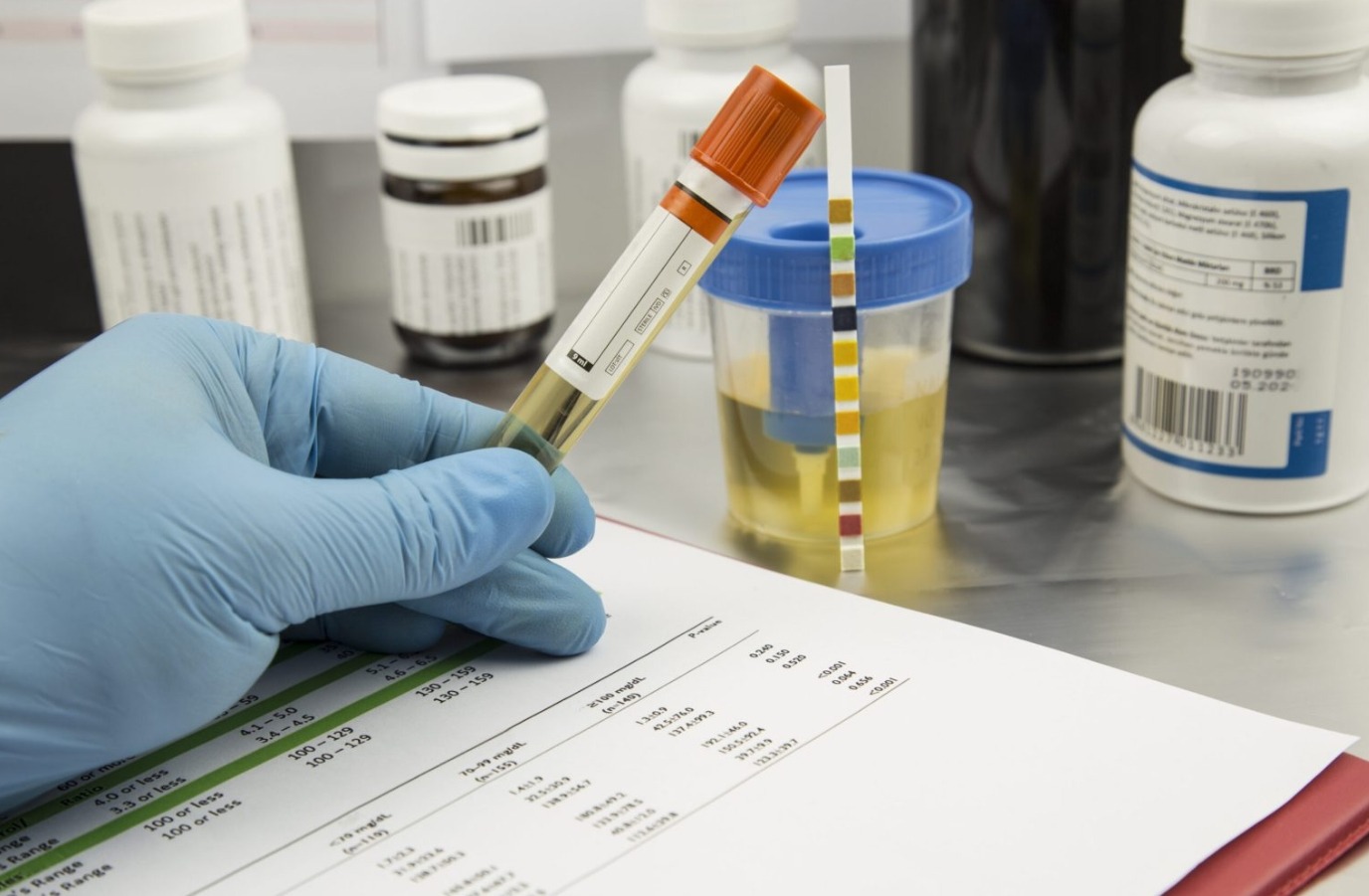
The shade of urine directly depends on the amount of water you drink
Your body sends you signals about your health every day, and one of the most visible ones literally gets flushed down the toilet. Urine color can tell you whether you’re drinking enough water, how your kidneys and liver are functioning, and even hint at hidden health problems. Yet most people simply don’t pay attention to it. Let’s figure out what each shade means and when you should be concerned.
How Urine Color Indicates Your Health
According to Medicine Net, urine is liquid metabolic waste. It consists mainly of water, electrolytes, and breakdown products such as urea. The kidneys filter the blood, select everything unnecessary, and the result first accumulates in the bladder and then is expelled through the urethra.
The characteristic yellow color of urine is provided by a substance called urochrome — a chemical byproduct formed during the breakdown of old, spent red blood cells. The more water you drink, the more diluted the urochrome becomes, and the lighter the urine. The less water — the more concentrated the liquid and the darker the shade.
Doctors recommend checking urine color twice a day: in the morning, right after waking up, and in the evening, before bed. The morning portion is the most concentrated because you don’t drink at night. The evening portion should be noticeably lighter. If both portions are light — most likely your hydration is fine.
What Is the Normal Color of Urine
Normally, urine color ranges from almost transparent to a dark straw, honey shade. Everything that falls within this range is considered healthy.
- Pale yellow or straw-colored — the ideal option. The body is getting enough fluids, and the kidneys are working normally. Some urologists recommend drinking up to 12 glasses of water per day, but the exact amount depends on weight, climate, and physical activity;
- Clear, like water — at first glance it seems like a good thing, but completely colorless urine may indicate that you’re drinking too much. Excess water flushes out electrolytes, and that’s no longer beneficial;
- Dark yellow — technically still within normal range, but you’re on the verge of dehydration. This urine has less water and more breakdown products. Time to drink a glass of water;
- Bright yellow, almost neon — don’t be alarmed. Most often this is a side effect of taking B vitamins. Nothing dangerous.
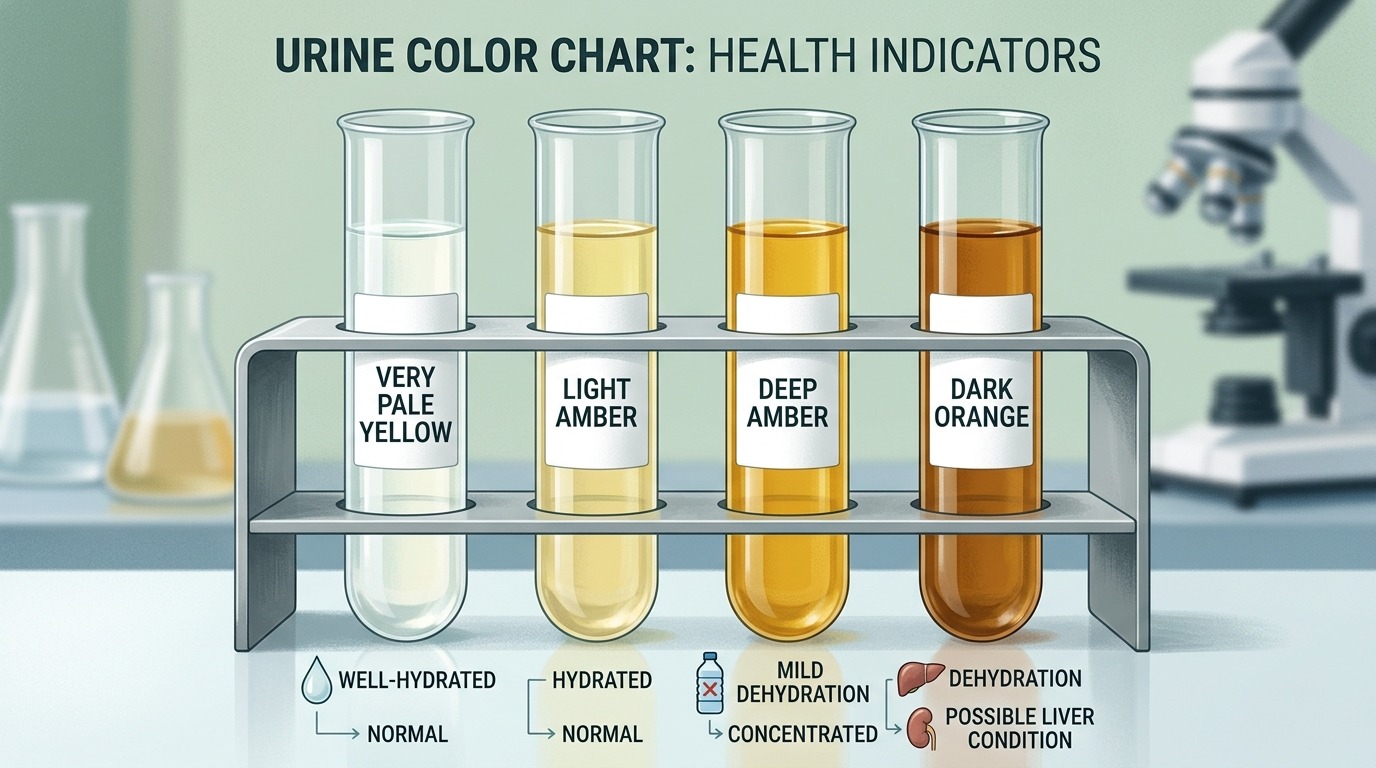
Shades of yellow: from normal to signs of dehydration
What Does Dark or Orange Urine Mean
If your urine has become noticeably darker than usual, the first thing to do is recall what you ate and drank in the last few hours. But if food isn’t the reason, dark shades may signal problems.
Dark yellow, amber — a classic sign of dehydration. Usually it’s enough to simply increase water intake, and the color returns to normal.
Orange — may be another sign of fluid deficiency, but sometimes indicates problems with the liver or bile ducts (channels through which digestive enzymes enter the small intestine). If the orange shade persists despite normal drinking, it’s worth seeing a doctor.
Brown — an alarming signal. This may indicate severe dehydration or liver dysfunction. If increasing water intake doesn’t help and the color doesn’t change, a visit to a specialist should not be postponed.
What Does Red or Cloudy Urine Mean
Unusual urine colors are not always a reason to panic, but always a reason to think.
Red or pink. Before getting scared, think back: did you eat beets, blueberries, or rhubarb? These foods can color urine in a reddish shade. But if your diet has nothing to do with it, the red color may indicate the presence of blood — and this is a possible symptom of a urinary tract infection, kidney stones, or other conditions requiring medical attention.
Cloudy or milky white. Cloudiness can be caused by a urinary tract infection or kidney stones — usually there are other symptoms as well, such as pain. If a milky shade appears regularly, it may indicate kidney problems or elevated protein levels in the urine.
Blue or green. It sounds exotic, but it happens. The cause is usually food colorings (for example, in drinks with blue dye), certain medications, or the presence of bacteria. This is not an emergency, but if the color doesn’t go away quickly, it’s better to see a doctor.
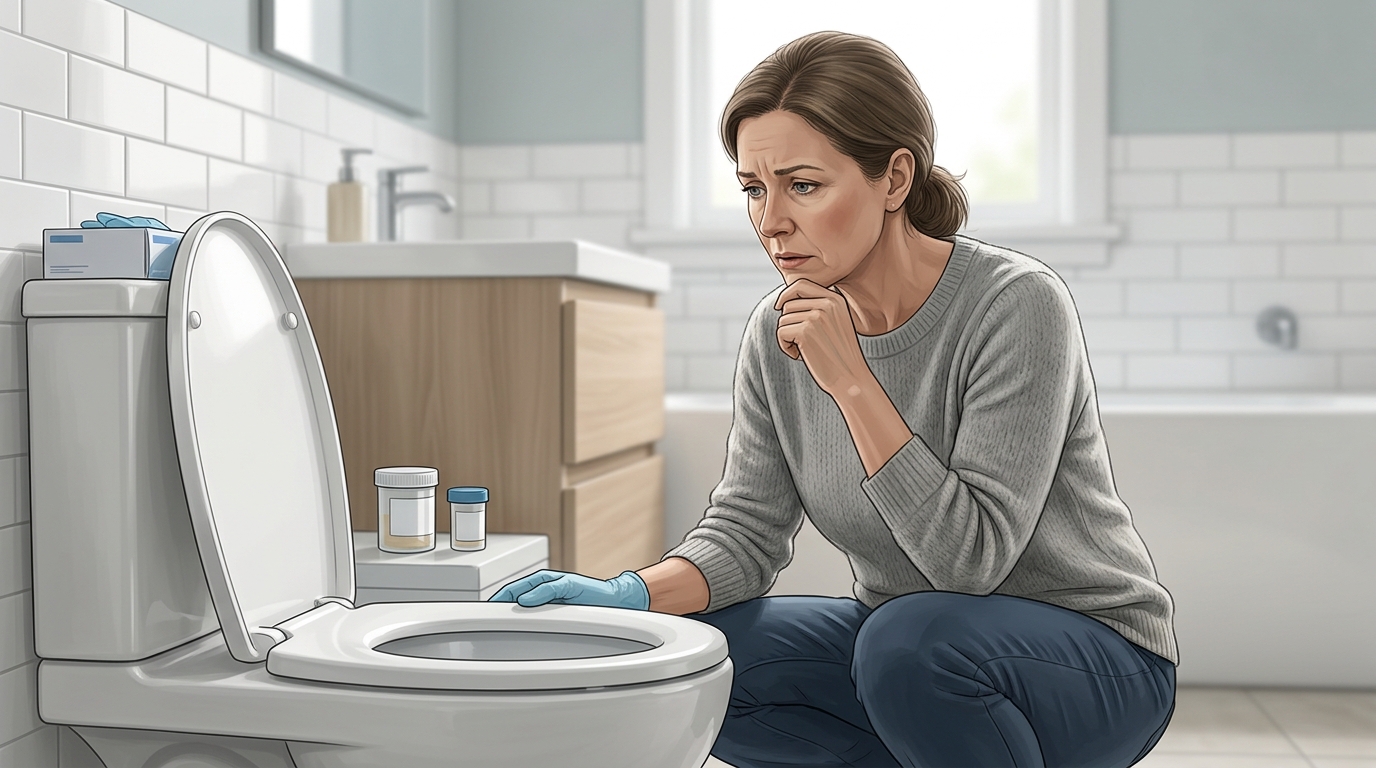
Unusual urine color is a reason to pay attention to your health
What Foods and Medications Change Urine Color
Before suspecting a disease, it’s useful to rule out the most mundane cause — the influence of food and medications. Here’s what can temporarily change urine color:
- Beets, blueberries, rhubarb — give a reddish or pink tint;
- Beans — can cause darkening;
- B vitamins — make urine bright yellow, almost fluorescent;
- Certain laxatives and anti-inflammatory drugs — can color it red;
- Drinks with blue food coloring — can produce a green or blue tint.
All these changes are temporary and go away once the product or medication is eliminated from the body. But if you can’t explain your urine color by anything in your diet — that’s already a reason to pay attention.
When Should You See a Doctor Based on Urine Color
The general rule is simple: if you’re drinking water normally but your urine regularly has an unusual color — that’s a reason to visit a specialist. Not a one-time occurrence after a bowl of borscht, but a persistent change.
You should be especially alert if the unusual color is combined with other symptoms: pain during urination, lower back pain, elevated temperature, or general weakness. In these cases, you shouldn’t self-diagnose from internet articles — you need a urine test and a doctor’s consultation.
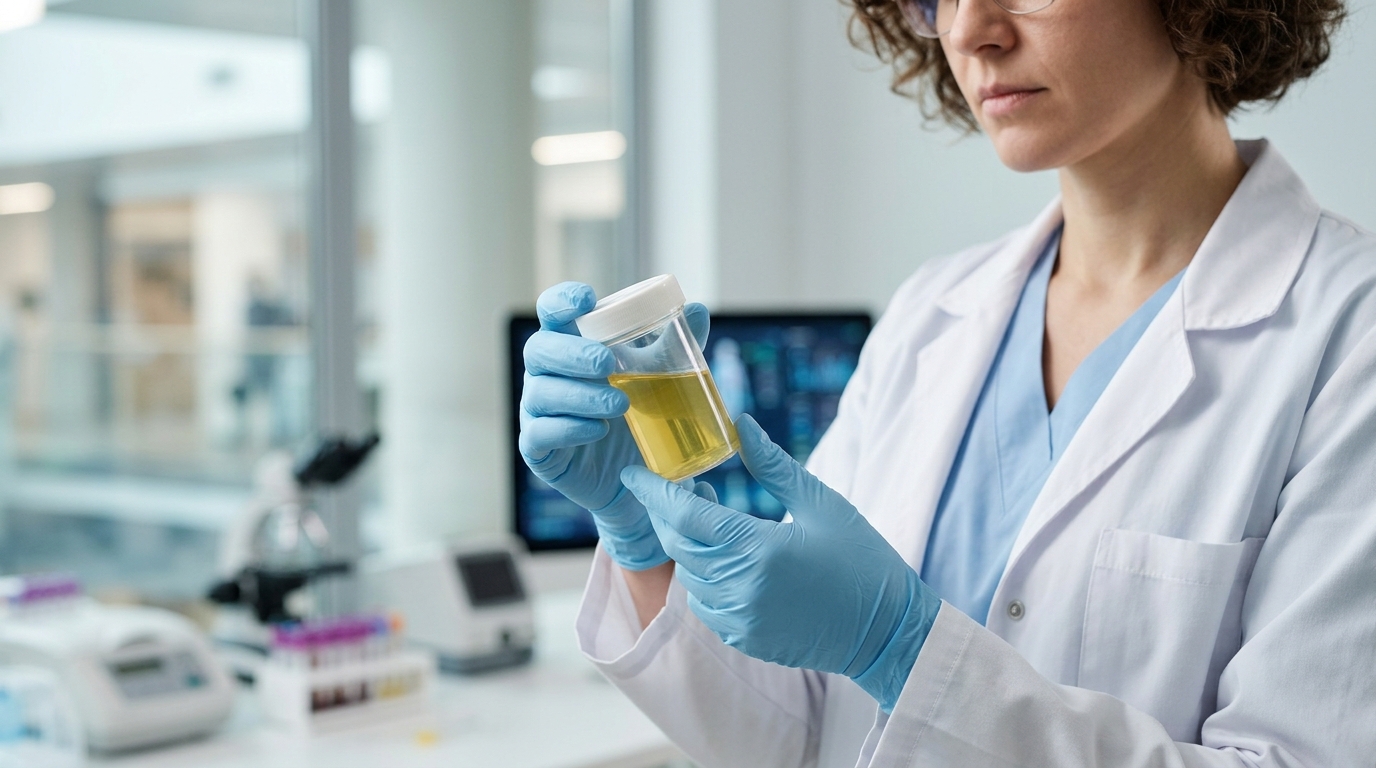
A laboratory urine test can reveal what is not visible to the naked eye
Urine color is not a diagnosis, but a clue. Perhaps the most accessible and free health indicator that works every day. All you need to do is not ignore what’s already right in front of you. Light straw-colored urine — everything is fine. Dark — drink some water. Red, brown, or cloudy without obvious reasons — see a doctor. Sometimes paying attention to such simple things helps catch a problem at an early stage, when it’s easiest to deal with.