Just five years ago, smart watches, for the most part, counted steps and woke you up with vibration. Well, they also showed your pulse, although trust in it was about the same as trust in a horoscope on the back of a weekly TV guide. And then everything changed. Today, on your wrist you can take an electrocardiogram, track blood oxygen levels, receive a warning about possible hypertension, and assess your emotional state. The thing is, not all of these functions are equally useful, and not all of them should be blindly trusted. Let’s figure out what can actually help preserve your health and what smart watches can really do in 2026. Where is the line between real benefits and marketing promises.
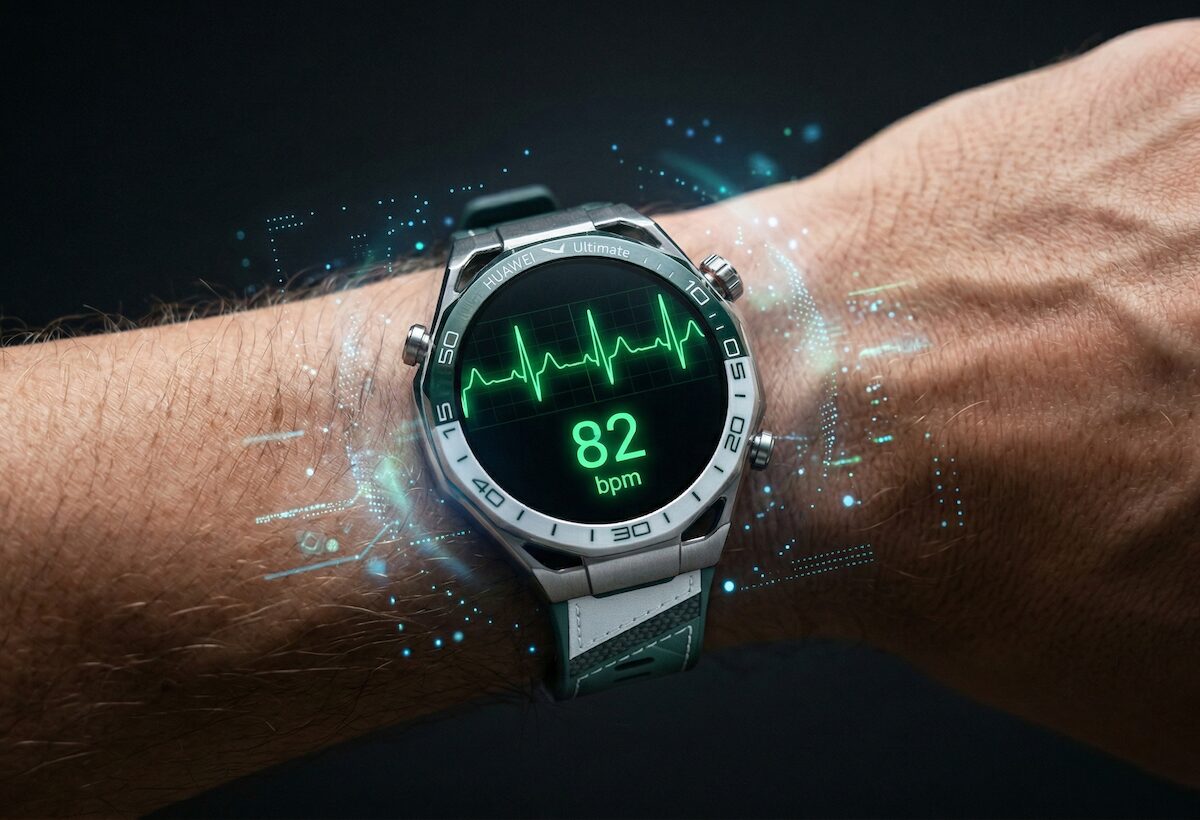
Watches in 2026 have become smarter than ever. They’re no longer just a pedometer and a buzzer on your wrist.
What Smart Watches Can Measure
If you haven’t been following the development of wearable electronics over the past couple of years, the list of available metrics might surprise you. Modern flagship watches track heart rate in real time, measure blood oxygen levels, take single-lead ECGs, assess stress through heart rate variability, analyze sleep quality broken down by phases, record skin temperature, and warn about possible sleep apnea. Some models offer blood pressure monitoring, and the most advanced ones perform a comprehensive checkup of several indicators in one minute or even less — that is, faster than it would take you to even get dressed to go see a doctor.
The feature set heavily depends on the manufacturer. Apple Watch Series 11 focuses on passive hypertension notifications based on a 30-day analysis. Samsung Galaxy Watch 8, with a recent update, received blood pressure monitoring in some countries, although with mandatory calibration using a blood pressure monitor. HUAWEI has two lineups with a serious medical focus. And more budget brands offer glucose and blood pressure monitoring, but there are still questions about the accuracy of such solutions.
ECG in Smart Watches. How It Works and Who Needs It
ECG in smart watches first appeared back in 2018 with the Apple Watch Series 4, but it’s only now that this function has become truly mainstream. It’s offered by Apple, Samsung, HUAWEI, Google, and even some budget brands. Honestly, the difference between implementations is enormous.
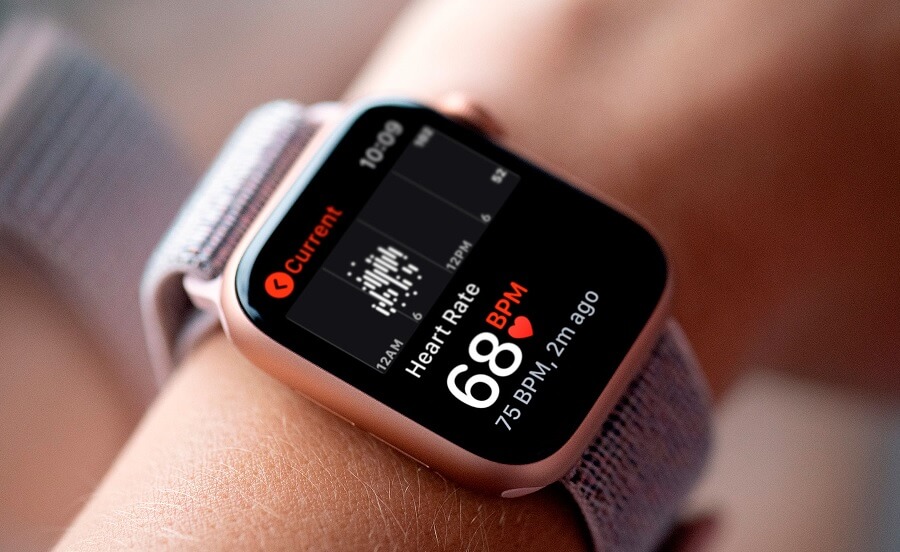
Only advanced watches can produce ECG readings, but their results shouldn’t be considered a gold standard.
The point is that watches take a single-lead ECG, which can detect signs of atrial fibrillation. This is a serious condition that increases the risk of stroke, and many people don’t even know they have it. Watches don’t diagnose — they say: “Hey, something seems off here, go see a doctor.” That’s their main value. You launch the app, wait 30 seconds, and get the result. The recording can be shown to a cardiologist.
Once, during the flu — even before it was diagnosed — my pulse was around 130. I called an ambulance, and the doctors, while running their tests, even asked me from time to time to measure my pulse and oxygen levels. Although, it was a good, private ambulance through supplemental health insurance, with a high level of service. Which means they didn’t do it just to leave faster.
For people over 40 or those with a family history of heart disease, it’s a genuinely useful thing. For a 25-year-old with no complaints — more of a nice bonus.
Smart Watches With Blood Pressure Measurement. What’s Available and How Accurate
And this is where things get really interesting. Blood pressure monitoring is a feature everyone wants and one that still works with major caveats. There are currently three fundamentally different approaches on the market, and the difference between them is enormous.
The first is optical. It’s used by Samsung and Apple. The watches analyze the pulse wave and use algorithms to try to estimate blood pressure. Apple Watch Series 11 works carefully: the watches don’t show specific numbers but collect data over 30 days and notify you if they see a pattern characteristic of hypertension. Samsung Galaxy Watch 8 recently received full blood pressure monitoring in some countries, but requires calibration with an external blood pressure monitor every 28 days. I’ll be honest — without calibration, it’s more about trends than precise numbers.

HUAWEI Watch D2 even looks very stylish and can truly measure blood pressure.
The second approach is mechanical. It’s used by the HUAWEI Watch D2 with an inflatable bladder built right into the strap. Essentially, it’s a miniature blood pressure monitor on your wrist: a micro-pump inflates the chamber and measures pressure almost like a regular device. The device has been certified as a medical device in Europe and China. In practice, accuracy is good, but you need to hold your arm correctly and take at least three readings each time.
The third approach — budget watches that promise blood pressure monitoring for pennies. Here I wouldn’t be optimistic. Without proper certification and clinical trials, such numbers should be treated with great caution.
Health Checkups on Smart Watches. How It Works
A separate topic — watches that can perform a quick assessment of several health indicators in a single procedure. Without switching between apps, without waiting for separate measurements of each metric.
One of the most interesting implementations is the X-Tap technology in the HUAWEI Watch Ultimate 2. The watches collect data simultaneously from the wrist and fingertips: you simply place your finger on the screen, and within a few dozen seconds you get results for ten indicators, including heart rate, SpO₂, stress level, skin temperature, heart rate variability, and ECG. Essentially, it’s a mini-checkup that you can do in the morning without getting out of bed.
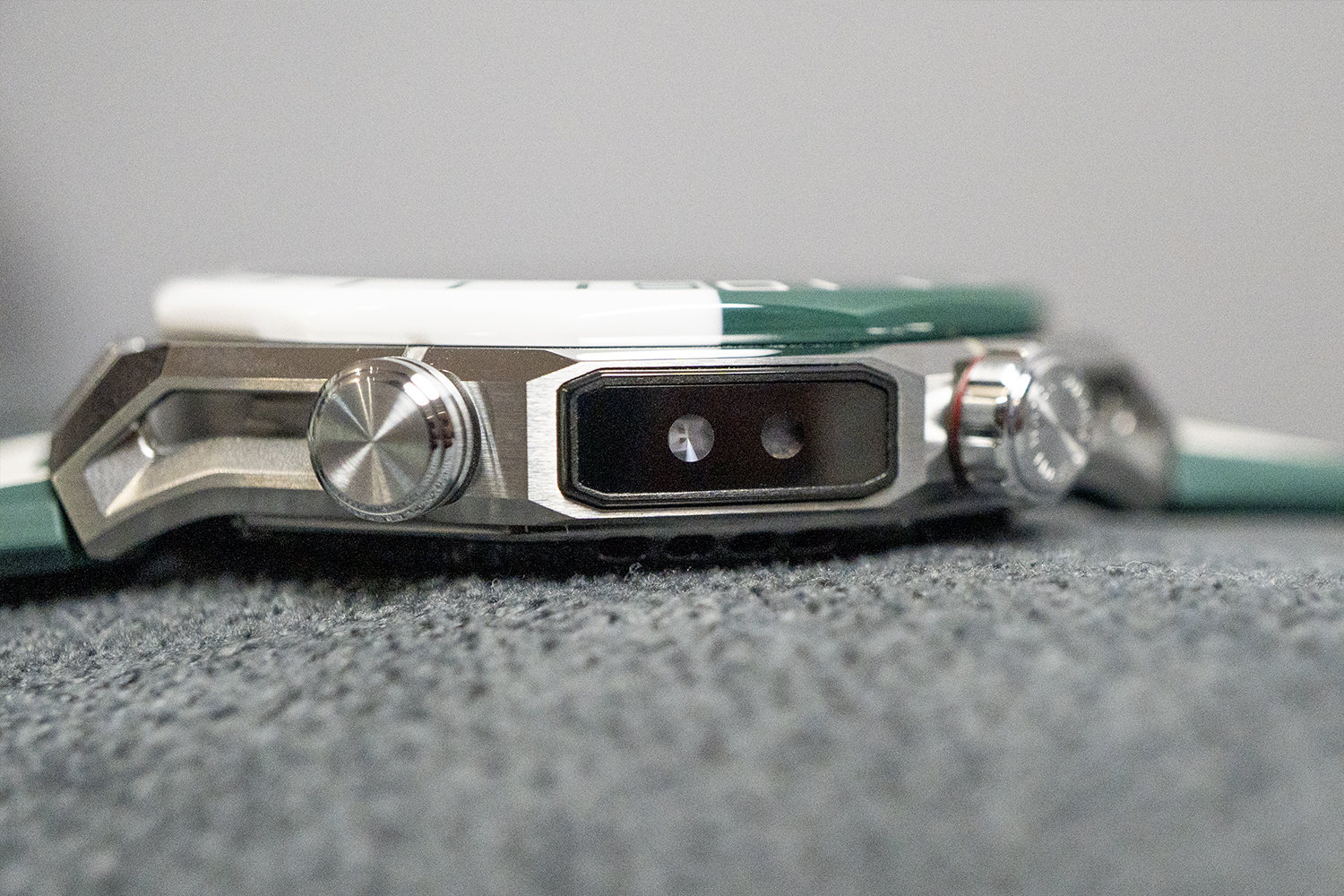
The sensor on the side panel allows for more accurate readings than the one on the back of the case.
I tried this feature on the Watch Ultimate 2, which I recently bought for myself, and honestly, the format itself is appealing. Instead of sequentially running five different measurements, you get the overall picture almost instantly. For those who want to monitor their health but aren’t ready to spend 15 minutes every morning on a measurement ritual, it’s a convenient solution.
HUAWEI has a similar idea in more affordable lineups — the Health Glance feature. Apple took a different route: the Vitals app shows nighttime readings on one screen in the morning, but measurements happen passively while you sleep. The approach is different, but the goal is the same: to provide a clear picture of your condition without extra effort.
Accuracy of Medical Sensors in Smart Watches. Should You Trust Them
The question asked most often — and rightly so. ECG in watches really works: Apple received FDA approval, Samsung and HUAWEI passed their own certifications, and clinical studies confirm the detection of atrial fibrillation. It’s not a replacement for Holter monitoring, but it’s suitable for screening.
With pulse oximetry, things are a bit more complicated. Optical sensors on the wrist give approximate values, and manufacturers themselves state that the function is intended “for general wellness.” If the watch consistently shows 95–99%, most likely everything is fine. If you see 88–90% and feel normal, most likely the sensor just isn’t fitting properly, but it’s worth giving it some thought.
Sleep monitoring has improved significantly. Phase breakdowns, apnea assessment, breathing analysis. Samsung, Apple, and HUAWEI provide quite adequate data, although polysomnography remains the gold standard. But as a tool