Everyone uses the word “smartphone,” but few people think about what it literally means. Smart — intelligent, phone — telephone. A smart phone. But what makes it smarter than a regular one? And where is the line between a phone and a smartphone? I broke down this question in detail: from the screen to the operating system. I also explained what distinguishes an expensive smartphone from a cheap one, because it logically follows from what a modern smartphone actually is.
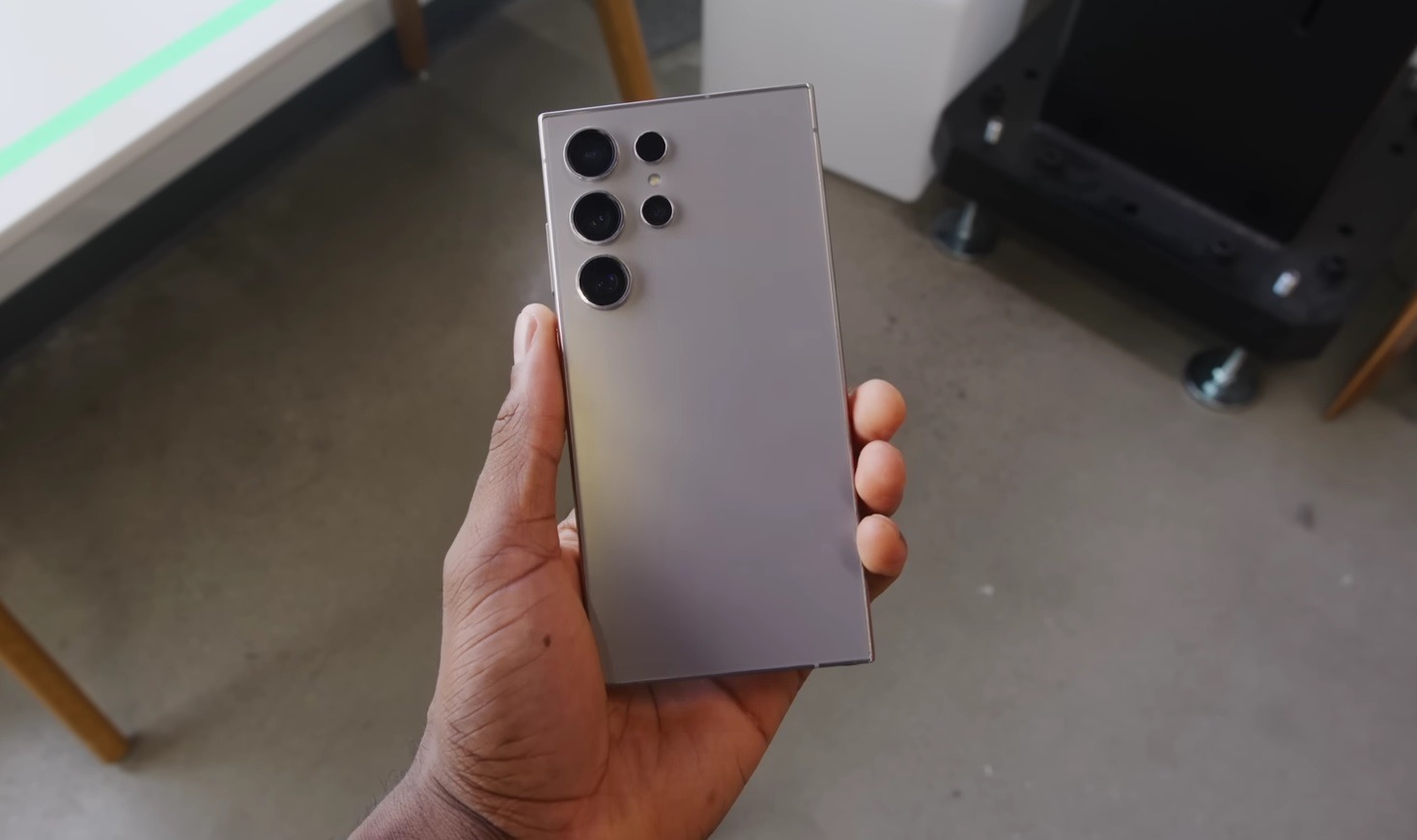
Understanding what a smartphone really is. Image: Marques Brownlee
How a Smartphone Differs from a Regular Phone
A regular button phone can make calls, send SMS, and sometimes take photos. That’s where its capabilities end. No apps, no internet in the full sense, and no way to extend its functionality.
An Android smartphone is an entirely different category of device. Essentially, it’s a pocket computer with calling capabilities. The difference is fundamental: a smartphone can be customized, you can install apps, connect to cloud services, control a smart home, shoot 4K video, and edit it right there. A regular phone can’t do any of that.
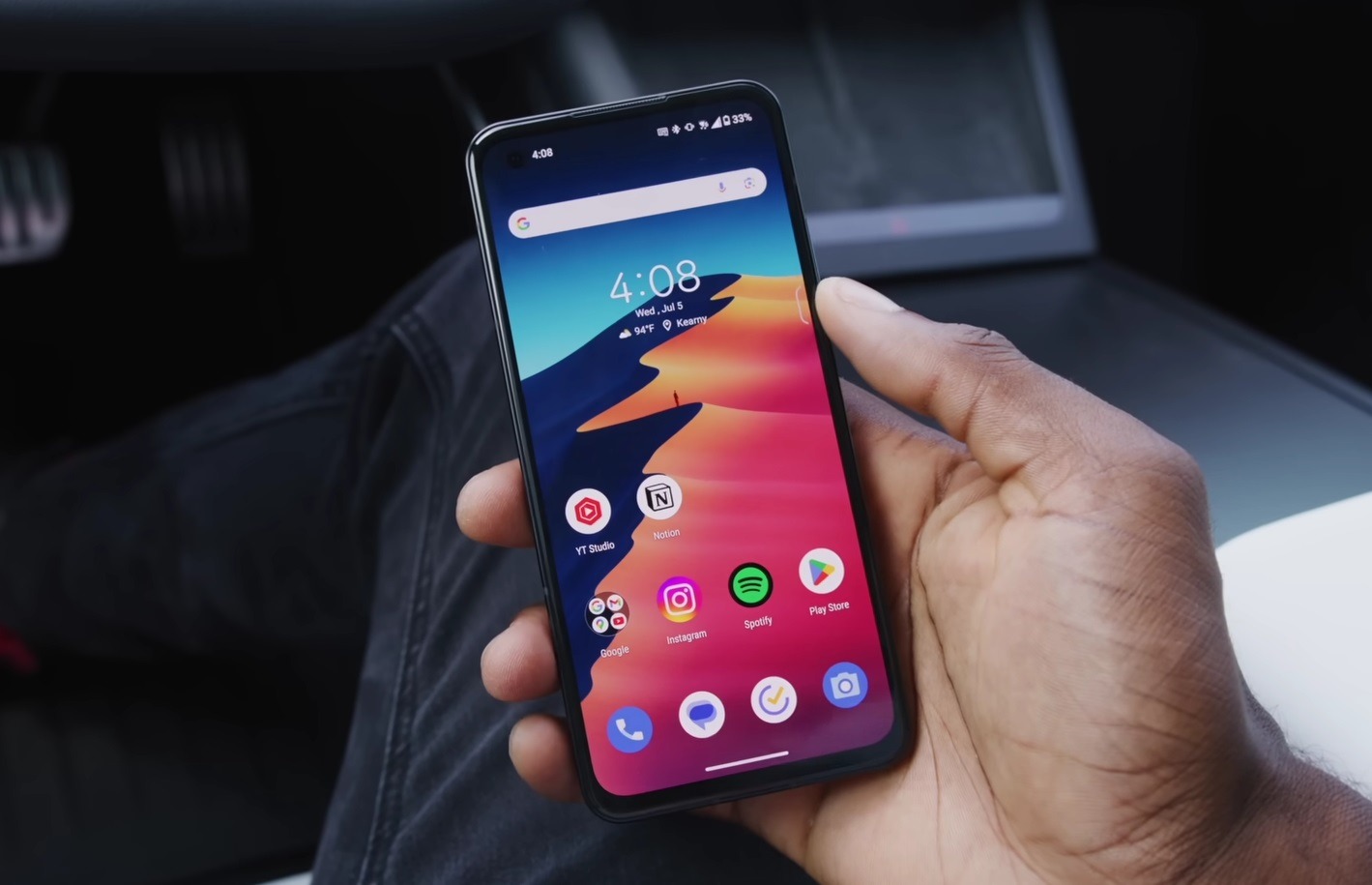
A smartphone has many apps. Image: Marques Brownlee
There’s a simple test: if you can install an app from a store on the device — it’s a smartphone. If not — it’s a phone. It’s the presence of a full-fledged operating system and an app store that draws a clear line between these two classes of devices.
What a Smartphone Must Have
A modern smartphone is a set of essential components, each of which affects how the device works in real life:
- Smartphone display. The first thing a user interacts with. The touchscreen replaced buttons and became the primary control interface. Size, resolution, panel type, and refresh rate determine how comfortable the device is to use.
- Smartphone camera. For many people, the main selection criterion. Modern smartphones carry three to four modules: main, ultra-wide, telephoto, and macro. Image quality is determined not by megapixels but by sensor size, lens aperture, and processing algorithms.
- Smartphone battery. It determines whether the device will last until evening. Modern batteries start at 4000 mAh, and most models come with 5000-6000 mAh with fast charging support.
In addition, every smartphone has connectivity modules: Wi-Fi, Bluetooth, NFC for contactless payments, and GPS for navigation. Without them, the device loses most of its functionality and turns into just a tablet without internet.
Processor and Memory in a Phone
The smartphone processor is the brain of the device. It’s responsible for app speed, photo processing quality, interface smoothness, and battery efficiency. The more modern and powerful the chip, the faster and longer the smartphone works.
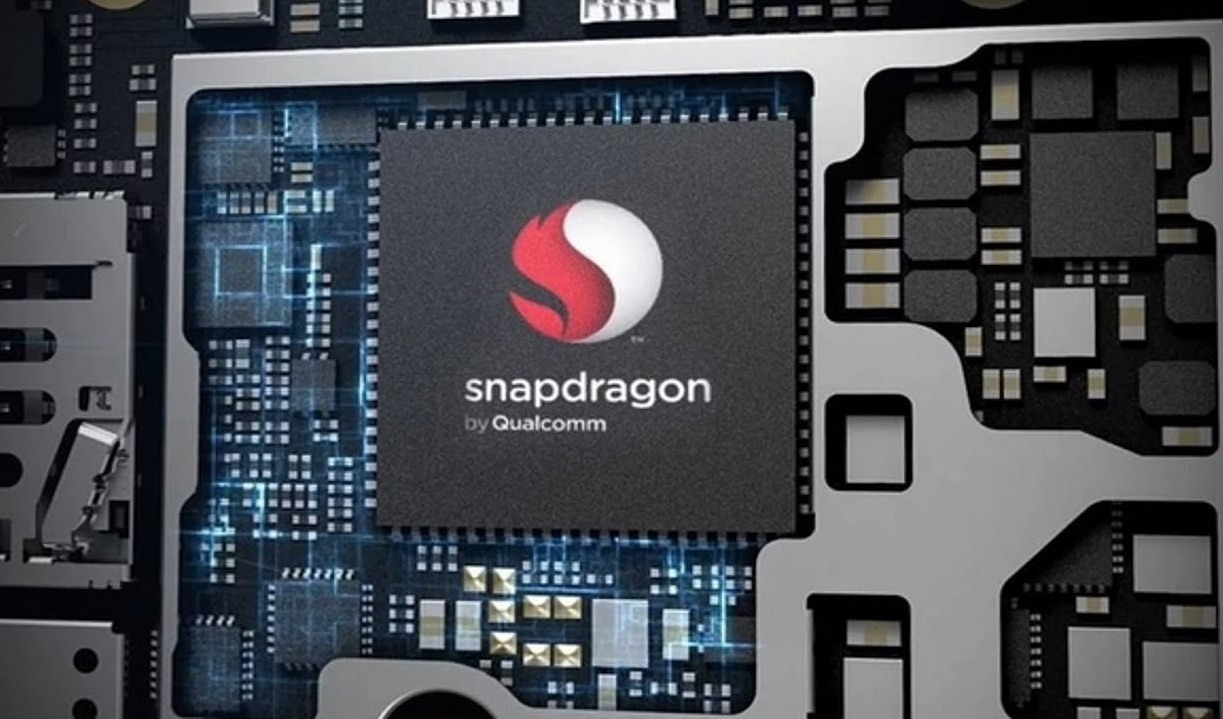
Without a powerful processor, a smartphone isn’t a smartphone. Image: Qualcomm
There are several processor manufacturers for Android smartphones. Qualcomm produces the Snapdragon series: typically top-tier chips for flagships. MediaTek produces Dimensity — popular in the mid-range and budget segments. Samsung uses its own Exynos chips in some of its devices.
RAM determines how many apps the smartphone can keep open simultaneously without reloading. In 2026, the minimum for comfortable use is 6 GB. Internal storage is where photos, videos, and apps are kept. The minimum reasonable threshold here is 128 GB. Smartphones with 32-64 GB are morally outdated today: with active camera use, storage runs out catastrophically fast.
What Android Gives a Smartphone
The operating system is what turns a set of hardware into a smart device. A smartphone without Android or another full-fledged OS becomes a piece of glass and metal with no ability to install apps. The system gives the smartphone several fundamental things. First, the Google Play app store with millions of programs for every occasion. Second, integration with Google services: email, maps, cloud storage, contact syncing. Third, regular security updates that protect the device from threats.
Without Android, a smartphone wouldn’t be a smartphone. Image: tech.yahoo.com
Manufacturers add their own skins on top of Android: MIUI and HyperOS from Xiaomi, One UI from Samsung, HiOS from TECNO. They change the interface appearance and add proprietary features, but the base remains the same. That’s why a user switching from one Android smartphone to another adapts quickly — the logic of operation is identical.
Which Smartphones Are Outdated in 2026
An old smartphone is a concept that’s not only physical but also software-related. A device may look fine but work poorly for several reasons.
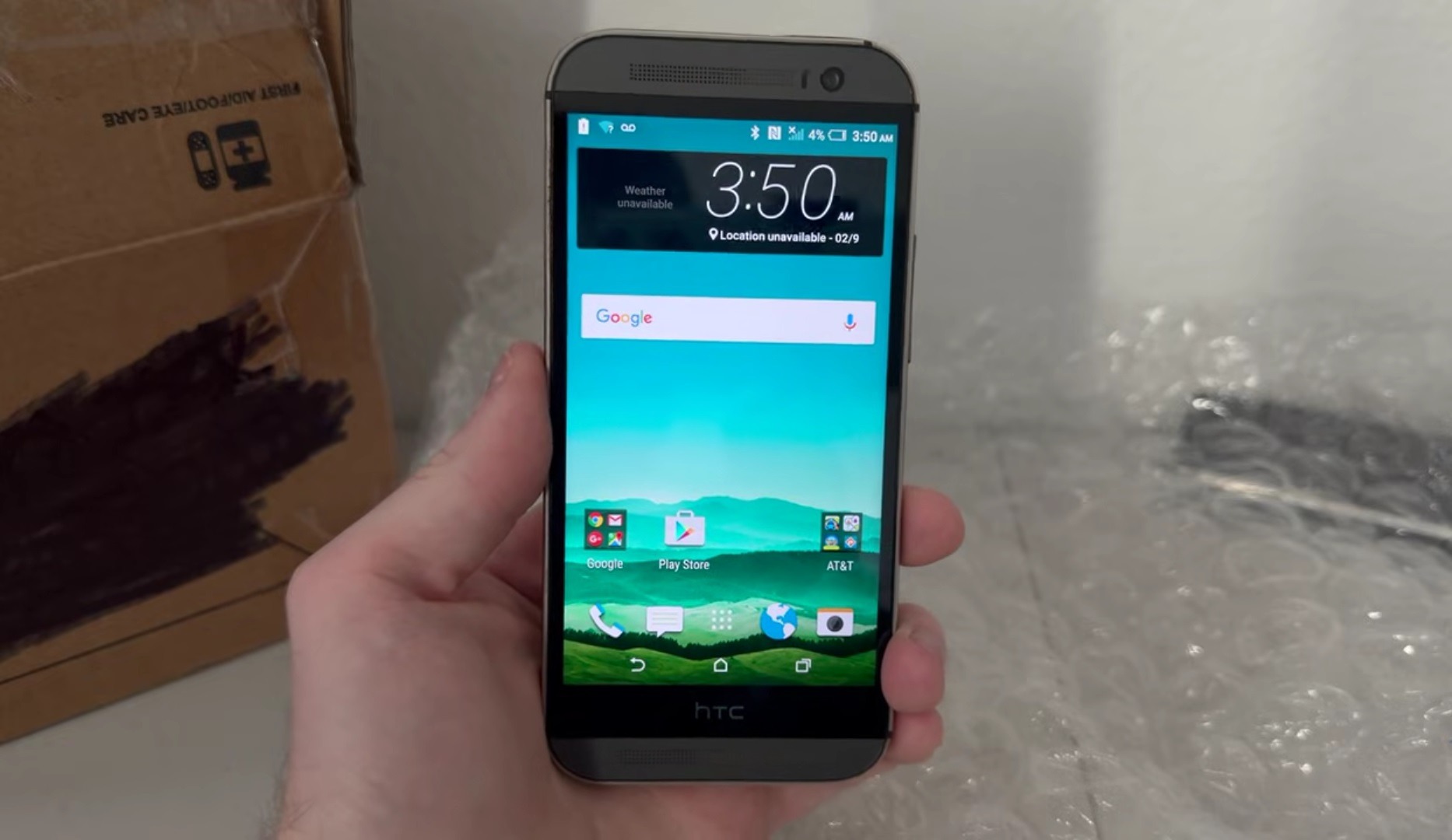
Using an old smartphone now is practically impossible. Image: CHANNEL RAMBLE
The first sign of obsolescence: lack of Android updates. If the manufacturer has stopped supporting the device, it no longer receives security patches or new features. You can still use such a smartphone, but the risks grow with each passing month.
The second sign: insufficient resources. Smartphones with 2-3 GB of RAM and processors from 2020 are noticeably sluggish in 2026. Modern apps have become more demanding, and old hardware struggles to keep up.