A charger is plugged into the outlet — the phone has been sitting on the table nearby for a while. Sound familiar? Many people leave the adapter plugged in for days without giving it a second thought. But some charging mistakes cost more than they seem at first glance — and we’re not just talking about the battery.
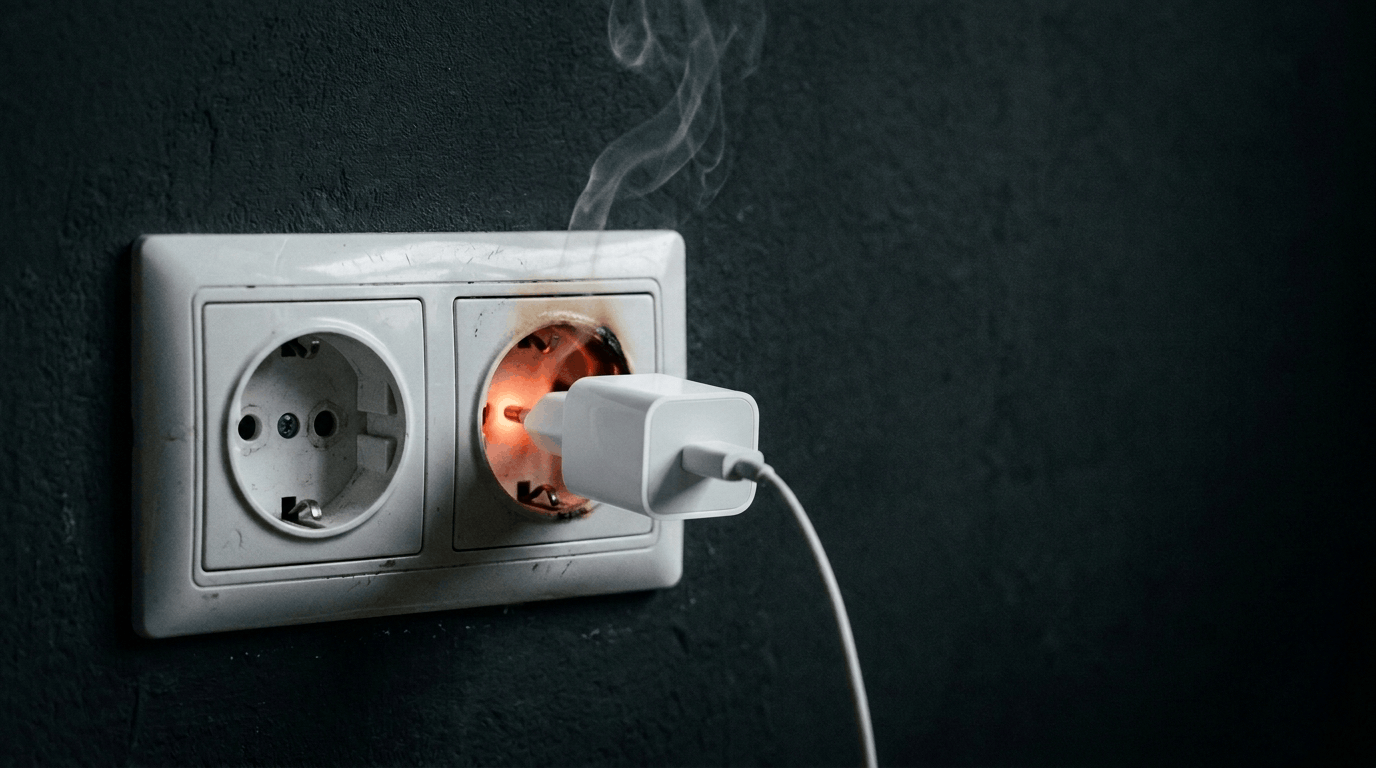
Can you leave a charger plugged in without a phone?
Every time you leave a charger plugged into an outlet, current continues to flow through it. A small amount, but constantly. For a good charger, this isn’t a problem. But for a cheap knockoff — that’s a completely different story. Let’s break down what actually happens and when it becomes dangerous.
What Happens to a Charger When It’s Plugged in Without a Phone
The first and main fact: even without a phone, current passes through the charging device. The adapter continues to draw electricity from the grid — even if it’s a small amount, it does so constantly. This is called “idle consumption” or standby power.
How much exactly? Modern quality chargers consume about 0.1–0.5 W in standby mode. That’s not much — over a year it adds up to roughly 1–4 kWh. Barely noticeable on the electricity bill, but if you have five to seven such adapters around the apartment, the number becomes more interesting.
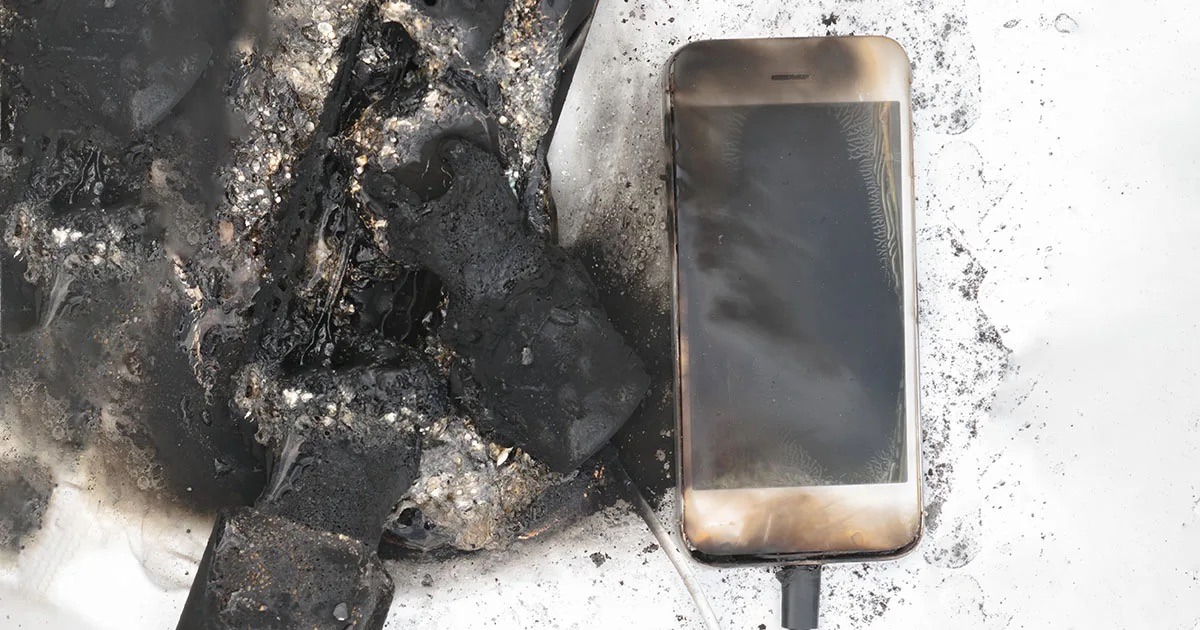
A charger and smartphone can sometimes be more dangerous than gas cylinders in cars. Image: fireguardservices.com
But what’s more important here: in low-quality or damaged chargers, the current passing through the circuit in standby mode causes heating of internal components. Not critical with good build quality — but quite noticeable with poor quality.
Is It Dangerous to Leave a Charger Plugged In: A Point-by-Point Breakdown
Cheap and counterfeit chargers without certification — are the main risk zone. They use simplified circuits without proper overheating protection. When constantly under voltage, contacts and the transformer can slowly degrade, which in the worst case leads to a short circuit and fire.
Original and certified phone chargers — are significantly safer. They are designed with a safety margin and are rated for prolonged operation. Nevertheless, even these are best unplugged from the outlet when you leave home for an extended period.
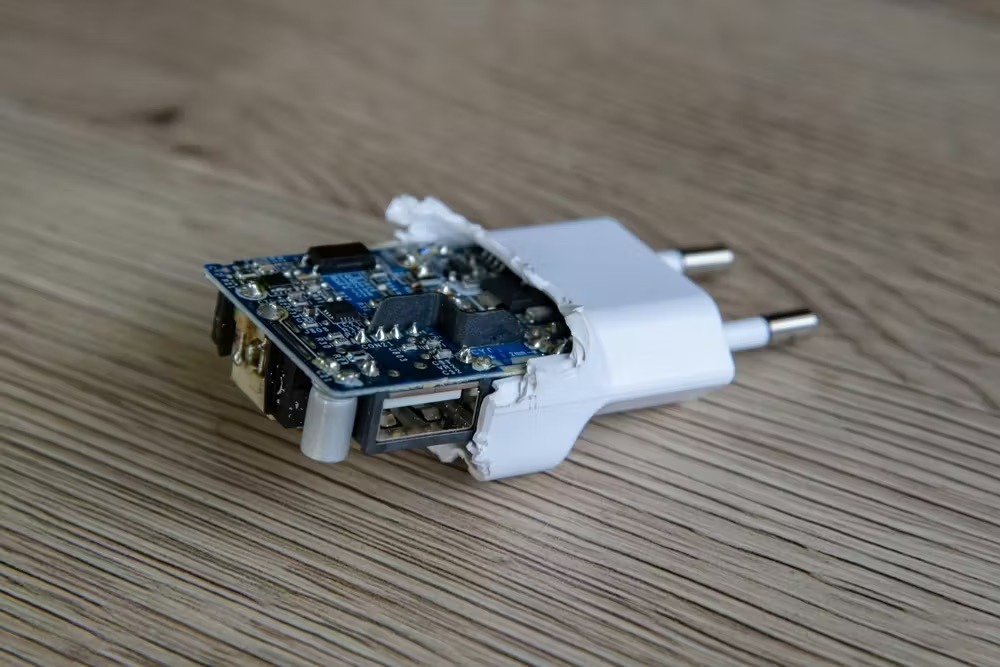
Quality adapters are literally packed with protections and various filters. Image: theconversation.com
A separate topic is built-in USB outlets that are mounted in the wall instead of a regular outlet. They are always under voltage by definition — that’s their design feature. However, such devices are originally designed specifically for permanent connection to the grid, so the reliability requirements for them are higher. And the price, by the way, is too — quality modules cost at least 4–5 thousand rubles.
Can a Charger Plugged Into an Outlet Cause a Fire
According to data from Russia’s Ministry of Emergency Situations, a significant portion of household fires are related to faulty or low-quality electronics. So fire safety of chargers is not paranoia, but quite concrete numbers.
The risk of fire is higher if:
- the charger was bought on a marketplace without documentation or certification
- the adapter’s casing is cracked or deformed
- the cable heats up significantly even during charging
- the charger is noticeably hot to the touch in standby mode
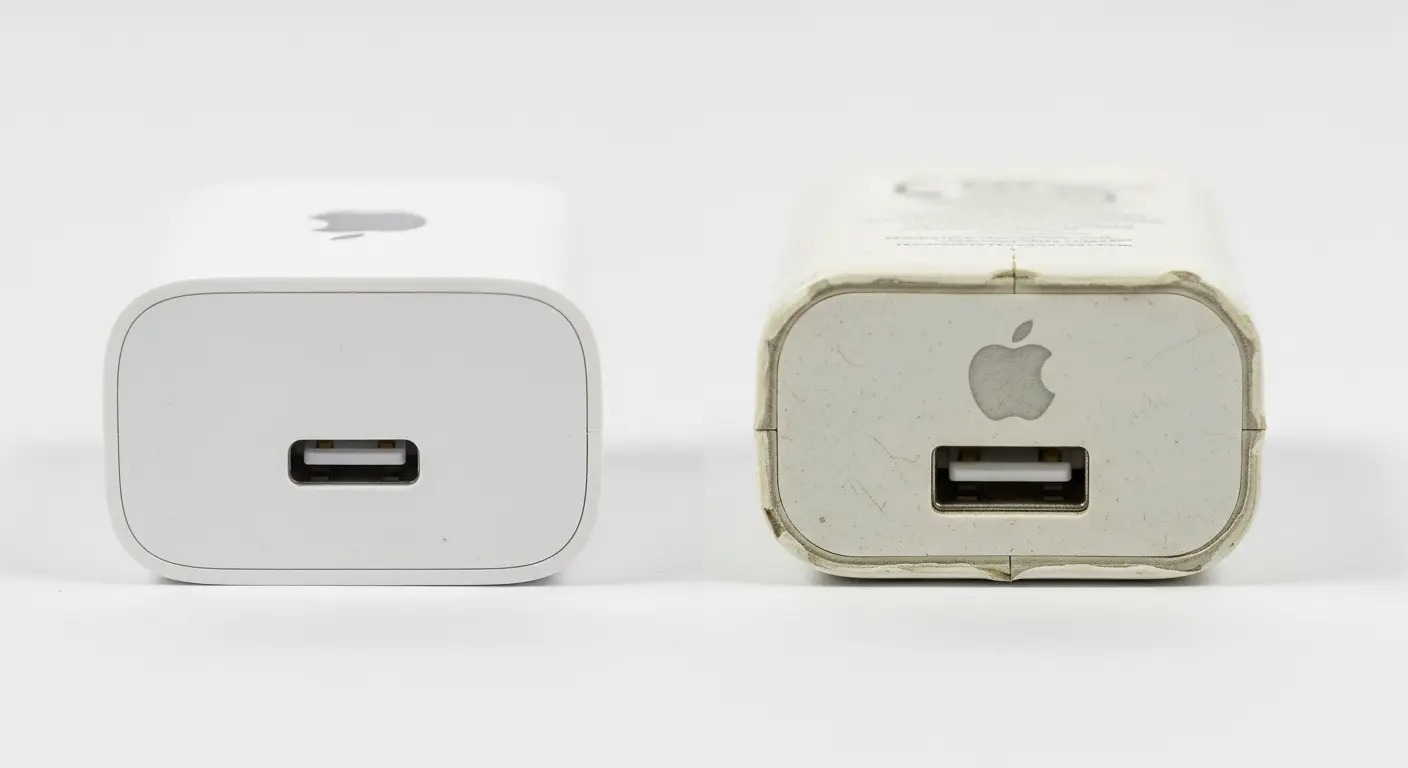
If your charger is “worn out,” it’s better to replace it. Image: ekrantamiri.com
If even one of these points applies to your charger — don’t use it. And definitely don’t leave it plugged in.
Does a Charger Use Electricity Without a Phone
Yes, it does. But not much. Here are rough calculations:
Modern quality charger (20–65 W): 0.1–0.3 W in standby mode → ~1–2 kWh per year → ~15–30 rubles.
Old block adapter (brick): up to 1–2 W in standby mode → ~9–18 kWh per year → ~130–270 rubles.
If 10 adapters of various ages are plugged in at the same time — the losses are quite noticeable. This is not a reason to panic, but it’s also not a reason to ignore such pointless expenses. And let’s not forget to factor in charger wear and tear. After all, if a charger is consuming something, it means it’s working — and therefore using up its lifespan.
How to Choose the Right Charger for Your Smartphone
A good charger isn’t necessarily the cheapest one. Here’s how to choose a charger for your smartphone properly:
- look for certifications (CE, FCC, RoHS)
- go with products from well-known brands (Anker, Baseus, Xiaomi, Samsung)
- check for overheating and overload protection
You can also tell a charger is quality by indirect signs: it doesn’t buzz, doesn’t spark when plugged in, and doesn’t heat up to uncomfortable temperatures even during fast smartphone charging. How to properly choose a charger for your phone so it charges fast and doesn’t ruin the battery is a separate big topic worth studying before buying your next adapter.
Master Switch in an Apartment: What Is It
One of the best ways to not worry about all of this is to install a master switch in your apartment. This is a device that with one click cuts power to all outlets (or a selected group) in the home.
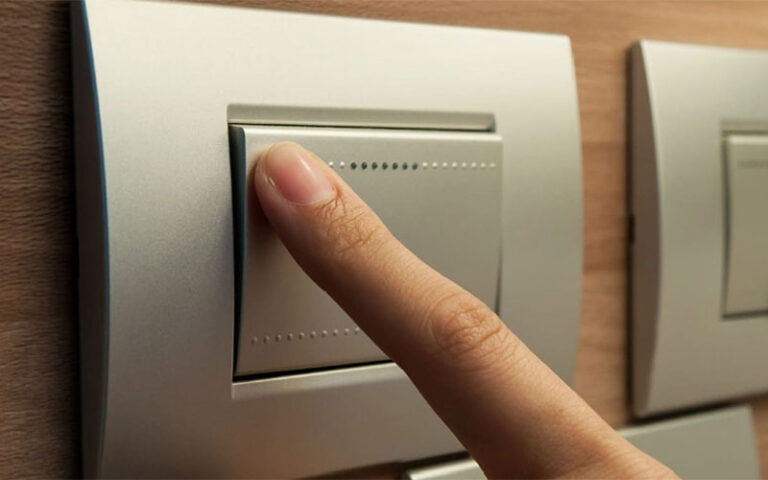
Flip the switch and live worry-free. Image: smart-ion.com
Especially useful when leaving: you head out — press the button, everything is off. No chargers under voltage, no accidentally left-on appliances. It’s not expensive and can be installed during any renovation — just discuss it with an electrician.
Can You Leave a Charger Plugged In: The Bottom Line
Short answer:
- A quality certified charger plugged in without a phone — not fatal, but unnecessary. It’s easy to unplug.
- A cheap charger without documentation or certifications — always unplug it, especially at night and when leaving home.
- Going away for a long time — disconnect everything. It’s a good habit that costs zero effort.
Check right now how many adapters you have plugged into outlets. Perhaps at least half of them should have been unplugged long ago.