Scammers have begun actively spreading the dangerous “Mammoth” virus through the Max messenger. The scheme is built on trust within closed chats — building resident groups, parent groups, and suburban community chats. Users receive alarming messages from acquaintances and carelessly install malicious files. So much for a safe messenger. Let’s break down how this scheme works and whether it’s dangerous for iPhone owners.
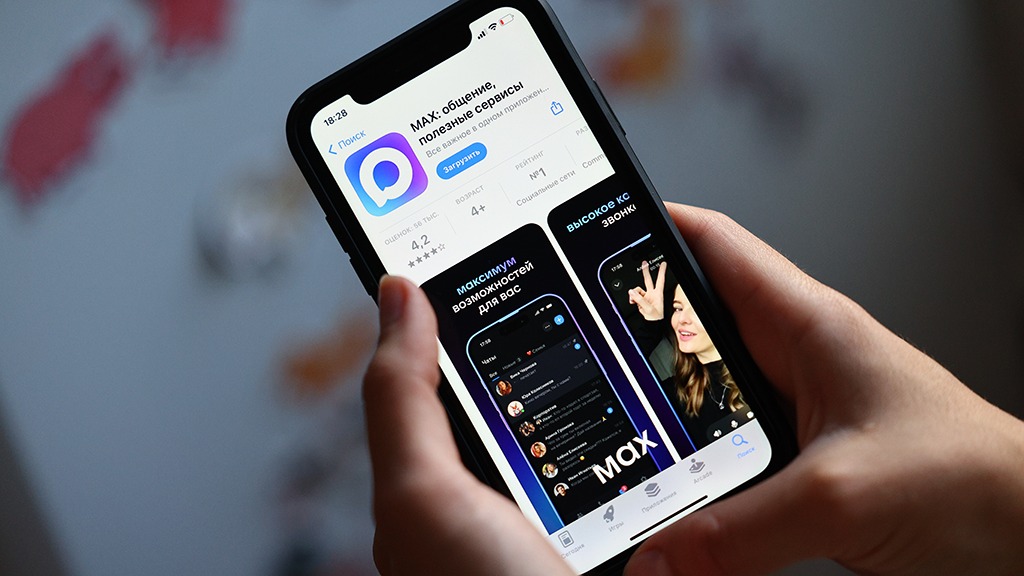
It turns out you can encounter malicious software in MAX too. Image: vedomosti.ru
Are There Viruses in Max Messenger
In recent weeks, cybersecurity specialists have been recording a surge in scammer activity in the Max messenger. Attackers are spreading a Trojan called “Mammoth”, which is capable of stealing money from bank accounts. They’re not targeting individual people but entire communities at once.
Building resident chats, parent groups, stairwell chats, gardening associations, and suburban village communities are all at risk. In such communities, people usually know each other and by default trust messages from neighbors or acquaintances. This trust is exactly what the entire scheme is built on.
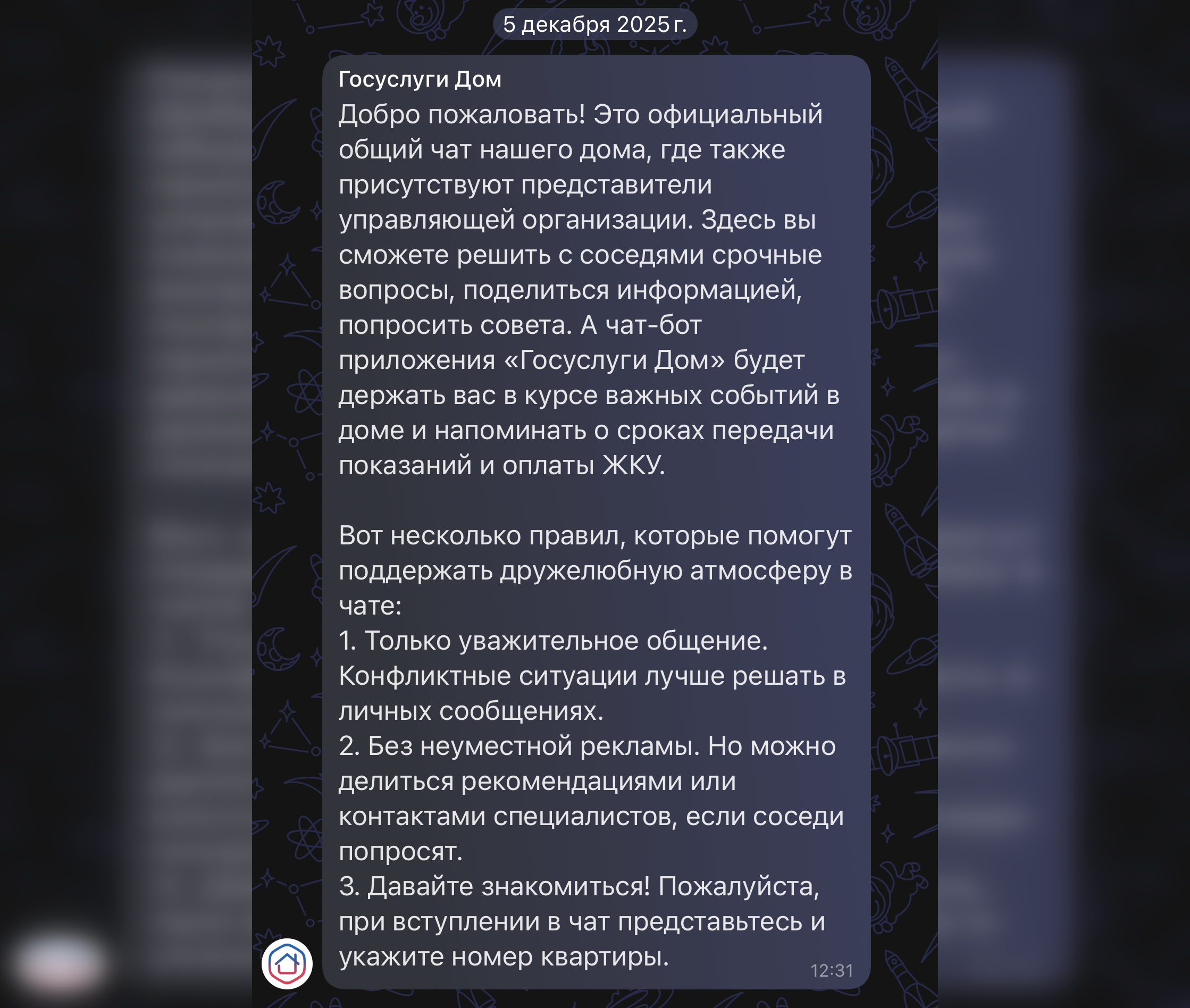
Building resident chats in MAX are becoming a source of problems
First, scammers hack the account of one of the chat participants. Then, an emotional message is posted on their behalf, designed to provoke a strong reaction. For example: “Our acquaintances were killed in a car accident the day before yesterday, look at the photos…”
A link is attached to the message. It leads either to a Telegram channel or to a page with supposed photographs. But instead of pictures, the user downloads a file that looks like an archive or an application.
In reality, it’s an APK file — an Android application installer. If the person opens it and installs the application, the “Mammoth” Trojan gets onto the device. After that, the malware gains access to SMS and push notifications and can intercept bank confirmation codes.
The virus itself has been known to security specialists since 2024. In 2025, the number of attacks using it has increased sharply, and the distribution schemes have become much more sophisticated. Previously, “Mammoth” was spread through fake apps and even through programs for watching YouTube without lag.
Representatives of the MAX messenger press service contacted us and commented on the “Mammoth” virus:
The information about virus distribution in MAX does not correspond to reality. Security Center specialists proactively identify and block malicious software. All user data is reliably protected.
Are Viruses Dangerous for iPhone
Despite the alarming reports about the new virus, iPhone owners should understand one important thing. The “Mammoth” Trojan is distributed exclusively in APK file format. These are application installation files for Android.
iOS simply cannot work with APK files. Even if such a file is downloaded to an iPhone, it’s impossible to install it on the device. The iOS security system fundamentally does not support the installation of such applications.
Installing APK on iPhone is impossible. Image: macobserver.com
Additionally, most applications on iPhone can only be installed through the App Store. Apple reviews programs before publication and restricts app access to system functions. Therefore, malicious programs are much less commonly distributed on iOS directly.
However, this doesn’t mean that iPhone users are completely protected from such attacks. The main danger here lies not in the virus itself but in the fraudulent schemes surrounding it. People may be deceived through phishing links or have their accounts stolen.
For example, a user might follow a link, leave their personal data, or subscribe to a malicious channel. There may also be attempts to extract confirmation codes or gain access to messenger accounts.
So the main takeaway is simple. The “Mammoth” Trojan cannot infect an iPhone, but an iOS user can still fall victim to scammers if they follow suspicious links.
How to Protect Yourself from Viruses and Scammers in Max on iPhone
The main rule of security in any messenger is to treat messages with caution, even if they come from people you know. If a person’s account is hacked, scammers can write on their behalf and send links to all chats.
You should be especially wary of emotional messages. Phrases like “look urgently,” “shocking video,” or “photos after the accident” are often used specifically to make people click on a link without thinking.
There are several simple signs of a fraudulent message. The link leads to an unknown website or channel, the file requires downloading an application, and the text itself tries to evoke a strong emotion — fear, shock, or curiosity.
If you use an iPhone and Max messenger, it’s best to follow several basic security rules. Never download files from suspicious messages, don’t follow strange links, and always double-check information.
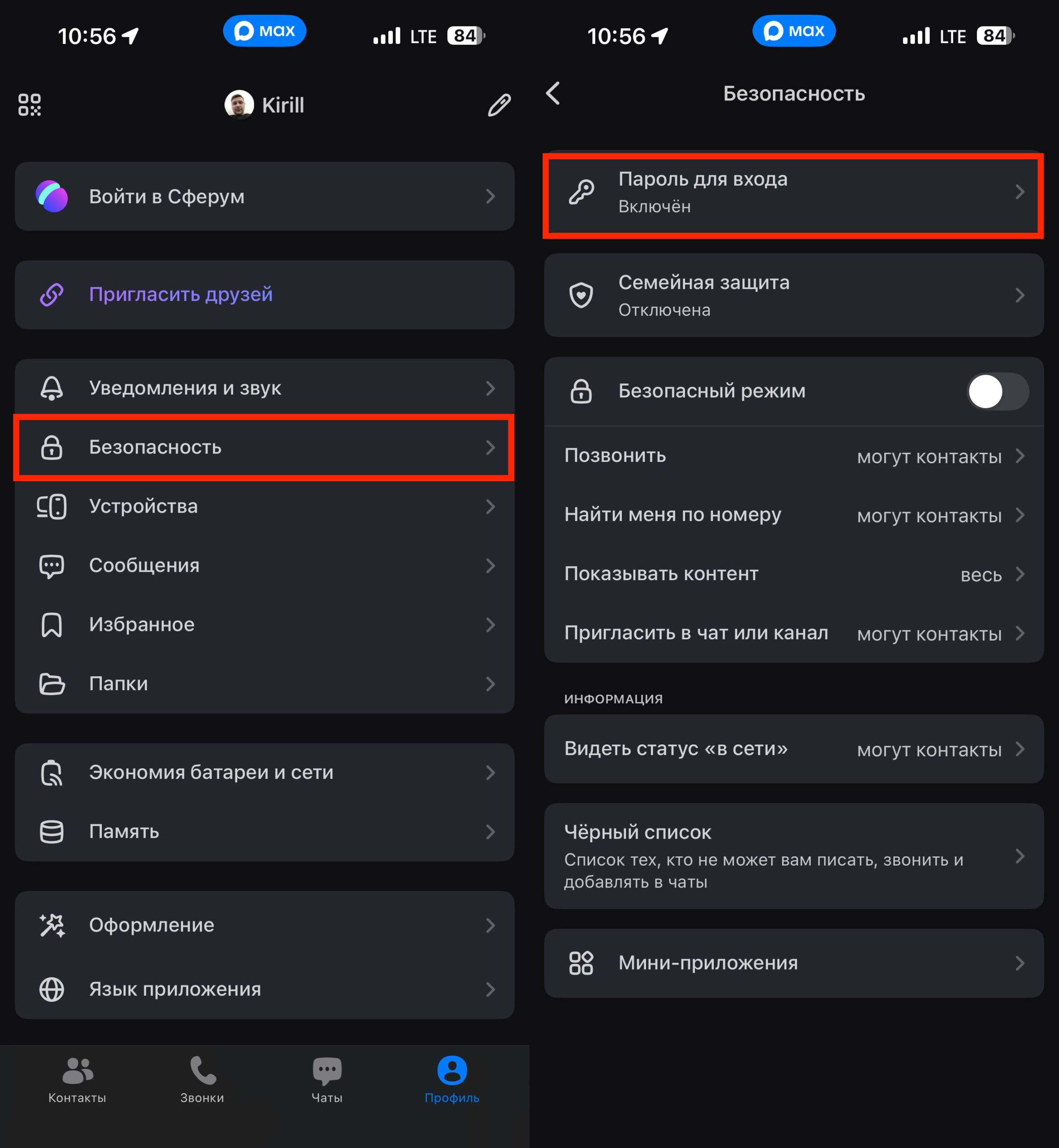
Make sure you have a login password enabled
You should also enable two-factor authentication in Max. This significantly complicates hacking and reduces the likelihood that scammers will be able to use your profile for further attacks.
Such schemes have long been used not only in Max but also in other messengers, including Telegram. Therefore, the universal security rule remains unchanged: any links and files in chats should be viewed critically, even if they come from people you know.