April hasn’t even started yet, and we’re facing one shock after another. First, they decided to cut off App Store payments from MTS and Beeline accounts — and it wasn’t Apple’s doing. And now the head of the Ministry of Digital Development, Maksut Shadaev, held meetings with telecom operators and digital platforms, asking them to take measures against the use of VPN and other tools for bypassing blocks. Operators were offered to introduce a fee for international traffic exceeding 15 GB per month on mobile networks, and internet services may be required to restrict access for users connecting through VPN. Let’s break down what this means for iPhone and Android smartphone owners in Russia.
Only 15 GB of traffic per month will be provided for free, the rest — for a fee. Image: macworld.com
Why You Need VPN on a Smartphone and Why the Ministry of Digital Development Took Interest
VPN is a technology that routes internet traffic through an encrypted tunnel, often via servers abroad. Many people in Russia use VPN on smartphones to access blocked websites and services. This is exactly what prompted the meetings: according to Forbes, on March 28, Maksut Shadaev first met with representatives of major telecom operators, and then with digital platforms and online retailers.
The essence of the request to operators is to make VPN usage less convenient and more expensive. It’s not about a complete block, but about financial pressure: if you use more than 15 GB of international traffic per month through a mobile network, an additional fee is proposed.
VPN Fee — Will It Be Introduced by May 1
For now, this is not a done deal, but a request from the Ministry of Digital Development. According to Forbes, the option should go into effect by May 1, 2026. However, MTS operator has already told RIA Novosti that it does not plan to introduce a fee for VPN usage and has no information about such initiatives. The positions of other major operators — Megafon, Beeline, Tele2 — had not been disclosed at the time of the source publication.
It’s important to understand: this is a request, not a law or regulation. Operators are formally not obligated to comply, although pressure from the relevant ministry is a serious argument. How quickly and in what form this measure will reach subscribers remains unclear.
15 GB of VPN Traffic — What Counts and Who Will Be Affected
If the measure takes effect, it will specifically concern mobile internet. The key threshold is 15 GB of international traffic per month. This means that restrictions could affect everyone who actively uses VPN on a smartphone over a cellular network. There are several nuances:
- It only concerns mobile networks — nothing was said about home wired internet in the source
- The 15 GB threshold applies specifically to international traffic, meaning data passing through foreign servers
- It’s unknown how operators will technically distinguish VPN traffic from regular international traffic — for example, from using foreign cloud services
For iPhone owners, this is especially relevant: iCloud, App Store, Apple Music, iOS updates — all of these are Apple servers located abroad. Whether such traffic will fall under the definition of “international” is a question the source doesn’t answer.
Fines for Using VPN in Russia — What Users Face
You’ll think twice about whether to turn on VPN on mobile internet. Image: mashable.com
In addition to measures for operators, the Ministry of Digital Development also addressed digital platforms. According to Forbes, internet services may be required to restrict access for users connecting through VPN. This potentially affects marketplaces, streaming services, social networks, and other Russian platforms.
If such a measure is implemented, users with VPN enabled may face restrictions not only at the operator level but also at the level of websites and apps themselves. Simply put, if you connect via VPN, a service may deny access or limit functionality.
It’s also worth noting: during the meeting, Maksut Shadaev did not rule out the possibility of introducing administrative liability for using tools to bypass blocks. However, the minister expressed hope that it wouldn’t come to that. For now, this is nothing more than a voiced possibility, not a specific legislative bill.
How to Use VPN Without Paying for Traffic
As of now, nothing has changed — no fee has been introduced, no restrictions are in effect. But if you actively use VPN on an iPhone or Android smartphone over a mobile network, it makes sense to pay attention to a few things:
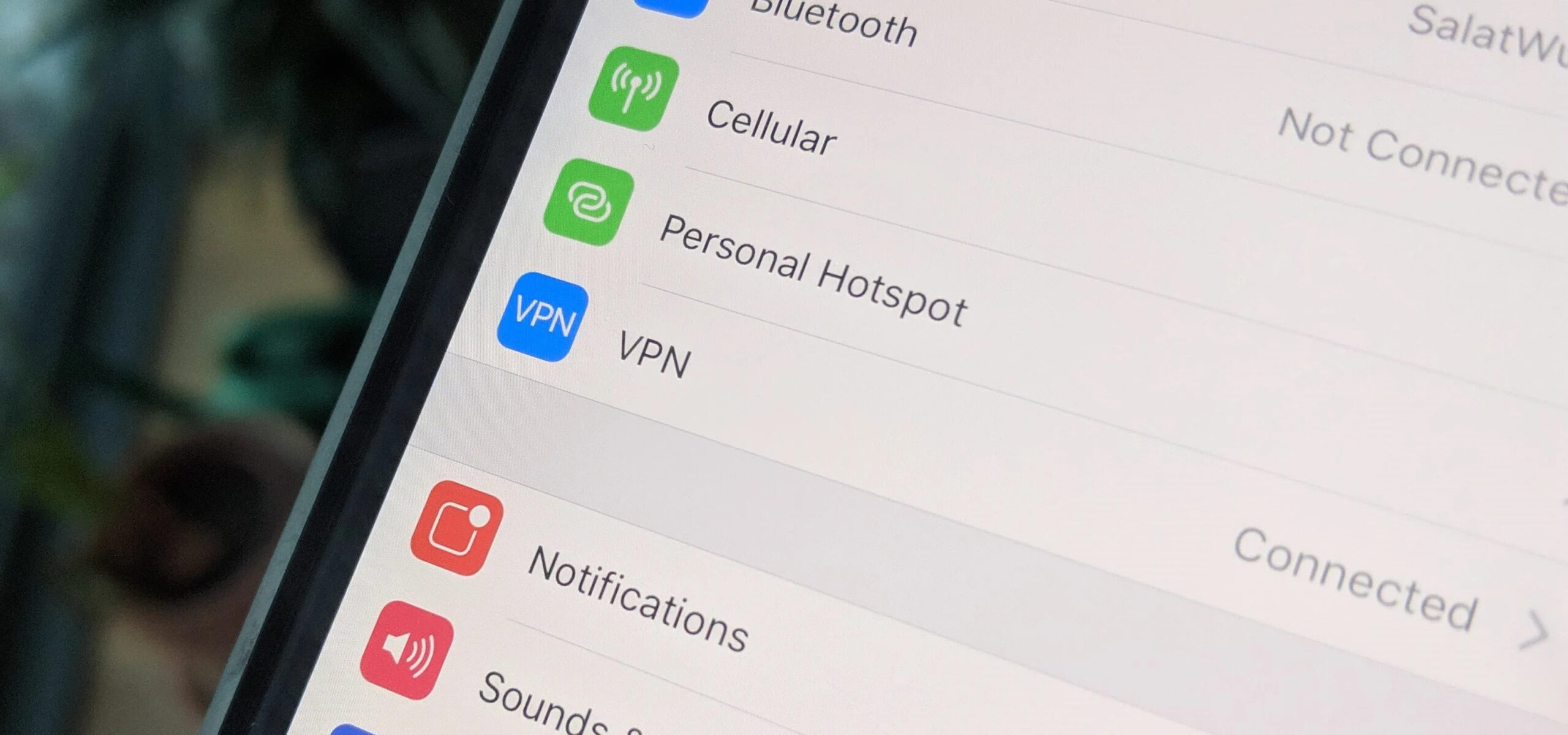
Start monitoring your traffic now. Image: ios.gadgethacks.com
- Check how much international traffic you use per month — you can see this in your operator’s app or in your smartphone settings
- If possible, use VPN over Wi-Fi rather than a cellular network — wired internet was not mentioned in the initiative
- Watch for updates from your operator — tariff conditions may change
The main thing to understand: as of today, this is an initiative from the Ministry of Digital Development voiced at closed meetings, not an adopted decision. MTS has already distanced itself from the idea. How other operators will behave and whether actual tariff changes will materialize by May 1 — only time will tell. But if you use VPN to access blocked services through mobile internet, it’s definitely worth keeping an eye on the situation.