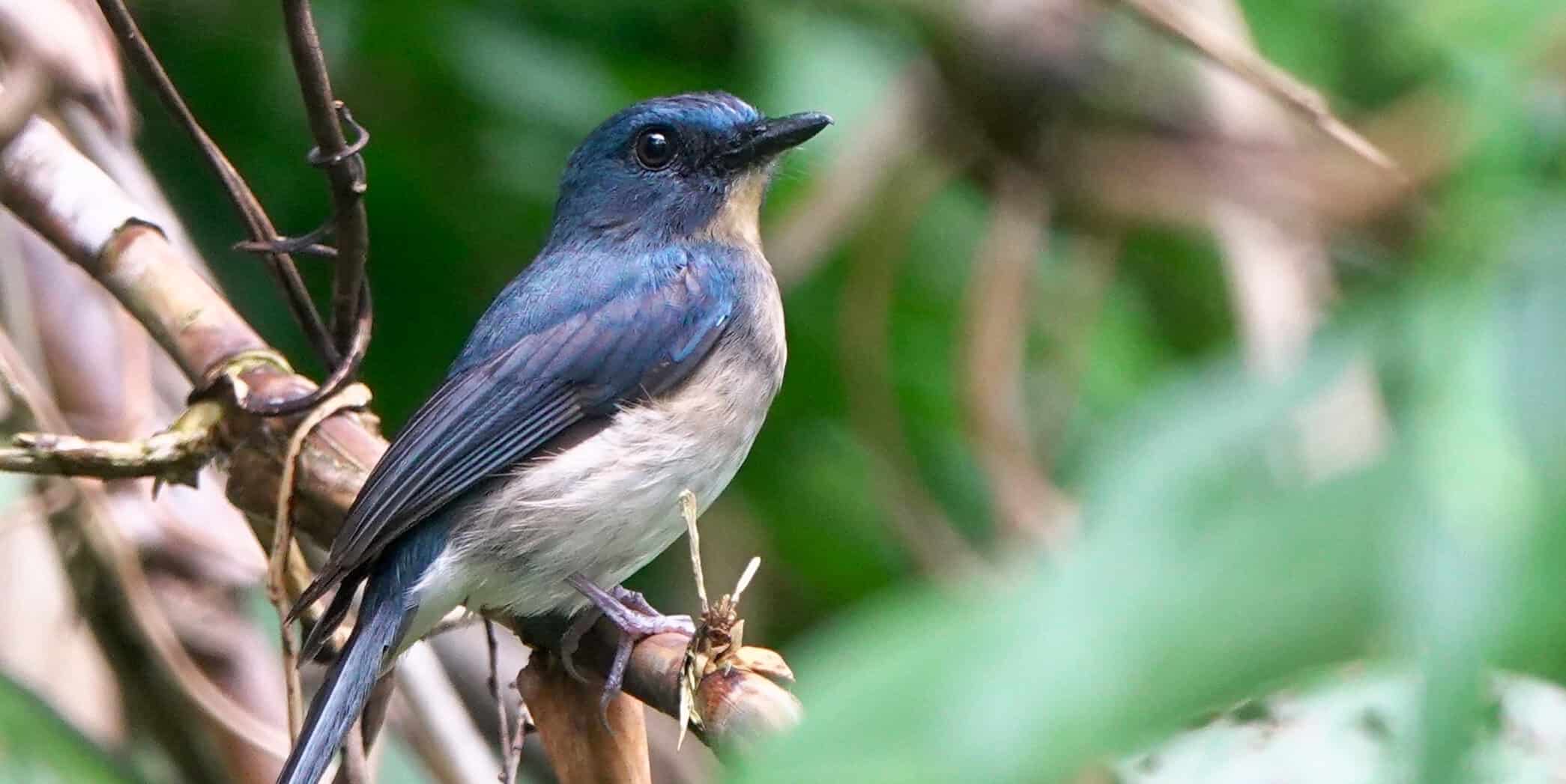
Rufous-breasted blue flycatcher. Photo taken in March 2025 on the island of Luzon; it was last seen in 2008.
Five bird species that had not been recorded in the wild for over a decade were rediscovered in 2025 — all on islands across Southeast Asia and Oceania. And in February 2026, a bird that had not been seen for 94 years was photographed. Against the backdrop of constant alarming news about species disappearing, these rediscoveries are a rare reason for cautious optimism even in an era of mass extinctions — they restore faith in the future.
The Lost Birds List: How Vanished Species Are Searched For
The Search for Lost Birds project is a global partnership of three conservation organizations: the American Bird Conservancy, Re:wild, and BirdLife International. It maintains a special registry: a list of “lost” species, meaning those that no one has photographed, recorded, or genetically detected for over ten years. In essence, it is a global most-wanted list of bird species.
It is important not to confuse this list with the Red List of the International Union for Conservation of Nature (IUCN). The Red List assesses species’ extinction risk based on large-scale periodic reviews. The “lost” list, on the other hand, works as an early warning system: it flags species that have shown no signs of life for a long time — even before major organizations have time to conduct a formal assessment.
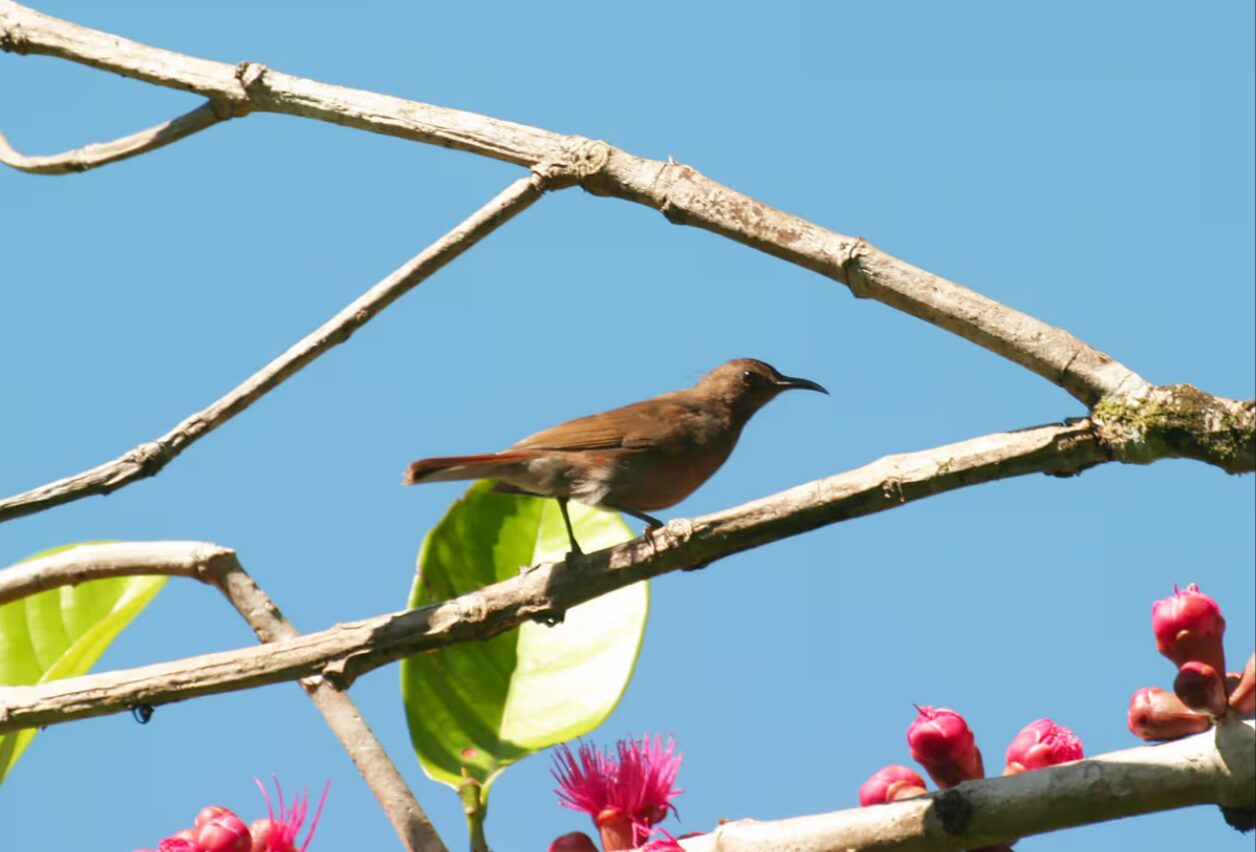
Biak myzomela: this species was found again and photographed in August 2025.
John Mittermeier, the project’s director, called this registry a tool that helps “fill gaps in conservation data” and prevents rare species from “slipping through the cracks” in the monitoring system. Every year, his team scans public platforms — eBird, iNaturalist, Xeno-Canto — searching for fresh observations of lost birds.
Which Vanished Birds Were Found in 2025: The List
All five rediscoveries of 2025 are island species from Southeast Asia and Oceania. Here is what was found:
- Bismarck Kingfisher (Ceyx websteri) — photographed by ornithologist from Papua New Guinea John Lamaris on the island of New Ireland in May 2025. It was last recorded in 2012, 13 years prior. Lamaris discovered the kingfisher at night, accidentally shining his flashlight on a branch by a river where an ordinary kingfisher had been perching.
- Biak Myzomela (Myzomela rubrobrunnea) — a honeyeater found only on the islands of Biak and Supiori in the Indonesian part of Papua. Ethan Skinner took the first photograph of this species in 20 years.
- Broad-billed Fairywren (Chenorhamphus grayi) — another species from Indonesian Papua. Birdwatcher Daniel Hoops and his guide Roike Mananta photographed the bird and recorded its song — for the first time in 11 years.
- Sulu Cicadabird (Coracina guillemardi) — Sharif Haddafi took the first photo in 18 years on the Sulu Archipelago, Philippines.
- Rufous-breasted Blue Flycatcher (Cyornis camarinensis) — birding guide Martin Kennewell photographed it in the tropical lowlands of Luzon Island, Philippines. The last observation was in 2008.
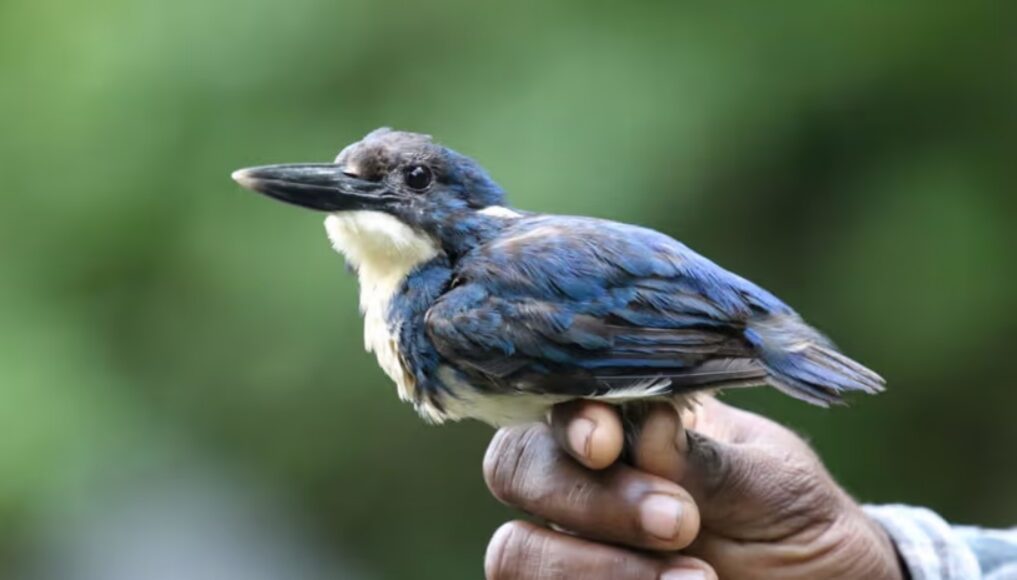
Male Bismarck Kingfisher. The species was considered vanished for 13 years until May 17, 2025.
What do all these discoveries have in common? They were made not only by professional scientists but also by enthusiastic birdwatchers — people passionate about observing birds. It is precisely this community of amateurs and professionals that helped reduce the “lost” birds list by approximately 25% in just five years.
Jerdon’s Courser: A Vanished Bird Found by Its Voice
In addition to the five officially rediscovered species, another event in 2025 generated particular excitement. Indian birdwatcher Harish Thangaraj recorded the nocturnal call of Jerdon’s Courser (Rhinoptilus bitorquatus) on August 24 — a nocturnal bird endemic to the scrublands of southern India.
This species is called a “ghost bird”: it was first described in 1848, then considered extinct for 86 years, rediscovered in 1986, and last captured on a camera trap in 2004. The recording made by Thangaraj is the first confirmation of the species’ presence outside its only known habitat in 125 years.
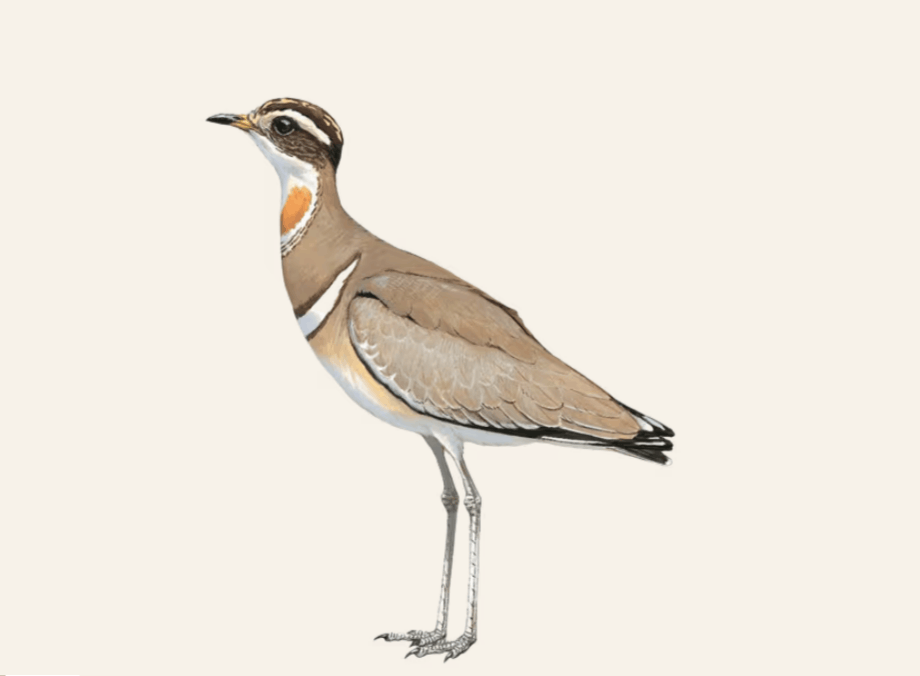
Jerdon’s Courser. The bird was believed to have gone extinct in the early 20th century until it was found in a reserve in southern India in 1986. The last photographic record was in 2004.
However, scientists cannot yet officially declare the species “found”: photographs and additional audio recordings are needed. The population of Jerdon’s Courser is estimated at only 50–249 individuals, and its main threats are overgrazing, quarrying, and agricultural expansion.
Which Bird Species Were Declared Extinct in 2025
Not all stories end well. In October 2025, the IUCN officially declared the Slender-billed Curlew extinct (Numenius tenuirostris) — a migratory waterbird that nested in Central Asia and wintered in Europe, North Africa, and the Middle East. The last reliable observation dates to February 1995 in Morocco.
This is the first officially confirmed global extinction of a formerly widespread bird species across mainland Europe, North Africa, and Western Asia. The disappearance was caused by a combination of factors that generally drive bird extinctions: hunting, draining of wetlands, and habitat degradation.
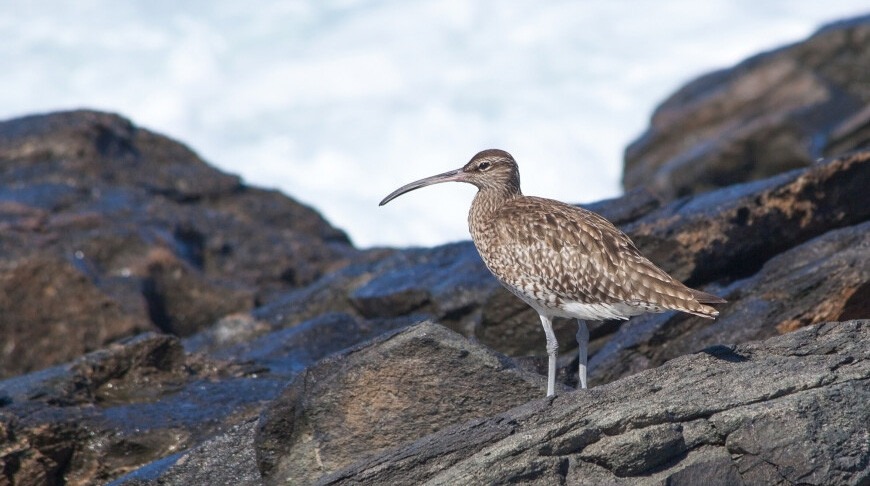
The Slender-billed Curlew has been declared completely extinct. Image source: belta.by
Also in 2025, changes occurred based on genetic analysis: the White-chested Tinkerbird from Zambia, known from a single specimen from 1964, was reclassified as a subspecies of the Yellow-rumped Tinkerbird. This is not an extinction, but a reminder of how little we know about some species.
The director of the Search for Lost Birds project emphasizes that knowing about a species’ extinction, however sad it may be, allows resources to be redirected: “we don’t spend effort searching for something that doesn’t exist.”
Newly Lost Bird Species: The 2026 List
In 2026, six new bird species were added to the lost list. None of them have been encountered by scientists for at least 10 years. Among them:
- Mindoro Bleeding-heart or Mindoro Ground Dove (Gallicolumba platenae) — from the Philippines, the last photo was taken by a poacher in 2005;
- Mindoro Imperial Pigeon (Ducula mindorensis) — also from Mindoro Island, not recorded since 2016;
- Guadalcanal Honeyeater (Guadalcanaria inexpectata) — endemic to the highlands of Guadalcanal, Solomon Islands;
- Minahasa Short-wing (Heinrichia simplex) — from the Minahasa Peninsula, Sulawesi; one of the few birds in the world that has never been photographed;