In honor of Apple’s 50th anniversary, the company’s senior vice president Eddy Cue gave a rare interview to the TBPN podcast, in which he talked about the key decisions that transformed Apple from a company on the brink of bankruptcy into the world’s most valuable corporation. Cue has worked at Apple for 38 years — longer than most of its products have existed — and was a direct participant in the events he discussed. Here are 3 more products that largely revolutionized the industry.

Eddy Cue gave an interview and talked about how Apple emerged from the crisis. Image: appleinsider.com
How iTunes Store Changed Apple
One of the most striking parts of the interview was the story about the launch of the iTunes Music Store in 2003. The idea of selling every song for 99 cents seemed suicidal: with each such transaction, the payment system’s commission consumed a significant portion of the amount, and the remainder went to the labels. Apple was losing money on every song sold.
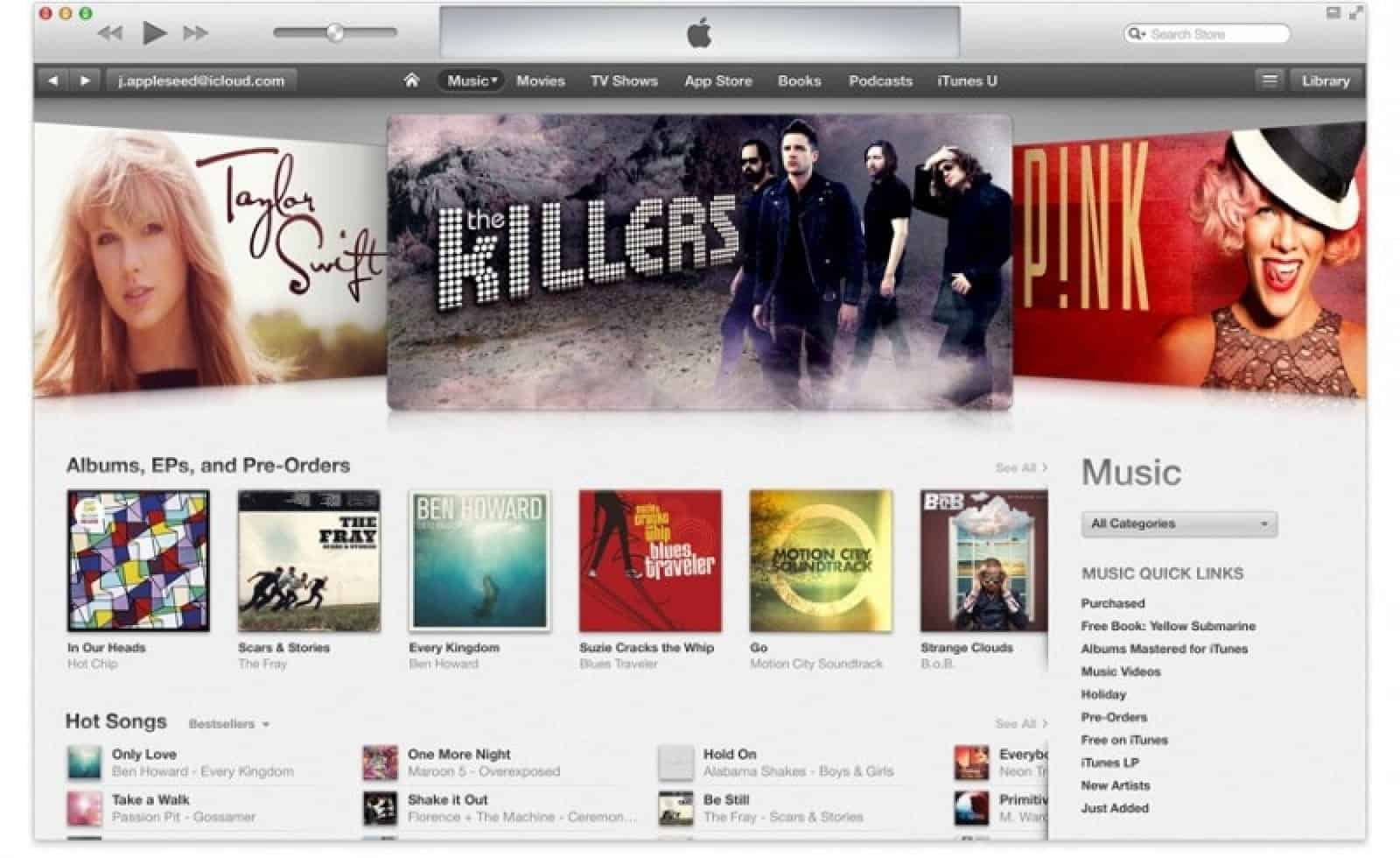
You used to be able to buy songs one at a time. This revolutionized the way music was distributed. Image: applespbevent.ru
Cue said that the labels initially refused Apple directly. The music industry tried to create its own services with different prices and complex rules, but they all failed due to inconvenience for the buyer.
Apple’s solution was elegant: instead of processing each purchase separately, the system combined several of a user’s purchases over a few hours into one transaction. This drastically reduced commission costs. According to Cue, the single price had two key advantages: the buyer didn’t hesitate — all songs cost the same, and Apple didn’t overpay for each individual transaction.
The result exceeded all expectations. iTunes Store sold a million songs in the first five days — while the music industry had expected a million in the first six months.
How Apple Online Store Saved the Company from Bankruptcy
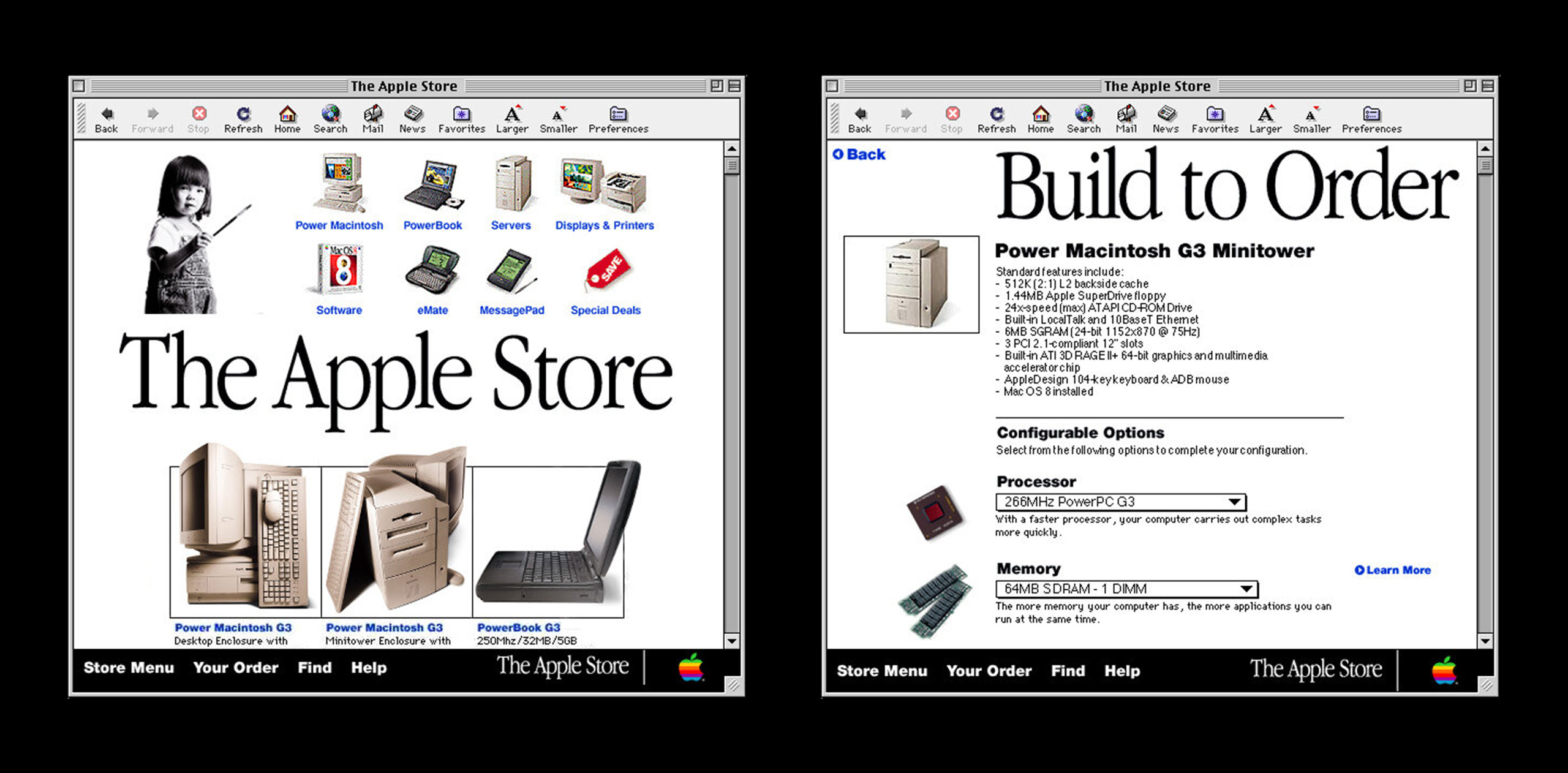
Apple started selling hardware directly and boosted sales. Image: 9to5mac.com
Even before iTunes, Cue was at the origin of another game-changing product — the Apple online store. In 1997, the company was on the brink of bankruptcy. Macs could only be purchased through third-party retailers like CompUSA, where salespeople often didn’t understand Apple products and actively steered buyers toward Windows computers.
Launching direct online sales meant a conflict with these partners, but Jobs and Cue deliberately took the risk. They implemented the “Good, Better, Best” model — a simple and clear lineup where the buyer sees three options and easily chooses the right one. This approach later became Apple’s signature technique and still works today: just visit the website and look at the iPhone, MacBook, or iPad lineups.

The first iMac — a symbol of Apple’s revival in the late 1990s
The online store opened on November 10, 1997, alongside the first Power Macintosh G3, and later — together with the legendary iMac Bondi Blue — brought in a million dollars in revenue on the first day. In the first month, online sales exceeded 12 million dollars. For a company that was predicted to shut down, this was a real breakthrough.
Why Apple Transitioned from iTunes to Apple Music
Cue explained why the transition to the subscription model (Apple Music, Apple TV+, and other services) became possible not just because of the content alone, but because of a change in the very infrastructure of the internet.

Apple Music became the next push for the industry after iTunes. Image: theverge.com
When the internet was slow and charged by volume, users were forced to download music and store it on their devices. With the arrival of fast, always-on connections, the need to “own” files disappeared — and Apple restructured its business model in time, shifting from selling tracks to unlimited access via subscription.
For the average user, this is important context: Apple’s services are not just a marketing idea but a consequence of a technological shift. And that’s precisely why the subscription model isn’t going anywhere in the coming years — quite the opposite, it will expand.
What Steve Jobs and Tim Cook Have in Common
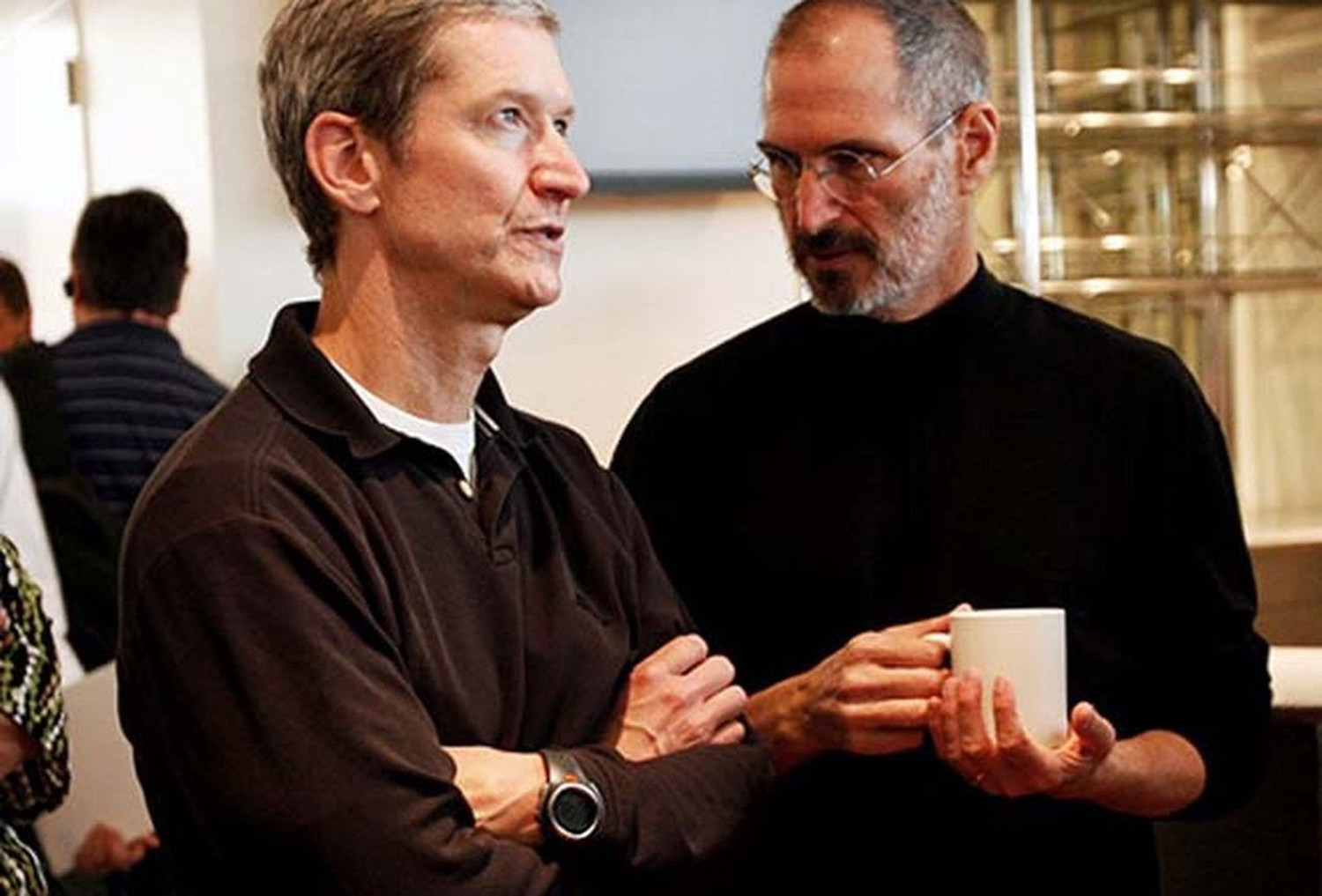
The two Apple leaders had a lot in common. Image: gazeta.ru
Journalists love to contrast Jobs and Cook: visionary versus executive, creator versus manager. But Cue, who worked with both for decades, believes the main question isn’t how they differ, but what they have in common. According to him, both shared three qualities:
- They worked harder than everyone around them — Cue says he doesn’t know anyone who worked more diligently.
- They were completely focused on only two things — Apple and family.
- They always put product quality above financial metrics.
The last point is particularly interesting. According to Cue, neither Jobs nor Cook put profit first — and it was precisely this that paradoxically led to Apple becoming the world’s most valuable company. A product-first approach instead of a financial one — a formula that’s easy to say but extremely hard to follow for years.
What Apple Is Doing for Apple TV+ and Vision Pro
The final part of the interview was dedicated to Apple’s new directions — sports content and immersive technologies. Cue talked about several projects: