Scientists say listening to pink noise for sleep is a bad idea
Have you ever lain in bed, stared at the ceiling, and felt anger boiling inside over insomnia? This happens to me regularly. In such moments, we’re ready to grasp at any straw to fall asleep: pills, breathing exercises, earplugs. But there’s one trendy method that many consider a panacea — pink noise. However, scientists believe this sleep hack could actually harm you.
Why People Love Listening to Pink Noise
You’ve probably heard of white noise — that even hissing sound like TV static, which mixes all frequencies together. There’s also brown, or red noise, similar to the roar of a waterfall or rumble of thunder.
But pink noise sounds gentler: it resembles the rustle of leaves or the monotonous patter of rain on a roof. That’s exactly why millions of people have fallen in love with it, turning to music streaming services or special apps to help them fall asleep faster.
How Pink Noise Affects Sleep
But the journal Sleep published a study that turns everything upside down.
Scientists decided to test how well this magic actually works. They gathered 25 healthy volunteers who had never complained about sleep problems and had never used noise for sleep before.
For a whole week, people stayed overnight in the laboratory under device monitoring. Some were played airplane sounds, others listened to pink noise, a third group heard both at once. And some slept in perfect silence. Each morning, everyone underwent attention tests and reported on how they felt.
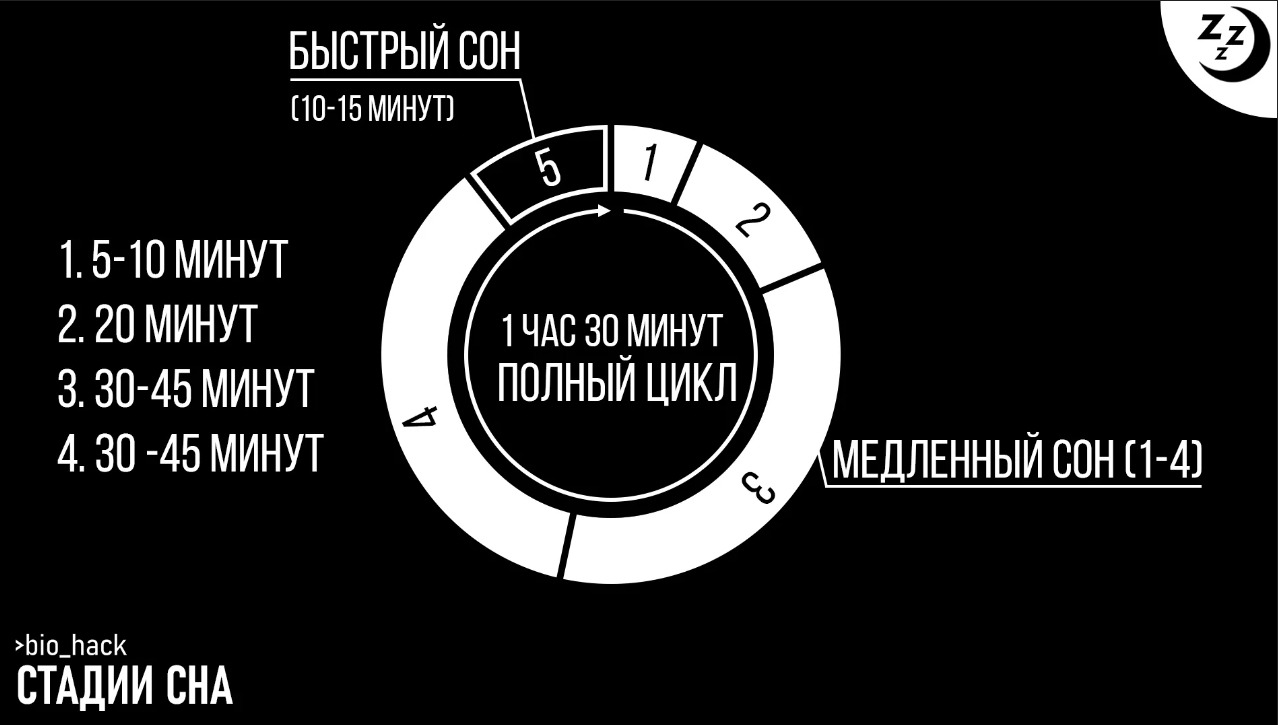
Human sleep phases. Image source: wikimedia.org
It turned out that pink noise is far from a harmless helper. Those who listened to it at night experienced an almost 19-minute reduction in REM sleep. This is the very stage when we dream, and our brain sorts through emotions, clears memory, and supports development.
The worst experience belonged to the group tormented by airplane sounds mixed with pink noise: they suffered not only in REM sleep but also in deep sleep. People woke up more often and felt exhausted in the morning, as if they hadn’t slept at all. Interestingly, ordinary earplugs saved the situation much better.
Pink Noise for Children Could Be Harmful
So is it worth risking your sleep and paying for this dubious pleasure? The study authors sound the alarm: special caution is needed with children. In young children, REM sleep takes up much more time than in adults, and any interference could result in problems with emotions or brain development.
Parents often play pink noise in children’s rooms to calm infants, but scientists urge restraint. There’s still too little data to consider this method safe. So next time your hand reaches for your smartphone with a “rain sounds for sleep” playlist, remember: silence sometimes speaks louder than any noise.