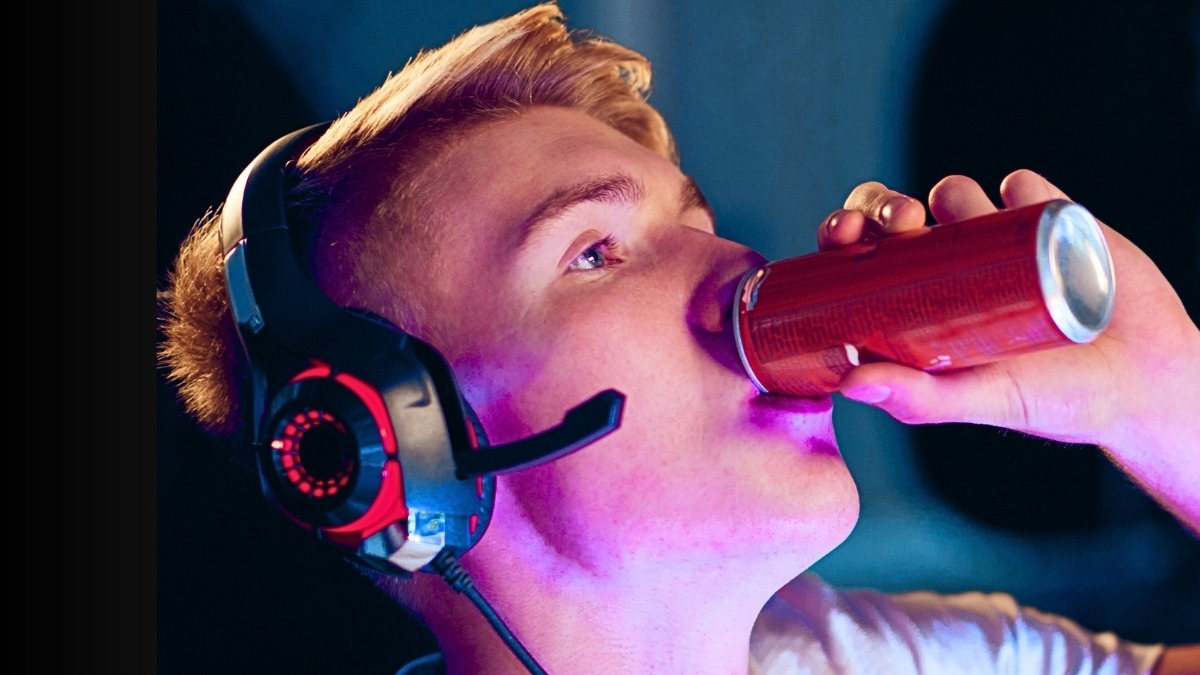
The paraxanthine molecule temporarily blocks fatigue receptors, tricking our brain. Image source: sciencealert.com
Beverage manufacturers are actively searching for a replacement for traditional caffeine, and now a new favorite has appeared on the energy drink and sports nutrition market — paraxanthine. Companies claim that this substance provides smooth, “clean energy” without side effects like anxiety, hand tremors, and a sharp energy crash in the evening. But the most interesting thing about this trend is that paraxanthine is not at all foreign to our bodies.
How Paraxanthine Works and Why It Energizes
To understand what paraxanthine is, you need to look at how our body digests regular coffee. When you drink your morning cappuccino, the liver begins breaking down caffeine. The main product of this breakdown is precisely paraxanthine. Manufacturers asked a logical question: why force the body to process caffeine with all its side effects when you can directly provide it with the ready-made “active substance”?
The mechanism of action of paraxanthine is practically identical to caffeine. In our brain, there are special receptors that detect adenosine — a molecule that accumulates throughout the day and signals fatigue. The more adenosine there is, the sleepier we feel. Paraxanthine works as a molecular plug: it occupies the space in these receptors, preventing the brain from realizing that the body is tired.
According to preliminary data, when entering the body in its pure form, this substance triggers several beneficial processes at once:
- Effectively blocks sleepiness signals, restoring a feeling of freshness.
- Noticeably improves concentration during monotonous work.
- Enhances short-term memory and reaction speed.
This is the main idea behind the new trend: since paraxanthine is responsible for most of caffeine’s stimulating effects, its direct consumption may provide that same alertness but with fewer unwanted consequences.
What Scientists Say About Replacing Caffeine
Marketers often use terms like “clean” or “smooth” energy when advertising drinks with paraxanthine. It’s important to understand that such terms don’t exist in science. Some people do subjectively note that the new stimulant doesn’t deliver a sharp “hit” to the nervous system, but there is still little real evidence to support this.
To date, science relies on small studies. They show that a 200-milligram capsule of paraxanthine can maintain improved attention and memory for up to six hours. Moreover, one recent study showed that after intense physical exercise, paraxanthine handles the recovery of cognitive functions even better than classic caffeine.
However, large-scale independent studies that directly compare paraxanthine and caffeine in large groups of people do not yet exist. Scientists have studied the effects of caffeine for decades: we know how it works across different populations, at different doses, and with different medical conditions. The evidence base for paraxanthine is still in its early stages.
How Safe Are the New Energy Drinks
The question of safety is the main concern for regulatory authorities right now. In laboratory conditions on animals, paraxanthine has shown good results: it does not damage DNA and appears safe within standard toxicological tests. In Europe, this substance is currently undergoing strict evaluation under “novel food” status.

Before buying new stimulants, it’s worth carefully studying the dosage on the label
Short-term human trials showed that a dose of up to 200 milligrams per day over a week is tolerated excellently. The problem is that many modern drinks with paraxanthine contain 200 to 300 milligrams of the active substance per serving. This is equivalent to very strong coffee or a powerful energy drink.
Since people tend to drink energy drinks every day, scientists still need to determine how regular consumption of high doses of pure paraxanthine affects heart rhythm, sleep quality, and metabolism in the long term. Due to the lack of such data, regulators strongly advise against consumption by children and pregnant women.
At this point, the most sensible approach is to treat paraxanthine like regular caffeine. If you decide to try the new stimulant, start with a minimal dose, don’t drink it in the second half of the day, and don’t mix it with other stimulating beverages. Marketers’ promises of a perfect product with no side effects clearly outpace the actual scientific data for now, so healthy sleep and proper rest still remain the best and safest sources of energy.