Google has had one of the most impressive design journeys in smartphone history. Each generation from Pixel 6 to Pixel 9 brought a radical or near-radical refresh in appearance. Pixel phones are recognizable at first glance: vibrant colors, the signature camera bar, stylish materials. But visual appeal is only half the story. But when you pick up the Pixel 10 after using an iPhone or Samsung Galaxy, you immediately feel the difference. And that difference is not in Google’s favor.
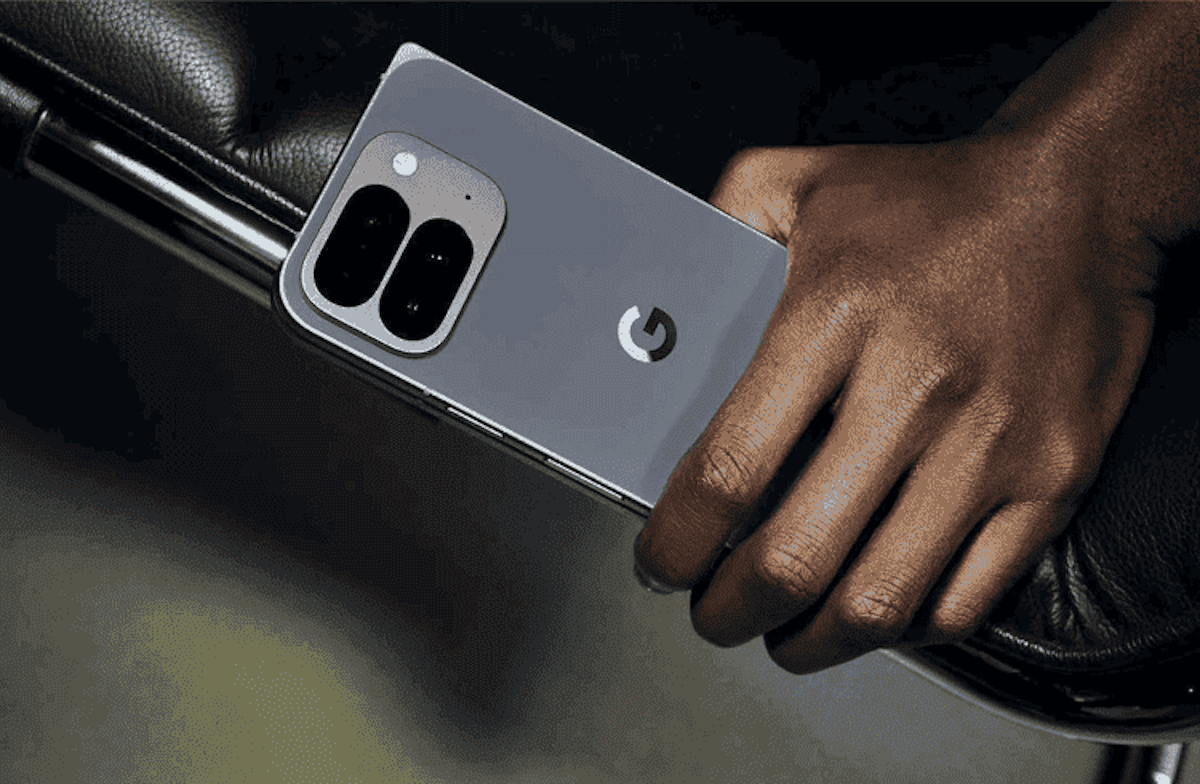
This phone has become very popular over 10 generations, but it still has plenty of drawbacks. Image: 9to5google
Google Pixel 10 Drawbacks Nobody Talks About
The Pixel 10’s design is thoughtful and beautiful — that’s obvious. But when we talk about what Google smartphones urgently need to improve, it’s not about the appearance but about how they’re physically built. So far, their uniqueness is only superficial.
Every engineering decision during the development stage affects the final product. Just as we want apps to efficiently use system resources, we also want the phone’s physical components to use space rationally. If a device can be made thinner and lighter without sacrificing functionality, battery, and capabilities — that’s exactly what should be done.
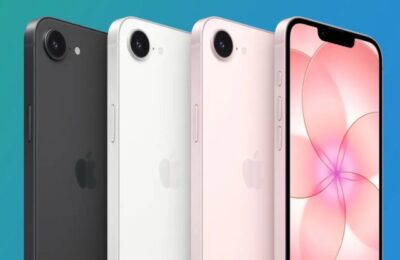
Pixel phones are noticeably heavier and thicker than competitors. The base Google Pixel 10 weighs 204 grams — 37 grams more than the Samsung Galaxy S26 and 27 grams more than the iPhone 17. To illustrate the difference: Google’s official silicone case for the Pixel 10 weighs about 34 grams. That means an iPhone 17 or Galaxy S26 with a case will likely weigh about the same as a bare Pixel 10 without one.
The thickness picture is even more telling: the Pixel 10 is 8.6 mm thick. For comparison, the base iPhone 17 with the same Qi2 magnets inside is only 7.95 mm thick. Google added 0.1 mm compared to the Pixel 9, citing built-in PixelSnap magnets — but that’s no excuse when competitors make a similar phone thinner.
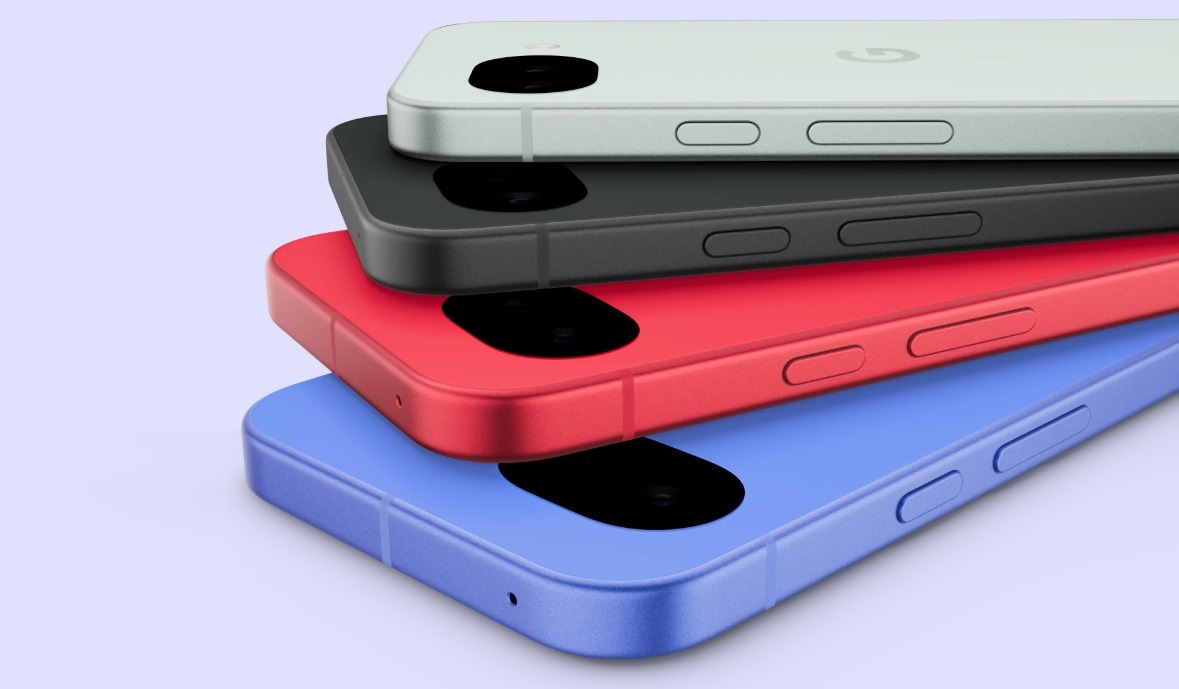
You can’t tell from photos, but the Pixel is thick and cheap-feeling. Image: Google
This is not just an aesthetic issue but a practical one. We hold phones in our hands for hours every day. Extra weight and thickness make themselves felt constantly: it’s harder to hold the device with one hand, and over time wrist discomfort develops. A thinner and lighter phone allows you to use a case and magnetic accessories without feeling like you’re carrying extra ballast.
Where Pixel Falls Behind Other Phones
The lag in weight and thickness could be forgiven if Google compensated with bold innovations in materials. But that’s not happening. The Pixel 10 uses one of the oldest combinations in the smartphone world — aluminum and glass. In 2026, competitors have long since perfected this duo, achieving maximum thinness while maintaining durability and a premium feel.
If Google experimented with eco-leather like Motorola or OnePlus, or offered something truly new — we could talk about a deliberate choice. But for now, the company simply uses standard materials while losing to competitors on key physical parameters.
PixelSnap is a genuinely cool technology, and adding a magnetic ecosystem to the Pixel 10 deserves praise. However, Apple has been implementing MagSafe for nearly five years now. That’s not enough to outweigh the other shortcomings. We want to see more from Google: an ultra-thin form factor for the Pixel 11 Pro Fold, glass with solid scratch protection like Ceramic Shield 2, anti-glare coatings on the level of Gorilla Armor 2. Something that tells consumers: design is still a priority.
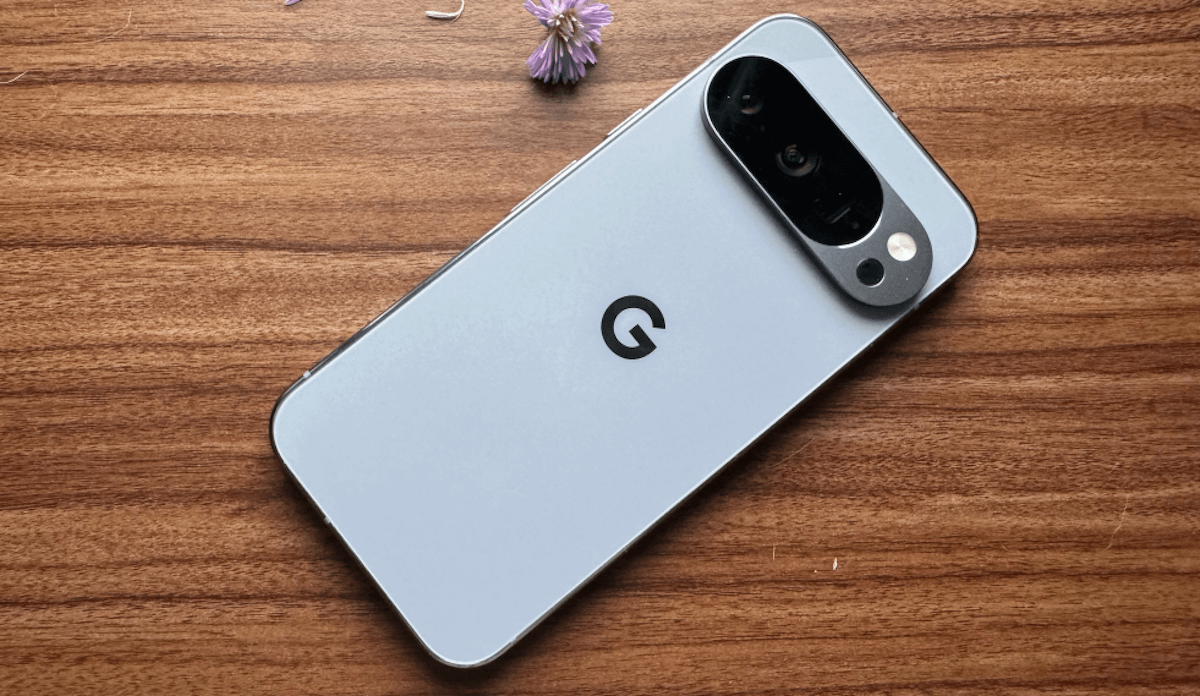
Pixel 10 excels in software, but there’s still room for improvement on the hardware side. Image: TechCrunch
What to Expect in the Pixel 11
When you think about why buyers choose Pixel over Samsung or Apple, the software comes to the forefront. Pixel objectively outpaces competitors in software, artificial intelligence tools, and overall system optimization. With hardware — it’s the opposite story. Samsung and Apple may be treading water for several generations in a row, but they still beat Google in the physical execution of their devices.
Pixels look gorgeous. The Lemongrass color for the Pixel 10 is one of the best color options of the current cycle. But the in-hand feel doesn’t match flagship standards. Sacrificing weight, thickness, and material innovation for software advantages is an unacceptable compromise for daily use.
The Pixel 11 needs hardware optimization. If that happens, the Pixel could easily become the best smartphone for most users. If not — disappointment is inevitable, along with the loss of that segment of the audience for whom the feel of a device in hand is just as important as its smart software.