On April 10, monitoring graphs showed that the share of failed network requests to Telegram reached 100%. User complaints came in waves: the messenger wouldn’t load on mobile data or home Wi-Fi. But does this mean Telegram has truly “died” in Russia? Let’s figure out what’s actually going on.
Telegram in Russia faced another wave of blocking. Or did it?
Telegram Not Working: Outage or Block
According to DownDetector, a new wave of blocks began around 2:00 AM on April 10. From 8:00 AM, the number of complaints surged sharply — at peak, more than 250 reports were recorded. The share of network failures when connecting to the messenger’s servers jumped from the usual 60–70% to 100%.
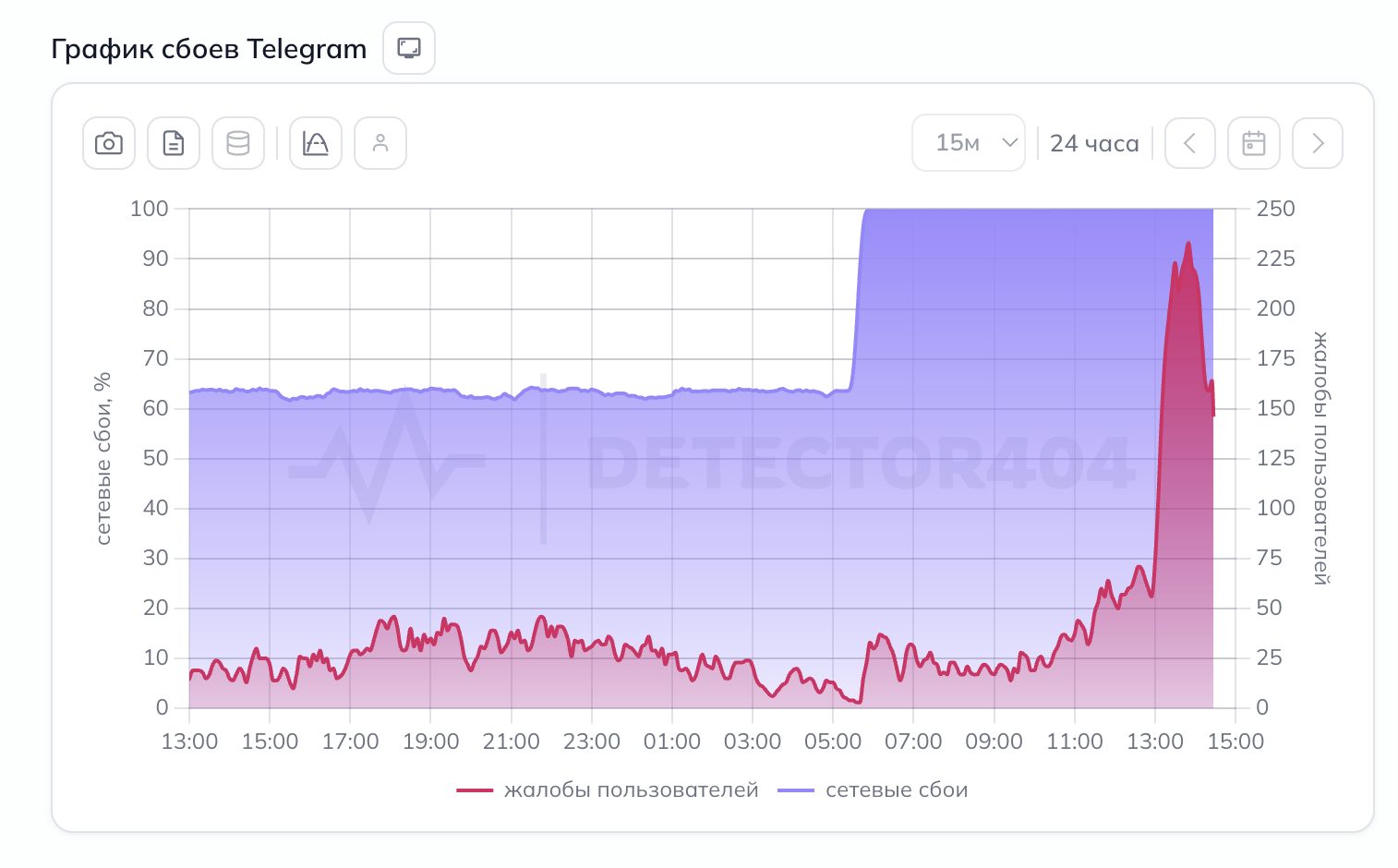
This is what the DownDetector graph looks like
Access problems have been recorded in 34 cities across Russia — and that’s only according to official monitoring service statistics. It’s hard to imagine how many people and locations it doesn’t account for, but most likely problems exist across the entire country without any exceptions. It looks dramatic. But don’t rush to bury Telegram just yet.
Telegram via VPN — How the Messenger Works in Russia
Despite the alarming numbers, tens of millions of Russians continue using the messenger. On April 4, Telegram founder Pavel Durov personally confirmed: 65 million Russians access the messenger daily via VPN, and more than 50 million send messages every day.
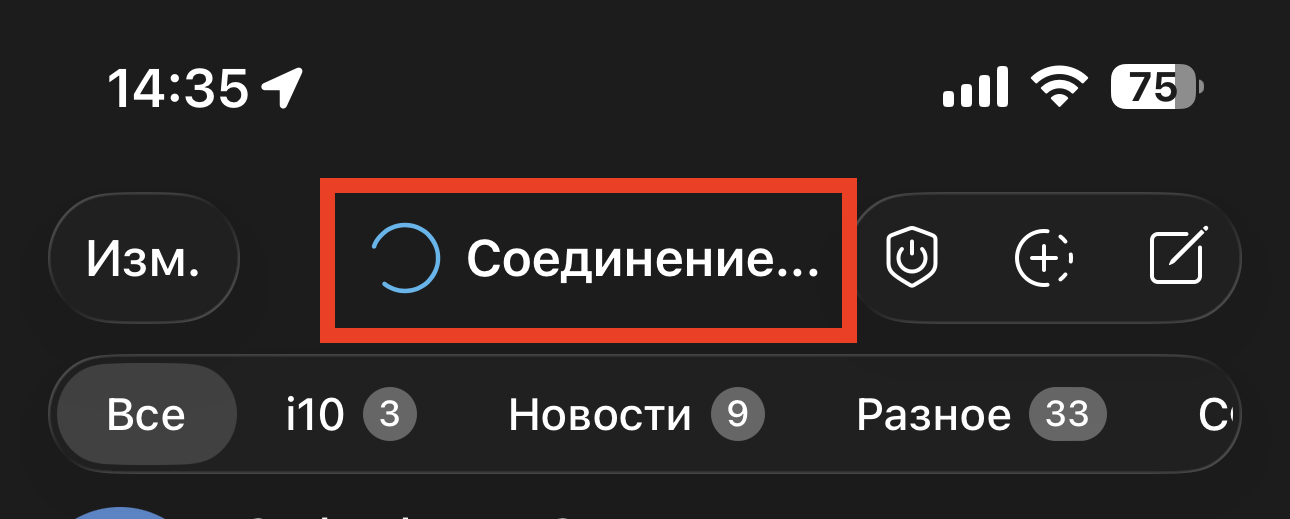
This is the scene messenger users observe almost every day. Special apps are needed to connect
Durov drew a parallel with Iran, where Telegram was blocked several years ago. Authorities expected users to switch to government-approved apps. Instead, Iranians massively adopted VPN — and the messenger continued to thrive. According to Durov, Russia is following the same scenario.
The Telegram team promised to adapt the messenger’s traffic to make it harder to detect and block. However, the tech community responded skeptically: according to enthusiasts, the main work on bypassing blocks is being done by independent developers, not Telegram itself.
What Will Happen to Telegram in Russia
Leading analyst at Mobile Research Group Eldar Murtazin views the situation from a completely different angle. In his opinion, a real PR campaign has unfolded around Telegram: everyone is shouting that the messenger is totally blocked and nothing works. But reality is not so clear-cut.
Murtazin claims that the volume of blocks right now is actually less than it was at the end of March. Channel reach has remained roughly at the same level. The analyst’s conclusion is simple: since fully blocking Telegram has proven impossible, the goal is at least to create the appearance that it has happened.
Previously, Murtazin stated in an interview with RTVI that the government has already deployed the maximum available tools for blocking the messenger and that further tightening should not be expected. This position is shared by other experts: complete isolation of Telegram from users, even considering the fight against VPNs, looks extremely unrealistic.
What to Do If Telegram Won’t Load
The situation with Telegram in Russia resembles a tug of war. Roskomnadzor improves blocking methods through TSPU equipment, while developers find new ways to overcome them. According to experts, this is a true “arms race” — and so far commercial companies have better odds in it.
Yes, without a foreign IP, the messenger practically doesn’t work in Russia. Yes, Telegram traffic has dropped tenfold — from 500 MB per user in February to 50 MB by the end of March, according to the head of Rostelecom. But fully “killing” the messenger has not yet been achieved, and 65 million daily users doesn’t look like a death spiral.
Most importantly — don’t panic. For most users, everything works as it should. And if it doesn’t — try a different app for changing your IP. For now, this is definitely not a story about the death of the messenger in Russia.