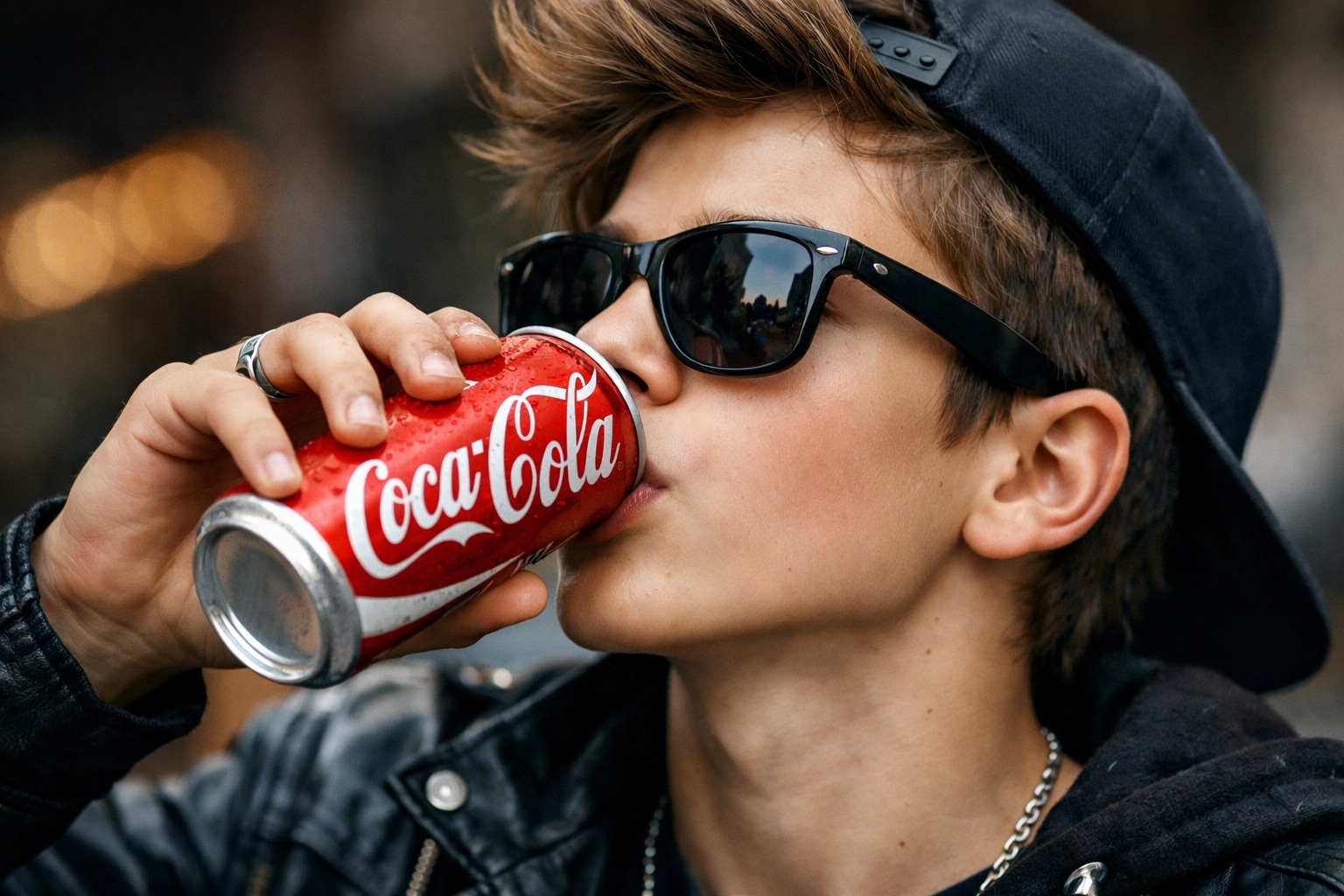
Scientists believe that sugary sodas make teenagers anxious
Adolescence is a time when a can of cola after school feels like a well-deserved reward, and an energy drink before an exam seems like salvation. But scientists are increasingly insistent: what pours into the glass affects more than just teeth and weight. A major new study has linked sugary beverage consumption to elevated anxiety levels in teenagers — and the results are thought-provoking.
Why Teen Anxiety Has Become a Global Issue
Anxiety disorders affect one in five teenagers worldwide. This isn’t just nervousness before a test — it’s a condition that seriously impacts academic performance, social life, and overall quality of life. The problem is compounded by the fact that anxiety that emerges during adolescence often doesn’t go away and persists into adulthood.
There are many causes behind this phenomenon: genetics, environment, and stress at home and school. But in recent years, scientists have increasingly turned their attention to another factor — diet. Research shows that a diet rich in fruits, vegetables, and omega-3 fatty acids is associated with lower anxiety levels. Conversely, diets high in so-called free sugars are associated with worsening mental health.
Free sugars aren’t just the sugar you put in your tea. This category includes sugars added during food production, as well as those found in honey, syrups, and fruit juices. According to recommendations from British medical authorities, free sugars should make up no more than 5% of daily caloric intake. But teenagers are the record holders for sugar consumption among all age groups: sometimes it reaches up to 20% of their daily intake. And the lion’s share comes specifically from sugary drinks.

Products with high amounts of free sugars worsen a person’s mental health
How Sugary Drinks Cause Anxiety
A group of researchers led by specialists from the United Kingdom published a review article in the Journal of Human Nutrition and Dietetics, combining data from several previous studies. The scientists analyzed two variables: how many sugary drinks teenagers consumed and how pronounced their anxiety symptoms were.
The results turned out to be quite convincing. The more sugary drinks a teenager consumed regularly, the higher their anxiety level. And it wasn’t just about soda: juices with added sugar, sports drinks, and energy drinks also made the list of “culprits.” For comparison: one 330 ml can of a popular soda contains about 35 grams of sugar — that’s nearly the entire daily allowance of free sugars for an adult, let alone a teenager.
It’s important to note that the study identified a correlation, not a direct cause-and-effect relationship. In simpler terms, scientists cannot yet say for certain whether anxiety drives teenagers to drink more soda (as a way to “comfort” themselves), or whether soda amplifies anxiety. But the connection between these phenomena proved to be statistically significant and reproducible across different studies.
What Happens to the Brain with Excess Sugar
You might wonder — what does the brain have to do with it? The thing is, sugar triggers an entire cascade of biochemical reactions in the body that go far beyond simply raising blood glucose levels. One of the key hypotheses is related to inflammation.
High sugar consumption leads to chronic low-level inflammation in the body. And inflammatory processes, as recent research shows, are directly connected to brain function — specifically, to the functioning of areas responsible for emotional regulation. Inflammatory markers can disrupt the function of neurotransmitters — serotonin and dopamine, which play a central role in maintaining normal mood and managing anxiety.
There’s another mechanism as well. Sugary drinks cause sharp spikes in blood sugar levels, followed by equally sharp drops — so-called “sugar swings.” Each such fluctuation is accompanied by a release of stress hormones, primarily cortisol. For an adult body, this is unpleasant but tolerable. However, a teenager’s brain, which is still actively developing and forming neural connections, is particularly vulnerable to such fluctuations.
Additionally, sugary drinks often displace healthier liquids and foods from the diet. A teenager who drinks two or three cans of soda a day is likely not getting enough water, as well as important brain nutrients — such as omega-3 fatty acids, magnesium, and B vitamins.

It’s possible that teenagers experience stress first and only then reach for soda
How to Drink Less Soda and Juice
Simply telling a teenager “don’t drink soda” is about as effective as asking a cat not to jump on the table. But there are approaches that work better than outright bans.
- First, gradualness. An abrupt rejection of familiar drinks triggers resistance. Researchers recommend starting with substitutions: instead of sugary soda — water with lemon or mint, unsweetened tea, homemade lemonade with minimal sugar. Even reducing intake by just one serving of a sugary drink per day can already have a positive effect.
- Second, accessibility. If there’s soda in the fridge but you have to walk to the tap for water — the choice is obvious. A simple rearrangement of priorities in the home environment works more effectively than any lectures about the harms of sugar.
- Third, awareness. Many teenagers genuinely don’t realize how much sugar their favorite drinks contain. Fruit juice that seems “healthy” can contain just as much sugar as cola. Simply knowing this fact sometimes changes behavior better than any prohibition.
Why Studying the Link Between Sugar and Anxiety Matters
At first glance, the link between soda and anxiety might seem like a stretch. But this is exactly how modern health science works: it searches for non-obvious connections between everyday habits and serious consequences. Anxiety disorders have already become one of the leading causes of disability among young people worldwide, and any manageable risk factor is a potential tool for prevention.
The study’s authors emphasize: additional research is needed to establish the exact mechanisms of sugar’s impact on mental health. But the results are already convincing enough to warrant attention. Especially considering that reducing sugary drink consumption is beneficial not only for mental health but also for the prevention of obesity, diabetes, and tooth decay.
One of the main takeaways from this work is encouraging: unlike genetics or social conditions, diet is something that can be changed right now. There’s no need to wait for new medications or therapies. Sometimes the first step toward feeling better starts with a simple choice — putting a bottle of water where the cola used to stand.