Qualcomm hasn’t even properly announced its next flagship chips yet, but leaks are already painting a fairly detailed picture. This time, the company appears to be preparing not one processor, but two: Snapdragon 8 Elite Gen 6 and Snapdragon 8 Elite Gen 6 Pro. While the standard version looks like an expected evolution, the Pro model could deliver a truly significant upgrade. We’re talking about support for LPDDR6, a new RAM standard that has never been used in any mobile processor before. Frankly, this is exactly what makes this leak genuinely interesting. Let’s break down what’s already known and whether it’s worth waiting for this chip.

Snapdragon 8 Elite Gen 6 Pro could become the first mobile chip with LPDDR6
What Is LPDDR6 and Why Do Smartphones Need It
If you follow the smartphone market, you’re probably used to the abbreviation LPDDR5X. This is the current RAM standard used in virtually all current flagships. It works fast, generates moderate heat, and overall there are no complaints. But progress doesn’t stand still, and LPDDR6 promises to be the next notable step forward.
The main advantage of the new standard is increased bandwidth and more efficient power consumption. In practice, this means a smartphone will be able to process heavy tasks faster — whether it’s running neural network models directly on the device, working with high-resolution video, or multitasking with a dozen open apps. And it will do so without a significant hit to battery life. At least, that’s what the specifications promise. How well this holds up in real devices remains to be seen, but the very fact of transitioning to a new LPDDR6 memory type in the mobile segment has been long overdue.
Snapdragon 8 Elite Gen 6 Pro Specifications
According to customs documents referenced by ITHome, the Snapdragon 8 Elite Gen 6 Pro is listed under internal number SM8975. Here’s what is known about it so far.
The processor will feature a 2+3+3 core configuration. That’s two “premium” cores for peak performance, three performance cores for sustained workloads, and three energy-efficient ones. Essentially, the architecture closely resembles what we saw in the Snapdragon 8 Elite Gen 5, where all cores were “big” and this provided a tangible boost in real-world scenarios. Qualcomm apparently decided not to change a winning formula but to develop it further.

Qualcomm already changed its naming when it released Snapdragon 8 Elite Gen 5. So far we’re following this path.
Graphics will be handled by the GPU Adreno 850 with 18 MB of dedicated graphics memory (GMEM). For perspective: this is the next step up from Adreno 830, which already provided excellent gaming performance. If you enjoy running Genshin Impact on max settings and expect your phone not to turn into a scorching brick after half an hour, then Adreno 850 is exactly about that.
And most importantly: the Pro version, unlike the base model, will feature support for LPDDR6 RAM. Just a week ago, it was believed that both variants would be limited to LPDDR5X, but fresh data suggests otherwise.
How Snapdragon 8 Elite Gen 6 Differs from the Pro Version
Qualcomm appears to have decided to clearly divide the lineup into two segments. The Snapdragon 8 Elite Gen 6 without the Pro suffix will get the same CPU architecture with a 2+3+3 layout but with slightly lower clock speeds. The graphics accelerator will also be simpler: Adreno 845 instead of Adreno 850. The difference will likely not be dramatic, but in benchmarks and demanding games, the Pro version should be noticeably ahead.
But the main difference isn’t in clock speeds or the GPU. The standard Snapdragon 8 Elite Gen 6 will stay on LPDDR5X, while the Pro will transition to LPDDR6. This could become the key factor when choosing a flagship in 2026. Honestly, this division looks logical. Smartphone manufacturers will get a choice: use a “simply excellent” chip or invest in the top-tier version with next-generation memory. And for consumers, this means that smartphones powered by Snapdragon 8 Elite Gen 6 Pro will cost noticeably more.
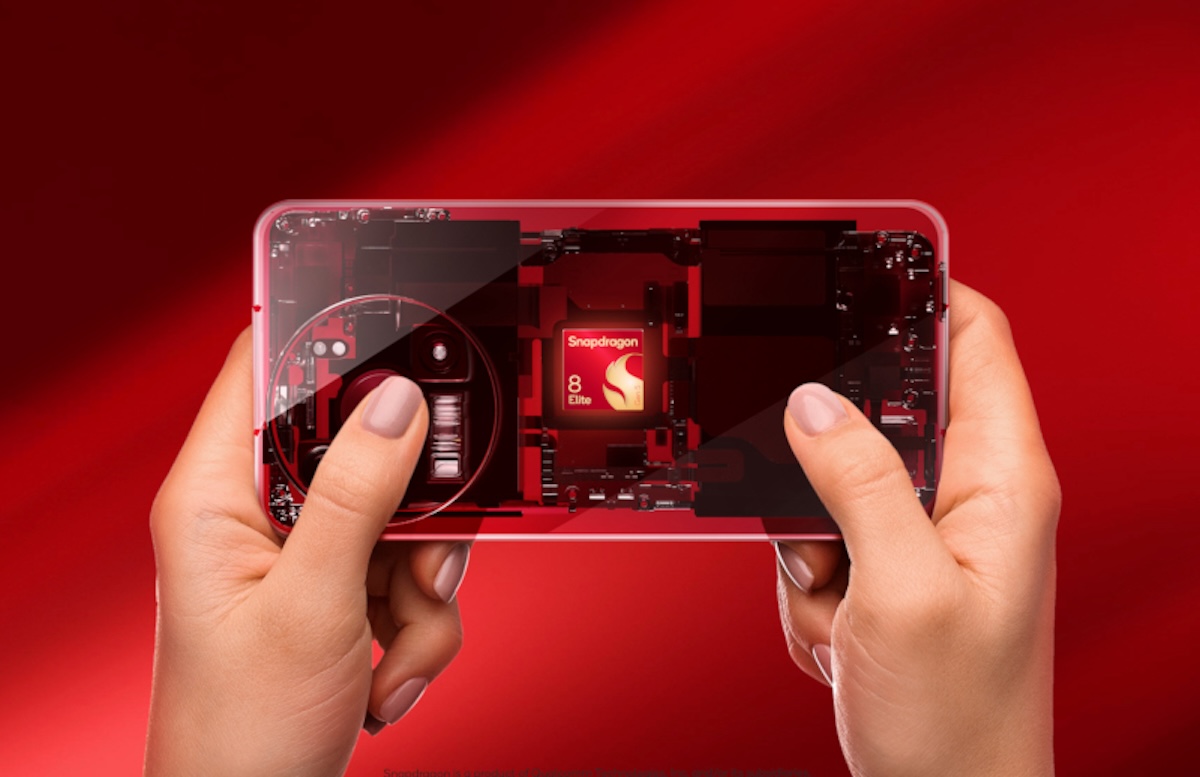
The new chip will bring a new approach to performance. Image: 3DNews
When Will Smartphones with Snapdragon 8 Elite Gen 6 Pro Be Released
There are no exact dates yet, and Qualcomm has not officially confirmed any of the specifications. The company typically unveils new flagship chips at the end of the year during the annual Snapdragon Summit. If tradition holds, the announcement can be expected around November–December 2026, with the first smartphones powered by Snapdragon 8 Elite Gen 6 Pro appearing closer to early 2027.
That said, specifications at this stage could very well change. Customs documents capture engineering samples, and the final product sometimes differs significantly from early prototypes. But if LPDDR6 support truly makes it into the Pro version, it will be one of the most notable shifts in mobile memory in recent years.
Is It Worth Waiting for Snapdragon 8 Elite Gen 6 Pro
In practice, the situation looks like this: if you’re planning to buy a new flagship in the next six months, there’s not much reason to wait for the Snapdragon 8 Elite Gen 6 Pro. The current generation of chips already provides more than enough performance for any task. But if you’re the type who buys a smartphone for three to four years and wants maximum hardware headroom, then the Pro version with LPDDR6 could be a compelling argument.
Personally, I wouldn’t rush to conclusions before the official announcement. Qualcomm knows how to surprise — and not always in a good way. But for now, the Snapdragon 8 Elite Gen 6 Pro looks like a genuinely interesting processor that will set the bar for next-generation flagships.