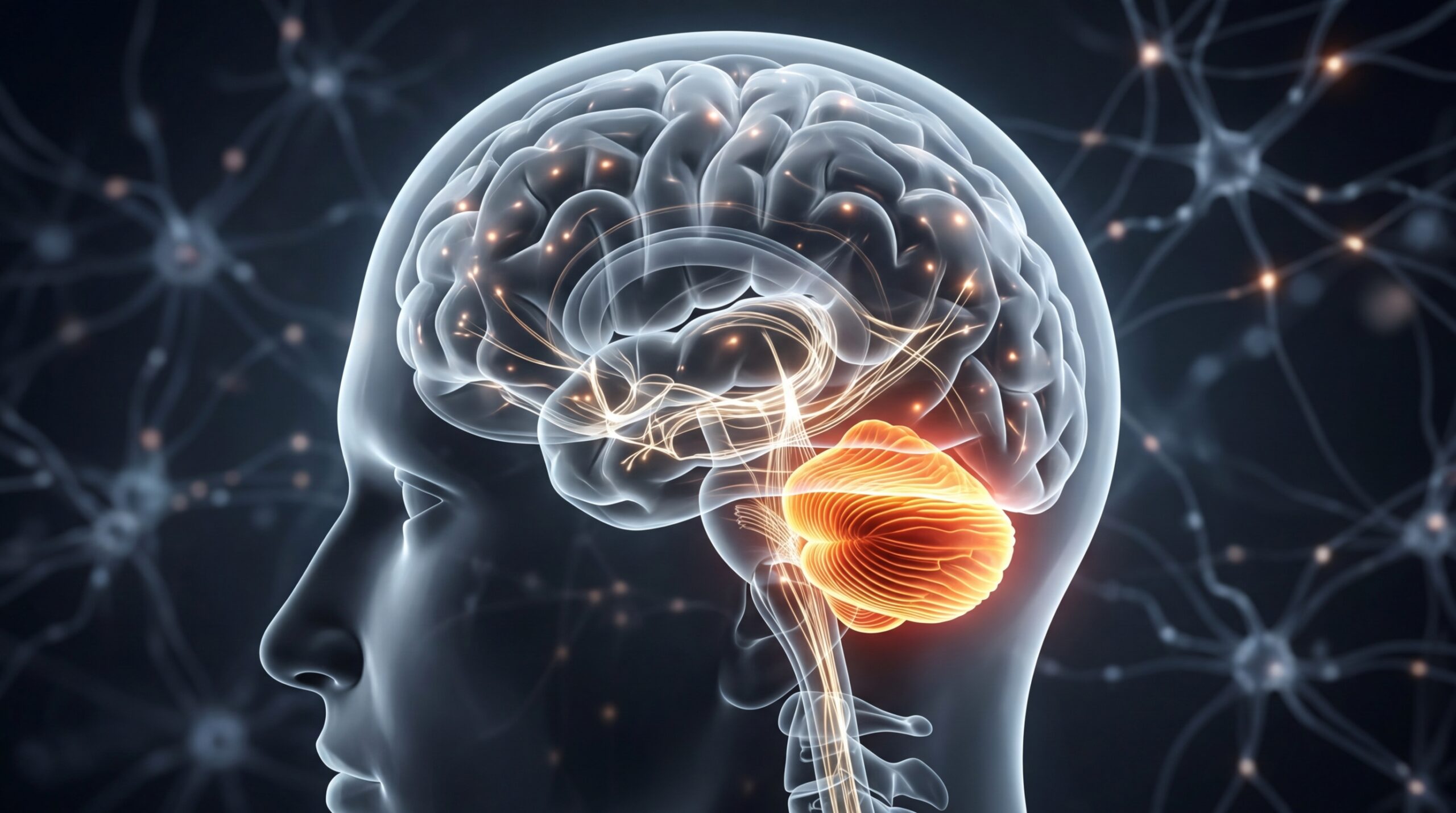
Scientists have found yet another piece of evidence that smartphones harm health
A new study has shown that people who can’t tear themselves away from their smartphones have brains that work differently. Emotional centers are overexcited, while self-control areas are weakened. Scientists from China scanned the brains of young people and found specific disruptions in neural connections responsible for the ability to cope with negative feelings.
Does Smartphone Addiction Exist?
When scientists talk about problematic smartphone use, they don’t simply mean “you spend too much time on your phone.” They’re referring to habits that genuinely interfere with everyday life. Although this condition has not yet been officially recognized as a clinical addiction, by psychological criteria it closely resembles addictive disorders. A person may experience something akin to withdrawal syndrome when their phone is taken away, tolerance builds up — they want to spend more and more time on the phone — and they start “treating” a bad mood by scrolling through feeds.
Research has already linked excessive smartphone use to depression, anxiety, and social anxiety. But until now, there has been little data on what exactly happens in the brains of such people at the level of neural connections.
How Smartphones Affect the Brain
The researchers recruited 72 healthy students aged 18 to 25. Based on the results of a standard psychological test for smartphone addiction, 37 of them fell into the “problematic users” group, while the remaining 35 were placed in a control group with no signs of digital dependency.
All participants were asked to fill out a questionnaire assessing their ability to cope with negative emotions: how well a person controls impulses when upset, and whether they understand what exactly they are feeling. After that, each person underwent functional magnetic resonance imaging (fMRI) — a brain scan at rest. The person simply lies still without performing any tasks, while the machine tracks which brain areas activate synchronously. If two regions “pulse” in the same rhythm, it means they are functionally connected to each other.
The researchers were particularly interested in the amygdala — a small structure deep in the brain that plays a key role in processing emotions, recognizing threats, and forming emotional reactions.
How the Brain Changes Due to Smartphones
The scan results revealed notable differences between the two groups. In people with problematic smartphone use, the right amygdala was more strongly connected to the temporal pole — a brain region involved in social thinking and processing emotional memories. Scientists suggest this may reflect heightened sensitivity to social stimuli: notifications, likes, and messages in messengers.
At the same time, the right amygdala communicated more weakly with the thalamus, precuneus, and cerebellum. The precuneus is part of the so-called default mode network. This extensive neural network activates when a person is not focused on the external world and the brain is in a state of relaxed wakefulness — for example, during daydreaming or mind-wandering. Simply put, it’s the network that “turns on” when you look out the window and think about life. It helps make sense of one’s own experiences and regulate emotions. A weakened connection with this network may mean that a person finds it harder to “look inside themselves” and sort out their feelings.
Similar disruptions were found on the left side as well. The left amygdala was more strongly connected to the inferior frontal gyrus — an area responsible for impulse inhibition. This might seem like a good thing. But the paradox is that the enhanced connection of the left amygdala with attention zones correlated with greater difficulties in managing emotional reactions. Apparently, the brain tries to compensate for the problem by overloading the control system, but this doesn’t help.
Why the Cerebellum Turned Out to Be More Important Than Previously Thought
One of the most interesting findings was the weakened connection between the amygdala and the cerebellum. Most people know the cerebellum as the “movement coordination center.” But in recent years, neuroscience has increasingly recognized its role in cognitive processes — thinking, attention, and deep emotional regulation.
It was precisely the weak connection between the amygdala and the cerebellum that proved to be the most reliable marker: the weaker it was, the stronger the smartphone addiction. This discovery suggests that the cerebellum may play a far more important role in our emotional processes than was previously believed.
How Smartphones Change Human Behavior
The researchers believe that the discovered disruptions reflect an imbalance in the nervous system: emotional centers are overexcited, while cognitive control systems are weakened. Imagine the volume of emotions being “cranked up” to maximum, while the control knob is broken.
When the brain can’t cope with negative feelings on its own, it becomes harder for a person to process stress or sadness “internally.” And then the hand reaches for the smartphone — seeking quick psychological distraction. News feeds, short videos, texting — all of this provides instant relief. But over time, this strategy only reinforces the addiction: the brain gets used to “outsourcing” emotional processing to an external device instead of coping on its own. A vicious cycle forms.
What Remains Unknown and Why It’s Too Early to Draw Conclusions
It’s important to understand: this study is a snapshot, not a movie. Scientists recorded differences between two groups of people at a single moment in time but cannot say what was the cause and what was the effect. It’s possible that excessive smartphone use actually changes connections in the brain. But the reverse is equally likely: people with certain brain characteristics are inherently more vulnerable to digital addiction.

Students are the primary risk group for problematic smartphone use
The sample is small — just 72 students aged 18 to 25. The brain at this age is still actively developing, especially the prefrontal areas responsible for self-control. Therefore, the results may not necessarily apply to people over 30. For more reliable conclusions, long-term studies are needed that track changes in the brains of the same individuals over several years.
Nevertheless, this study provides an important starting point. For the first time, researchers were able to map in detail how the amygdala “communicates” with the rest of the brain in people addicted to smartphones and to show that these disruptions are linked to specific emotional difficulties. The authors hope that their data will serve as a foundation for developing future interventions — perhaps targeted therapeutic methods that will help people restore their internal ability to cope with negative emotions without reaching for their phone every five minutes.