
Dry and flaky skin on the hands is one sign of hot water overuse
A hot shower after a long day is one of life’s simplest pleasures. But according to experts, daily bathing in excessively hot water can lead to problems with skin, hair, sleep, and even the cardiovascular system. For some people, the consequences can be truly dangerous.
Effects of Hot Showers on Skin and Hair
The main thing very hot water does to the body is strip away the skin’s natural protective layer. The skin’s surface always has a thin hydrolipid film that retains moisture and protects against bacteria. Hot water, especially combined with soap, dissolves this film like grease on dirty dishes. As a result, the skin loses moisture, becomes dry, flaky, and itchy. This was reported by the authors of the Mirror website.
According to a report by the company Plumbworld, hot showers strip the body and hair of natural oils, leading to dryness, brittle hair, and split ends. Hair becomes dull and lifeless because high temperatures open the hair cuticle, causing it to lose moisture and nutrients more quickly.
People with sensitive skin are particularly at risk. The report specifically emphasizes:
Conditions like eczema or psoriasis can significantly worsen after a hot shower. Intense heat increases inflammation and irritation, and flare-ups of these conditions become more severe.
When You Should Not Take a Hot Shower
When the body is exposed to streams of very hot water, it heats up quickly. The body activates its cooling system: blood vessels dilate, and blood rushes to the skin’s surface to dissipate heat. But at the same time, blood pressure drops, and the heart has to work harder to maintain normal blood flow.
For a healthy person, this is generally not a problem — the body copes. But for people with cardiovascular diseases, this additional strain can be critical. As the report explains, heat from a hot shower causes blood vessels to dilate, and the heart has to pump blood harder. In people with heart conditions, this can lead to dizziness, vision blackouts, and fainting.
And fainting in the shower is a completely different level of danger. A person can fall on wet tile, hit their head, and be left without help. The report states that the combination of cardiac stress and a sharp drop in blood pressure significantly increases the risk of losing consciousness. In the shower, this is especially dangerous — a fall can result in serious injuries.
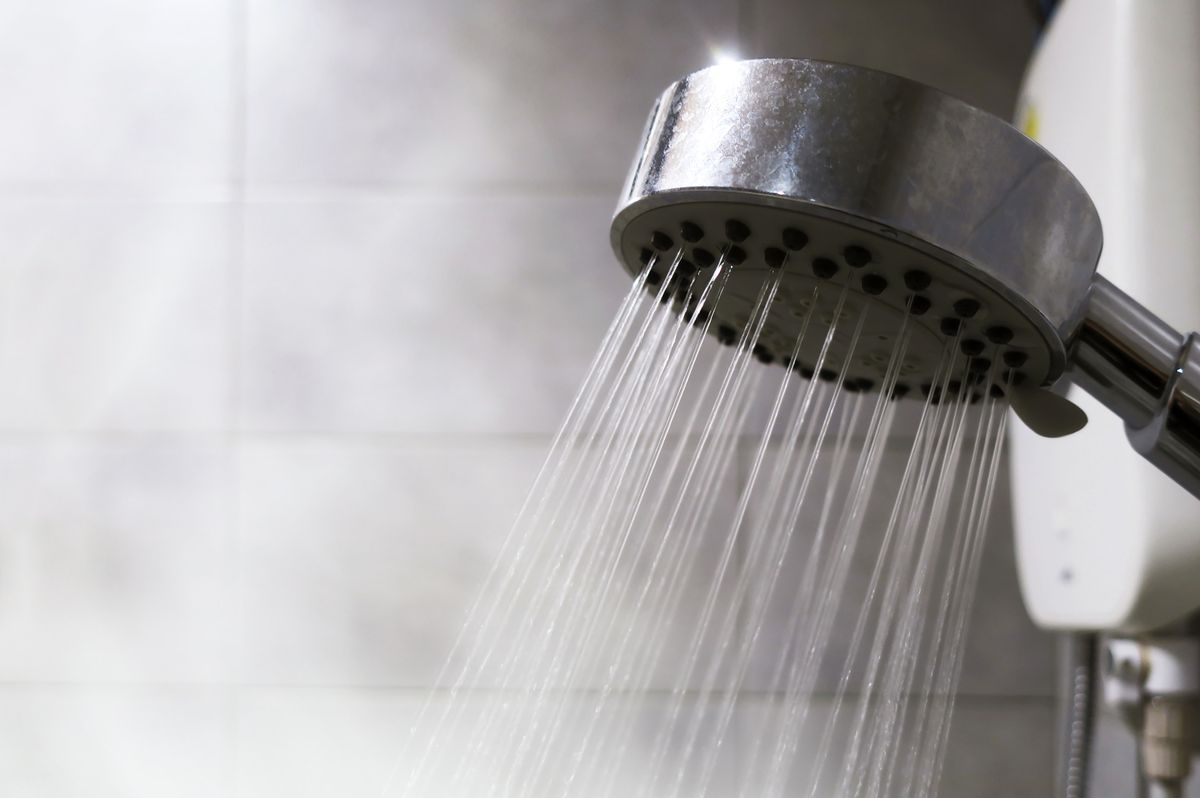
Hot water dilates blood vessels and forces the heart to work harder
Should You Shower Before Bed?
Many people take a hot shower before bed to relax. And at first, it actually works — warm water relieves muscle tension. But then problems begin. To fall asleep, the body needs to cool down slightly: a decrease in body temperature is a natural signal to the brain that it’s time to sleep.
If you take a very hot shower right before bed, the body overheats, and this natural cooling process is delayed. The report explains that excessively hot water can delay the sleep signal, making it harder to fall asleep. Interestingly, this doesn’t mean that showering before bed is useless. The temperature simply shouldn’t be too high, and it’s better to shower 1–2 hours before going to bed — then the body has time to cool down.
The Danger of a Dirty Shower Head
The report also mentions another non-obvious danger: steam from a hot shower can worsen asthma symptoms. Moreover, if the shower head hasn’t been cleaned in a long time, bacteria and fungi can accumulate on it. Hot water turns them into an aerosol that we inhale. This isn’t a death sentence, but it’s another argument in favor of regularly cleaning the shower head and using moderate water temperatures.
Additionally, the report mentions the risk of burns: excessively hot water can damage the skin, especially in elderly people and young children, whose skin is more sensitive to high temperatures.
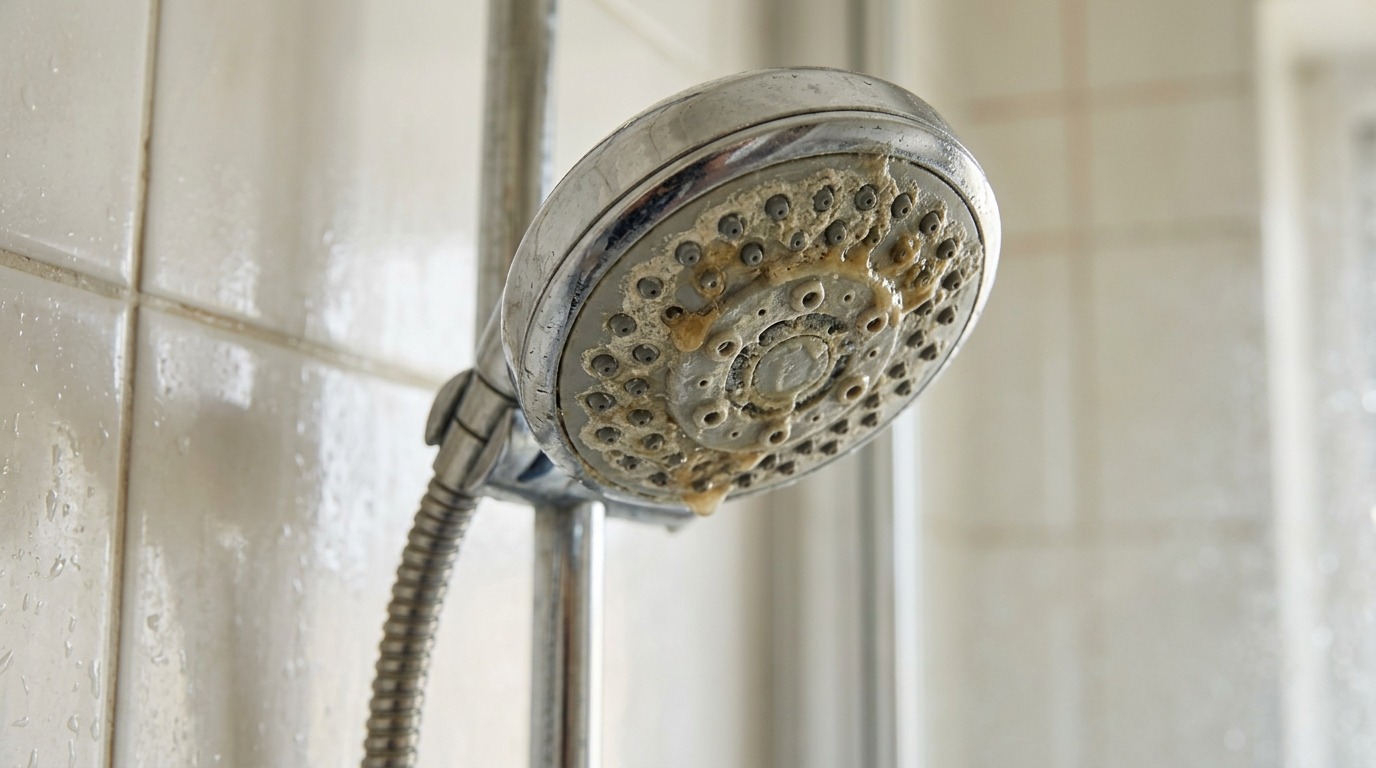
A shower head with buildup is a potential source of bacteria and fungi
Safe Water Temperature for Showering
Does all this mean that hot showers are absolute evil? No. Warm water relaxes muscles, helps with tension headaches, and eases breathing during a cold. But the key word here is warm, not scalding hot.
Experts recommend the following:
- The optimal water temperature for a shower is 36–38 degrees Celsius (approximately body temperature);
- Anything above 40 degrees is already considered hot and can harm the skin and blood vessels;
- People with dry skin, eczema, diabetes, or heart problems should ideally not exceed 35 degrees;
- Shower duration should preferably be no more than 10–15 minutes;
- If you want to relax before bed, take a warm shower 1–2 hours before sleep, not right before hitting the pillow.
It’s important to understand the context of this report. Plumbworld is a British plumbing supply company, not a medical laboratory. Their report is more of a summary of known medical data rather than results of a new scientific study. Nevertheless, the facts about the effects of hot water on skin, blood vessels, and sleep are well supported by dermatologists and cardiologists. There’s simply no reason to panic: the concern is primarily about systematic overuse of very hot water, not the occasional warm shower.