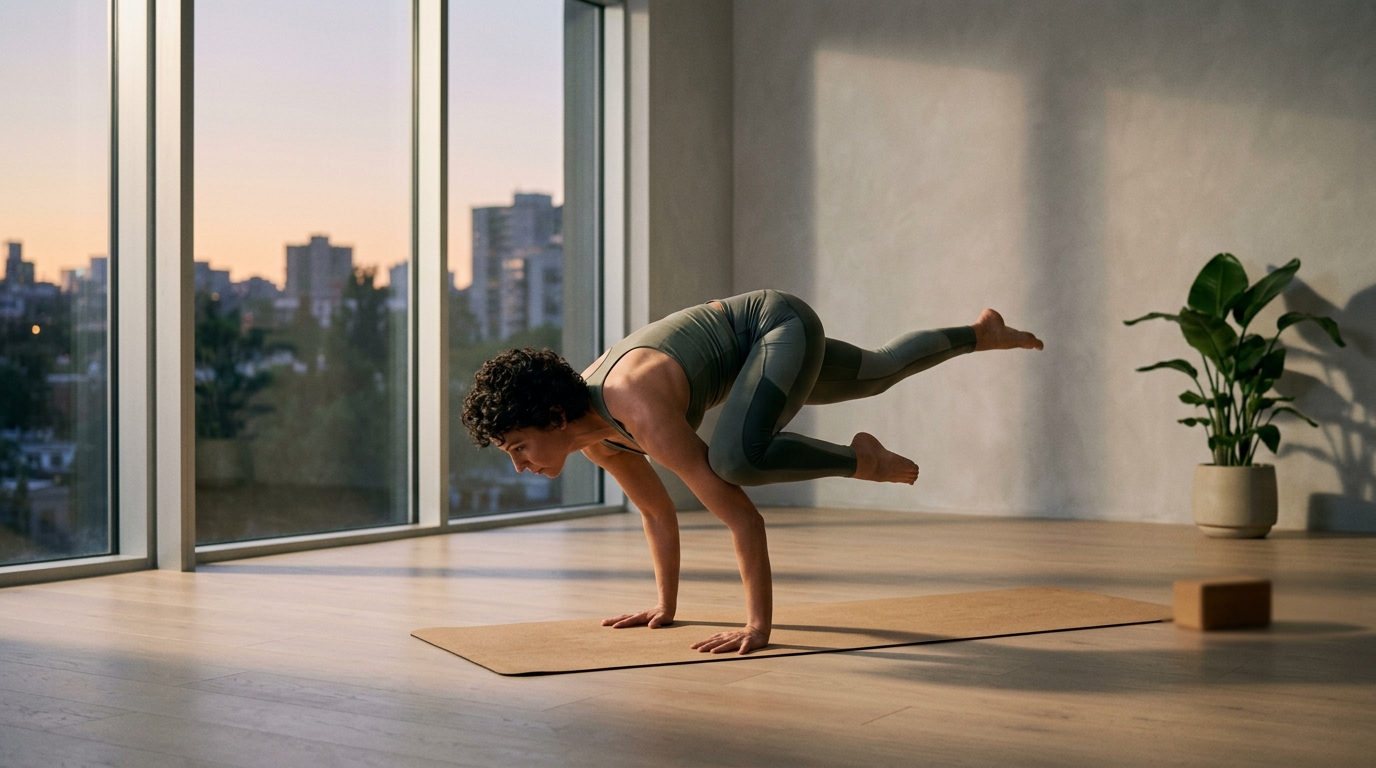
Intensive yoga is the leader among physical activities for improving sleep quality
If you’ve tried everything from melatonin to white noise and normal sleep remains a dream, it might be worth turning your attention to a yoga mat. A large-scale meta-analysis of 30 randomized controlled trials showed that regular intensive yoga improves sleep quality more effectively than walking, strength training, aerobics, and even tai chi. The study involved more than 2,500 people with sleep disorders from different countries around the world, and the results turned out to be surprisingly specific, right down to recommendations on frequency and duration of sessions.
Which Sport Improves Sleep Best
Chinese scientists analyzed data from clinical trials across more than a dozen countries. All participants suffered from various sleep disorders — from mild insomnia to chronic problems with falling asleep and waking up. The researchers compared yoga, walking, strength training, combined exercises, aerobic workouts, and traditional Chinese practices like qigong and tai chi.
The results showed that high-intensity yoga came in first place. In second — regular walking. In third — strength exercises. Moreover, positive changes in participants were observed after just 8–10 weeks of regular practice.
The most effective “prescription” looks surprisingly modest: high-intensity yoga lasting less than 30 minutes, just twice a week. Not every day, not for two hours — but literally two short sessions per week over a couple of months.
Why Yoga Helps You Sleep Better Than Aerobics
This is perhaps the most intriguing question. The meta-analysis doesn’t provide a definitive answer, but the authors offer several plausible explanations.
First, yoga is not just a workout for muscles and the heart. It simultaneously incorporates breath control, and this component may play a key role. Studies show that conscious breathing activates the parasympathetic nervous system — the part of our nervous system responsible for the “rest and digest” mode. Essentially, it’s the body’s built-in brake that helps the body transition from a state of wakefulness to a state of rest.
Second, some studies suggest that yoga can alter brain wave patterns, promoting deeper sleep. It turns out that yoga is a rare type of exercise that simultaneously trains the body and “recalibrates” the nervous system for better quality rest.
There’s another nuance: yoga is difficult to categorize definitively as aerobic or anaerobic exercise. Its intensity varies greatly depending on the style — from gentle hatha yoga to dynamic ashtanga or vinyasa. This is likely why results from different studies sometimes diverge: they compare different types of yoga and get different results.

Breath control during yoga activates the parasympathetic nervous system, helping the body relax
What Other Studies Say About Exercise and Sleep Quality
It’s worth being honest: the conclusions of this meta-analysis don’t perfectly align with earlier work. For example, a 2023 meta-analysis showed that moderate-intensity aerobic exercise three times a week was best for improving sleep. However, even in that review, one of the included studies noted that yoga affects sleep more strongly than other types of activity.
The contradiction here is most likely explained by differences in methodology and which specific types of yoga were included in the sample. Gentle stretching yoga and power vinyasa are essentially completely different workouts, although both are called “yoga.”
The study authors themselves emphasize that their conclusions should be interpreted with caution:
The number of included studies is limited, and the population of people with sleep disorders has its own characteristics. Further high-quality studies are needed to confirm these results.
Tai Chi as an Alternative for Improving Sleep in Old Age
Tai chi deserves special attention. Another 2025 study compared this practice with cognitive behavioral therapy for insomnia — the gold standard of non-pharmacological treatment for sleep disorders.
Immediately after the experiment ended, the CBT-I group showed better results on the insomnia severity scale. But when researchers checked participants 15 months later, it turned out that the tai chi group had “caught up” with the therapy group. Improvements in sleep quality and duration, quality of life, mental health, and physical activity levels were comparable.
This speaks to an important advantage of tai chi: it’s easier to integrate into daily life, especially for older adults. Gentle, smooth movements don’t require special preparation or equipment, and the long-term effect may be no worse than professional therapy.
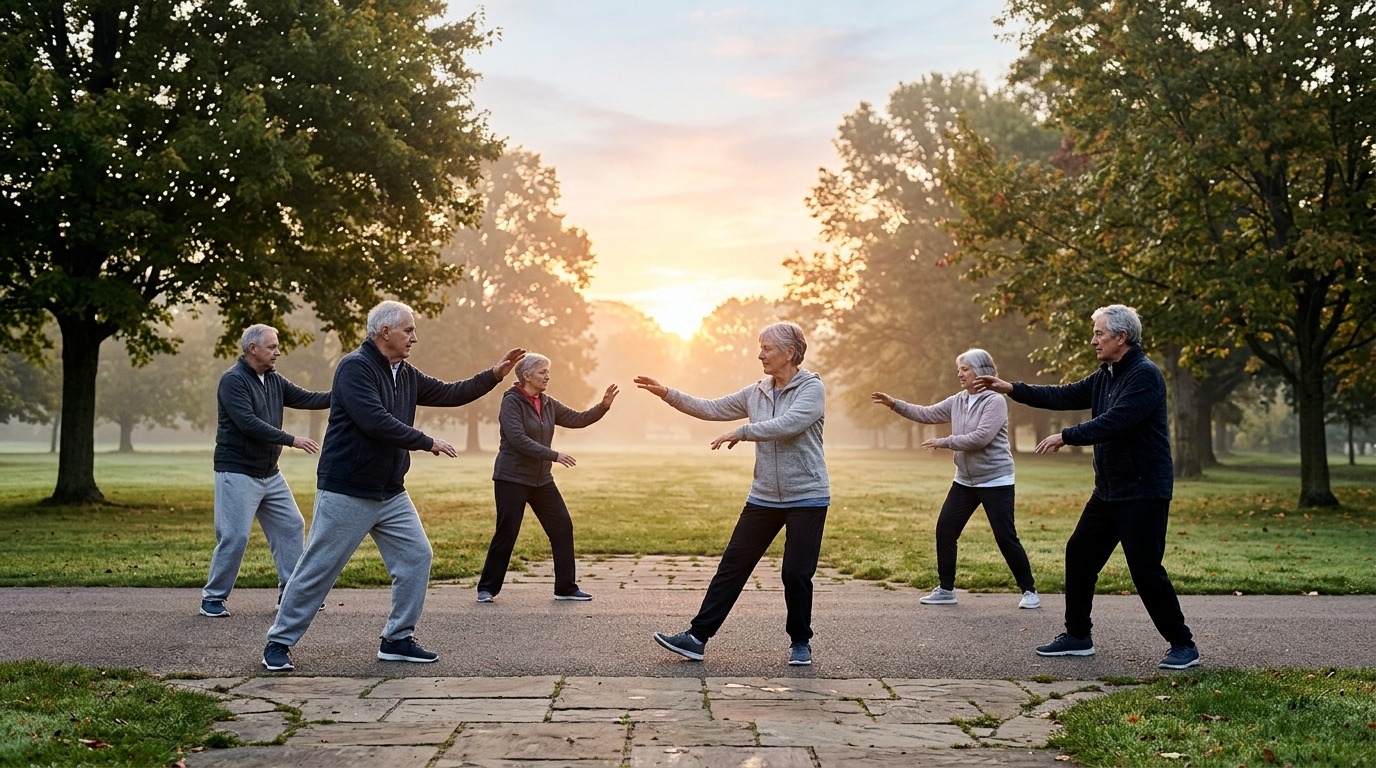
Tai chi is especially promising as a long-term practice for improving sleep
How Yoga and Tai Chi Change Sleep Patterns in Practice
So, if we put all the results together, the picture looks like this. Any regular physical activity will most likely improve your sleep — this is confirmed by a large body of data. But if you’re choosing a specific type of exercise, then according to the latest meta-analysis, the best prescription looks like this:
- High-intensity yoga (vinyasa, ashtanga, or power yoga);
- Less than 30 minutes per session;
- Twice a week;
- For 8–10 weeks.
Of course, this is not a universal recipe. Bodies and brains are all different, and it’s impossible to guarantee that yoga specifically will help you rather than an evening run. But the idea itself — that two short workouts per week may be enough for good sleep — sounds encouraging.
The results of this meta-analysis were published in the journal Sleep and Biological Rhythms. The authors emphasize that this is just the beginning — additional research is needed to more precisely understand which specific mechanisms of yoga make it so effective for sleep. But it’s already clear that the combination of “breathing + movement + mindfulness” is something more than just a trendy fitness trend. For those who have been unable to get proper sleep for years, this could become one of the most accessible and enjoyable ways to finally improve their nightly rest.