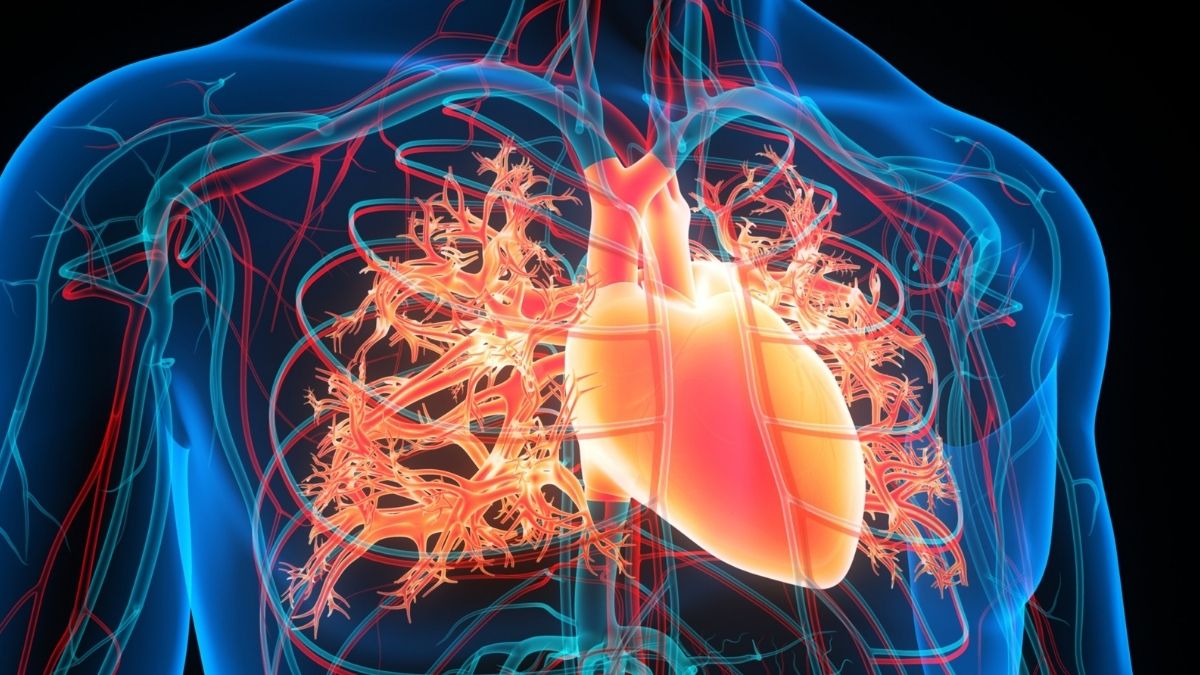
Existing metal implants don’t always fit perfectly against the heart walls
Scientists have successfully tested a new method of stroke prevention for atrial fibrillation in animals. They learned to inject a special magnetic fluid directly into the heart, which solidifies and permanently seals off the dangerous zone where blood clots form. In the future, this technology could become a lifesaver for millions of patients for whom traditional blood-thinning medications or metal implants are not suitable.
Stroke Due to Atrial Fibrillation
Millions of people worldwide live with atrial fibrillation — a rhythm disorder in which the upper chambers of the heart (atria) beat chaotically. For many, this condition feels like ordinary fatigue, shortness of breath, or a rapid heartbeat. However, the main danger lies not in the symptoms themselves but in their consequences: the risk of stroke with this type of arrhythmia increases approximately fivefold.
The thing is, inside our heart there is a small pouch called the left atrial appendage. When the heart beats irregularly, normal blood flow is disrupted. Blood begins to pool in this appendage, and stagnant blood is prone to clotting. If a formed clot (thrombus) breaks loose and travels through blood vessels to the brain, it blocks blood flow and triggers a stroke. For a long time, the key question for cardiologists was whether it was possible to simply “disconnect” this pouch from the circulatory system.
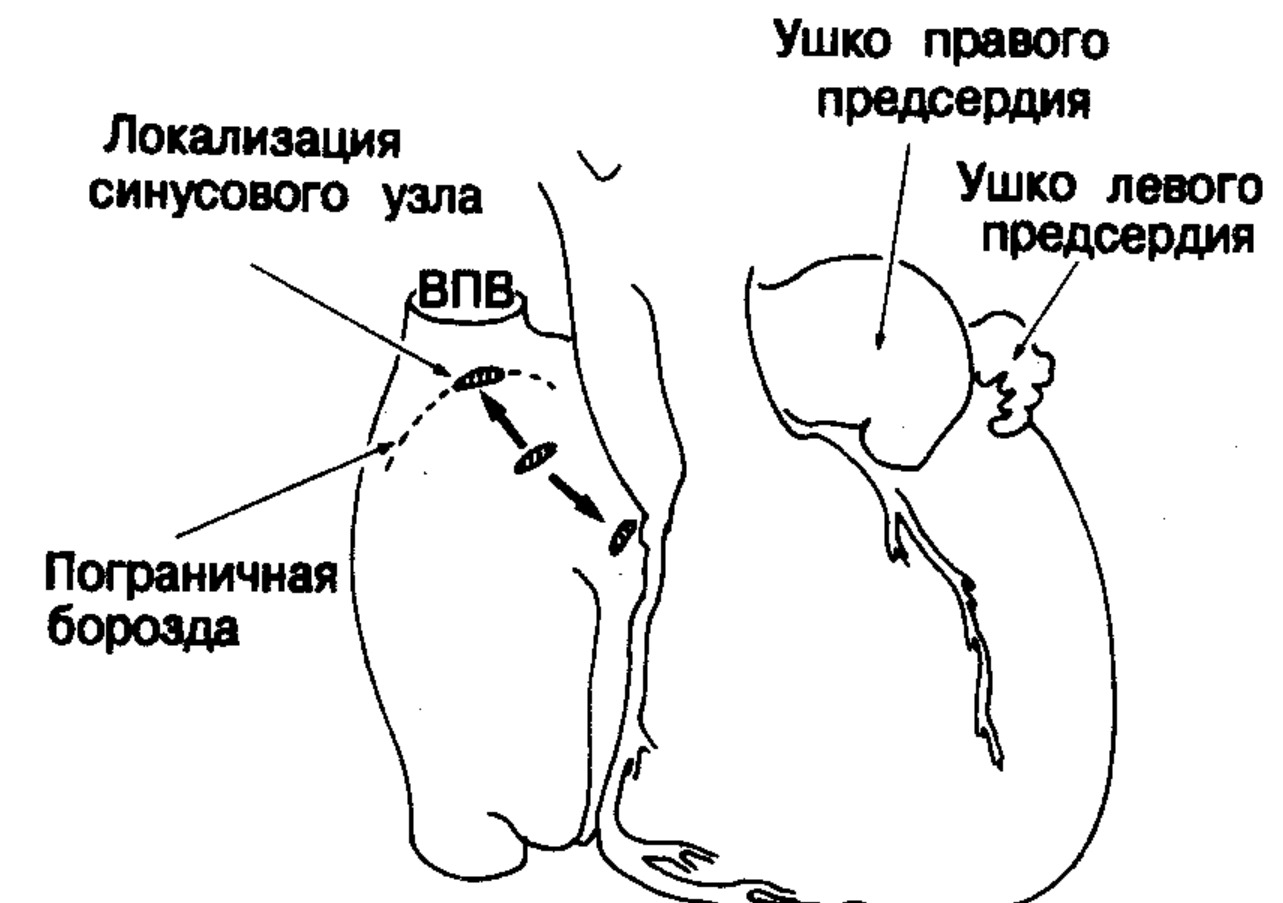
Where the left atrial appendage is located. Image source: studfile.net
Why Stroke Prevention Doesn’t Work for Everyone
Today, medicine offers workable but far from ideal solutions to this problem. Most patients are prescribed anticoagulants — blood-thinning medications. They do indeed reduce the likelihood of clot formation, but they come with a serious side effect.
Reduced clotting means an increased risk of dangerous bleeding. This is especially critical for elderly people or patients with stomach ulcers, hypertension, liver disease, kidney disease, or cancer. Many simply cannot take such pills on a permanent basis.
The second option is mechanical closure of the left atrial appendage. Doctors use a catheter to deliver a tiny implant into the heart, which opens like a metal umbrella and seals the entrance to the dangerous pouch. This method also has drawbacks:
- The shape and size of the atrial appendage are unique in every person, so a rigid implant doesn’t always create a completely airtight plug.
- Due to gaps, blood can seep through, and clots sometimes form right on the surface of the metal umbrella.
- The implant’s anchoring elements (microscopic hooks) can injure the delicate tissues of the heart.
A New Way to Protect Against Stroke
According to the authors at Science Alert, a team of researchers has proposed a radically different approach. Instead of trying to close the opening with hard metal, they decided to use a magnetically controlled fluid. The procedure looks like this:
- Doctors inject magnetic fluid directly into the left atrial appendage through a long flexible catheter.
- Outside the patient’s body, a magnetic field is created. It guides the fluid and securely holds it inside the cavity, preventing it from being washed away by blood flow.
- Within a few minutes, the material reacts with water contained in the blood and thickens, turning into a soft “magnetogel.”
The main advantage of this technology is that the fluid perfectly adapts to any anatomy, filling all irregularities of the cavity and creating a cast with no visible gaps. Over time, the inner lining of the heart simply grows over this gel, forming a smooth and healthy surface where clots have nothing to cling to.
Drawbacks of the New Stroke Prevention Method
At this point, the technology has only been tested on animals. First, the concept was successfully tested on rats, and then researchers moved on to pigs — a crucial step in cardiology, since the pig heart is very similar to the human heart in size, structure, and function.

Tests on pigs confirmed that the gel reliably seals off the dangerous zone without harming tissues
The results of the pig experiment were impressive. Over 10 months of observation, the magnetic gel remained stable: no leaks or clots were recorded. The heart tissues successfully grew over the gel in an even layer, and unlike metal implants, the absence of anchoring hooks helped avoid damage to the heart walls.
Despite this success, it will be years before the method appears in hospitals. Researchers still need to tackle several serious challenges:
- Conduct large-scale clinical trials to confirm long-term safety in humans.
- Solve the diagnostics problem: the presence of magnetic particles in the heart can distort MRI images, making that area a “blind spot” for scanners.
- Complete the lengthy medical device certification process.
For now, the magnetic gel remains only a promising laboratory invention. However, it perfectly demonstrates how materials science and bioengineering can elegantly overcome the physical limitations of traditional cardiology. Given that tens of millions of people suffer from atrial fibrillation, even partial adoption of such technologies could dramatically reduce global stroke statistics.