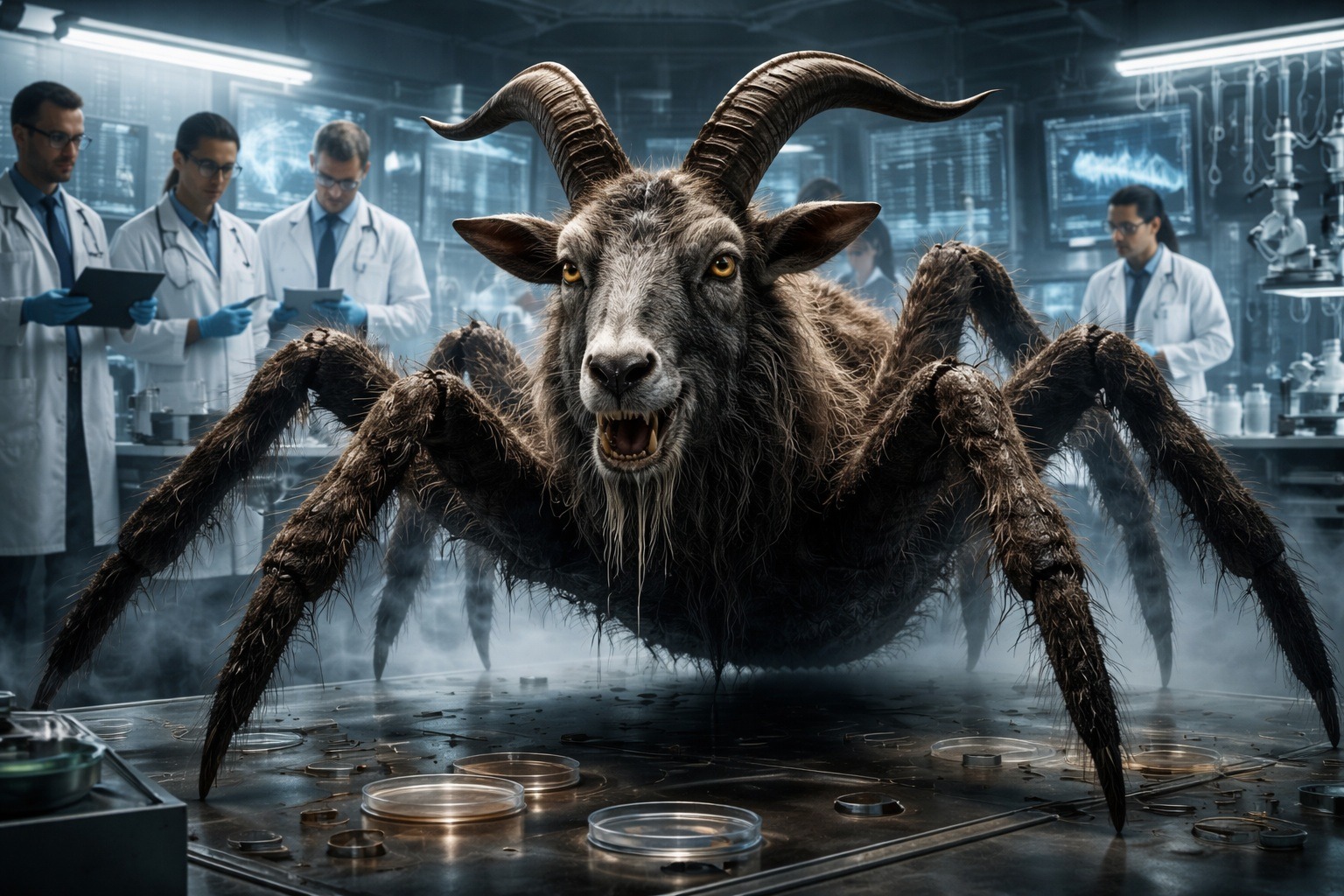
The experiment crossing a spider and goat was successful, but problems arose later
Goat spider silk… Sounds insane, but that’s exactly what scientists were once pursuing. Spider silk is stronger than steel and more elastic than nylon, but breeding spiders on farms is impossible: they would devour each other. So researchers came up with a brilliant plan — take a spider gene and implant it into a goat. So it would produce milk containing spider silk protein. Not pure spider silk, of course, but raw material from which fibers could later be made. So what came of this?
The Goat-Spider Hybrid
In 2010, Professor Randy Lewis took DNA from an orb-weaver spider, extracted the necessary gene, and implanted it into the embryo of an ordinary goat. From the outside, it looked like science fiction: a goat was born that was outwardly no different from its relatives. But there was one detail — its milk contained spider silk protein. From one liter of such milk, as much valuable material could be extracted as a million spiders would produce in an entire day.
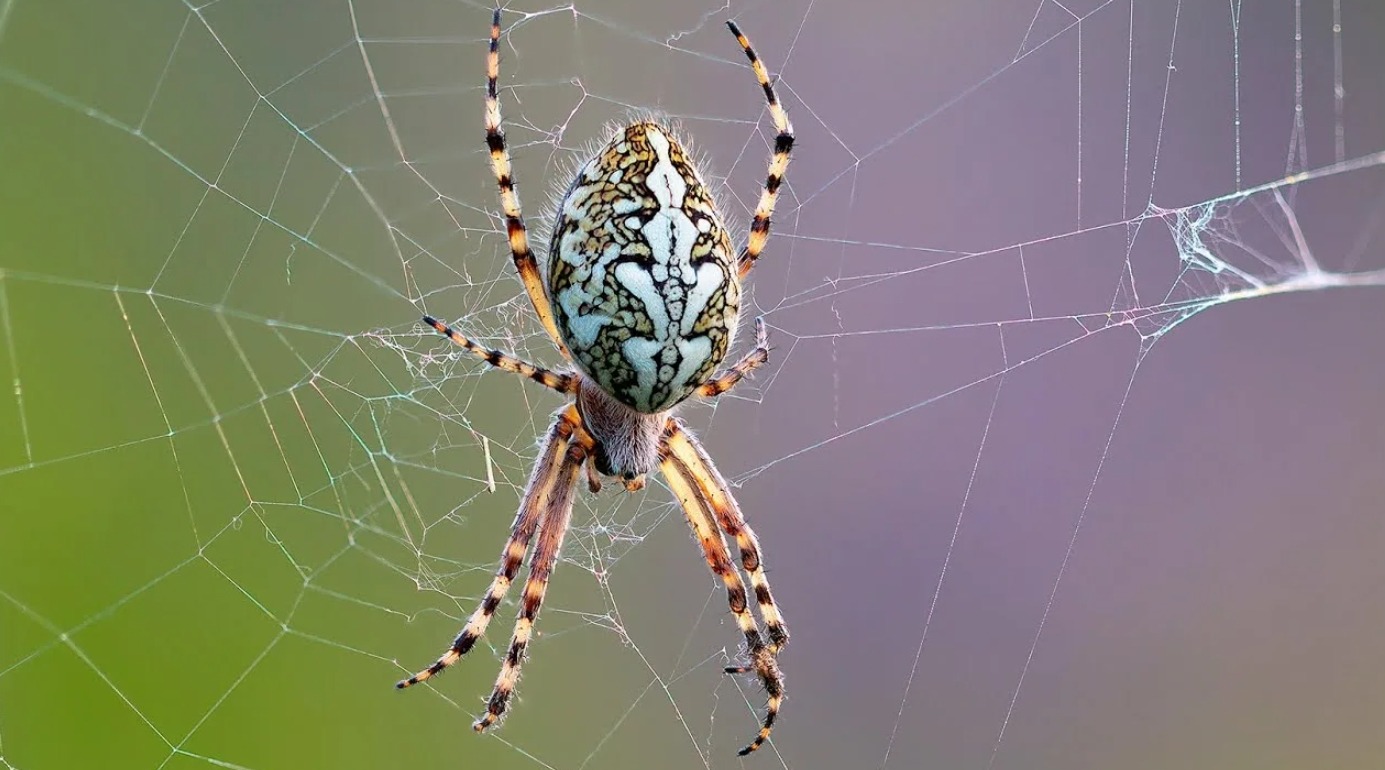
Orb-weaver spider. Image source: Live Science
Why Spider Silk is Needed
Spider silk is stronger than steel, more elastic than nylon, and lighter than down. The military dreamed of body armor made from spider silk, surgeons — of sutures that the body doesn’t reject and that dissolve on their own when the wound heals.
It could also be used to make artificial ligaments, coatings for implants, and even computer chips. The only problem is that breeding spiders on farms is impossible — these creatures would simply devour each other.
Why Goats Don’t Produce Spider Silk
After the crossbreeding experiment, an entire farm of such spider-goats appeared in the USA. The animals felt fine, produced offspring, and the mutation was passed on by inheritance.
It would seem, here it is, success: you milk the goat and get super-material. But the business went south… The company working on this project eventually went bankrupt. The technology turned out to be too expensive and complex for mass production.
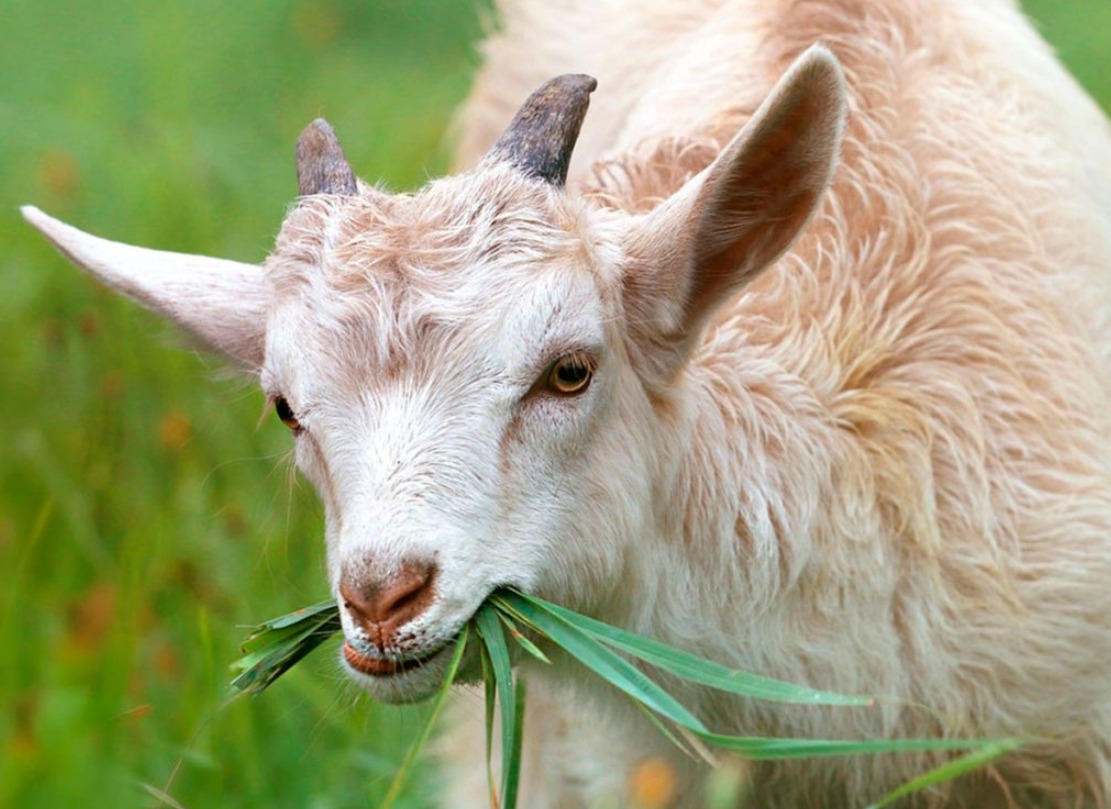
Goats turned out not to be the best option for producing spider silk. Image source: akademia-burda.ru
Clothing from Spider Silk
While the goats grazed in the meadow, scientists found another path — genetically modified yeast and bacteria. These turned out to be more cooperative.
In 2017, the company Bolt Threads made 90 kilometers of spider threads and created 50 ties from this protein. Each was sold for $314, but you couldn’t just buy one — they were raffled in a lottery.
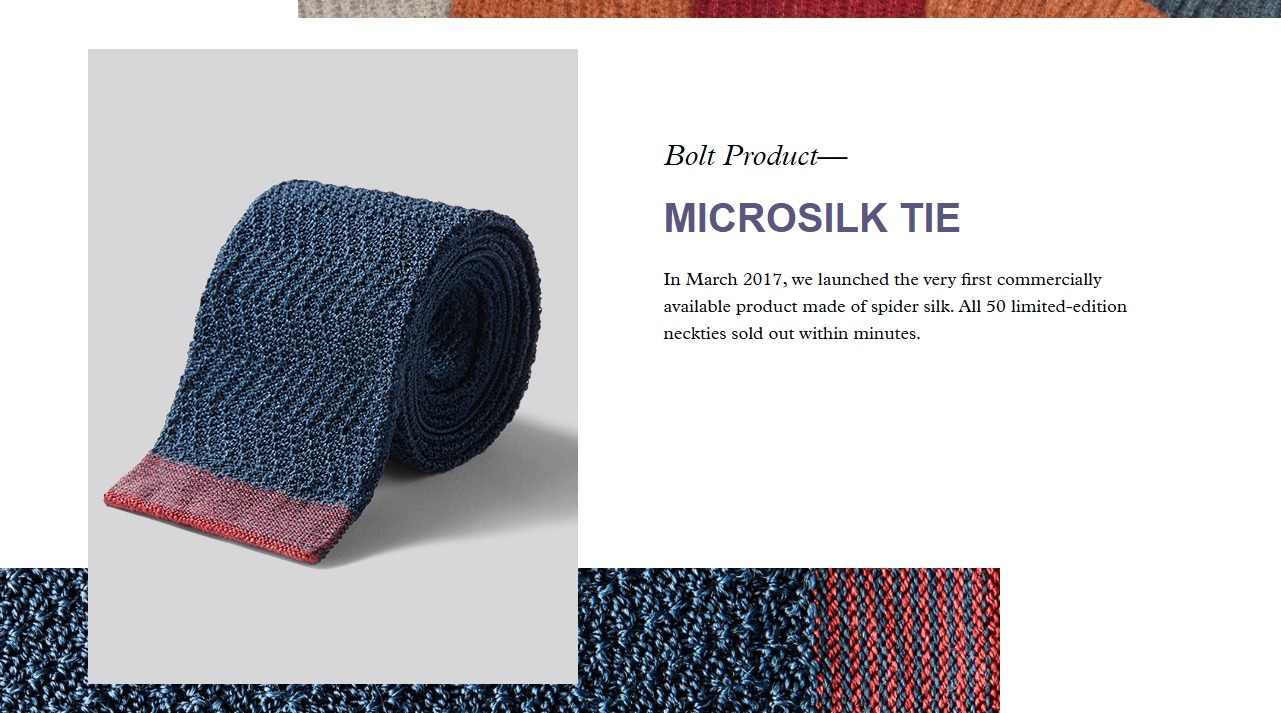
Bolt Threads tie made from spider silk. Image source: boltthreads.com
Adidas also got involved and released Futurecraft Biosteel sneakers made almost entirely from spider silk. And The North Face made the Moon Parka jacket — warm, waterproof, but breathable.
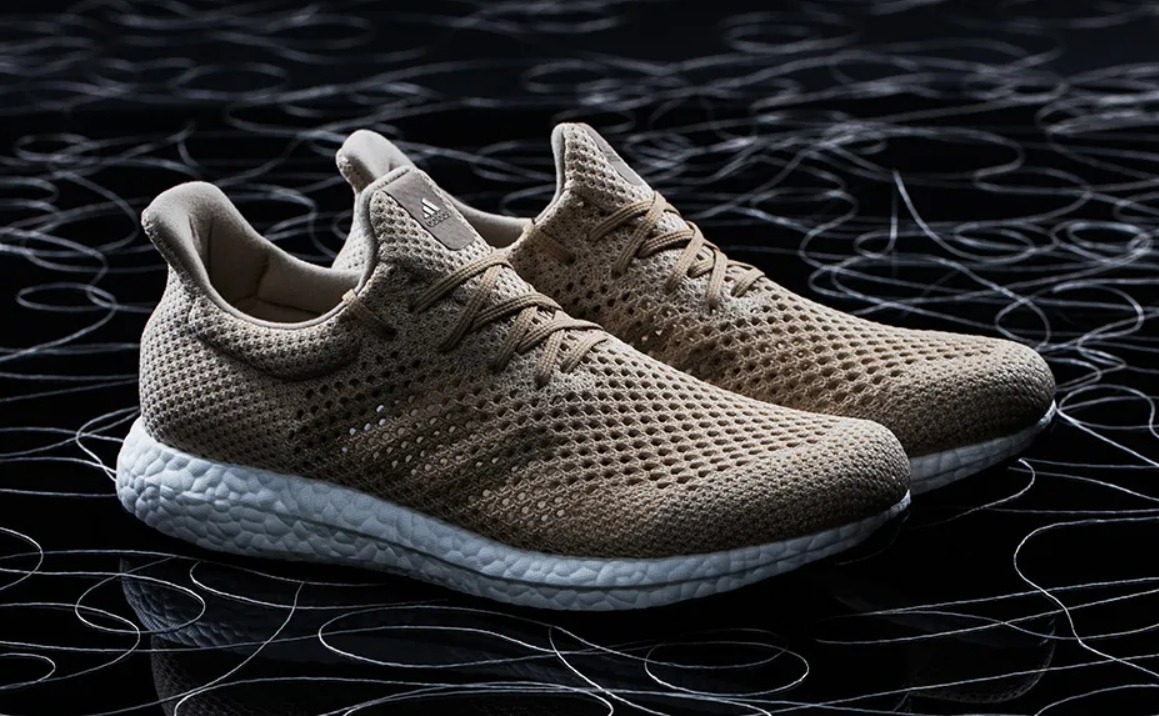
Adidas sneakers made from spider silk. Image source: sneakernews.com

North Face Moon Parka jacket. Image source: forbes.com
What’s the Bottom Line?
Goats were not destined to become factories for spider silk, but they left their mark on history.
The experiment proved that implanting genes from arthropods into mammals is actually possible. Now the bet is on bacteria and yeast, because they’re cheaper and don’t require hay. But the idea itself lives on: one day we’ll wear jackets made from spider silk, treat wounds with spider threads, and won’t even remember that it all started with a crazy attempt to cross a goat with a spider.