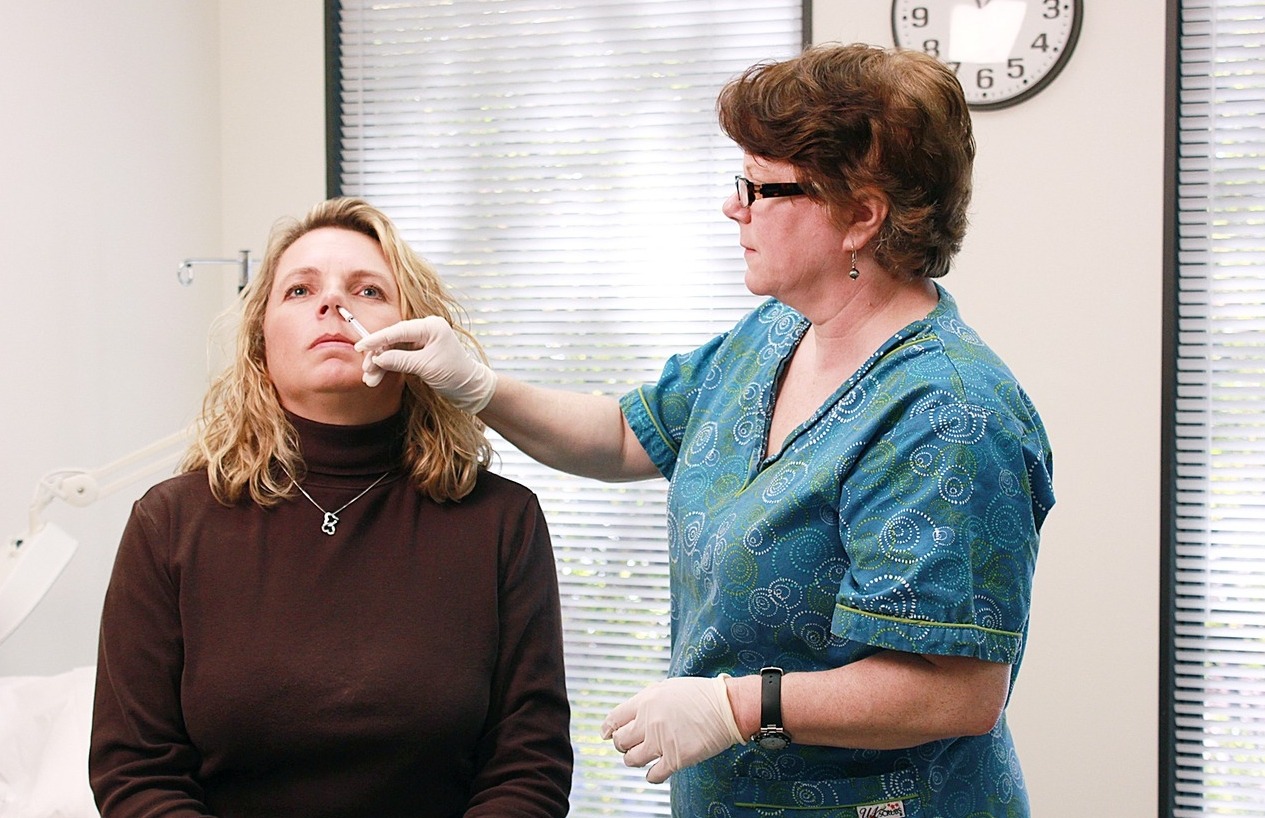
Perhaps in the future, seasonal vaccination will look just like this: a couple of drops in the nose before work in the morning. Image source: zmescience.com
We all know about the flu, COVID, and a whole host of respiratory infections that each require separate vaccinations. But what if there were a single vaccine that you didn’t even need to inject — just spray it into your nose? Scientists have developed a nasal vaccine capable of simultaneously fighting multiple pathogens. And the first results in mice have been more than encouraging.
Why Conventional Vaccines Poorly Protect the Respiratory Tract
Most vaccines that we are accustomed to using are administered intramuscularly. This is an effective way to trigger a systemic immune response: the body produces antibodies that circulate in the blood and are ready to meet the enemy. But there’s a catch. The thing is, respiratory infections don’t start in the blood but on the mucous membranes of the nose, throat, and lungs. That’s exactly where viruses and bacteria establish themselves in the first hours after infection.
A classical injection creates powerful protection “deep” within the body, but the mucous membranes of the respiratory tract remain relatively vulnerable. Immune cells from the blood reach them with a delay, and during that time the pathogen manages to multiply. Simply put, an intramuscular vaccination works like a security guard standing inside a building rather than at the front door.
This is precisely why researchers have long been looking for ways to deliver immune protection directly to where the infection begins. And nasal vaccines seem like the most logical solution: a drop in the nose can “train” the local immune system right on the front line.
How the New Nasal Vaccine Works
A group of scientists developed a fundamentally new approach to nasal vaccination. Instead of targeting the vaccine at one specific virus, they created a preparation that reprograms immune cells in the lungs, turning them into universal defenders.
The key idea involves using specially selected molecules that activate so-called resident memory cells directly in lung tissues. These cells, unlike ordinary circulating immune cells, stay in place and respond to threats instantly.
In experiments on mice, the vaccine was simply dropped into the nose. After that, a powerful immune network formed in the animals’ lungs, ready to repel attacks from several types of pathogens at once. For comparison, mice that received a classical injection of the same vaccine had significantly weaker protection in the respiratory tract. The nasal version provided protection for several months, which for a mouse with its short lifespan is equivalent to years in a human.
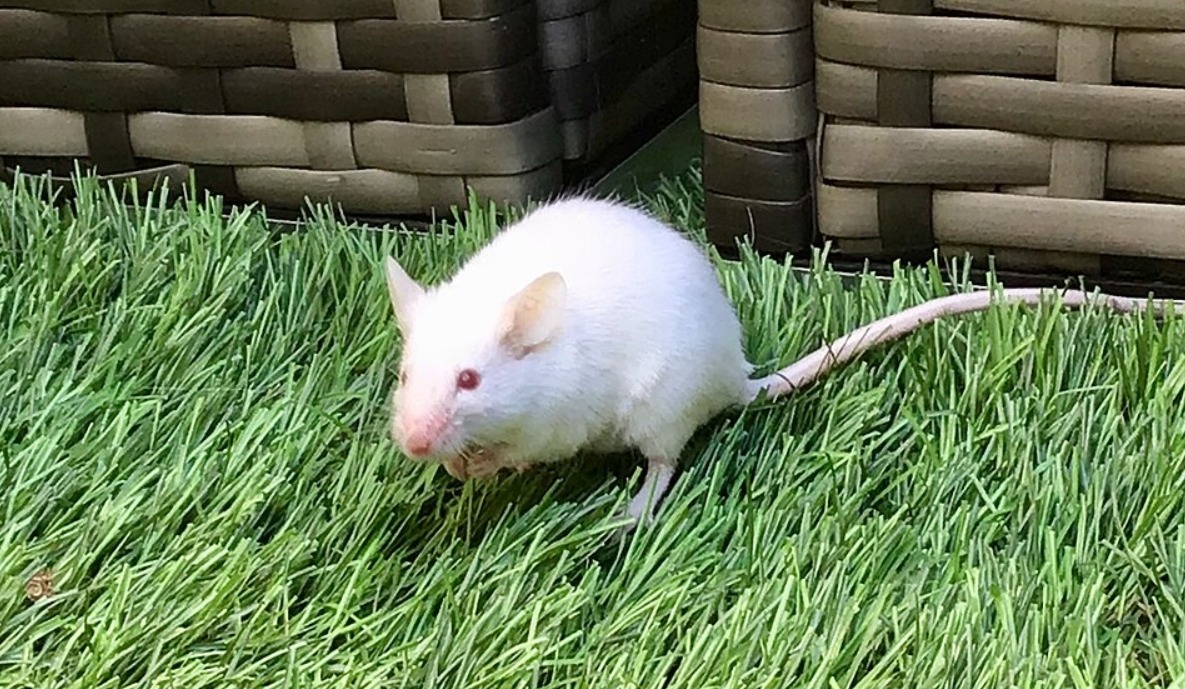
Experiments on mice showed good results, and this is encouraging. Image source: wikimedia.org
Why This Vaccine Is Universal
At first glance, the idea of a “universal” vaccine seems too good to be true. After all, each pathogen is unique, and the immune system usually remembers specific proteins of a specific virus. But in reality, things are a bit more complex.
The new vaccine uses a combination of antigens from several respiratory infection agents. But the main trick isn’t in that. A substance in the preparation activates the innate immunity of the mucous membranes, which works more broadly. It doesn’t just “remember” one virus but puts the entire lung immune system into a state of heightened readiness.
Results showed that mice that received the nasal vaccine were protected from several strains of influenza, as well as from other respiratory pathogens. At the same time, the level of protection was comparable to that provided by separate vaccines for each infection. In other words, universality did not come at the expense of effectiveness.
Scientists attribute this to a special type of immune response that forms specifically with nasal administration. So-called iBALT structures (induced bronchus-associated lymphoid tissue) form in the lungs. Essentially, these are miniature “lymph nodes” right in the lungs that quickly recognize and destroy pathogens before they can cause serious illness.
When Will the Nasal Vaccine Become Available
It’s important to understand that so far all these impressive results have been obtained in mice. The path from laboratory success to the pharmacy shelf in the world of vaccines usually takes 5 to 15 years. However, the COVID-19 pandemic showed that this process can be accelerated if there is sufficient motivation and funding.
Already today, approved nasal vaccines exist in the world, but they all target one specific pathogen. The new development is interesting precisely because of its universality. If clinical trials in humans confirm the results of mouse experiments, we may get a vaccine that replaces several seasonal shots at once.
There is another advantage: a nasal vaccine doesn’t require syringes, special storage at ultra-low temperatures, or medical personnel for administration. This could fundamentally change the situation in developing countries where access to medical infrastructure is limited.
The development of next-generation nasal vaccines shows that the future of immunization may turn out to be much simpler and more convenient than we are accustomed to thinking. One drop in the nose instead of several shots in the shoulder. It sounds too good to be true, but science has already taken the first step.