The rise in prices of Chinese smartphones at the beginning of 2026 was unpleasant news for all of us. But it didn’t stop with China. Now the Koreans from Samsung have joined this trend. The company raised Galaxy prices, with everything getting more expensive: both smartphones and tablets. The increase ranged from $40 to $280 depending on the model and configuration. Let’s break down exactly what got more expensive and whether you should rush to buy.
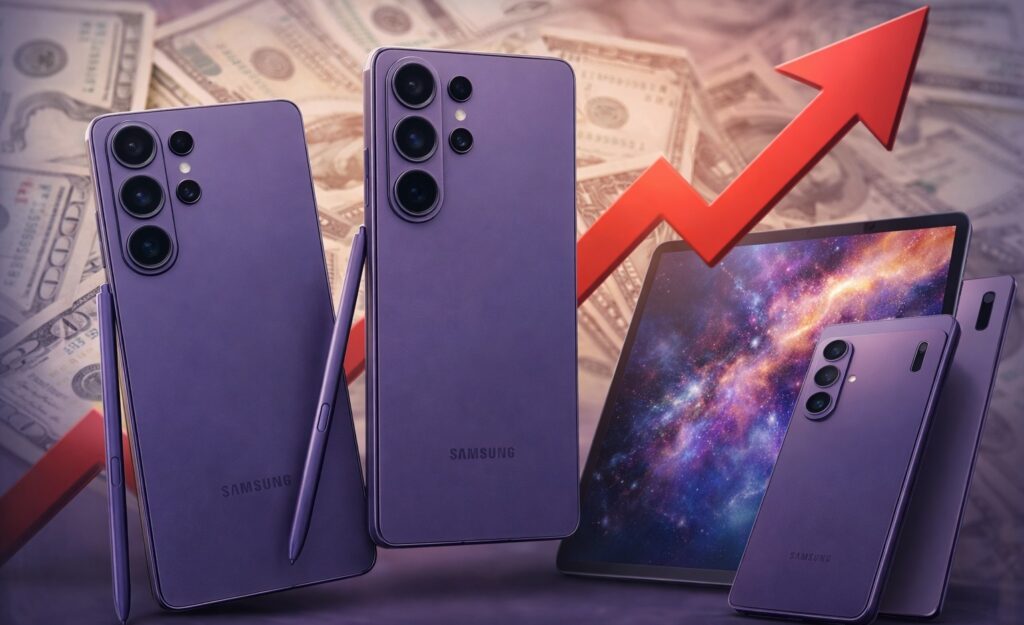
Samsung prices have skyrocketed
Why Samsung Raised Prices
There’s one reason — a global memory shortage. The smartphone price increase in 2026 has affected the entire market: memory manufacturers can’t keep up with growing demand, and the component shortage is pushing device costs upward.
Samsung is no exception. Shortly before this, Motorola raised prices on the Moto G lineup, and Microsoft increased the cost of Surface tablets. The reason for the smartphone price increase is the same for everyone: the cost of RAM and storage has risen across the entire production chain, and manufacturers are passing these expenses on to consumers.
Which Samsung Smartphones Got More Expensive
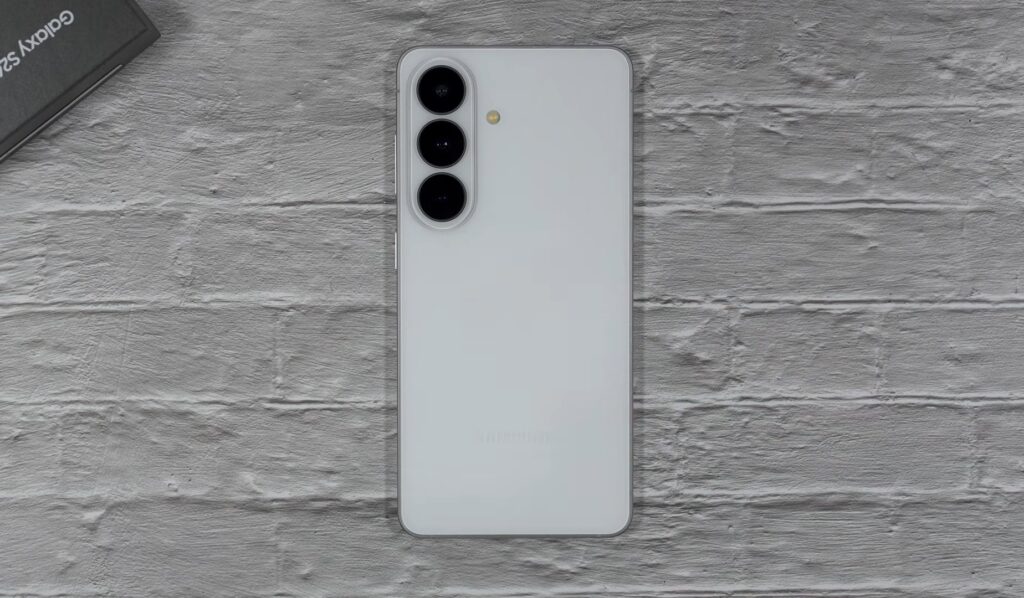
Among smartphones, mostly flagships got more expensive. Image: SamMobile
Among smartphones, the price increase affected higher-end and mid-range configurations. Base versions in most cases remained at the same price, but versions with increased storage have noticeably risen in cost. The Samsung price increase in the smartphone segment looks like this:
- Galaxy Z Fold 7 (512 GB): was $2,119.99, now $2,199.99;
- Galaxy Z Fold 7 (1 TB): was $2,419.99, now $2,499.99;
- Galaxy Z Flip 7 (512 GB): was $1,219.99, now $1,299.99;
- Galaxy S25 FE (256 GB): was $709.99, now $749.99;
- Galaxy S25 Edge (512 GB): was $1,219.99, now $1,299.99.
The increase for smartphones is relatively modest: from $40 to $80. But this is just the beginning. The trend of rising smartphone prices in 2026 continues, and the next wave of increases could be more significant. A similar story has already happened with other brands: the REDMI smartphone price hike occurred for the same reason. The memory shortage doesn’t discriminate between manufacturers.
Which Samsung Tablets Got More Expensive
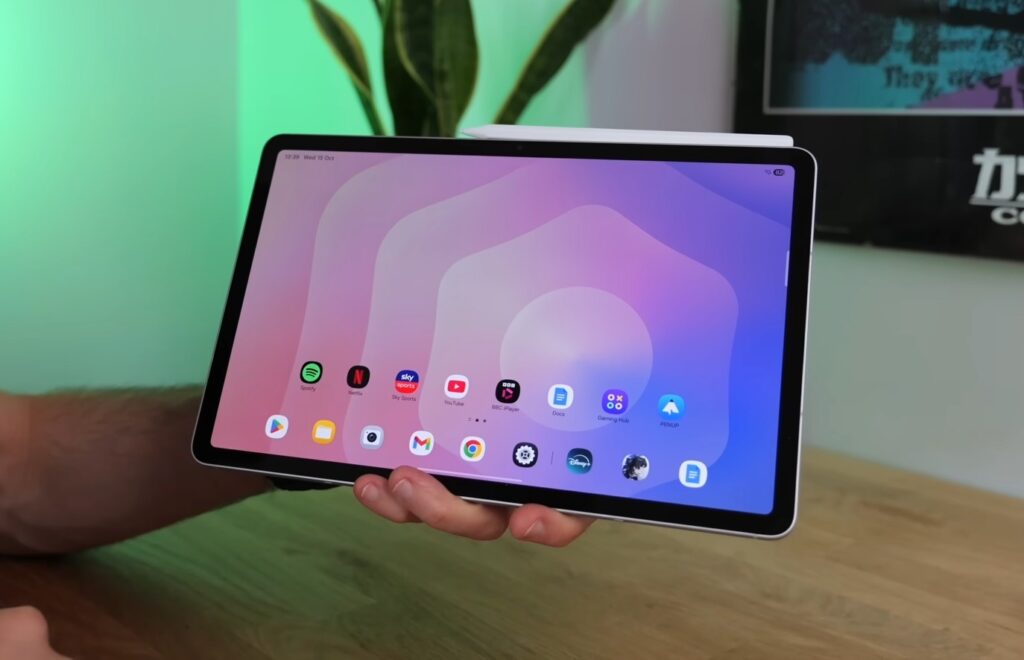
Tablets saw the biggest price increases. Image: Tech Spurt
The tablet lineup was hit significantly harder. The Galaxy Tab S11 Ultra price in the 1 TB version rose from $1,619.99 to $1,899.99 — a record increase of $280 from the entire list. The full picture for tablets:
- Galaxy Tab S11 (128 GB): was $799.99, now $899.99;
- Galaxy Tab S11 (256 GB): was $859.99, now $999.99;
- Galaxy Tab S11 (512 GB): was $979.99, now $1,199.99;
- Galaxy Tab S11 Ultra (256 GB): was $1,199.99, now $1,299.99;
- Galaxy Tab S11 Ultra (512 GB): was $1,319.99, now $1,499.99;
- Galaxy Tab S11 Ultra (1 TB): was $1,619.99, now $1,899.99;
- Galaxy Tab S10 FE (128 GB): was $499.99, now $549.99;
- Galaxy Tab S10 FE (256 GB): was $569.99, now $669.99;
- Galaxy Tab S10 FE Plus (128 GB): was $649.99, now $699.99;
- Galaxy Tab S10 FE Plus (256 GB): was $749.99, now $819.99;
- Galaxy Tab S10 Lite (128 GB): was $349.99, now $399.99;
- Galaxy Tab S10 Lite (256 GB): was $419.99, now $489.99;
- Galaxy Tab S10 Plus (256 GB): was $999.99, now $1,099.99;
- Galaxy Tab S10 Plus (512 GB): was $1,119.99, now $1,299.99;
- Galaxy Tab A11 Plus (128 GB): was $249.99, now $299.99;
- Galaxy Tab A11 Plus (256 GB): was $309.99, now $379.99;
- Galaxy Tab A11 Plus 5G (128 GB): was $279.99, now $329.99.
The Tab S11 story is particularly telling: the 256 GB version went up by $140, and the 512 GB version — by $220. The more storage, the harder the price increase hit. This is a direct consequence of rising costs for the storage components themselves.
Should You Buy a Samsung Galaxy Now
The figures above apply to the US market, but Samsung prices in Russia traditionally move in the same direction with a slight delay. If a price increase is recorded in the US, Russian price tags are adjusted shortly after (usually within a few weeks).
If purchasing a Samsung was in your plans, the logic is simple: don’t wait. Analysts don’t expect memory prices to decrease in the coming months, which means Samsung prices in 2026 will very likely rise even further. Samsung pricing on new devices launching in the second half of the year will initially be set with the new procurement costs factored in. If your budget is limited and you don’t want to pay the new prices, it’s worth considering alternatives.