Do you know what happens when your best-selling smartphone simultaneously becomes your least profitable one? That’s exactly what’s happening with Samsung right now. Galaxy S26 is breaking pre-order records, while inside the corporation the word “crisis management” is being thrown around — specifically in the mobile business that has been feeding the entire company for years. And against the backdrop of critical Galaxy S26 flaws that the company has already acknowledged, this sounds even more pessimistic. Let’s figure out why this happened and what it means not only for buyers but for the company itself.
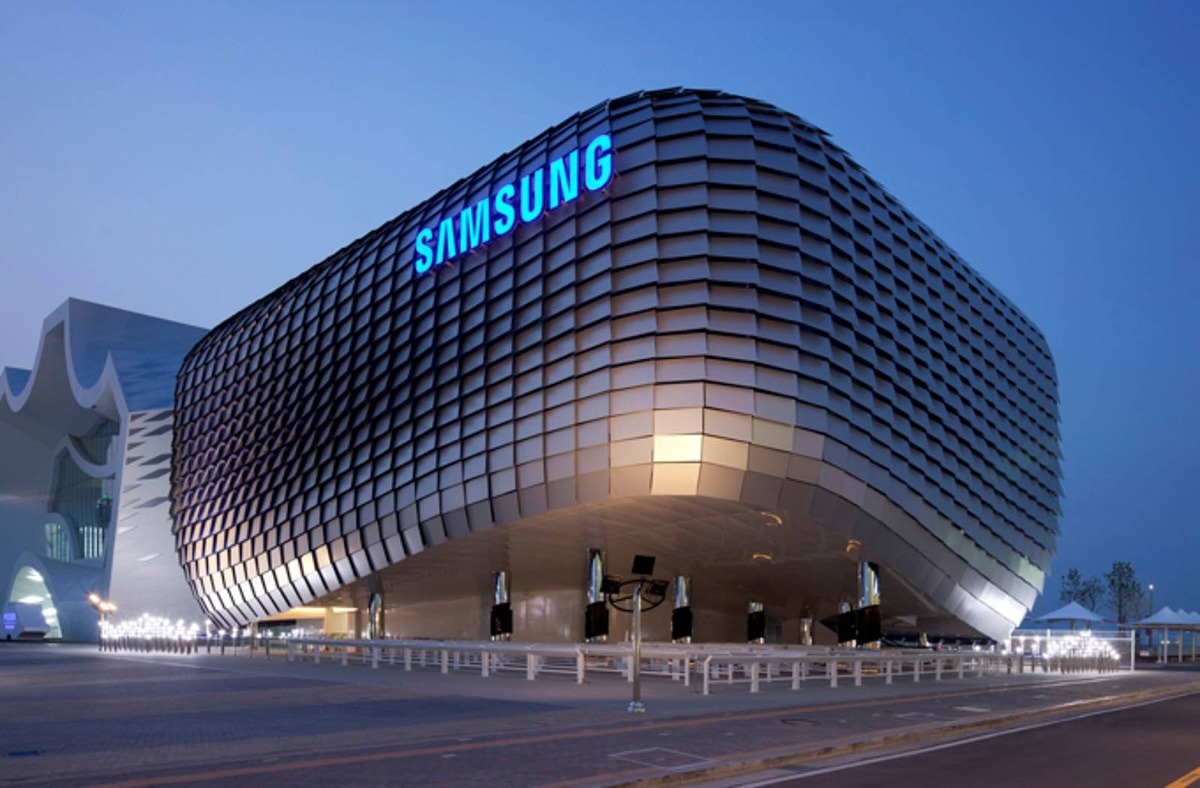
Samsung has introduced crisis management. Image: Fortune
Why Samsung Is Doing So Badly
South Korean publication Financial News confirmed — at the end of February 2026, Samsung extended its crisis management regime to the mobile division. Before this, the TV and home appliance departments were already operating under strict austerity — both posted losses of around 200 billion won (approximately $135 million) by the end of last year. Now the entire DX division has fallen under the “crisis umbrella” — all of Samsung’s consumer business, except semiconductors.
The main culprit is so-called chipflation. The term is new, but the concept is simple. RAM has become so expensive that it’s breaking the economics of smartphone manufacturing. DRAM chip prices have risen more than 850% over the past year — and that’s not a typo. The cost of memory in a smartphone with an 8 GB + 256 GB configuration has increased by nearly 200% and now accounts for 30–40% of the total bill of materials.
The reason is simple, and lately everyone has been talking about it. Memory manufacturers have redirected capacity toward data centers for neural networks. AI companies are buying up everything that isn’t nailed down in such volumes that there simply isn’t enough left for consumer electronics. For the first time, the smartphone market is competing for components with Microsoft, Google, and OpenAI — and losing.

Here it is, the culprit behind everything. Rising RAM prices have put the entire electronics market in a difficult position. Image: TechSpot
How Much Samsung Will Lose on Smartphones in 2026
It is projected that the operating profit of Samsung’s mobile division will drop by 60% — from $8 billion to approximately $3.3 billion. Operating margin, which stood at 11% in the first quarter of last year, will fall to 3% in Q1 2026. Inside the company, they believe even 1% may prove unachievable, and in the most pessimistic scenario, Samsung’s mobile business could post a loss for the first time in history.
The situation is exacerbated by the conflict in the Middle East and the associated price increases, which drive up additional shipping costs. Samsung’s spending on component procurement in 2025 rose 8.8% to reach $66 billion.
Is Anyone Buying the Galaxy S26
Here’s where the paradox lies. The Galaxy S26, despite quality issues, is breaking all records: 1.35 million pre-orders in South Korea in the first week — an all-time high for the S-series. In the US, pre-orders increased by 25%, with 80% going to the Galaxy S26 Ultra. In Russia, demand was 40% higher than for the previous generation.
But sales are one thing, and profitability is something else entirely. Each unit sold brings the company significantly less profit than a year ago. And that profit still needs to be spread evenly across development costs, with some left over for future products. The situation becomes rather absurd — the more smartphones you sell, the closer you get to a loss.
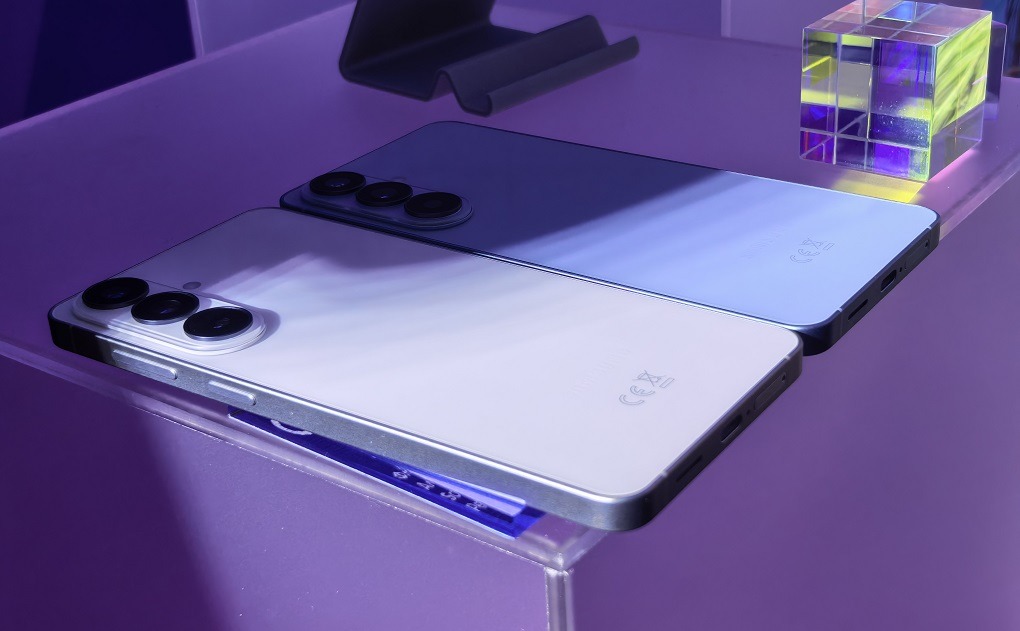
Galaxy S26 is selling well, but that doesn’t make things any easier for Samsung.
What Will Happen to Samsung and What Will Future Smartphones Look Like
Samsung didn’t wait around — all DX division departments have been ordered to cut costs by 30%. Even top managers at the vice president level and below now fly economy class on flights shorter than 10 hours. Against the backdrop of trillion-scale problems, saving on airline tickets looks like a symbolic gesture, but for Samsung it’s a signal — the situation is serious. If performance continues to deteriorate, employees can expect restructuring and voluntary severance programs, while the rest of us can expect slower progress and even weaker models in the future if the situation doesn’t improve soon. For a while, the company’s stockpile of innovations will hold, since some have been saved for future generations, but the more distant future remains unclear.
Samsung’s problem is the entire market’s problem. Vivo and OPPO have already announced price increases starting March 18, and Xiaomi and Honor are preparing similar moves. According to Counterpoint Research forecasts, global smartphone shipments in 2026 will decline by nearly 13% — the biggest drop in a decade. For buyers in Russia, this means price increases of 15–30%, with the budget segment hit hardest. It’s even possible that smartphones with 4 GB of RAM could make a comeback — a 2019-era spec.
Will Smartphones Get Cheaper
In short — no. At least not in the next two years. Samsung itself told investors that it has no plans to sharply ramp up memory production. The logic is clear — why crash the prices of something that’s bringing record profits to the semiconductor division?
The result is a paradox: one part of Samsung profits from expensive memory, while another loses money because of it. New DRAM factories won’t begin operating until the second half of 2028. Personally, I would recommend — if you’re planning to upgrade your smartphone, it’s better not to wait. It’s certainly not going to get cheaper than it is today.