Samsung has once again found itself at the center of discussion — and this time it’s not about cameras or artificial intelligence, but about the screen. Now everyone is talking about the fact that the Ultra version received an 8-bit panel, even though pre-release briefings promised 10-bit color depth. The company has already confirmed that its expensive flagship has a number of issues. This is a reason to consider what exactly the buyer is getting and how such statements affect trust in the brand.
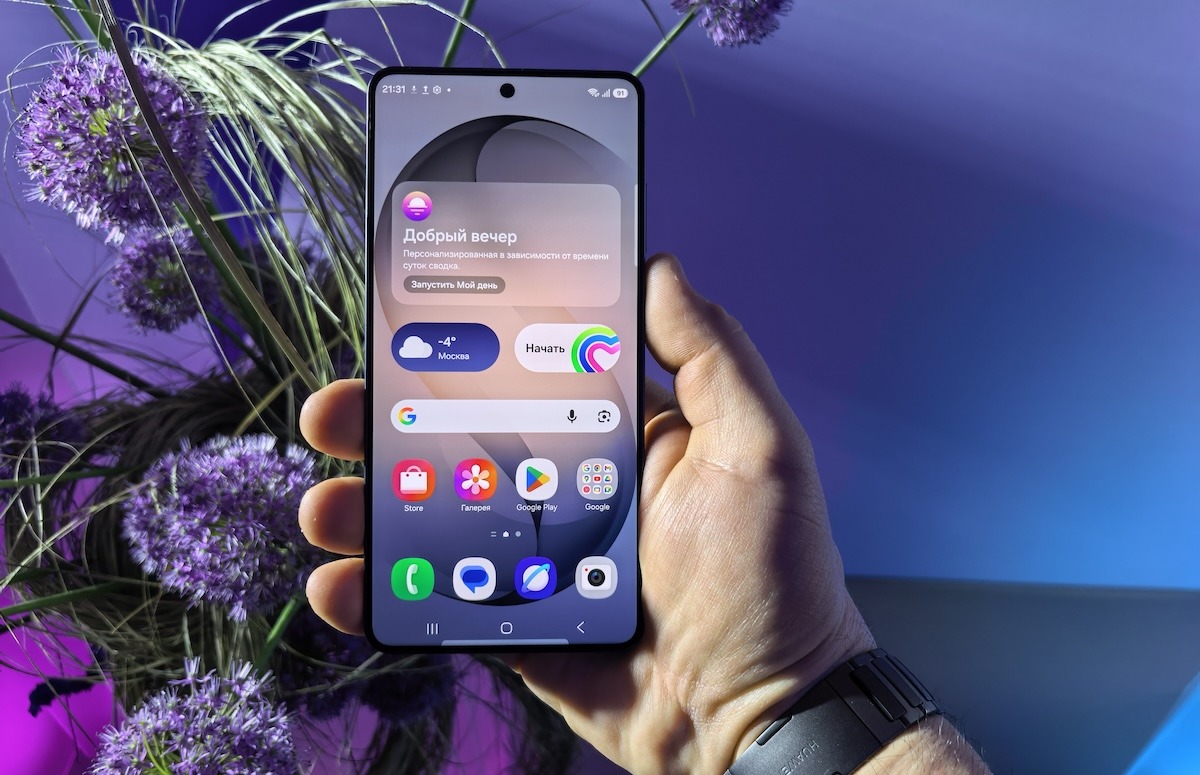
The Samsung Galaxy S26 screen somewhat tarnished its own impression.
How Much Worse Is an 8-Bit Display Compared to a 10-Bit One
Samsung clarified: the Galaxy S26 series uses an 8-bit panel, and the improvements in visual perception are related to the Snapdragon 8 Elite Gen 5 for Galaxy chipset and increased image processing power. But even the most powerful processor doesn’t turn an 8-bit panel into a full-fledged 10-bit display. Computations help with upscaling, noise reduction, tone mapping, and dithering — however, the physical limit on discrete color levels of the panel remains the same.
The difference between 8-bit and 10-bit color depth is not a marketing numbers game. An 8-bit screen displays about 16.7 million shades, while a 10-bit one displays over 1 billion. In practice, this is especially noticeable not in saturated “acid” colors, but in gradients: the sky at sunset, studio backgrounds in video, soft skin shadows.
The fewer available brightness levels, the higher the chance of seeing banding — visible steps in transitions from one shade to another. Manufacturers often smooth this out with software, but that’s exactly why the difference is “sometimes unnoticeable,” and sometimes — glaringly obvious in HDR content and complex scenes with smooth transitions.
Why You Shouldn’t Buy a Samsung Smartphone
The main disappointment isn’t just that the upgrade didn’t happen, but that one thing was said first, and after release, something different turned out to be true. Communication mistakes happen to everyone, but when it comes to a key display characteristic in an ultra-flagship — this is perceived as a dangerous precedent. That is, the manufacturer intended to do one thing, then changed plans, and this is one reason to refuse the purchase.
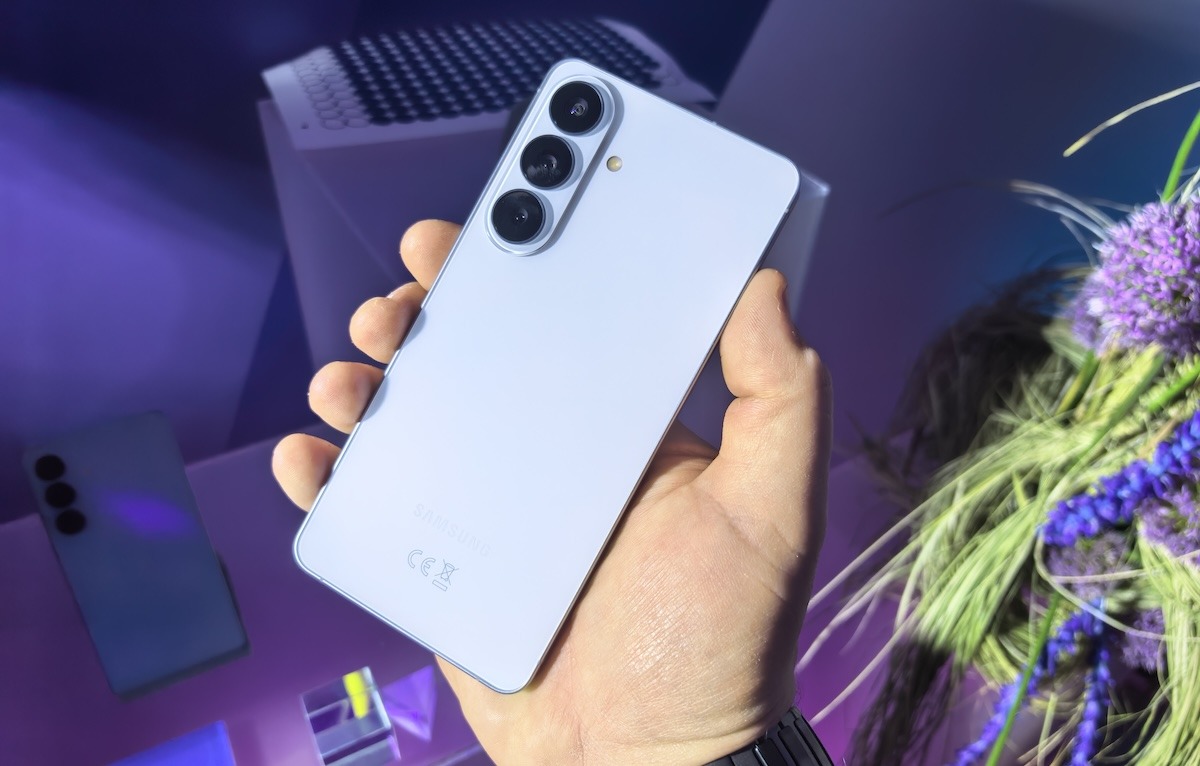
On its own, it’s still a good phone, but if you need the best screen, buying the Galaxy S26 Ultra isn’t worth it. Right now it’s not a leader in this regard.
Especially since 10-bit panels have long ceased to be exclusive to the top segment: they are found in more affordable models from various brands. That’s why the buyer naturally asks — why isn’t this available in the most expensive segment? When you pay the maximum price, you expect the maximum on all fronts, not compromises in basic specifications.
How Screen Dimming Works in New Samsung Phones
In 2026, the S26 Ultra display is already under close scrutiny due to the Privacy Display feature — a technology that, through a special pixel structure, makes screen content harder to read from angles. The idea is useful, since the person next to you on the subway can no longer peek at your screen. However, some users note that it affects the “purity” of the image and overall display accuracy even in scenarios where privacy isn’t needed.
Against this backdrop, the news about 8 bits instead of the promised 10 adds a feeling of compromises where they are least expected. Two controversial display decisions in one flagship — that’s no longer a coincidence, but a pattern that’s hard to ignore.
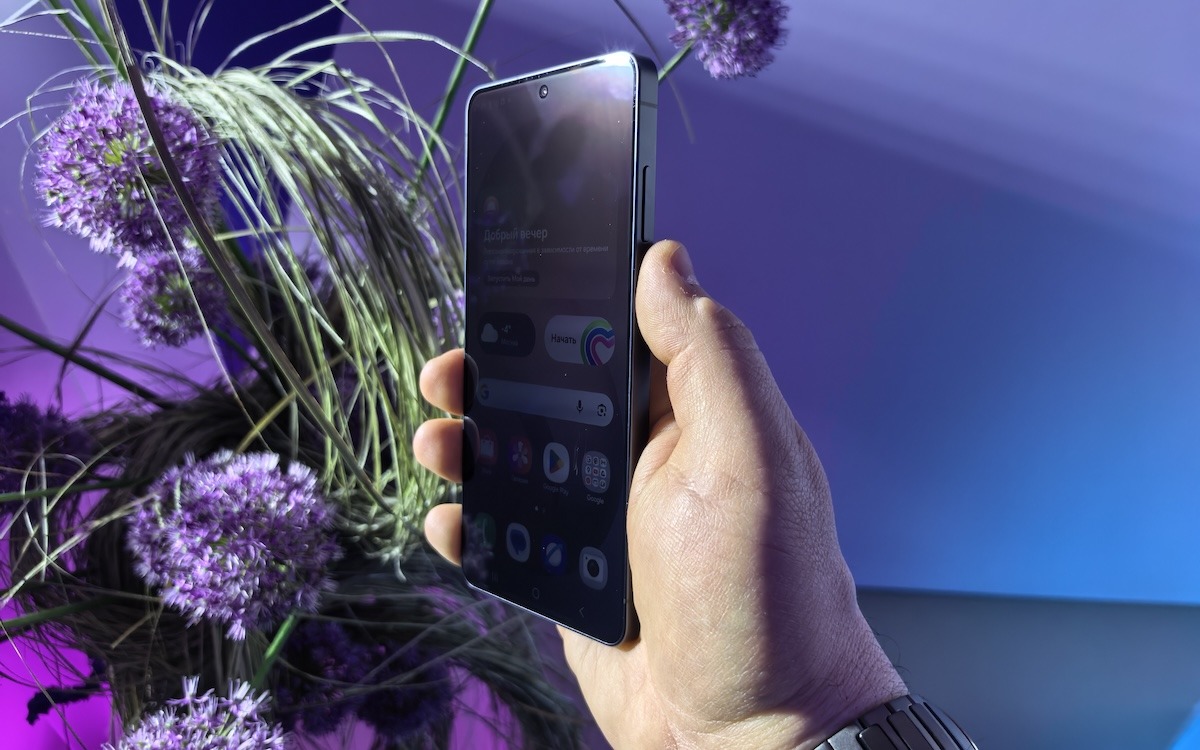
But they did get this screen dimming at an angle. It’s not complete, but it exists.
According to rumors, Samsung may not switch to 10-bit even in the Galaxy S27 lineup, postponing the update to the Galaxy S28 Ultra in 2028. Such forecasts should be taken cautiously: plans for components do change, and leaks are often inaccurate.
But the very fact that such discussions have emerged shows that the topic has become sensitive. The market is clearly ready to perceive 10 bits as the norm for the Ultra class, not as a nice option. And if Samsung continues to delay this transition, competitors who already offer 10-bit panels in more affordable models will gain a strong argument in their favor.