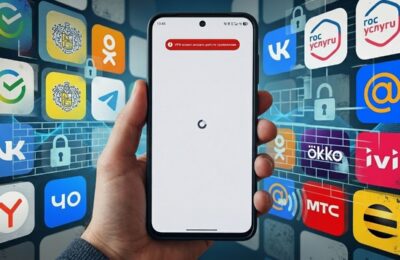
While regular VPNs in Russia are being blocked one after another, RuStore is exploring the possibility of launching its own service. The information emerged after users started receiving surveys from the domestic app store with questions about a potential product. RuStore itself stated that the company is not developing a VPN but is merely “studying market needs.” It sounds like classic corporate “no comment,” but surveys with specific pricing tiers speak for themselves. Context matters: VPN has stopped working for millions of Russians, and it’s against this backdrop that the idea of a state-approved service is emerging.
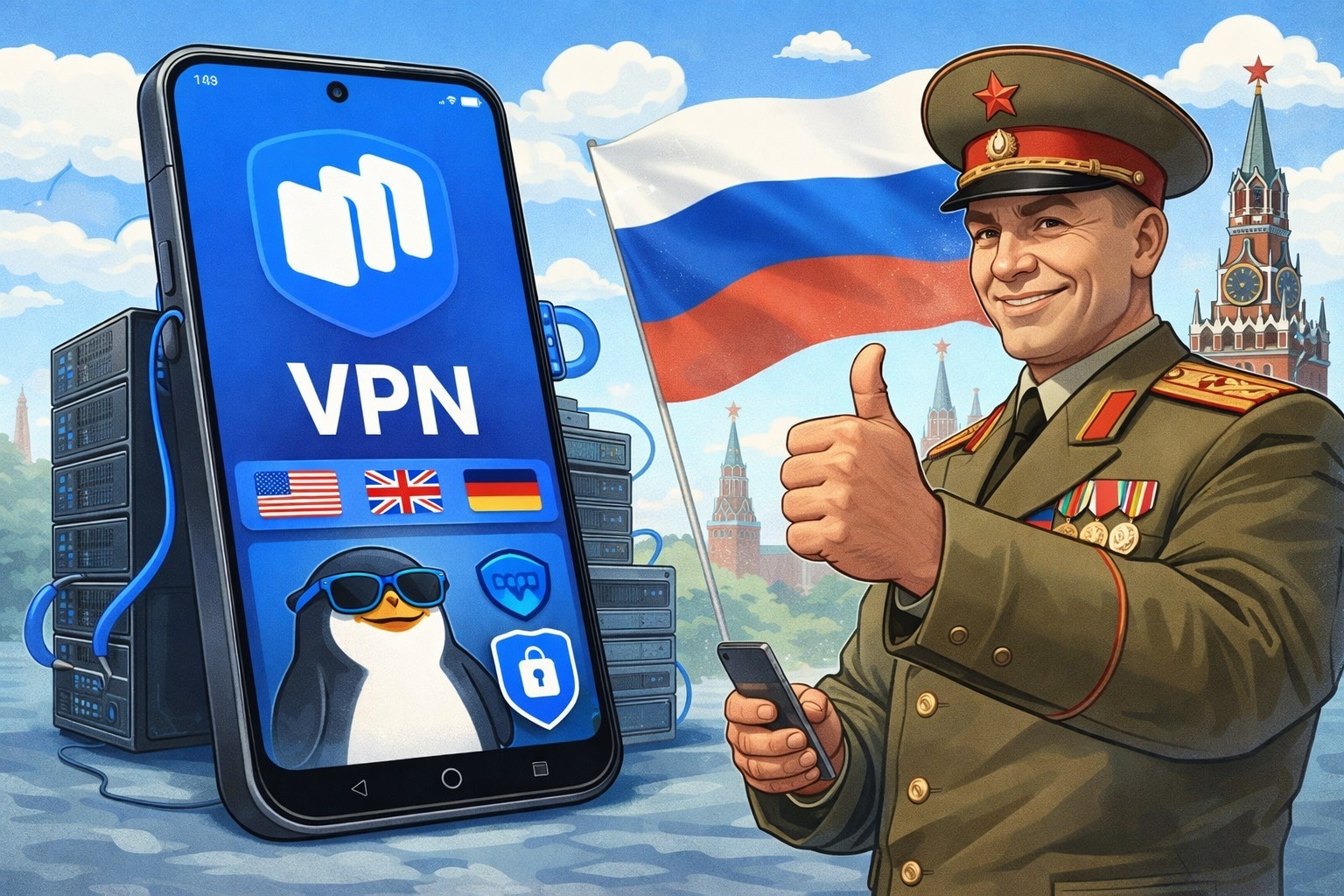
This VPN won’t be banned in Russia
What a Legal VPN in Russia Will Look Like
The legal VPN in Russia from RuStore is planned to be built directly into the app store application. That means there’s no need to download anything separately — everything will be inside. This fundamentally distinguishes it from traditional VPN services that need to be found, installed, and configured separately.
The service is being designed with two tiers: free and paid. Both will operate within the framework of Russian law, and this is the key condition that makes it “legal.” VPN blocking in Russia has reached industrial scale in recent years: Roskomnadzor has already restricted hundreds of services, and the list continues to grow. A VPN that won’t be blocked sounds like an oxymoron, but that’s exactly what RuStore is offering. The logic is simple: a service that follows the rules won’t be subject to blocking.
What the Free Version of RuStore VPN Will Include
The free tier of VPN through RuStore is focused on access to Russian resources. First and foremost, this means Gosuslugi (government services) and banking services. At first glance, it seems strange: why would you need a VPN for Russian websites that already work? The answer lies in context: some users have foreign SIM cards or are located abroad and need stable access to domestic services with a Russian IP address. For them, the free version is a working tool.

When you log into Gosuslugi while sipping coffee at a Parisian café
For most users within Russia, the basic tier solves a rather narrow problem. A free VPN in Russian for accessing Gosuslugi is certainly caring for citizens. But most of them manage domestic services just fine without additional tools.
What the Paid Russian VPN Will Offer
The paid tier is more interesting. The Russian VPN in its premium version is positioned as a tool for “legal and secure access” to foreign platforms. The list of available services includes:
- ChatGPT;
- Anthropic;
- Figma;
- Notion;
- Coursera.
This is a very specific and clear use case. Developers, designers, students, and everyone who needs work tools that are unavailable in Russia due to corporate decisions of foreign companies. A Russian VPN with paid access to Figma and ChatGPT is essentially a corporate product for a professional audience.
The price of the paid tier has not been announced yet. Considering that the RuStore app store belongs to VK, which in turn is closely tied to government structures, pricing will most likely be competitive to lure audiences away from foreign services. You just need to have RuStore installed on your Android device if it’s not already on your smartphone.
How RuStore VPN Differs from Others
This is where things get really interesting. VPN in RuStore is not what users of such services are accustomed to. A regular VPN provides complete freedom, but here we’re dealing with a limited version of it.
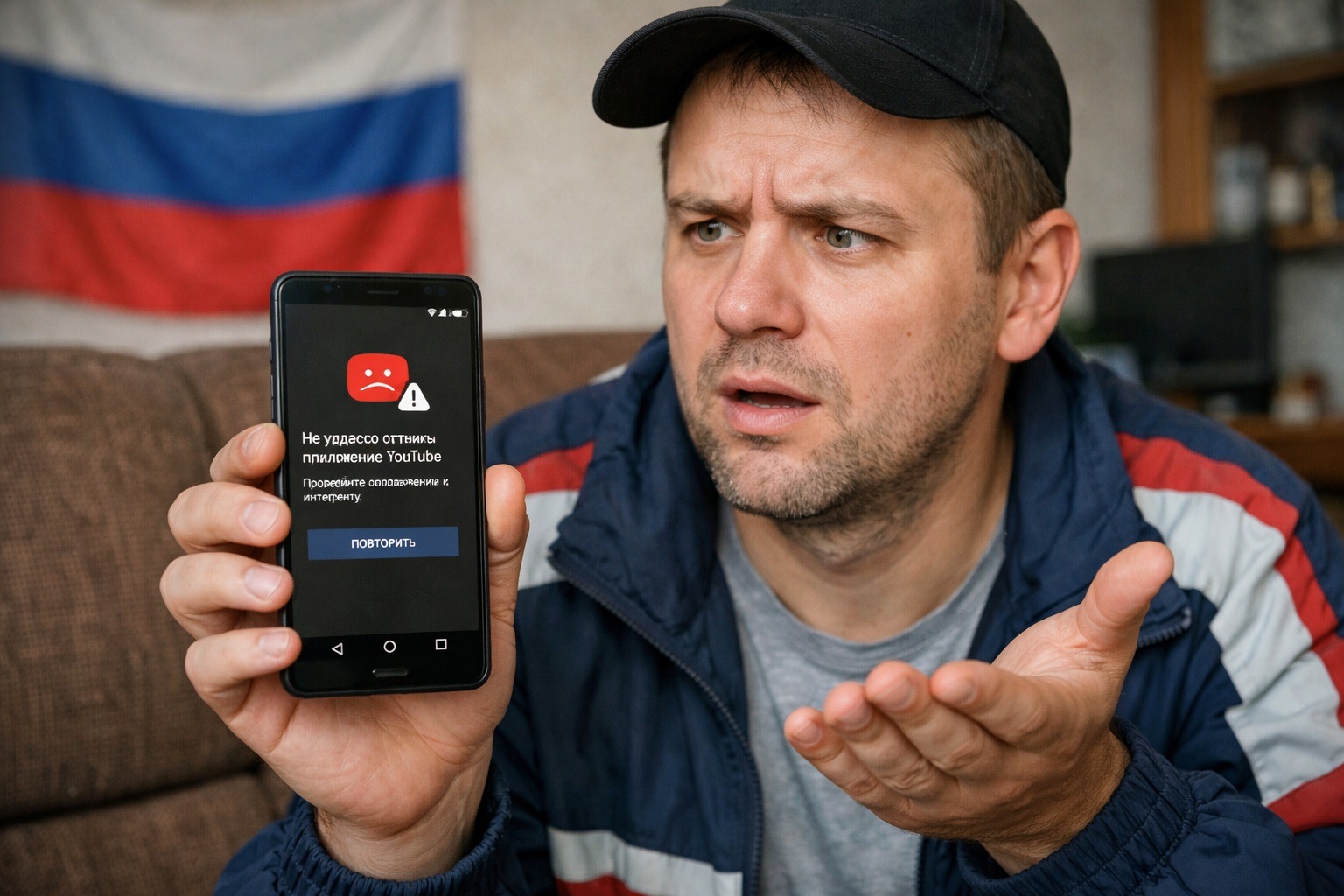
You won’t be able to watch YouTube through this VPN
The list of what won’t work through it is telling:
- Telegram;
- YouTube;
- WhatsApp*;
- Instagram*;
- Facebook*;
- Netflix;
- TikTok.
* — services belong to Meta, which has been designated as an extremist organization and banned in Russia.
In other words, everything that most people install such apps for won’t be accessible through RuStore’s service. The mass blocking of VPNs in Russia has led to the government essentially creating an alternative — but one that only opens what the government deems appropriate to open. ChatGPT — sure, Telegram — no.
This is a fundamental difference from VPNs with Russian servers in the traditional sense. A regular service simply changes your IP address. But the VPN from RuStore offers filtered access with a pre-approved list of permitted resources. Calling this a full-fledged VPN would be a big exaggeration. It’s more of a controlled gateway to approved foreign content.
Legal VPN in this sense is an honest name. It’s legal precisely because it operates strictly by the rules and doesn’t provide anything extra. How much demand there is for this among the audience that’s currently massively searching for a Russian VPN for their phone remains a big question.