Russia’s Ministry of Digital Development has prepared methodological recommendations for the country’s largest internet companies on detecting VPN usage on user devices. The document explicitly acknowledges that such checks are nearly ineffective on iPhones — due to the way iOS is designed. For Apple device owners, this is perhaps one of those situations where the ecosystem’s closed nature works in their favor. Does this mean that charging for VPN traffic on iPhones won’t be possible either?
VPN on iPhone is difficult to identify
The Digital Ministry’s Methodology for Detecting VPN
According to the document, as reported by RBC, VPN detection is proposed in three stages:
- IP address check. The service determines the user’s IP, cross-references it with Russian addresses, and checks it against a list of IPs previously blocked by the regulator.
- App-level check. If the company has its own app installed on the device, it should look for signs of VPN usage at the system level.
- Check on other operating systems. The third stage concerns devices running Windows, macOS, and other desktop platforms.
The Digital Ministry explained in detail how providers can detect VPN usage
Grounds for blocking may include a mismatch between the IP’s country and Russian data, a match with blocked addresses, or frequent country switching. As noted in the guidelines, the first stage alone is insufficient — confirmation through the second or third stage is required. Additionally, Apple is constantly being pressured to remove VPNs from the App Store, forcing iPhone users to switch to other regions.
Why VPN Cannot Be Detected on iPhone
The main problem for those conducting checks is specifically the second stage. The Digital Ministry’s guidelines explicitly state that access to system parameters on iOS is “significantly restricted.” Apps on iPhone operate in a so-called “sandbox” — an isolated environment from which it’s impossible to see what other apps are installed or what network settings the system is using.
In simple terms, a banking or marketplace app on an iPhone cannot determine whether you have a VPN enabled, what other programs are running in the background, or through which network channel your traffic is flowing. This is not a bug but a deliberate decision by Apple for user privacy.
VPN Detection on Android
Detecting VPN on Android is much easier
On Android, things work differently. Apps can use built-in system tools — ConnectivityManager and NetworkCapabilities (service components that show exactly how the device is connected to the network). These can be used to determine whether traffic is going through a VPN connection.
This is precisely why the implementation of VPN detection mechanisms is proposed to start with Android and iOS, but for iPhones, these checks will be significantly less effective, by the ministry’s own admission.
Consequences for VPN Users on iPhone in Russia
It’s important to understand the scope of this news. These are methodological recommendations — a document that describes how services can attempt to detect VPNs. This is not a law or an order requiring companies to immediately block anything.
Nevertheless, the very fact that such guidelines have appeared means that work in this direction is underway. For Android users, the risk of VPN detection by apps is higher than for iPhone owners — simply due to architectural differences between the platforms.
At the same time, the first stage of verification — by IP address — works equally on any device. If a VPN service uses an IP that has already been added to block lists, this will be visible regardless of the operating system.
VPN Blocking Risks for iPhone Owners
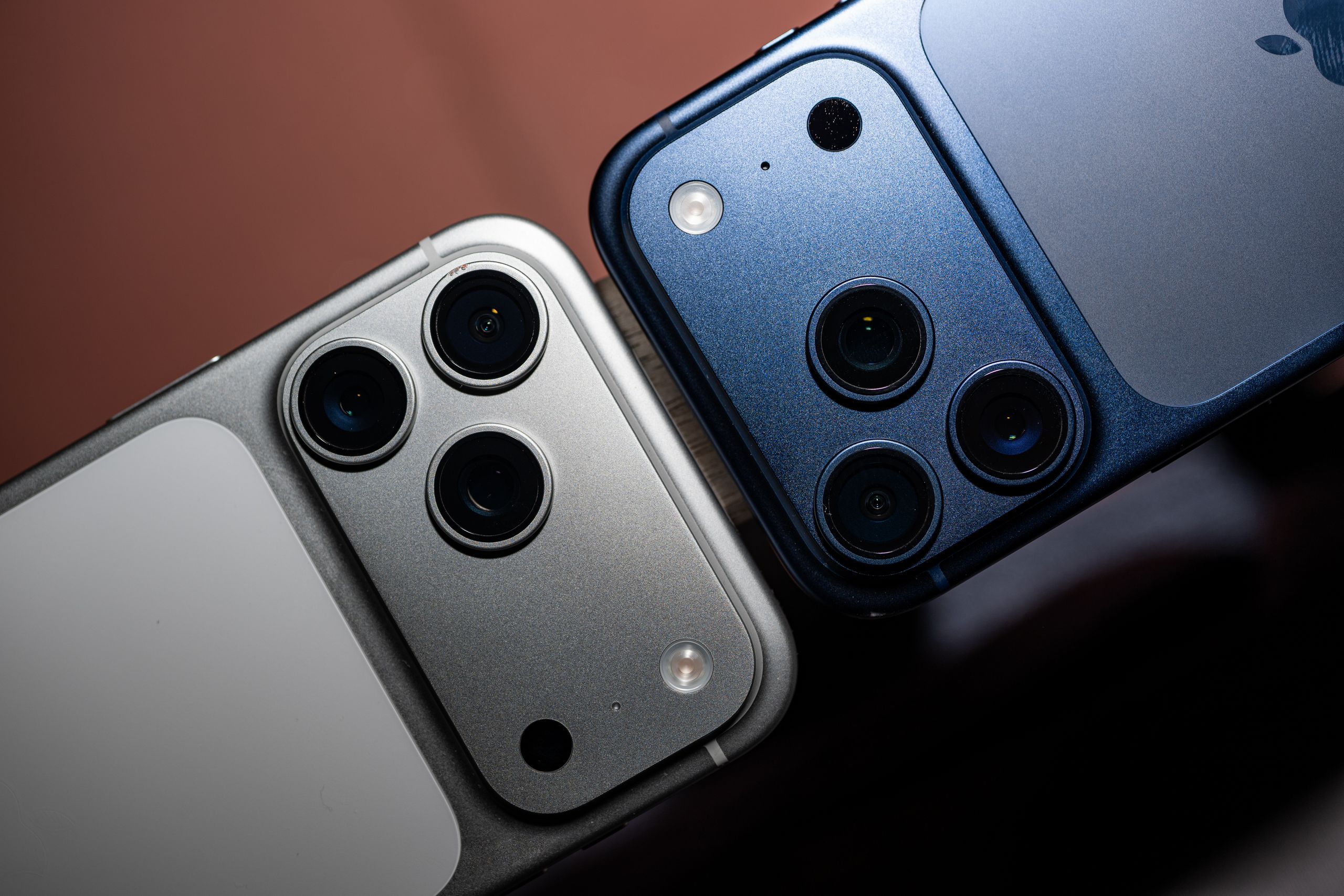
Yet another proof that Apple has done a thorough job protecting the iPhone
Apple’s privacy policy, for which the company is often criticized for being overly closed, has in this case turned out to be on the users’ side. Apps on iOS physically cannot look “beyond the fence” of their sandbox — and the Digital Ministry has effectively confirmed this in an official document.
However, it’s too early to relax: the IP address check doesn’t depend on the device, and the methodologies may become more sophisticated over time. Those who use VPN on iPhones should keep an eye on how the situation develops, but right now iOS architecture remains a serious obstacle for such checks by apps.