Banks are changing payment rules: what will happen with QR and bank cards.
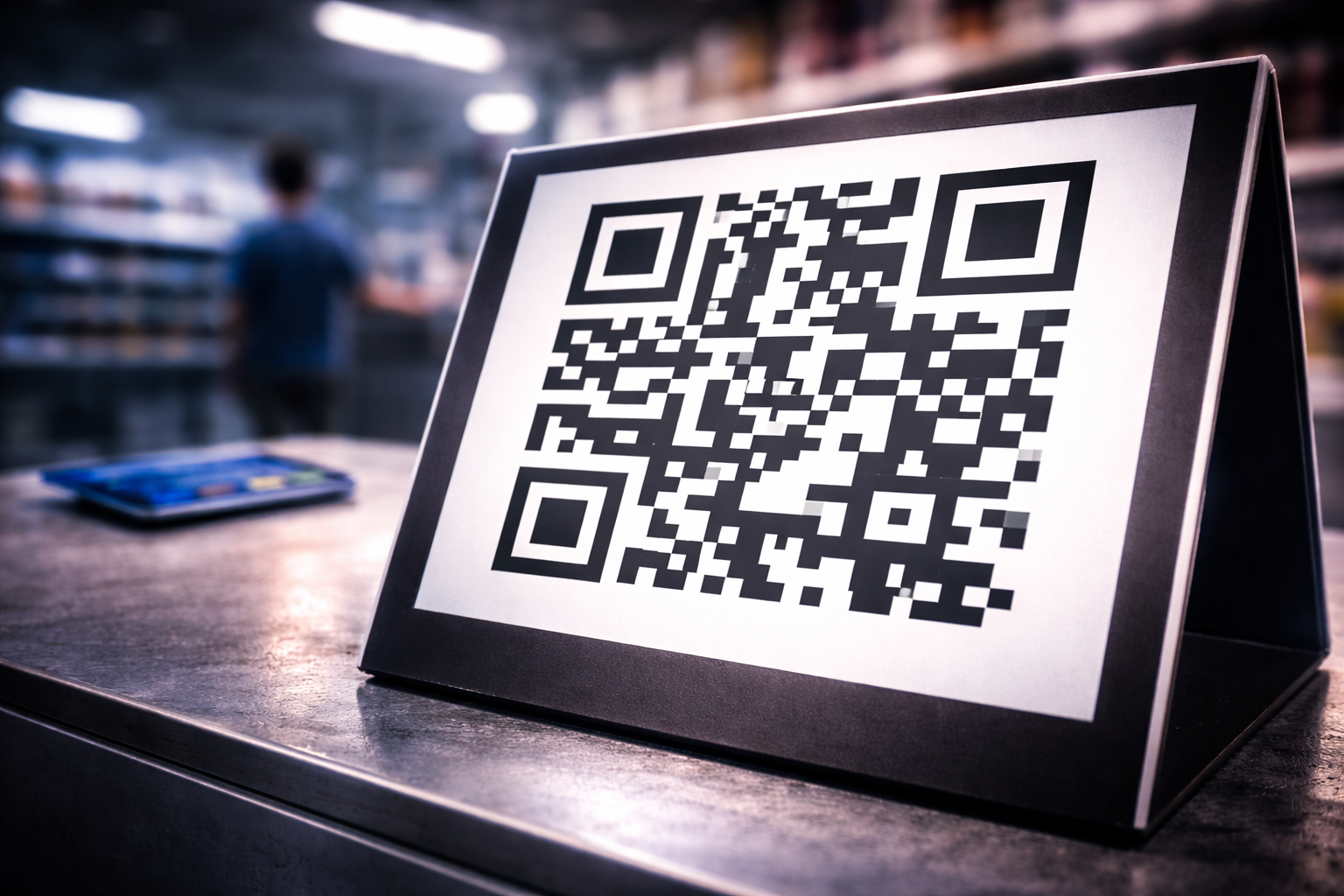
You approach the checkout, want to pay with your phone and see a QR code. Now, more and more often it’s unified — you scan it through your bank’s app and pay. From September 1, 2026, this scheme will become not “frequently encountered” but mandatory. This is a requirement of the new federal law on universal payment codes. This means that QR payment methods will become standardized for all banks. A single universal QR code for payment through banking apps will be implemented in stores. Let’s understand what exactly is changing and what this means for you as a customer.
How QR Payments Currently Work in Stores
Today in most stores you see one QR code and can easily pay through any bank’s app. But legally this is not a single mandatory standard for everyone.
Simply put: currently in many places it’s already convenient, but this isn’t enforced by strict rules for all market participants.
Somewhere the QR is linked to the fast payment system, somewhere to a specific bank or its pay service, somewhere there’s a “multi-QR” from the acquiring bank (when one code leads to different payment methods), and the Fast Payment System (FPS) may not be the primary scenario there or may lead to a “native” app. This is why stories like “don’t you have another bank’s app?” appear.
Externally the QR may be one, but the payment logic inside differs.
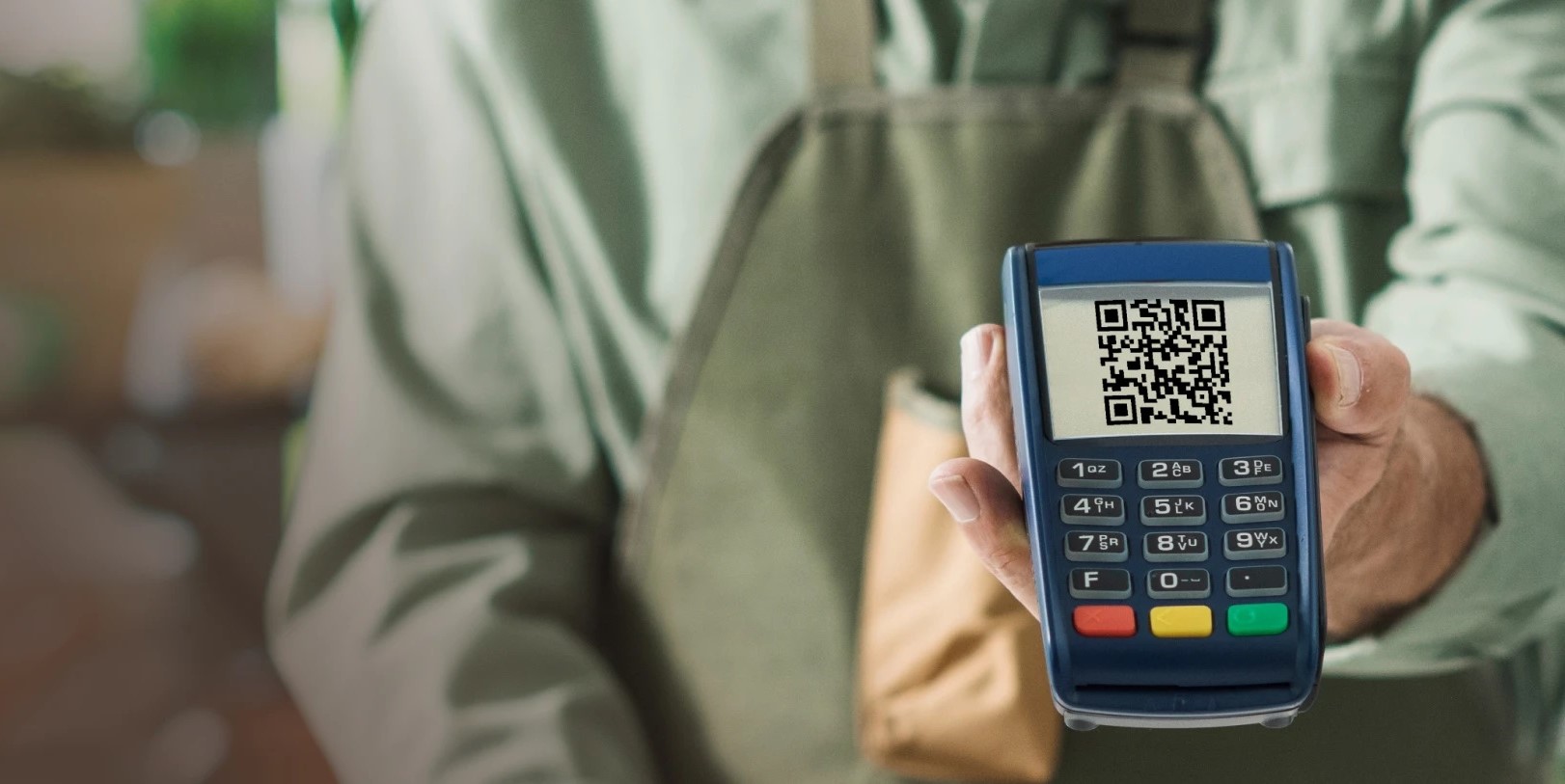
This initiative aims to improve bank competitiveness, increase customer convenience, and ensure equality of payment system participants. Image source: sbp.nspk.ru
What Will Change from September 1, 2026 for QR Payments
From this date, banks are required to support universal payment QR codes for transfers via QR (including payment for purchases using this method). The innovation was officially announced by First Deputy Chairman of the Central Bank Dmitry Tulin. The National Payment Card System has been appointed as the system operator.
This means:
- there must be a QR at the checkout that works with any banking app;
- you don’t need to choose the “right bank’s code”;
- payment goes through your bank’s familiar app.
Example. You’re buying groceries. You point your bank app’s camera at the QR. The amount is automatically pulled up. You confirm the payment — that’s it. It doesn’t matter which bank you use.
The idea is simple: one clear payment method instead of possible confusion.
Someone might say “but isn’t it already like this?” No. Most likely, you just more often shop at large chain stores rather than small retail outlets, markets, and haven’t paid for services “on site.”
Quick self-test (just out of curiosity): if when scanning a QR code, a payment screen always opens inside the banking app and is almost always labeled “FPS/transfer via QR,” then you’re already living in the future that they want to establish by law.
Do You Need to Update Your Bank App and What Should Customers Do
Do you need to do anything? Most likely — no.
If you already pay by QR through your bank app and everything works, the changes will be almost imperceptible to you. There will simply be more “convenient points,” and rare exceptions will disappear.
The only advice — keep your banking app updated. Then the transition to the universal QR code will pass completely “in the background” for you — without extra actions and complications.
Will It Be Possible to Pay with a Bank Card After Switching to the Unified QR Code
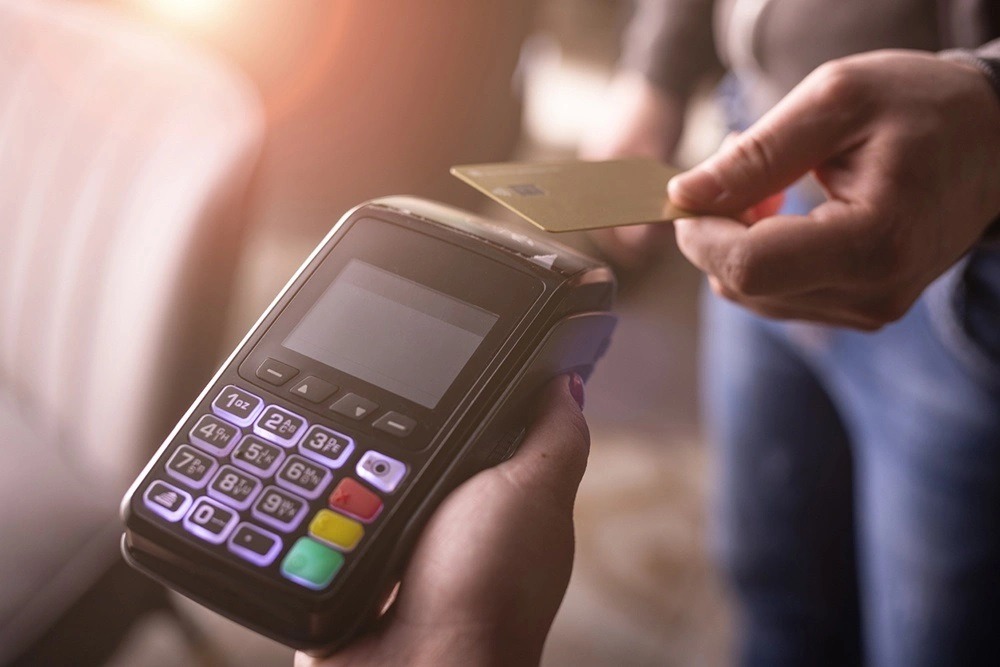
The new system will reduce the volume of transactions using bank cards and balance the costs of retail and service enterprises, including small and medium businesses, for conducting operations. There is no talk of canceling cards. Image source: rg.ru
If you only pay with plastic cards — nothing urgent is changing for you. No one is canceling cards. The law concerns transfers and payments via QR code. It doesn’t prohibit or cancel card payments — neither physical nor virtual.
You will still be able to:
- insert your card into a terminal;
- tap it on a POS terminal;
- pay through Mir Pay or similar services.
Why then this unified QR at all? QR payment is cheaper for businesses than card acquiring. The store pays a lower commission. The more actively QR is used, the lower the load on card settlements.
This means:
- it’s more profitable for stores to accept QR;
- there may be fewer terminals in small outlets;
- QR is gradually becoming an alternative to cards, not a supplement.
This doesn’t equal “cards will disappear” right now.
But in the long term, real changes are possible for “card” customers:
- small outlets may more often suggest: “Can you pay by QR?”;
- some micro-businesses may refuse terminals altogether if QR is cheaper;
However, large retail and chain stores will continue to accept cards — it’s a familiar and mass payment method.
The government is betting on QR as a universal digital tool for the future (including future payment formats — the digital ruble). Perhaps QR payments will someday become a complete replacement for cards, but there’s no official statement about this yet.
So this is a kind of preparation, a transitional stage. Sooner or later in the distant future, you will most likely have to forget about cards.