Russia’s Ministry of Digital Development has launched an initiative to block the ability to pay for purchases and subscriptions in the App Store through mobile carrier billing. The reason is the removal of several Russian apps from the Apple store. The situation is developing, and it’s still unclear how exactly it will end for regular users. Let’s break down what is known at this point.
Will it really no longer be possible to pay for subscriptions and apps? Image: techcrunch.com
Why the Ministry of Digital Development Wants to Disable App Store Payments via Mobile Billing
The core of the conflict is that Apple removed from the App Store a number of Russian apps. In response, the Ministry of Digital Development proposed that mobile carriers stop processing payments in favor of the App Store that are charged directly to mobile phone accounts. This is one of the few convenient payment methods available to Russian users after international payment systems were disconnected.
The ministry’s logic is as follows: if Apple restricts access to Russian services in its store, then the payment mechanism through Russian carriers can be restricted in response. Essentially, this is an attempt to use financial leverage to get the removed apps reinstated.
For users who are accustomed to paying for subscriptions and apps through their phone balance, this could become a significant problem. Especially for those who have no alternative payment methods — for example, foreign cards or accounts in other currencies.
Which Russian Apps Did Apple Remove from the App Store
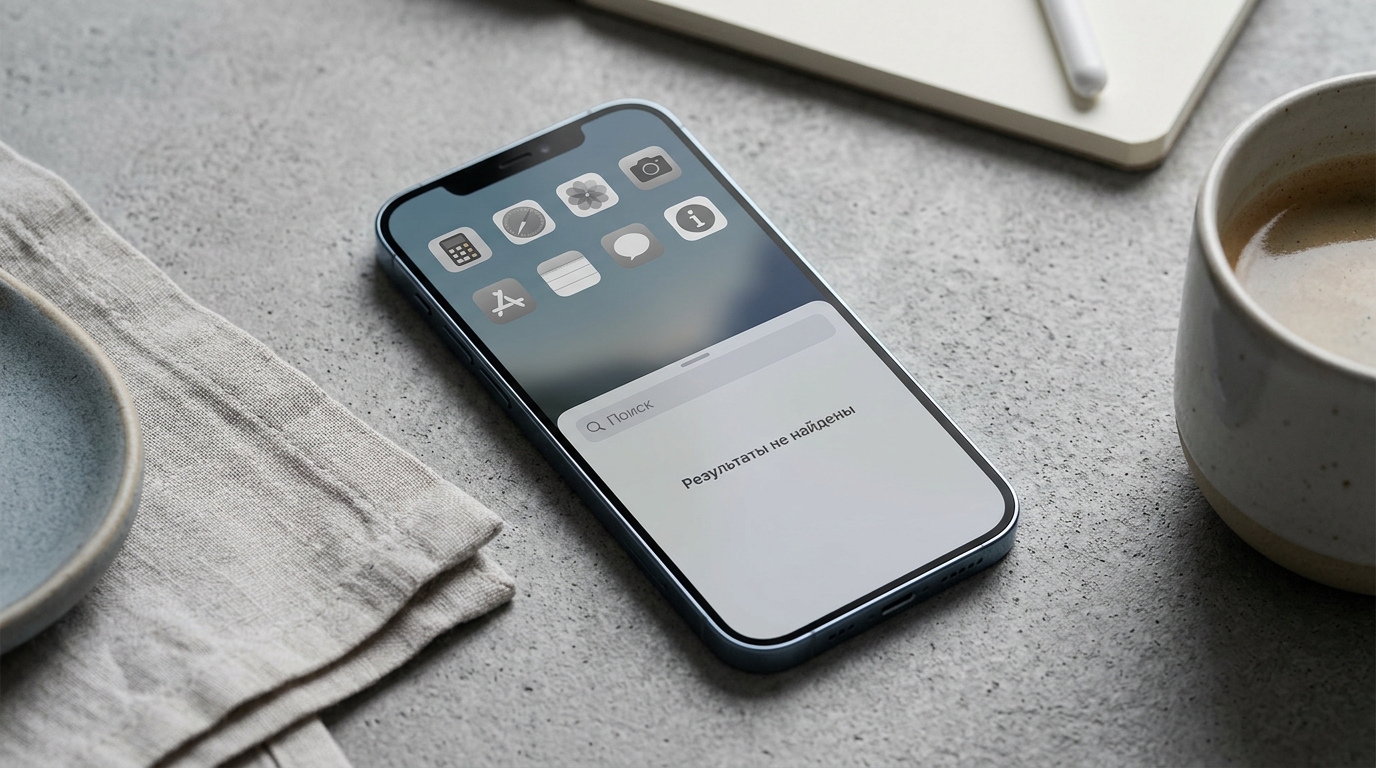
Apps removed from the App Store cannot be re-downloaded, but already installed ones continue to work
The exact list of apps removed by Apple is not fully disclosed in the source. However, it concerns Russian services that were previously available in the store. Removal of apps from the App Store is not news for the Russian market: over the past few years, Apple has already removed individual banking apps, navigation apps, and other products for various reasons, including sanctions requirements.
It’s important to understand: removing an app from the App Store does not mean it will disappear from your iPhone if you’ve already downloaded it. Installed apps continue to work, but updates will no longer arrive, and new users won’t be able to download them.
How to Pay for Apple Subscriptions in Russia Right Now
If payment via mobile billing is actually blocked, users will have several alternatives left. Here are the main methods that currently work:
- Apple ID balance — can be topped up through App Store & iTunes gift cards, which are sold on marketplaces and through resellers. This is the most common method.
- Foreign bank cards — if you have a card from a bank in another country (for example, Kazakhstan, Turkey, or the UAE), it can be linked to your Apple ID.
- Mobile carrier billing — this method still works for now, but it’s exactly the one they want to block.
For those who pay for Apple Music, iCloud+, or Apple One, the situation could become inconvenient. If automatic billing from the carrier account stops, the subscription won’t renew, and the service will stop working. To avoid losing access, it’s worth topping up your Apple ID balance with a gift card in advance or linking another payment method.
A separate headache is canceling Apple subscriptions and getting refunds. If a subscription was charged but the service stopped working due to the block, you can request a refund through reportaproblem.apple.com. But the process isn’t quick and isn’t always successful.
What Will Happen if Apple Doesn’t Restore Apps to the App Store
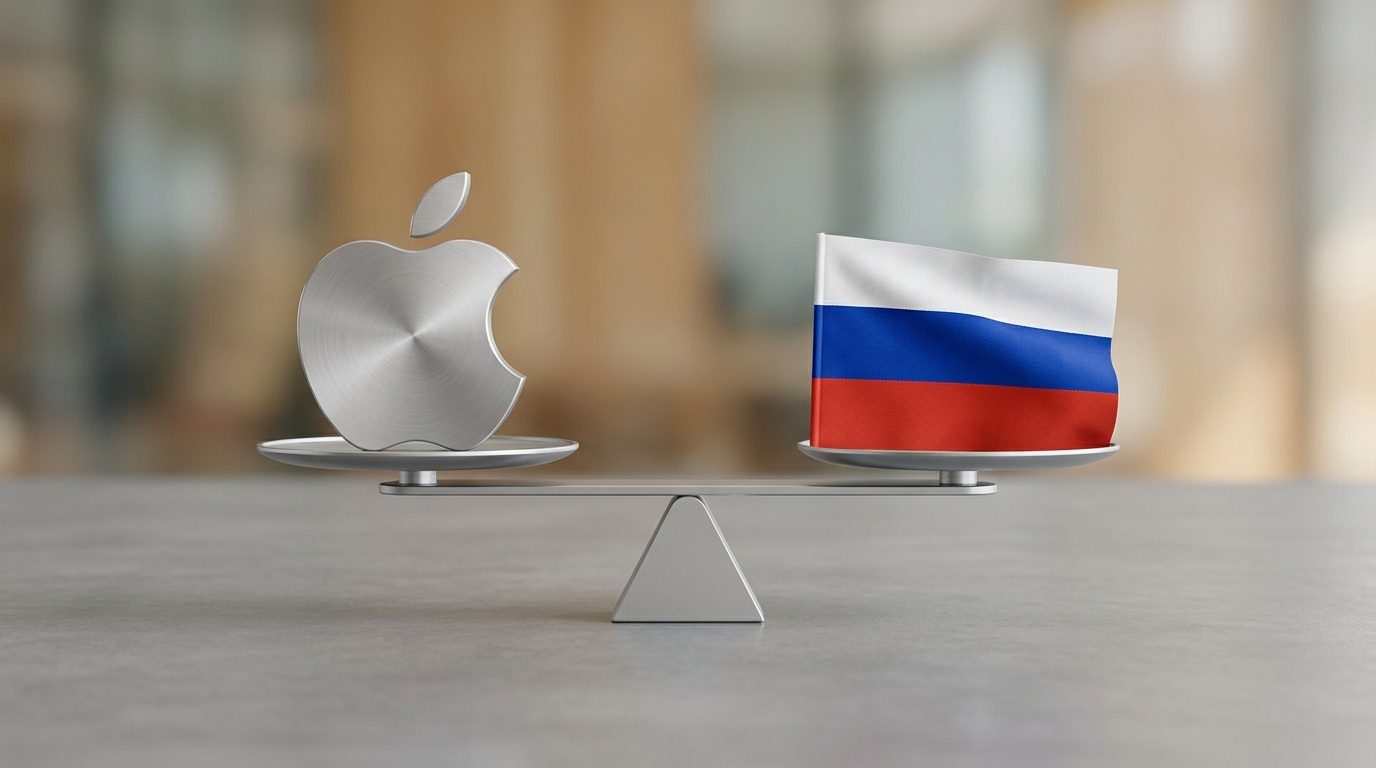
The conflict between Apple and Russian regulators affects a large number of users
This is where the territory of predictions begins. If Apple doesn’t cooperate and doesn’t restore the removed apps, and carriers actually disable payments, the consequences will primarily affect regular users:
- Some iPhone owners will lose the simplest way to pay for subscriptions and apps.
- Developers of removed apps will lose a distribution channel among iOS users.
- Users who don’t know about gift cards or foreign accounts may be left with no way to pay in the App Store at all.
At the same time, the situation should be assessed realistically: for Apple, the Russian market is not a key source of revenue, and financial pressure through carriers is unlikely to become a decisive argument. Most likely, this is part of a broader negotiation process between Russian agencies and Apple.
Which Apple Users Should Be Concerned About the Restrictions Right Now
If you pay for Apple subscriptions (Music, iCloud, Apple TV+, or Apple One) through your mobile carrier account — now is the time to think about an alternative. Even if the block isn’t introduced tomorrow, the Ministry of Digital Development’s initiative itself shows that this payment channel is under threat.
Practical advice: buy an App Store gift card for the amount you need and top up your Apple ID balance. It takes a couple of minutes and guarantees that your subscriptions won’t lapse, even if carriers disable payment processing.
Those who pay via foreign cards or gift cards have nothing to worry about — the Ministry of Digital Development’s initiative does not affect these methods. However, all iPhone owners in Russia should keep an eye on the developing situation with removed apps: the outcome of negotiations will determine which services remain available in the App Store.