Recently, Apple once again showed that it not only can’t handle AI itself — having failed to release smart Siri in iOS 26.4 — but also that it will put obstacles in the way of developers of such apps. The company quietly blocked updates for apps that allow creating programs without a single line of code — simply by describing in words what you want to get. Professional programmers who have been nervously watching people without formal education create apps in five minutes can breathe easy for now. But not forever.
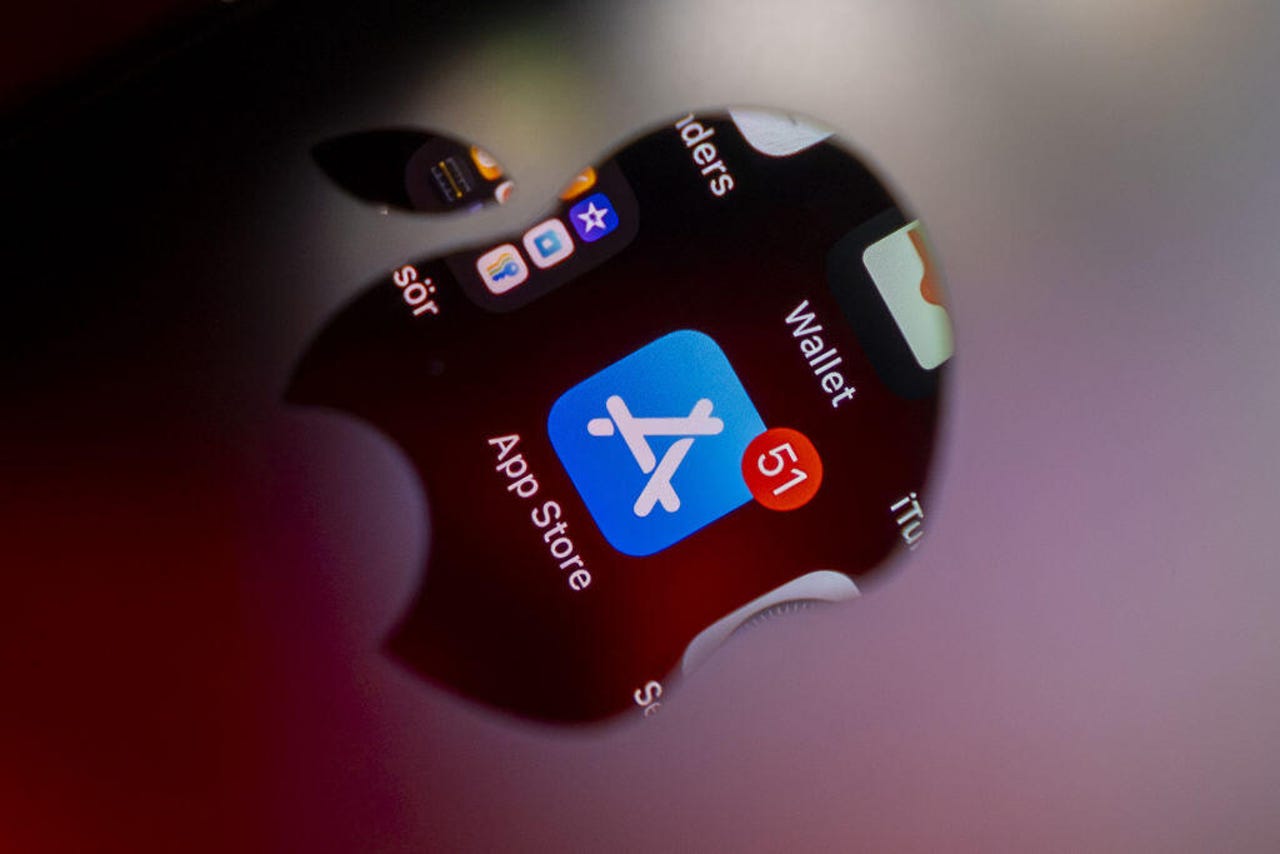
Apple isn’t against vibe coding but wants to control everything. Image: zdnet.com
What Is Vibe Coding and How Does It Work
In short: vibe coding is when you describe in plain human language what app you want to create, and artificial intelligence writes all the code for you. Such tools allow people with virtually no programming experience to create apps or websites simply by entering text prompts.
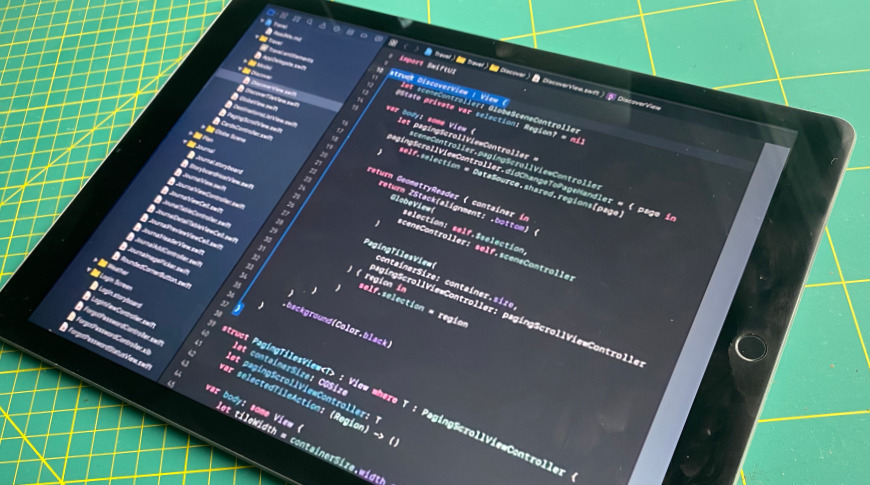
With vibe coding, you don’t need to understand every line of code. AI does everything for you. Well, almost everything. Image: appleinsider.com
The term “vibe coding” first appeared on social network X in February 2025. Its author is Andrej Karpathy, a machine learning scientist and former AI director at Tesla. He described it like this: I just talk to the AI, accept everything it suggests, and it mostly works. No deep understanding of code is needed.
Imagine: you open an app on your iPhone, type “make me a habit tracker with authentication and a nice design” — and within a few minutes you get a working app. That’s vibe coding. Programmers who studied for years look at this roughly the way taxi drivers looked at Uber, Gett, and Yandex Taxi in the early days — with understandable anxiety.
Replit and Vibecode in the App Store — Why Apple Blocked Updates
Apple quietly blocked updates for vibe coding apps — Replit and Vibecode — and won’t let them release updates in the App Store until they make changes. The apps themselves haven’t been removed — they’re still available for download. They just can’t update.
Apple states that certain vibe coding features violate long-standing App Store rules that prohibit apps from executing code that changes their own functionality or the functionality of other apps.
Let’s translate that into plain language. When you download an app from the App Store, Apple reviews it — it’s safe, works as advertised, contains no viruses. But Apple doesn’t allow apps to change how they work after passing that review. And vibe coding apps essentially transform into completely different programs — ones created by the user.
For example, Replit runs generated apps in a special program called Expo Go. You just scan a QR code or open a project from Replit in Expo Go and you get a working program that you made yourself. The most interesting part is that you can share this project with anyone and they just need to open Expo Go to get the app. This effectively turns one app into a platform for running arbitrary code. Apple considers this a violation of the rule that apps must not change their functionality after review.
At the same time, an Apple representative emphasized that the company isn’t specifically targeting vibe coding as a category. The rules are the same for everyone, they say. But developers, to put it mildly, don’t really believe that.
App Store’s 30% Commission — How Apple Profits from Developers
The formal reason is security and rules. But if you dig deeper, the picture is more interesting.
The main motive, according to most sources, is revenue protection. Apple could be losing income because vibe coding allows creating apps that don’t go through the App Store. And that means Apple doesn’t get its 30% commission on every sale.
Vibe coding encourages creating web apps that completely bypass the App Store and reduce Apple’s influence on the app market. Additionally, such platforms directly compete with Xcode — Apple’s own development environment.
Apple protects App Store rules — and its commission
Simply put: Apple doesn’t like it when someone builds a store inside its store, and without paying rent at that. Some of these apps allow creating software for Apple devices, which may have led to a sharp increase in App Store submissions and slower approval times.
How to Run Replit Apps on iPhone After the Block
Apple isn’t killing vibe coding entirely — it just wants everything to work by its rules. Apple has already outlined a path to approval. Replit needs to open generated apps in an external browser rather than inside the app itself. Vibecode must remove the ability to create software specifically for Apple devices.
The block appears to be temporary: Apple wants the apps to make changes. According to sources, both apps are close to re-approval — but only after they agree to the terms.
So your favorite Replit isn’t going anywhere — but it’ll become slightly less convenient. Instead of seeing the result right in the app, you’ll be redirected to Safari. A small thing? For a regular user — yes. For Apple — a matter of principle when it comes to control.
Vibe Coding in Xcode — AI Code Generation from Apple
And here’s where things get most interesting — and most hypocritical, from critics’ perspective.
Apple itself is actively implementing vibe coding technologies in its development environment Xcode. The company recently added support for AI agents from OpenAI and Anthropic for automatic code generation.
Apple clearly supports vibe coding within its own tools. With the February Xcode update, it became possible to create a simple app in just a few minutes even without knowing code. But everything made in Xcode still goes through standard App Store review.
Apple’s logic is transparent: want to make apps with voice and text? Go ahead. But through our tools and through our store. Apple isn’t against the technology itself — it’s against vibe coding happening outside its controlled ecosystem.
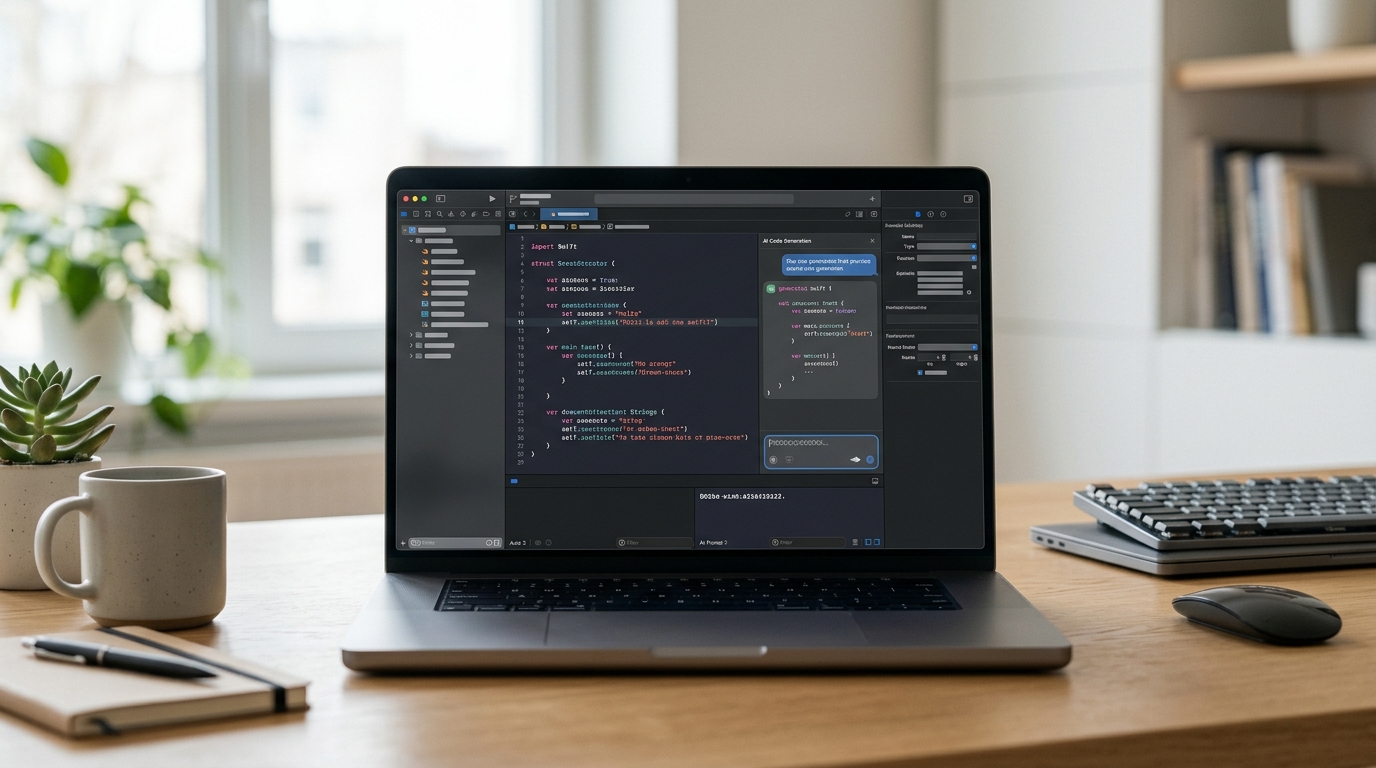
In its own Xcode, Apple actively uses the same vibe coding
Programmers who were rubbing their hands at the news of the block shouldn’t get too excited. Apple isn’t fighting vibe coding. It’s fighting for control over where exactly it happens.
Will There Be Fewer Apps in the App Store Due to Apple’s Restrictions
If you’re not a developer and haven’t tried creating apps through Replit or Vibecode — right now this news won’t affect you at all.
But in the long run, it matters. Vibe coding is a mass phenomenon. Replit alone has over 50 million registered users. According to Y Combinator, 25% of startups already have codebases that are 95% written by AI. This isn’t a fringe story — it’s a trend that’s changing the industry.
For iPhone users, this means the following: if Apple continues to restrict third-party vibe coding tools, new apps will appear more slowly, and indie developers (solo creators without large teams) may move to the web or Android. Even if developers agree to Apple’s changes, it could reduce convenience and slow the spread of vibe coding on iOS.