For years, Apple kept the Air in the shadow of the Pro: same design, same screen, just a slightly newer chip. And every time the question arose — why upgrade if the only difference is in benchmarks? With the iPad Air M4, things are a bit more interesting: it’s not just a new processor, but a noticeable leap in RAM, Wi-Fi 7, and Apple’s own modem. Let’s break down who will actually benefit from this, and for whom it’s a waste of money.
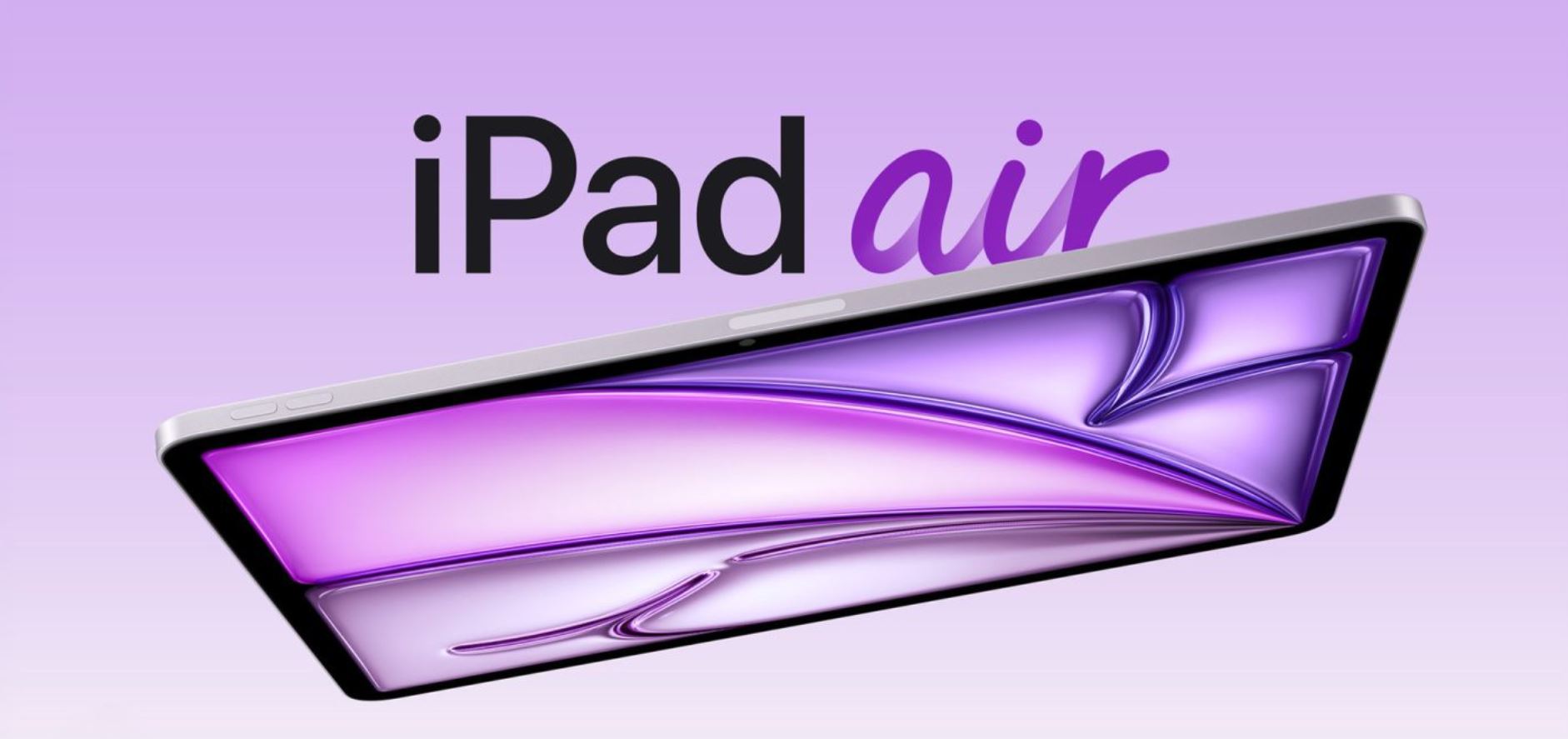
The new iPad Air is out — looks the same as before, but more powerful!
What Was Revealed on March 2 and When to Expect It in Stores
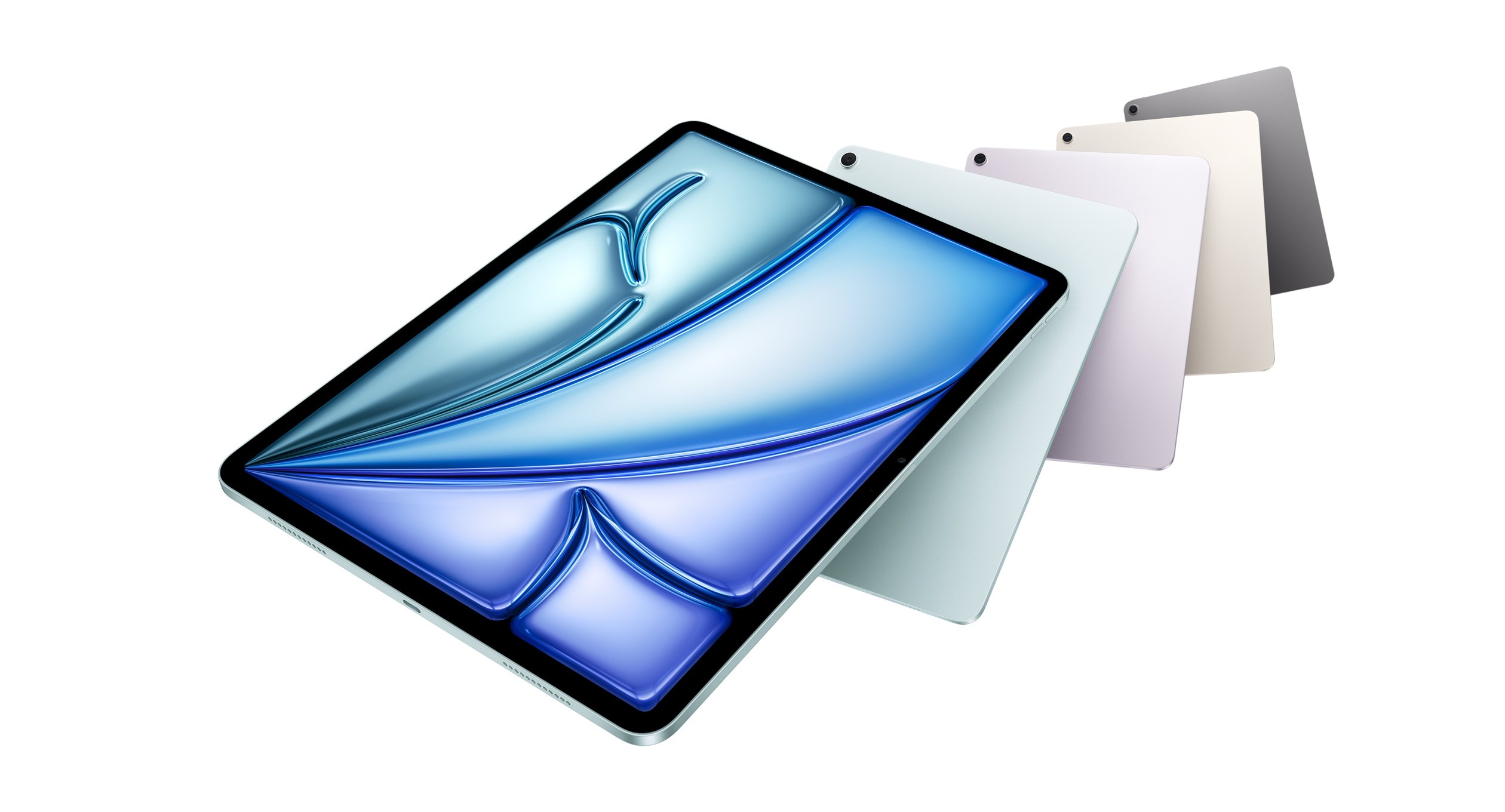
Four colors, two sizes — and minimal differences from the previous generation. Classic.
Apple unveiled the iPad Air M4 on March 2, 2026 — exactly one year after the previous M3 generation. Pre-orders open on March 4, and the first shipments will begin on March 11 — in 35 countries. Russia, unsurprisingly, is not among them.
Based on past experience, the new device typically appears in Russian parallel import stores within 2–4 weeks after the global launch. That means around early April 2026, the iPad Air M4 should already be available on Ozon and Yandex Market. The first batches are traditionally more expensive — if you’re not in a hurry, it makes sense to wait a month or so until prices stabilize.
Formally, nothing revolutionary: same body, same screen, cameras unchanged. But the devil is in the internals.
iPad Air M4 Specs: What Changed Compared to M3
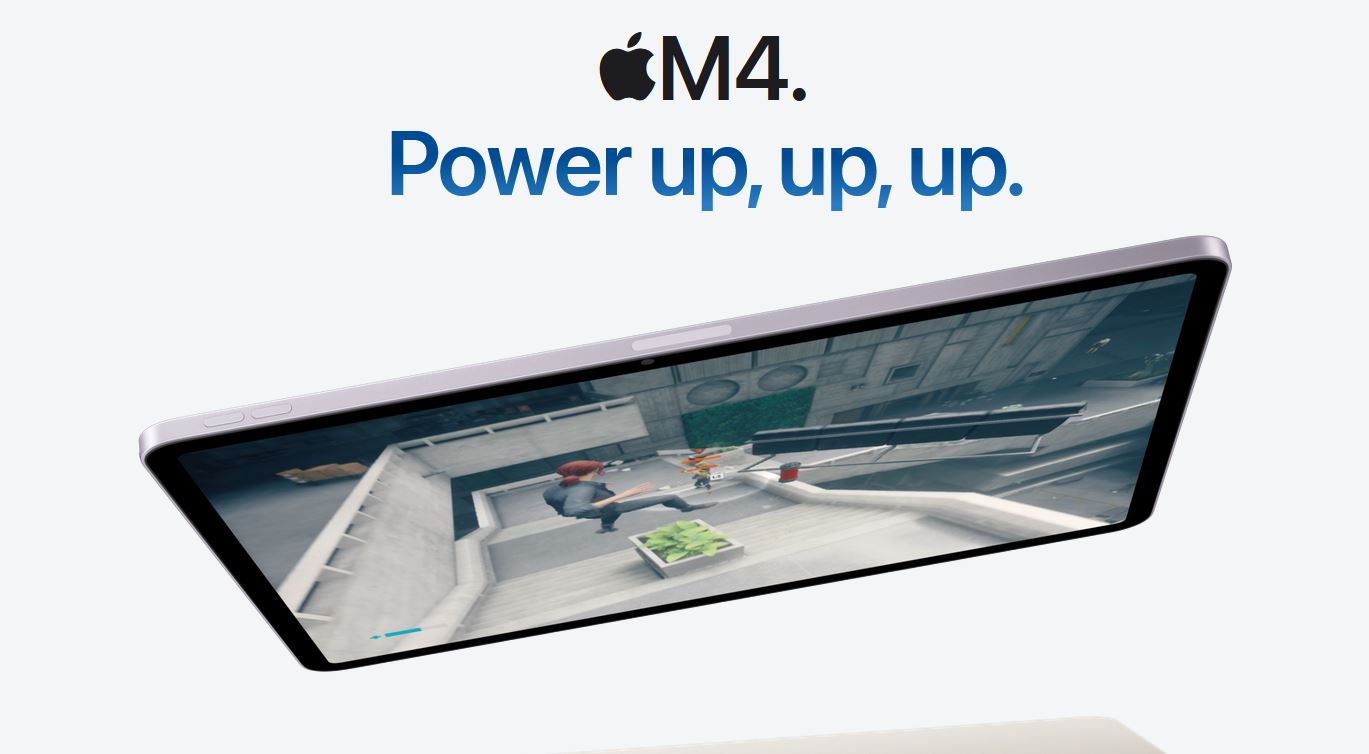
M3 vs M4 — the difference isn’t in the design, but under the hood.
Visually, it’s impossible to tell the M4 apart from the M3. Both come in two sizes — 11 and 13 inches, both are available in Wi-Fi and Wi-Fi + Cellular versions. The Liquid Retina displays (IPS, no ProMotion) remain the same: 2360 x 1640 pixels for the smaller model and 2732 x 2048 for the larger one. The key differences are hidden inside:
- M4 chip — 8-core CPU and 9-core GPU. According to Apple’s tests, performance gains are about 30% in CPU and 21% in GPU compared to the M3
- 12 GB of RAM instead of 8 GB on the M3. That’s 50% more — and arguably the most important upgrade. More memory means fewer tab reloads in Safari and more stable performance in heavy applications
- Wi-Fi 7 (802.11be) via the new Apple N1 chip instead of Wi-Fi 6E. The practical difference is only noticeable if you have a Wi-Fi 7 router at home — but in a couple of years, this will become the standard
- Bluetooth 6 instead of 5.3 — more accurately determines distance to accessories, connects faster
- Apple C1X modem in the Cellular version — Apple’s own development replacing Qualcomm. Promised to deliver 50% faster downloads and 30% less power consumption
- Thread support — a protocol for smart home, if you have HomeKit or Matter devices
Everything else remains the same: USB-C at 10 Gbps (not Thunderbolt), 12 MP rear camera and 12 MP front camera with Center Stage, 10-hour battery life. Design, thickness, weight — identical to the M3. M3 accessories are fully compatible: both the Magic Keyboard and Apple Pencil Pro.
For Whom 12 GB of RAM Makes a Real Difference
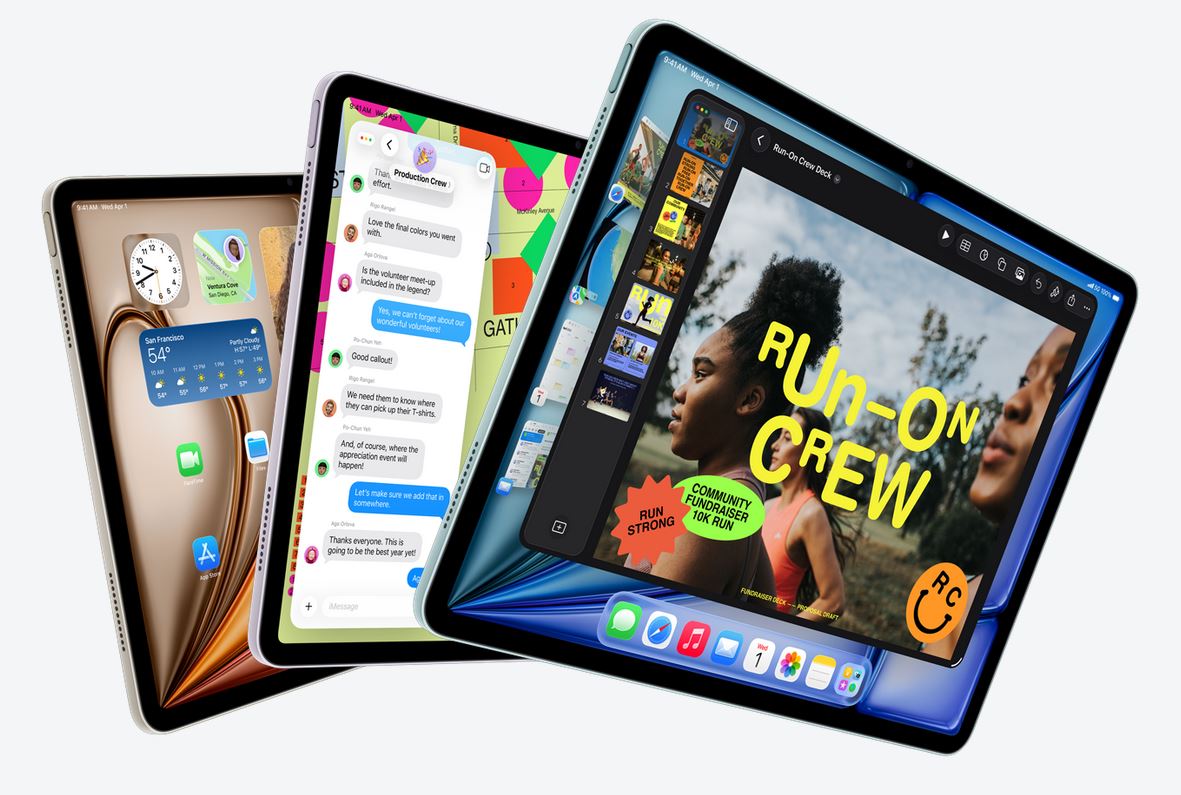
Stage Manager with 12 GB finally works without frustration.
It might seem like an extra 4 gigabytes is trivial. In practice, it’s the boundary between “the tablet manages” and “the tablet doesn’t lag.”
The iPad Air M3 with 8 GB would start offloading background apps during active Stage Manager use. Open Figma, switch to Safari with a dozen tabs, come back — and the project has reloaded. With 12 GB, that scenario is a thing of the past. Plus Apple Intelligence — the AI features for which Apple set a minimum threshold of 8 GB. Technically the M3 qualifies, but with 12 GB the headroom for local AI processing is noticeably greater.
However, it’s worth remembering: Apple Intelligence doesn’t yet work in Russian. For Russian users, this feature is only available when switching the system language to English or another supported language. So if you’re buying an iPad exclusively for AI features — it’s still too early.
How Much Does the iPad Air M4 Cost in Russia
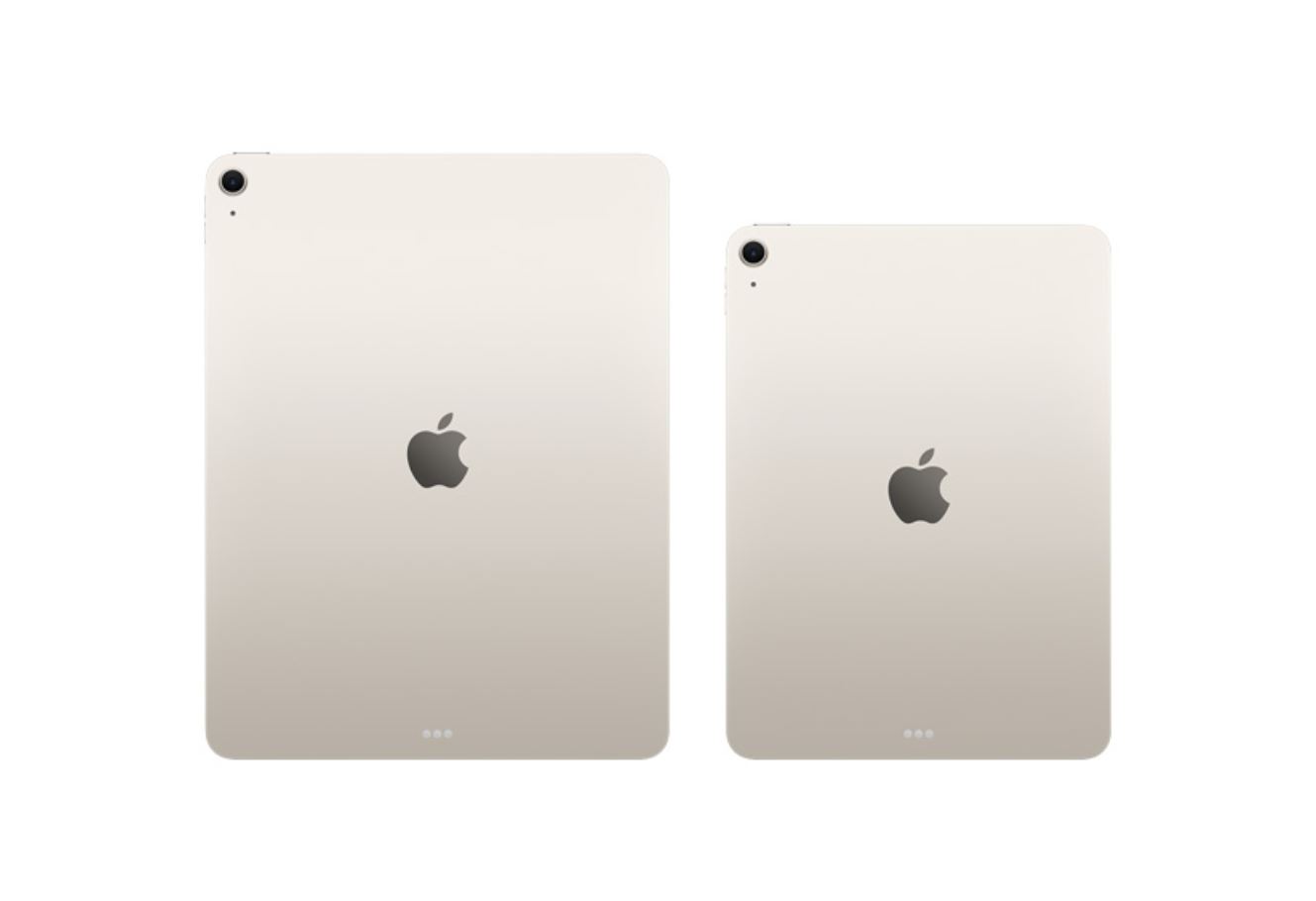
Prices for the new iPad will traditionally sting
There are no official Apple sales in Russia — everything goes through parallel imports. Prices depend on the seller, the import channel, and the greed of each particular store. iPad Air M4 prices in the US (starting, 128 GB Wi-Fi):
- 11 inches — $599 (≈ 55,000 ₽ at the exchange rate, but more expensive in retail)
- 13 inches — $799
Expected prices in Russian retail at launch:
- iPad Air M4 11″ 128 GB Wi-Fi — from 59,000 to 66,000 ₽
- iPad Air M4 11″ 256 GB Wi-Fi — from 72,000 ₽
- iPad Air M4 13″ 128 GB Wi-Fi — from 79,000 ₽
For comparison: the iPad Air M3 currently sells for 50,000 ₽ (parallel import stores like PiterGSM) to 66,000 ₽ (re:Store) for the base 11″ 128 GB model. With the M4 release, M3 prices will likely drop further — and this is an excellent time to buy if 12 GB of RAM isn’t critical for you.
A separate issue — parallel import certificates. In February 2026, Rosaccreditation suspended recognition of documents from three certification bodies in Kazakhstan, Armenia, and Kyrgyzstan. Around 16,000 certificates for Apple and other brand products are at risk. There are no critical supply disruptions yet, but delivery delays and selective price increases are a very real scenario.
iPad Air M4 or iPad Pro M4 — Which to Choose
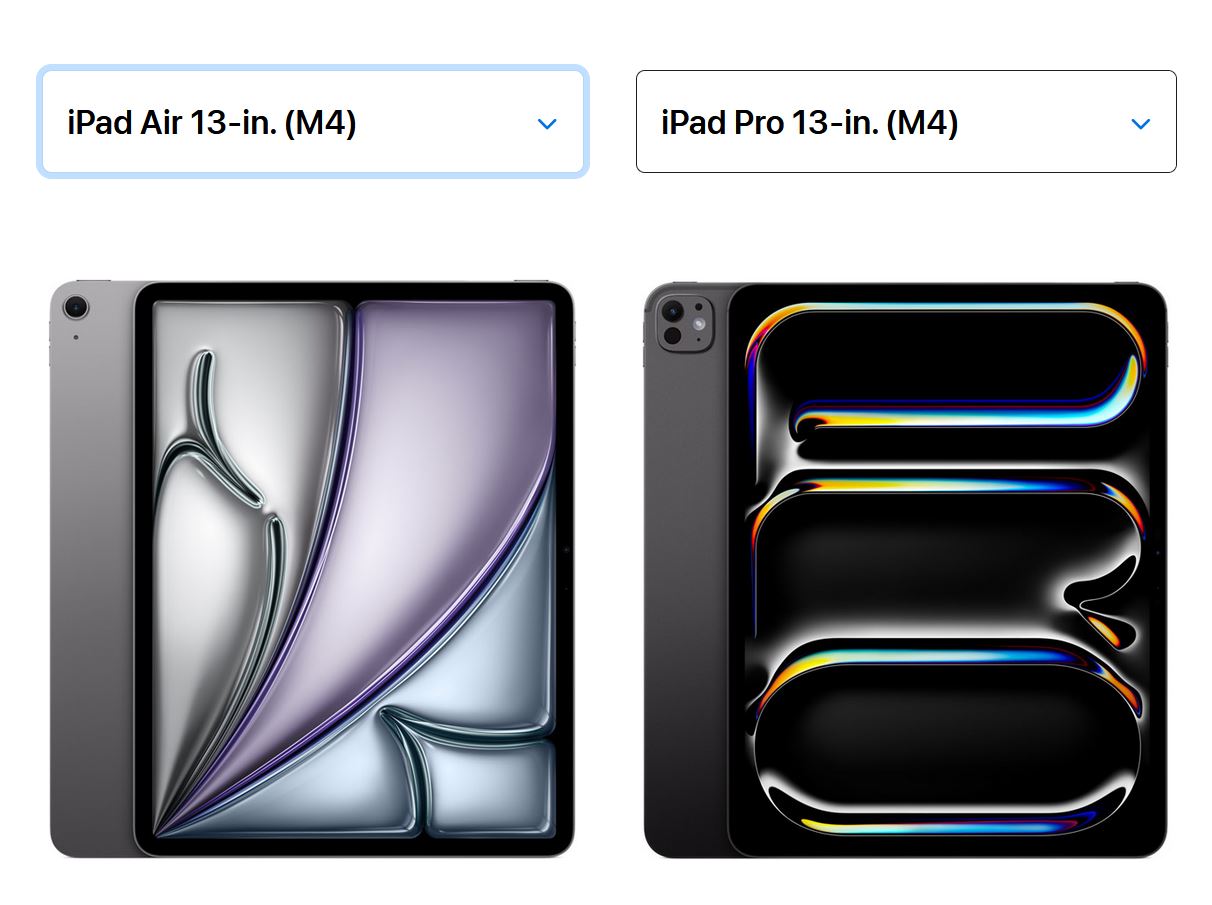
Air on the left, Pro on the right. Can you guess which is which? Buyers often can’t either.