NASA has released the first photos from aboard the Orion spacecraft — the Artemis II crew is documenting their flight to the Moon. Some of the photos were taken on the iPhone 17 Pro Max, which the astronauts brought with them on board. This is the first time an iPhone has been used for photography in deep space.
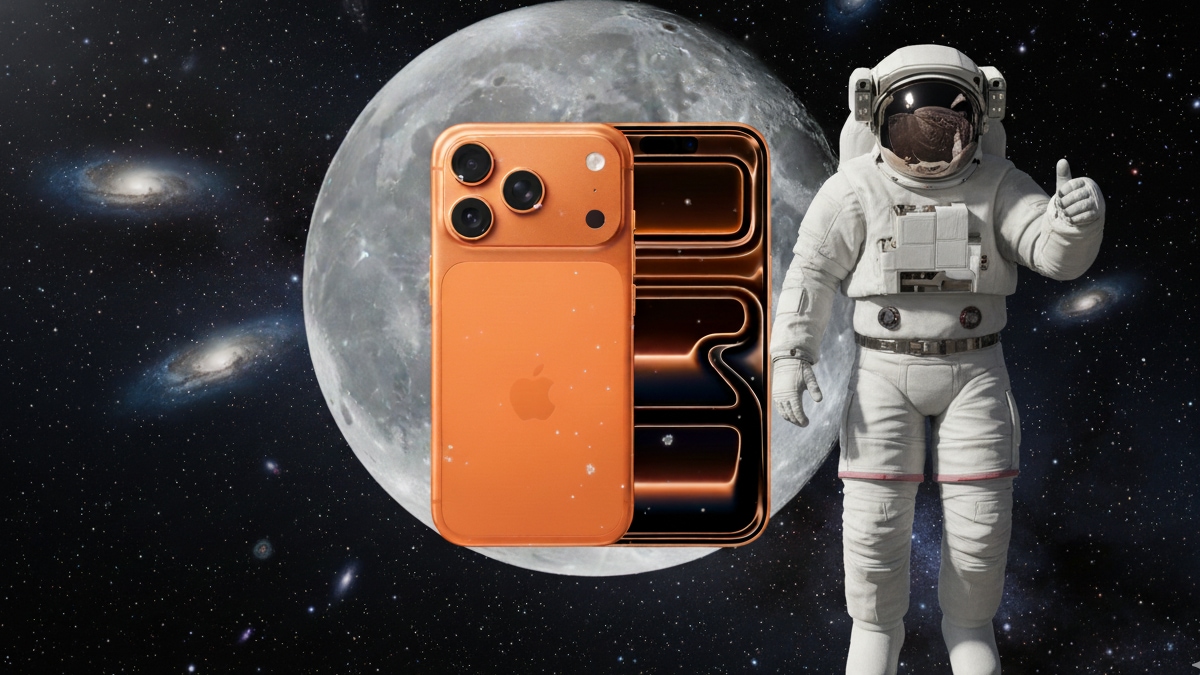
iPhone 17 Pro Max went to space for photography
Artemis II Photos on iPhone 17 Pro Max
On board the Orion spacecraft, the crew is shooting with various equipment: in addition to the iPhone, the astronauts have a Nikon DSLR camera from 2016 and several GoPro action cameras that are also about ten years old. Against this lineup, the iPhone 17 Pro Max stands out as the most modern device for photo and video on board.
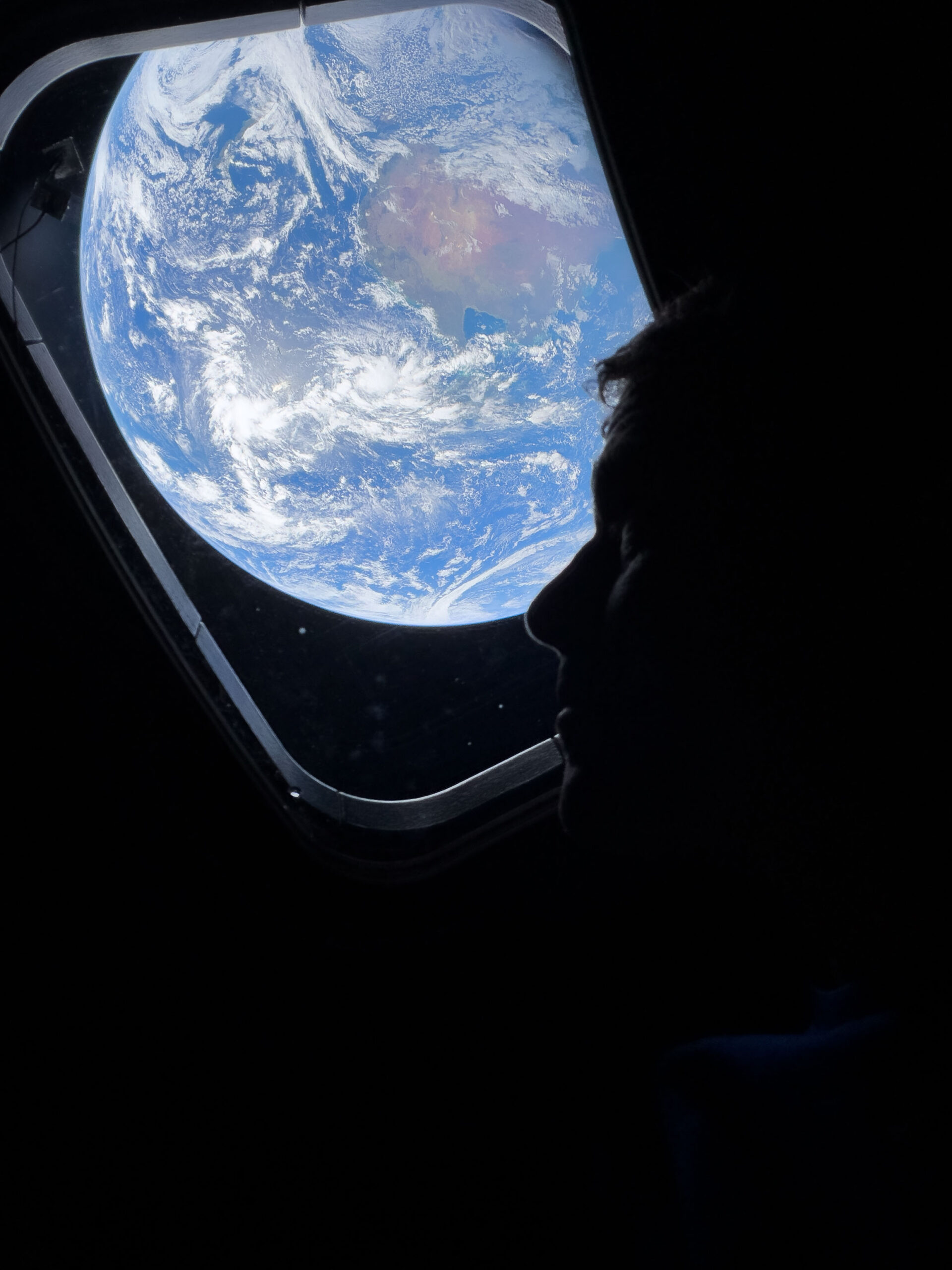
Astronauts take photos with Earth visible through the porthole
In the “Journey to the Moon” gallery on NASA’s website, photos of the cabin, crew members at work, and views of Earth through the portholes are already available. However, NASA removed metadata from most of the shots — it’s not directly possible to tell which specific shot was taken on iPhone and which on Nikon. Only a few photos retain Nikon camera data, while the rest appear to have been taken on iPhone.
How the iPhone 17 Pro Max Ended Up on Board Artemis II
Back in February 2026, NASA confirmed that the crew would be allowed to bring their personal iPhones to document the flight. Before that, the devices underwent a series of safety tests: they were checked for vibration resistance, performance in zero gravity, and risks — for example, what would happen if the glass shattered.
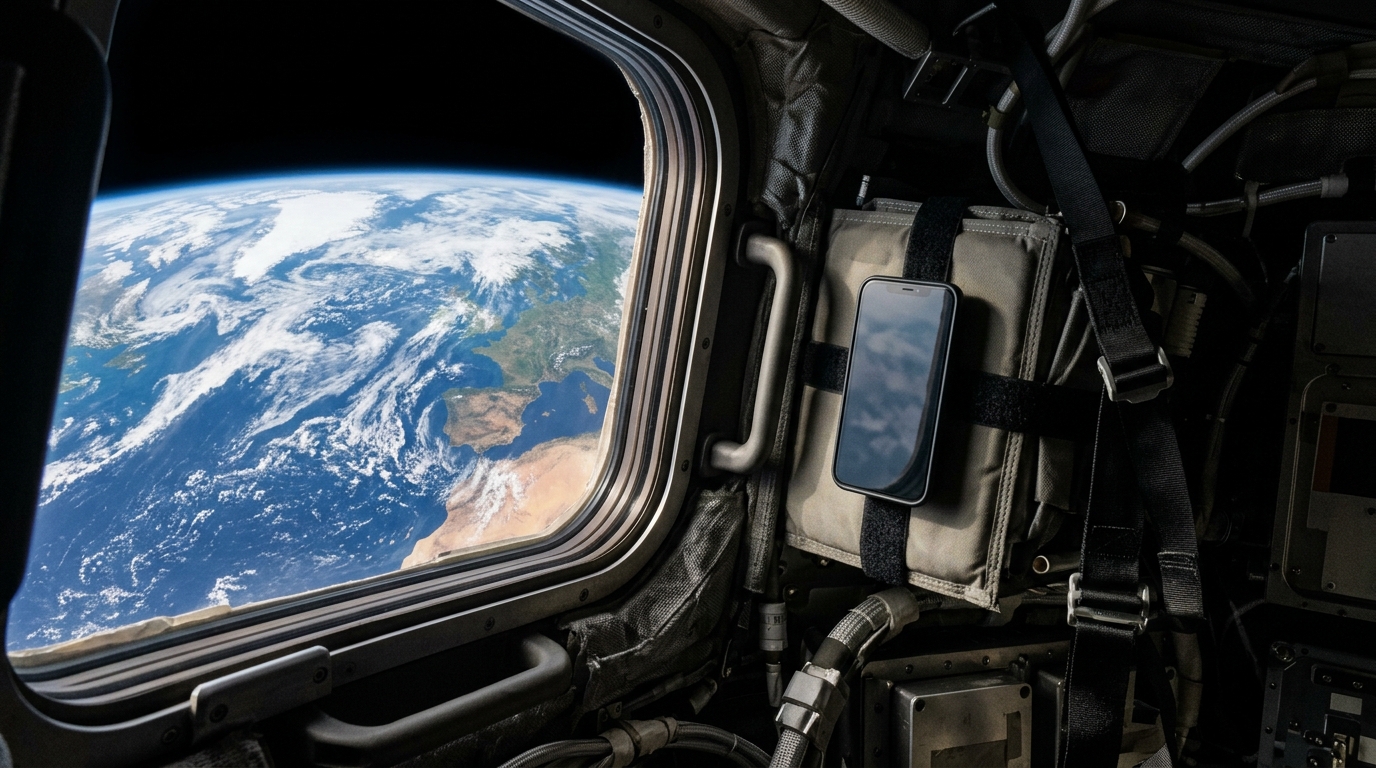
Such mounts are used to keep the smartphone from floating around the cabin
In zero gravity conditions, iPhones are attached using Velcro strips to the walls and surfaces of the cabin. During launch, at least one smartphone was in the spacesuit pocket of one of the astronauts.
Why Wi-Fi and Bluetooth Were Disabled on iPhones in Space
An important detail: iPhones on board Orion function exclusively as cameras. Wi-Fi, Bluetooth, and internet access are disabled. No calls, messages, or downloads — only photos and videos.
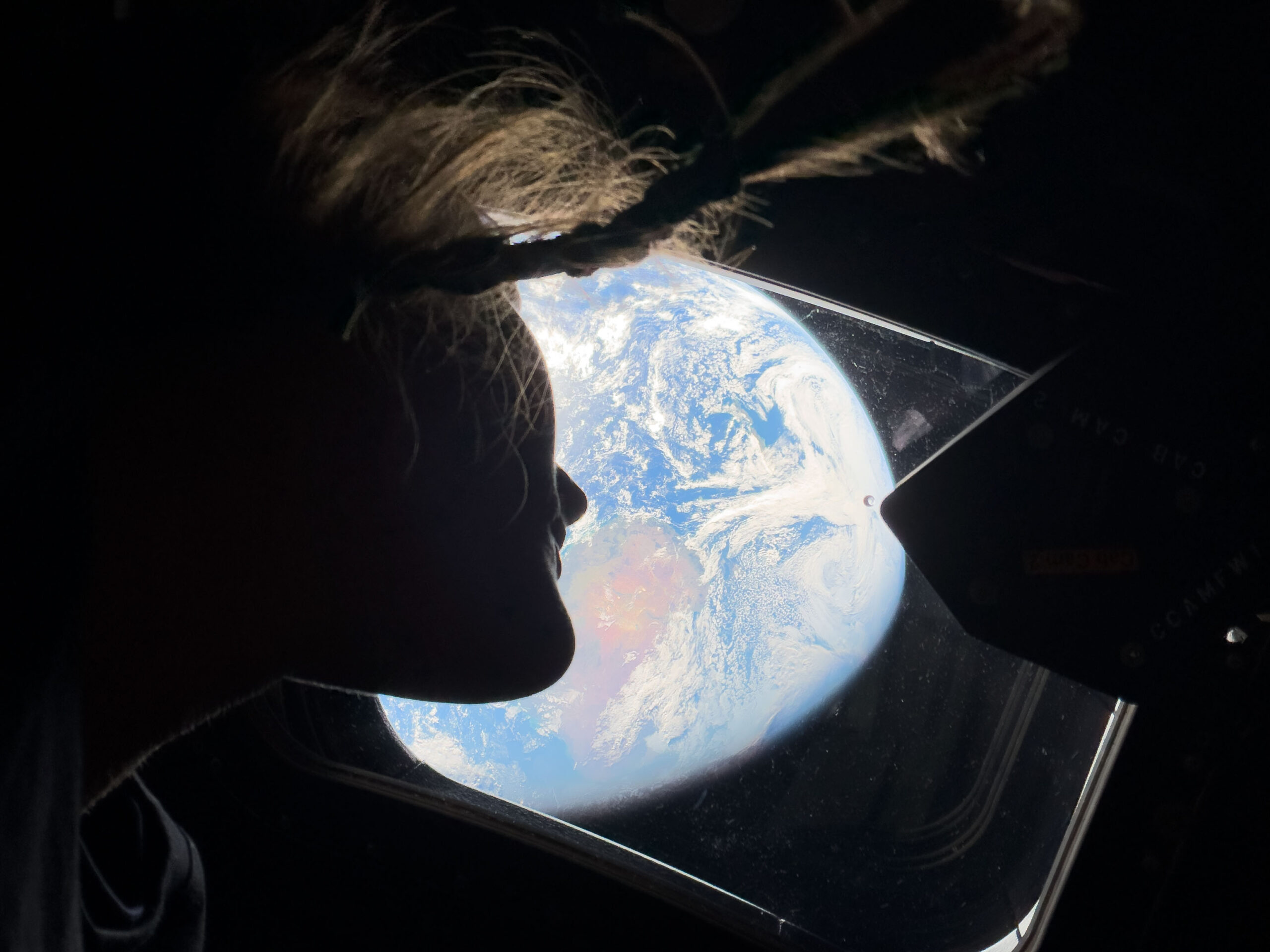
This shot was definitely taken on iPhone 17 Pro Max
This is a strict NASA requirement: any wireless connection could potentially interfere with the spacecraft’s onboard systems. So “Shot on iPhone” from space — absolutely, but posting a shot to social media directly from the spacecraft is something the astronauts cannot do.
Artemis II Mission: Dates, Crew, and Route
For context: Artemis II launched on April 1, 2026 from Kennedy Space Center in Florida. This is the first crewed flight to the Moon in over 50 years — since the Apollo 17 mission in 1972. On board are four astronauts: Commander Reid Wiseman, Pilot Victor Glover, Mission Specialist Christina Koch (NASA), and Jeremy Hansen (Canadian Space Agency).
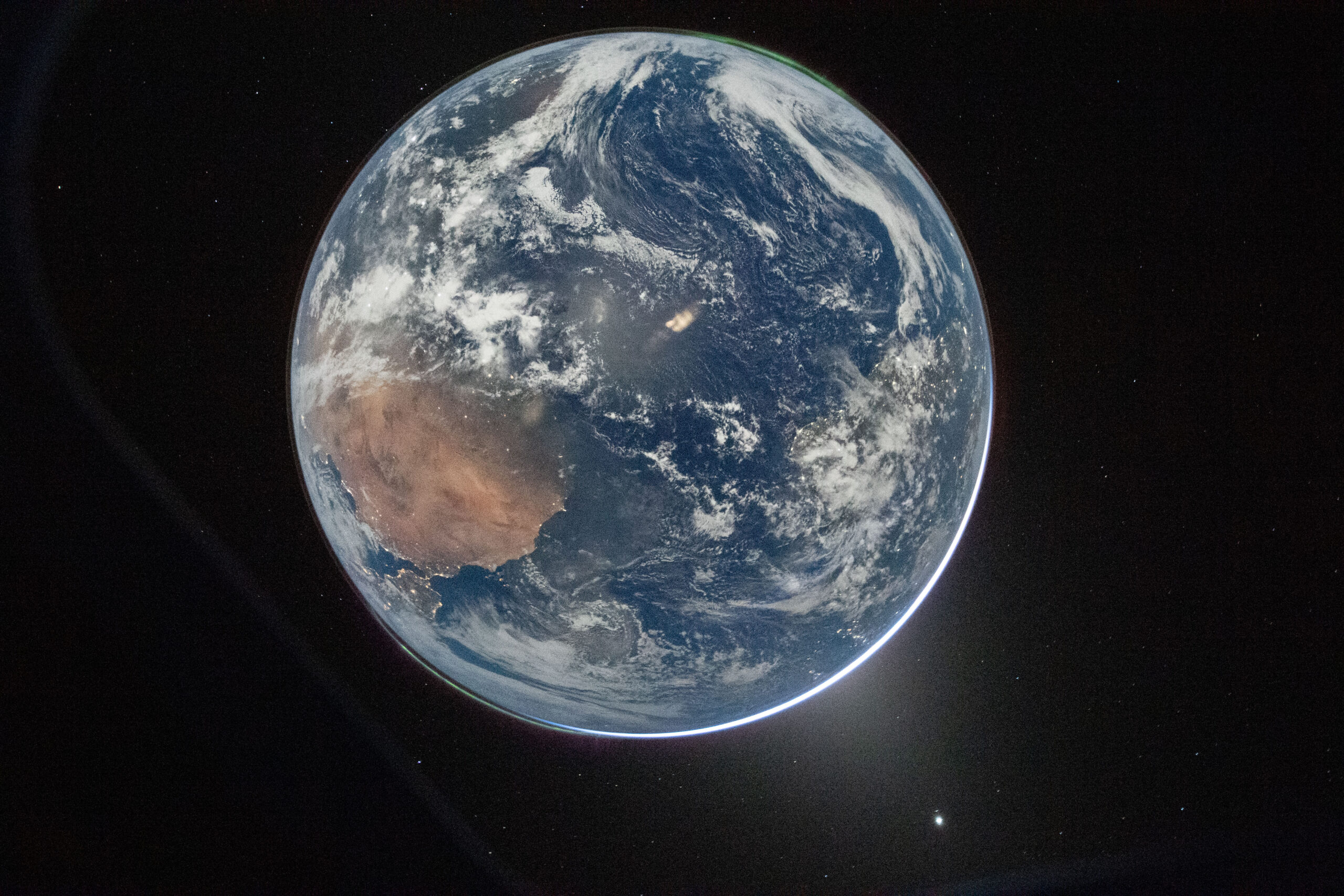
And this was shot on Nikon. For the first time since 1972, Earth has been photographed from such a distance
The mission is planned for approximately 10 days: the spacecraft will orbit the Moon without landing and return to Earth. Splashdown is expected in the Pacific Ocean around April 10–11.
iPhone 17 Pro Max Camera: What the Space Photos Revealed
From a practical standpoint, for iPhone 17 Pro Max owners, this news is more of a fun fact than a call to action. NASA didn’t choose the iPhone for the best image quality: there’s a professional Nikon camera on board. Rather, it’s about compactness, convenience, and a familiar interface — astronauts don’t need to figure out controls to quickly capture what’s happening around them.
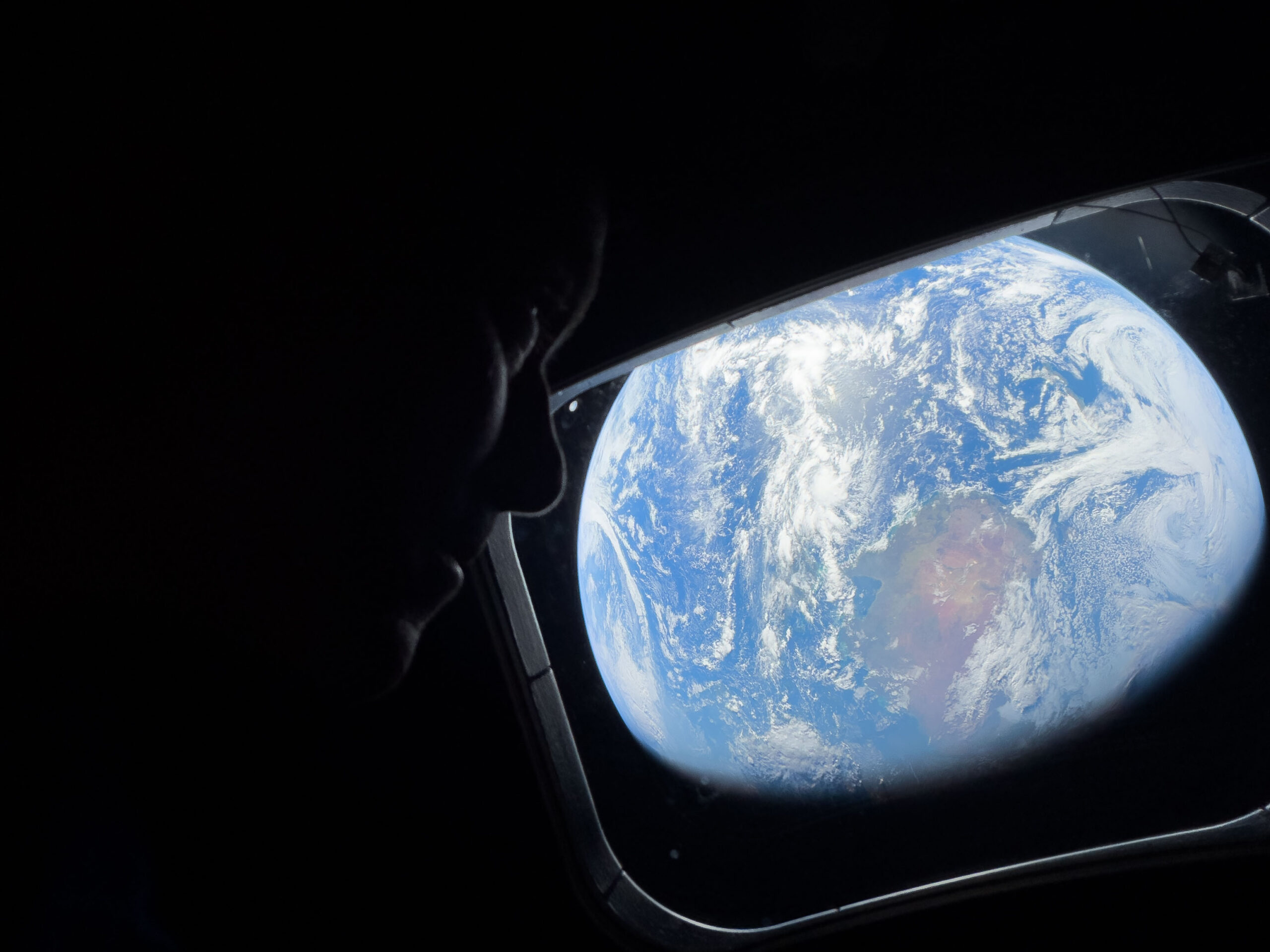
One of the photos taken on iPhone 17 Pro Max
Nevertheless, the iPhone 17 Pro Max has officially set an altitude record for a smartphone camera. “Shot on iPhone” photos now exist at a record distance from Earth — the crew has already traveled more than 160,000 kilometers.
For Apple, this is undoubtedly a powerful brand moment: no advertising budget can buy this kind of camera demonstration. But for the average user, nothing fundamentally changes — the iPhone 17 Pro Max camera shoots in space exactly the same way as it does on Earth. However, if you ever need an argument in a debate about iPhone camera quality, you now have a trump card: photos of the Moon from thousands of kilometers away.