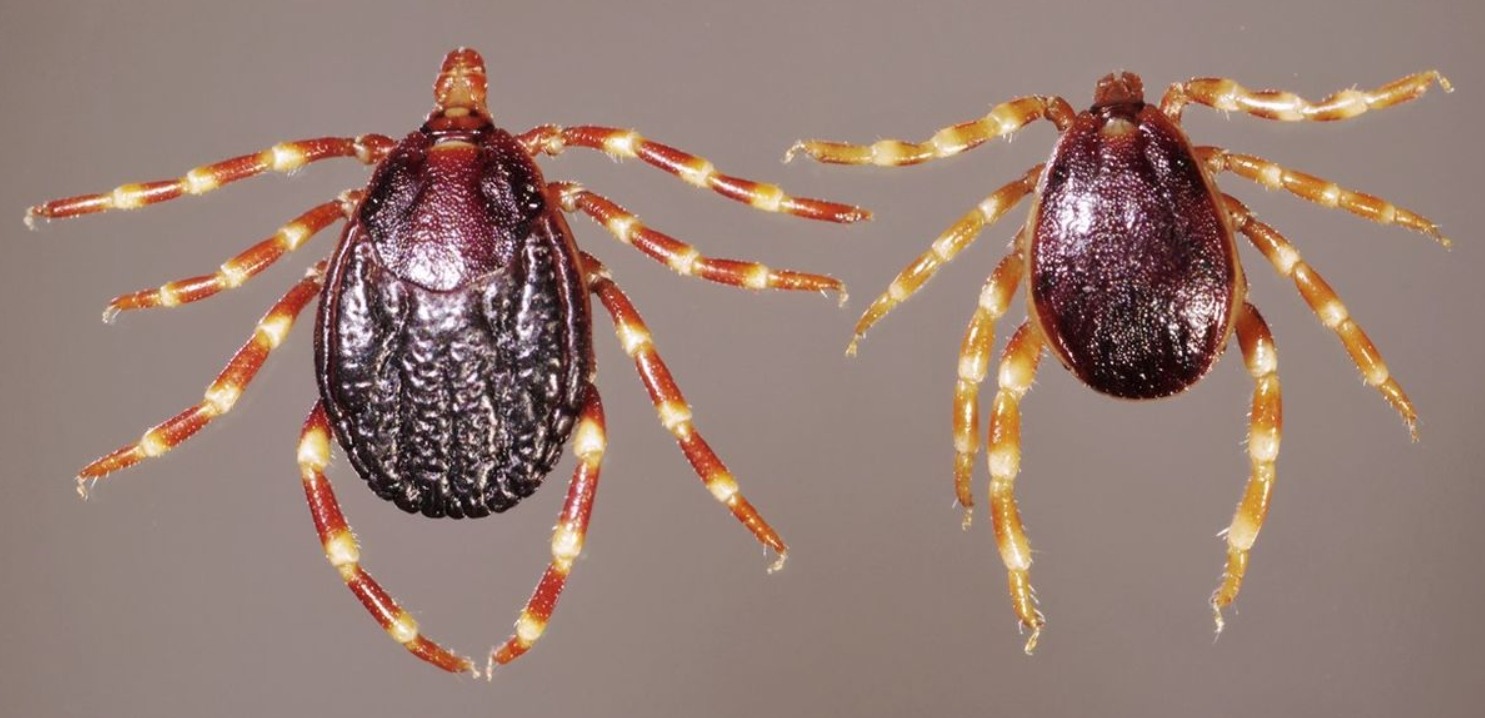
Hyalomma ticks have begun to pose a danger even to residents of Russia. Image source: wikipedia.org
Spring is just getting started, and gardeners are already preparing for the usual battle with ticks. They stock up on sprays, white overalls, and check each other after walks in nature. But while we’re still searching for danger in tall grass and forest bushes the old-fashioned way, a real threat is creeping up from a completely different direction — straight from the fields. For the new season, southern regions of Russia are preparing to face not just ordinary ticks, but mutated giants whose behavior is baffling biologists and forcing them to rewrite textbooks.
A New Type of Tick in Russia
These ticks of the genus Hyalomma recently inhabited the hot regions of Africa and Asia, but climate shifts and bird migration have carried them to Russia as well. And here they feel right at home. Why have they already been dubbed mutants? Because they break every stereotype about how a normal tick behaves.
These are true hunters. If our Moscow-region ticks are guerrillas that sit quietly in the grass and wait for you to walk by, Hyalomma behaves aggressively. They see their victim and run after it. Moreover, their movement speed is many times higher than that of ticks we’re used to. It’s hard to outrun such a sprinter, — explained biologist Dmitry Safonov to the Argumenty i Fakty editorial team.
You can identify a mutant even visually, if you’re quick enough. They are significantly larger than the ticks we’re used to and look like giants. They also differ in their coloring: their legs are covered with yellow stripes, which is why these creatures have been nicknamed “zebras.” And, importantly, they can withstand extreme heat and go without food for a long time while waiting for prey.
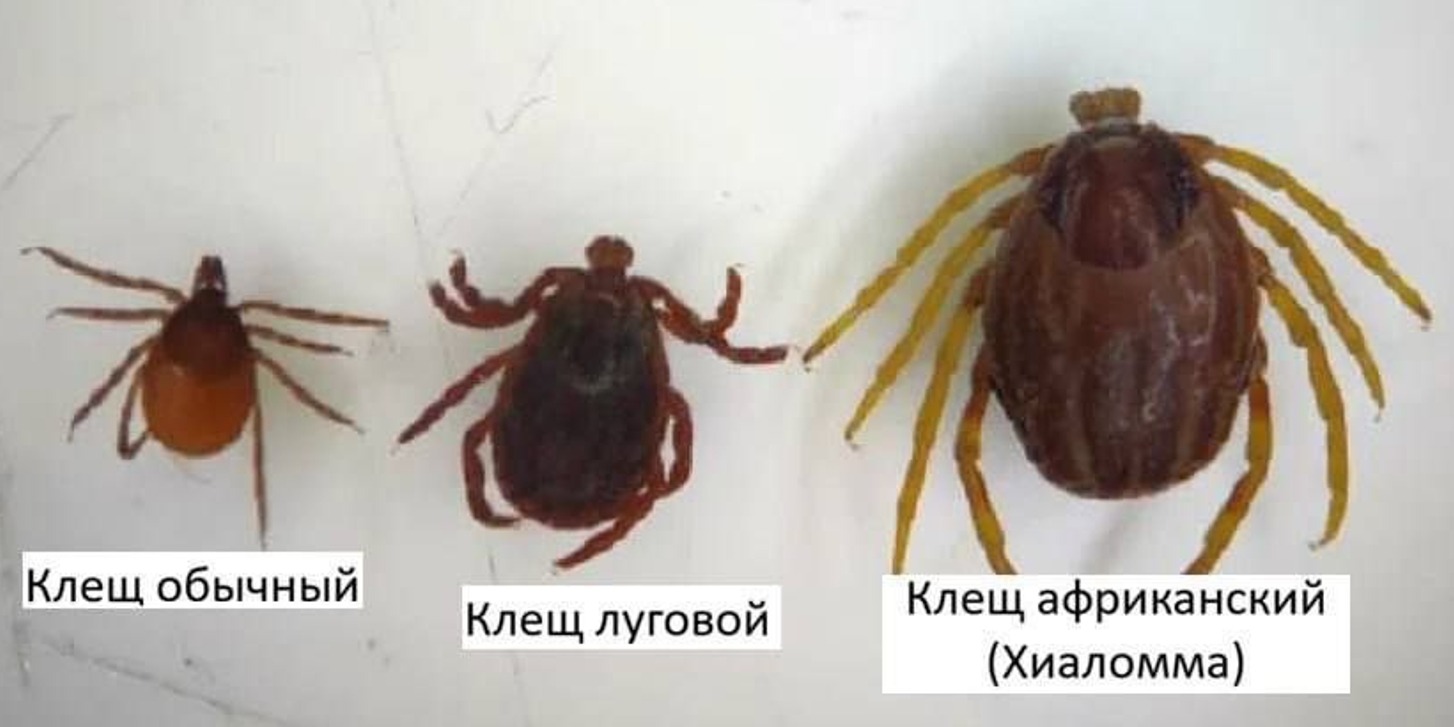
What different types of ticks look like. Image source: yaplakal.com
The Most Dangerous Type of Tick
The main danger of these hunter ticks is their resilience. The usual aerosols and sprays that have saved mushroom pickers for years have little effect on Hyalomma. These arthropods have developed immunity to many common repellents.
But the scariest thing is their “baggage.” A bite from this “zebra,” in addition to the standard set of diseases such as encephalitis and borreliosis, threatens Crimean-Congo hemorrhagic fever. This is a dangerous virus that responds poorly to treatment and has a high fatality rate.
The first symptoms resemble the flu: fever, body aches, headache. But then bleeding, convulsions, and confusion begin, — the expert warned.
Where Do Mutant Ticks Live
By 2026, the range of these ticks is expanding at an alarming rate. Hyalomma’s favorite habitats are dry, hot steppes, not shady forests. So residents of central Russia can breathe a sigh of relief, but tourists and travelers should be more careful.
In the red zone:
- Volgograd and Astrakhan regions;
- Stavropol and Krasnodar territories;
- Rostov region;
- Republics of the Caucasus (Dagestan, Ingushetia);
- Kalmykia.
The specialist emphasized that using aerosol sprays before a walk in the woods is still necessary. Don’t forget to inspect yourself during and after being outdoors.
According to the biologist, encountering a mutant tick is currently only realistic in southern Russia, but Hyalomma ticks are expanding their geographic range. The speed of the mutants’ spread has already reached Europe, so it’s quite possible that in a couple of years residents of more northern regions will be talking about them too.