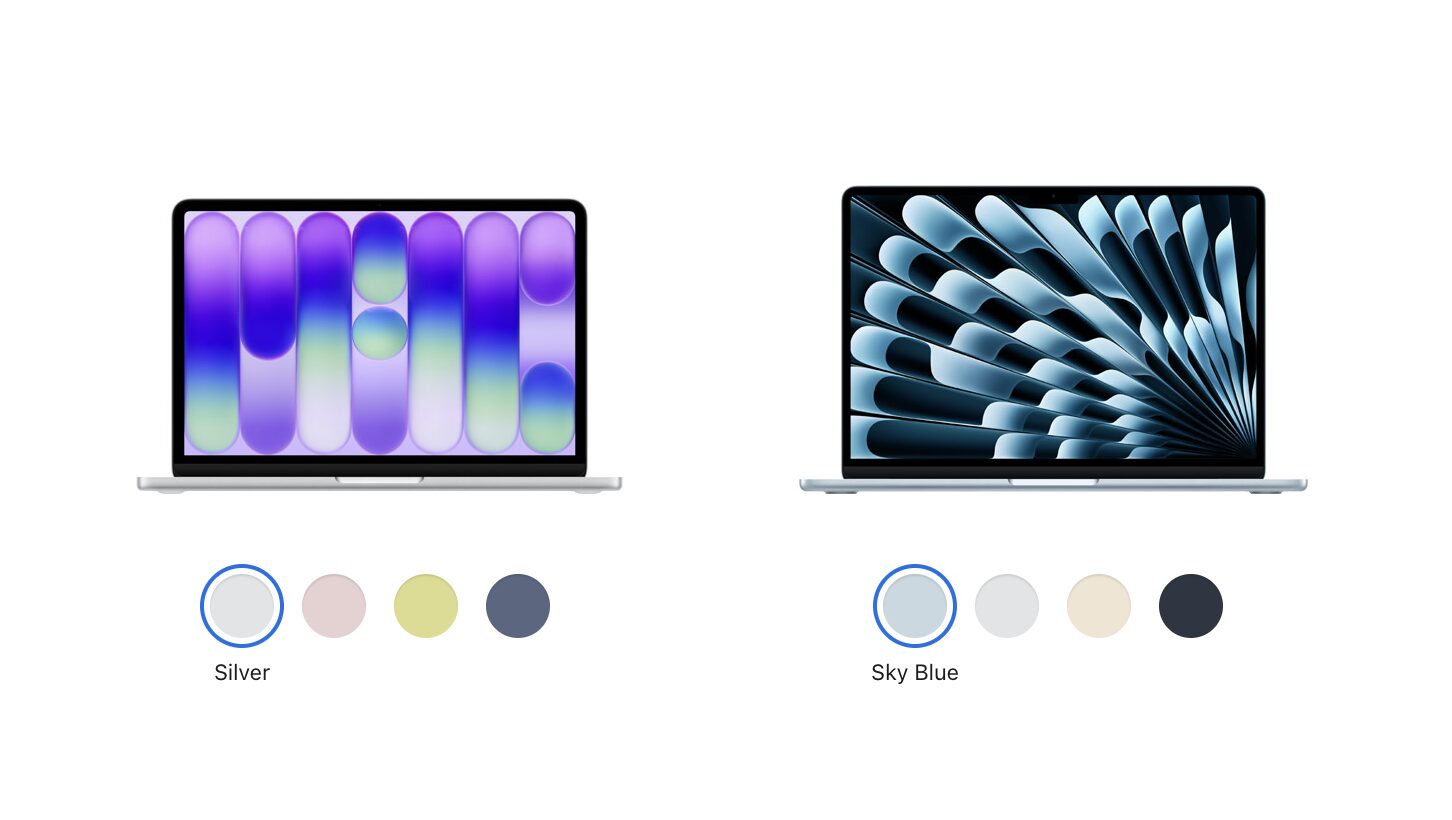
Apple has introduced a new laptop — the MacBook Neo. It’s the most affordable Mac in the company’s current lineup, aimed at users who need a simple computer for basic tasks. It costs significantly less than the MacBook Air, which immediately attracted attention. The new product effectively opens up a new category of devices in the Apple ecosystem. Pre-orders for the new computers have already started, but buying MacBook Neo and other new Apple products in Russia will be very difficult due to the situation with Dubai.
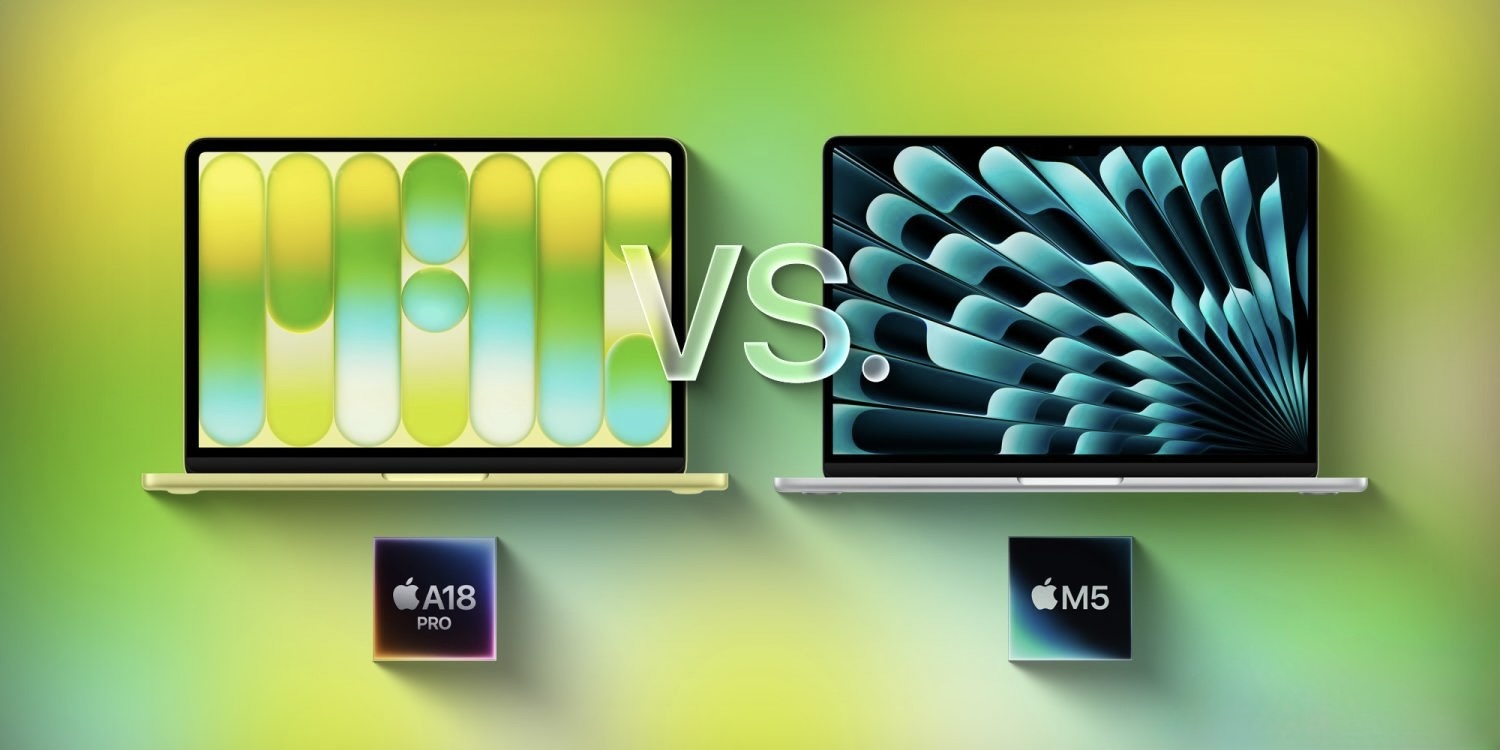
Understanding the differences between Apple’s two most affordable laptops. Image: 9to5mac.com
However, a lower price also means a number of compromises. Apple changed the processor, simplified some design elements, and reduced the number of features. That’s why many users immediately started wondering how much the new laptop differs from the MacBook Air.
MacBook Neo and MacBook Air Price: How Much Do Apple Laptops Cost
The main difference between the MacBook Neo and MacBook Air is the price. The new MacBook Neo has become the most affordable Apple laptop of all time. The company clearly expects it to become the first Mac for many users who previously chose cheaper Windows laptops.
| Model | Price | Storage | RAM |
|---|---|---|---|
| MacBook Neo | $599 (69,990 rubles in Russia) | 256 GB | 8 GB |
| MacBook Neo (512 GB) | $699 (84,990 rubles in Russia) | 512 GB | 8 GB |
| MacBook Air | $1,099 (129,990 rubles in Russia) | 512 GB | 16 GB |
The base version of the MacBook Neo costs $599. For that money, the buyer gets a laptop with 256 GB of storage and 8 GB of RAM. For $699, you can buy the version with 512 GB of storage and Touch ID, but the RAM still remains at 8 GB. M.Video has already launched pre-orders for these models at 69,990 and 84,990 rubles respectively.
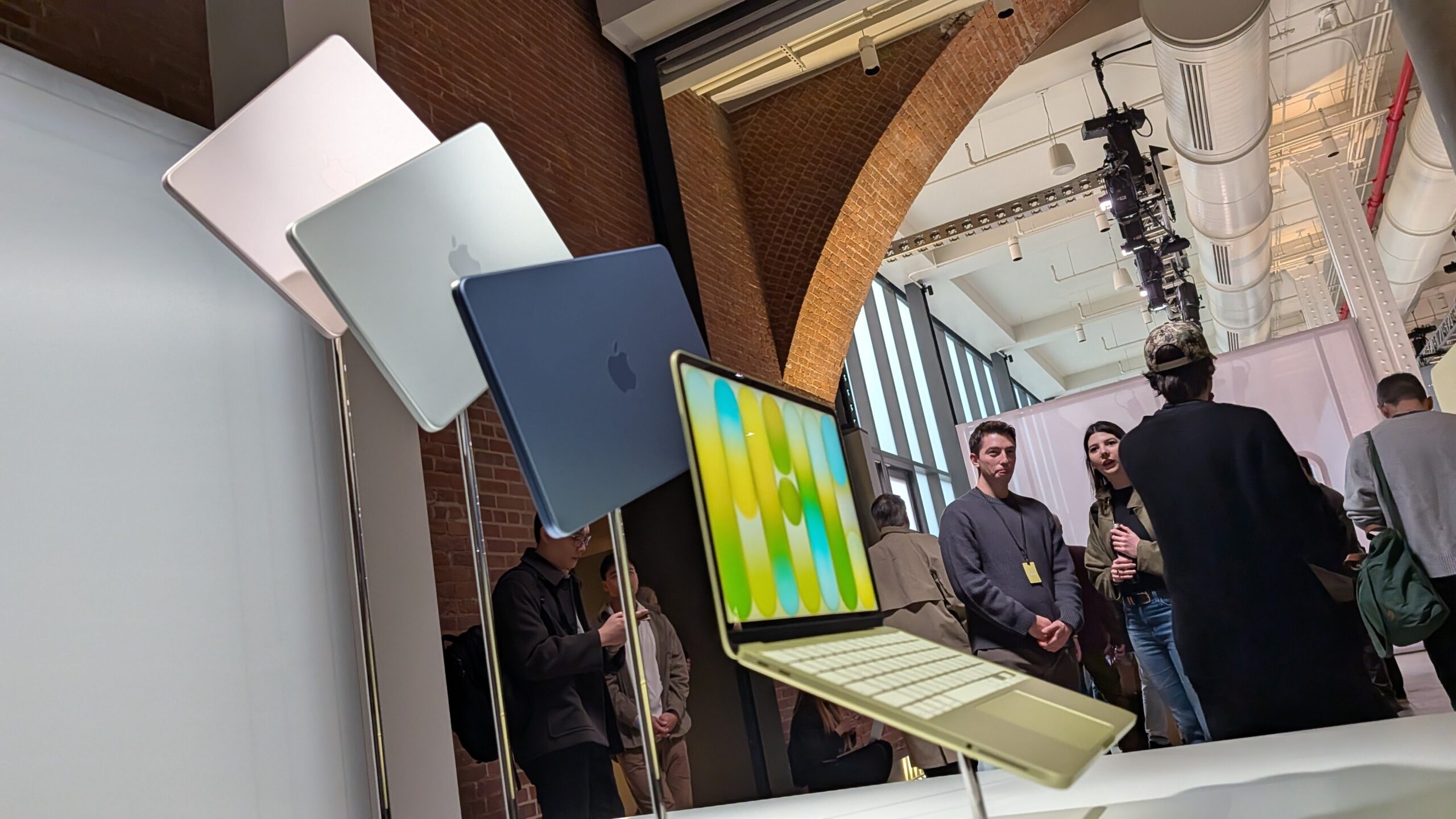
Apple showcases the new affordable laptop very impressively. Image: uk.pcmag.com
The MacBook Air is in a completely different price category. The base version costs $1,099 and immediately offers a 512 GB SSD and 16 GB of RAM. At the same M.Video, they’re asking as much as 129,990 rubles for it. In addition, buyers can choose versions with 1, 2, or 4 TB of storage, as well as increase the RAM to 24 or 32 GB.
Thus, the difference between the laptops is approximately $500, or 60,000 rubles if you take Russian prices. But along with the higher MacBook Air price, it offers more powerful hardware and significantly more configuration options. Keep in mind that the situation in the Middle East could at any moment force sellers in Russia to increase prices on new MacBooks, meaning these prices are far from final.
MacBook Neo and MacBook Air Specs: Key Differences
The MacBook Neo and MacBook Air look like similar laptops, but there are actually quite a few differences between them. Apple positions the MacBook Neo as the most affordable Mac for basic tasks, while the MacBook Air remains a more versatile and powerful model.
The differences affect virtually all key parameters: processor, display, battery, ports, and even the keyboard. Therefore, before purchasing, it’s important to look at the main specifications of the laptops and understand where exactly Apple decided to cut costs in the cheaper model.
| Specification | MacBook Neo | MacBook Air |
|---|---|---|
| Display | 13″ Liquid Retina | 13.6″ Liquid Retina |
| Resolution | 2408 × 1506 | 2560 × 1664 |
| Color Gamut | sRGB | P3 |
| Processor | A18 Pro | M5 |
| CPU | 6 cores | 10 cores |
| GPU | 5 cores | up to 10 cores |
| RAM | 8 GB | 16–32 GB |
| Storage | 256–512 GB | 512 GB – 4 TB |
| Battery | 36.5 Wh | 53.8 Wh |
| Keyboard Backlight | No | Yes |
| Touch ID | Only in 512 GB version | Yes |
| Ports | 2× USB-C | 2× Thunderbolt 4 + MagSafe |
| Wi-Fi | Wi-Fi 6E | Wi-Fi 7 |
| Weight | 1.23 kg | 1.23 kg |
From the table, it’s clear that the MacBook Neo falls behind the MacBook Air in virtually all key parameters. At the same time, it remains a significantly more affordable laptop designed for basic tasks like browsing, working with documents, and watching videos.
The MacBook Air costs more but offers a more powerful processor, a better display, more memory, and more advanced connectivity options. Therefore, it remains a more versatile laptop for work and more demanding tasks.
MacBook Neo and MacBook Air Processor: A18 Pro vs M5
The most unusual feature of the MacBook Neo is its processor. Unlike other Apple laptops, it uses not an M-series chip but a mobile A18 Pro processor. This processor originally appeared in the iPhone and is designed primarily for energy efficiency.
| Specification | MacBook Neo | MacBook Air |
|---|---|---|
| Processor | A18 Pro | M5 |
| CPU | 6 cores | 10 cores |
| GPU | 5 cores | up to 10 cores |
| Neural Engine | 16 cores | 16 cores |
| Memory Bandwidth | 60 GB/s | 153 GB/s |
The A18 Pro chip includes a six-core CPU with two performance and four efficiency cores. It also features a five-core GPU, a 16-core Neural Engine, and hardware ray tracing support. Memory bandwidth is 60 GB/s.
The MacBook Air is equipped with a full-fledged computer-grade Apple M5 processor. It includes ten computing cores and up to ten graphics cores, along with the same 16-core Neural Engine. Meanwhile, memory bandwidth reaches 153 GB/s, which is significantly higher.
In practice, this means the MacBook Neo handles browsing, documents, and light tasks excellently. The MacBook Air is noticeably faster when working with graphics, video editing, and demanding applications.
MacBook Neo vs MacBook Air Display: How the Screens Differ
The laptop displays also differ significantly. The MacBook Neo features a 13-inch Liquid Retina display with a resolution of 2408 × 1506 pixels and a density of 219 pixels per inch. Brightness reaches 500 nits, which matches the level of Apple’s more expensive models.
| Specification | MacBook Neo | MacBook Air |
|---|---|---|
| Screen Size | 13″ | 13.6″ |
| Resolution | 2408×1506 | 2560×1664 |
| Color Gamut | sRGB | P3 |
| True Tone | No | Yes |
| Brightness | 500 nits | 500 nits |
However, the Neo’s screen only supports the sRGB color space. The wider P3 color gamut is absent here, as is True Tone technology, which automatically adjusts the display’s color temperature to match ambient lighting.