If I want Liquid Glass, I’ll buy an iPhone. But lately, I’ve been noticing Apple-style design more and more in apps on my Android smartphone. This isn’t just an aesthetic annoyance — it’s a symptom of developers no longer treating Android as an independent platform. Android has long been known for its flexibility and customization options, which is why tips on how to disable the glass effect in Telegram on Android are so popular. I don’t mind when third-party launchers offer Liquid Glass as one of several theme options — that’s the user’s choice. The problem is different: when an app developer decides to use Apple’s design language instead of Google Material 3 Expressive, the result looks alien and out of place.
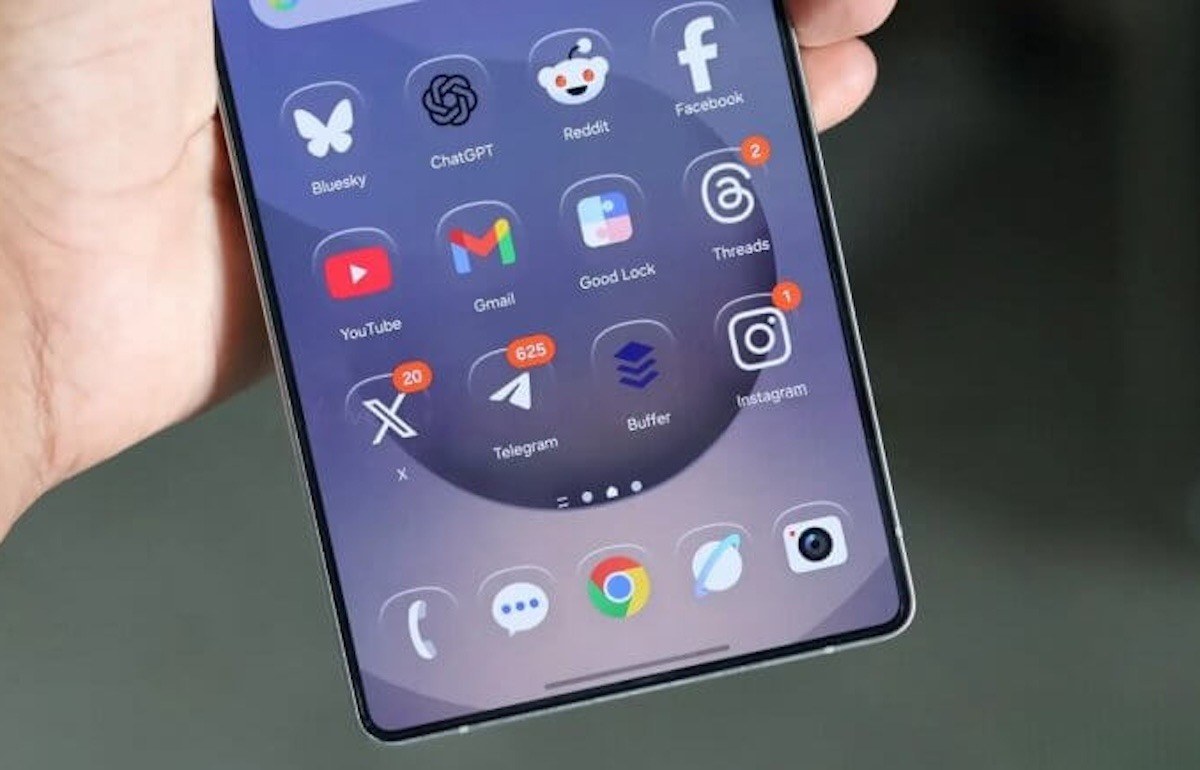
Liquid Glass is even being used by major brands like Samsung, not to mention apps. Image: samlover.com
Which Android Apps Copied the iPhone Design
The most telling example is the popular note-taking app Obsidian. After its latest update, its interface screams iOS: round floating buttons in the corners of the screen, a bottom navigation bar, no accent colors. The app runs fast and is responsive, but it feels like launching an iOS port on Android. I don’t use it myself, but I’ve seen it and it’s simply awful.
It would have been enough to change the shape of the buttons — making them slightly flatter, as is common on Android — and remove the shadows to make the interface read better. Another step would be support for the Material You system, which allows an app to pick up the device’s color palette. Gmail and Google Messages do this excellently.
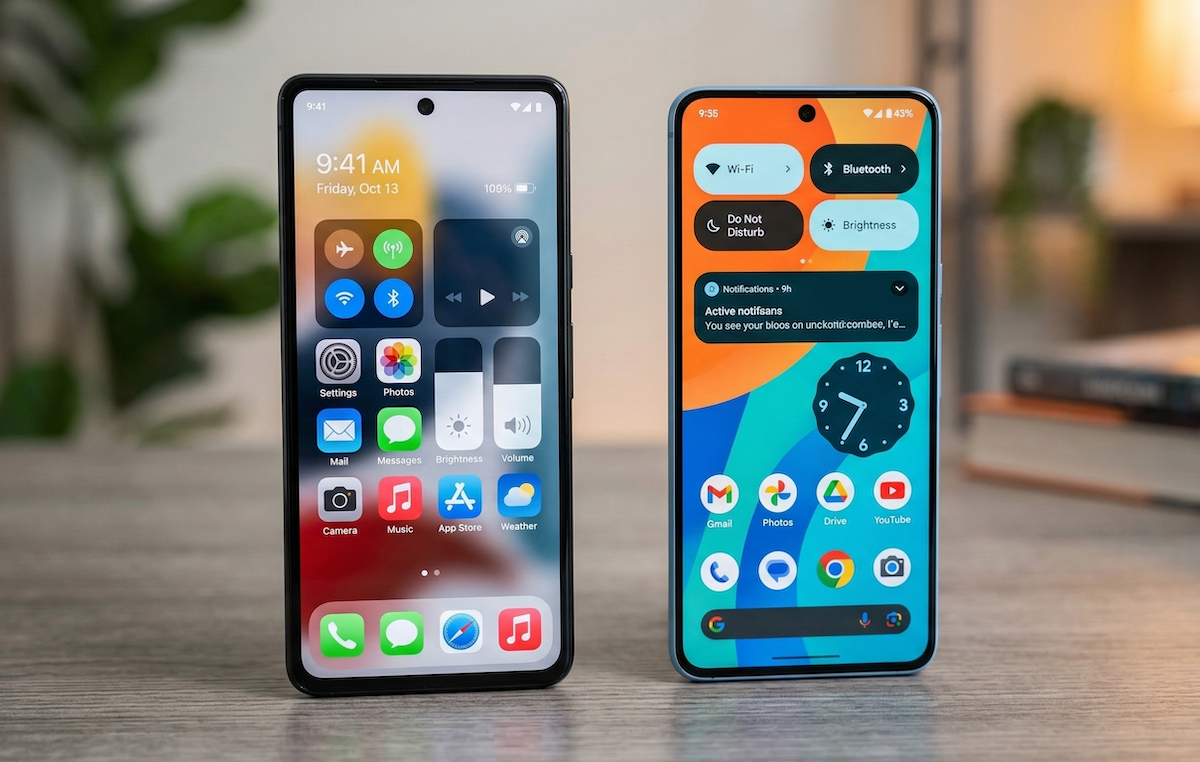
Smartphones have already stopped being radically different from each other. And now Liquid Glass has arrived on top of that.
Telegram is another alarming case. The messenger relatively recently updated the design of its Android version, and the result looks like a blurred copy of the iOS app. Personal chats retained the old design, while channels received the new one — a mix of Liquid Glass and Telegram’s own design system. The animations are still magnificent, but the overall picture resembles a patchwork quilt. It’s neither Android nor iOS — something in between, lacking consistency.
A Unified Design for iOS and Android
Creating a unique design system is a perfectly reasonable choice for a major brand. There aren’t many such apps, but they exist and continue to maintain a unified brand style across all platforms: no Liquid Glass, no Material 3 Expressive, but full brand recognition. This requires resources, but it gives the user a stable and predictable experience.
The problem with Telegram is that the company tried to sit on two chairs at once: it took elements of the native toolkit but applied them inconsistently. The Android user gets the feeling of launching an app that wants to be the iPhone version but can’t. The iOS version, meanwhile, has already been fully updated to Liquid Glass.
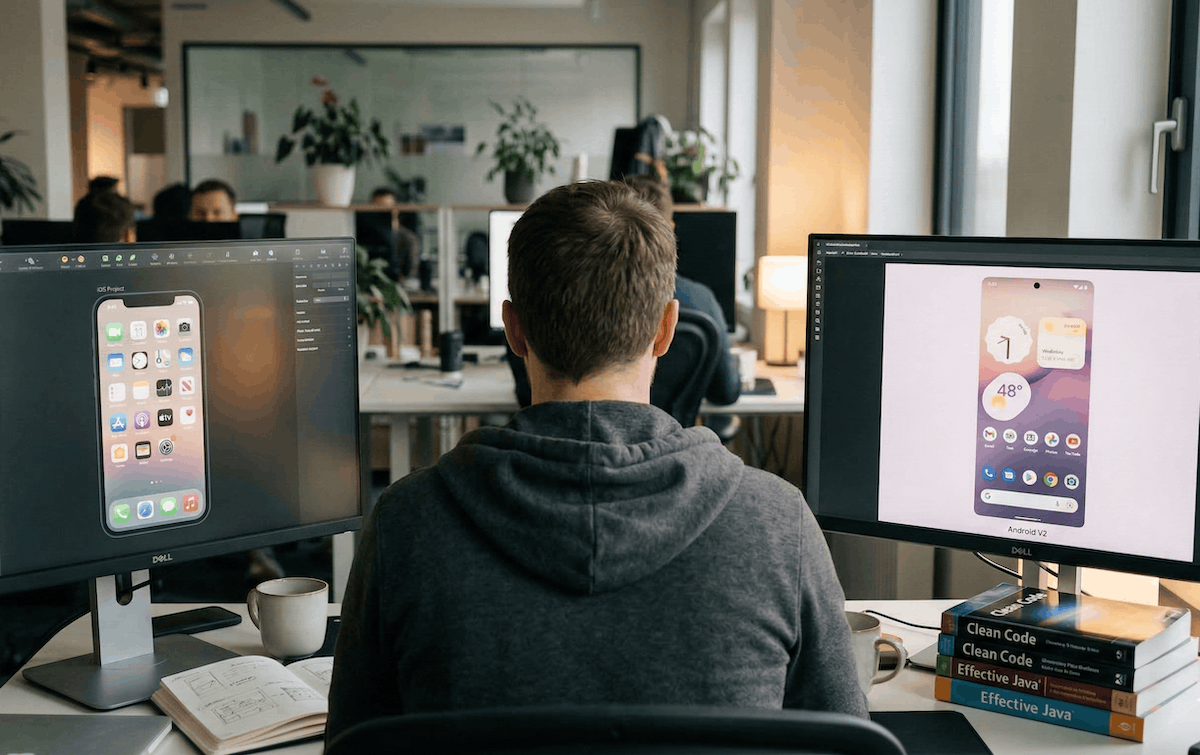
Copy — paste… Sometimes it seems like designers work roughly like this.
Why Material You Didn’t Become the Standard for Android
I understand the business logic: maintaining one design for all platforms is cheaper. But that’s no reason to ignore the Android audience and the aesthetic that Google is pushing them toward. Google introduced Material 3 Expressive almost a year ago — a bold, expressive concept with dynamic colors and lively animations. Since then, nothing resembling the announced vision has appeared. Interestingly, even Google’s own apps don’t have it.
Material 3 Expressive has enormous potential. It would be a shame if it remained just a beautiful presentation while developers continue to carelessly and half-heartedly copy Apple.