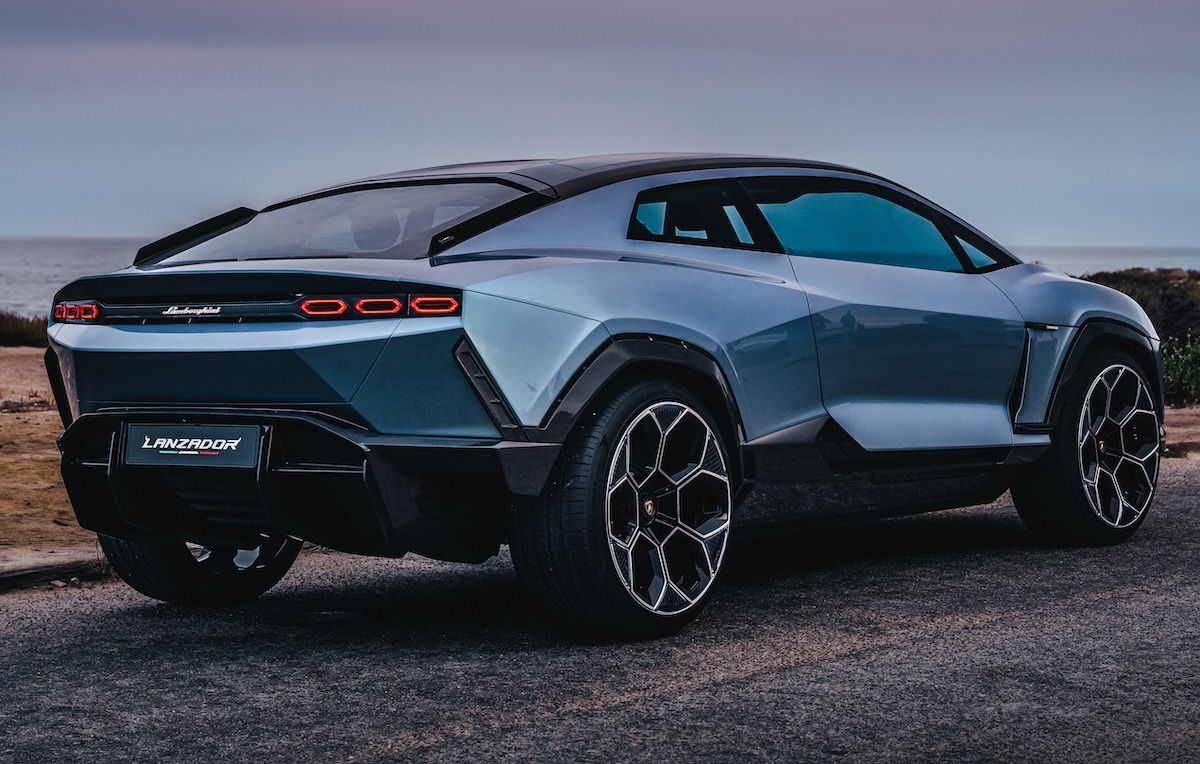
The Lamborghini Lanzador will never see the light of day. At least for now. Image: Top Gear
A few years ago, in the spirit of modern trends that are gradually fading into the past, Lamborghini loudly announced its ambitions in the electric vehicle world by unveiling the Lanzador concept — a sleek 2+2 grand tourer with dual electric motors, active aerodynamics, and an interior made from recycled materials. The car was expected to enter series production in 2028. However, at the end of 2024, the project was quietly shelved — and, by all appearances, no one was particularly upset. I would even say that common sense prevailed and roaring supercars remain exactly that, rather than turning into plastic battery-powered toys.
Why Lamborghini Abandoned the Electric Supercar
According to CEO Stephan Winkelmann, interest in purely electric vehicles among Lamborghini’s target audience is “close to zero.” Surprising, right? What an unexpected observation for a brand that since its inception has accustomed everyone to wild V10 and V12 engines guzzling high-octane fuel by the bucketload.
The current decision was made after more than a year of internal discussions, market analysis, and conversations with dealers and customers. The conclusion was clear-cut: supercar buyers want a vehicle that looks, sounds, and feels exactly like a supercar. Electric motors, for all their power (though that’s debatable too), simply cannot reproduce that very engine roar that is an inseparable part of the emotion of owning a Lamborghini.
Investing serious money in developing a fully electric vehicle when the market and customers aren’t ready for it is an expensive hobby and financial irresponsibility toward shareholders, employees, and their families, — Winkelmann stated.
Drawbacks of Electric Supercars
On one hand, the brand’s logic is understandable: Lamborghini sells not just speed, but emotions. On the other hand, examples of electric hypercars like the Rimac Nevera or Yangwang U9 show that purely electric machines are capable of literally rewriting acceleration records. The potential for face-stretching horizontal g-forces from electric powertrains is enormous.
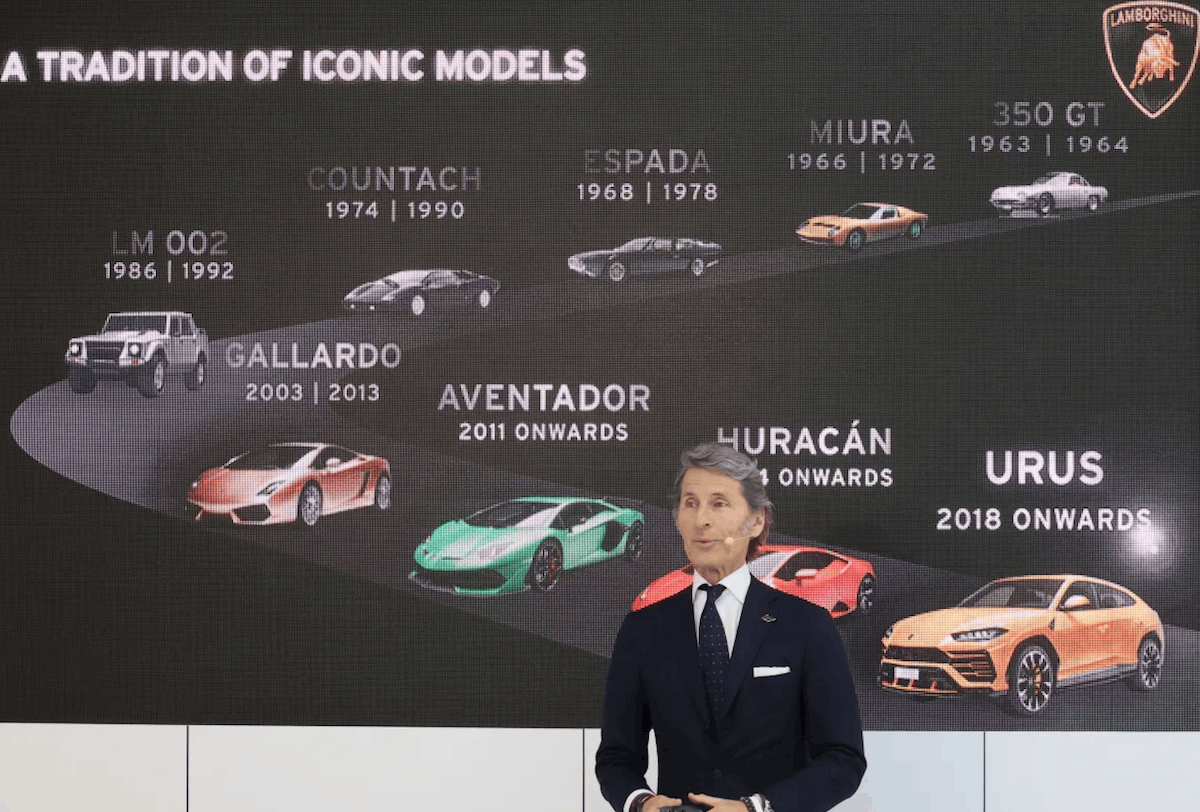
CEO Stephan Winkelmann is making the right choices. Image: New Atlas
But how necessary is that really? Launching from every traffic light gets old fast, and then you’ll have to spend a long time sipping coffee while your gadget on wheels charges up. Driving in silence? A supercar doesn’t need that. Ecology? Also questionable, considering how harmful battery production is and how efficient fuel combustion has become. On top of that, let’s not forget how much a battery weighs and how that affects the handling of such an electric cart.
A 0-60 time is just one component of a premium-class supercar. The sound, vibration, the sensation of a living mechanical beast behind your back — all of this creates that very irrational attachment for which people pay hundreds of thousands of dollars. And here, the electric motor falls significantly short.
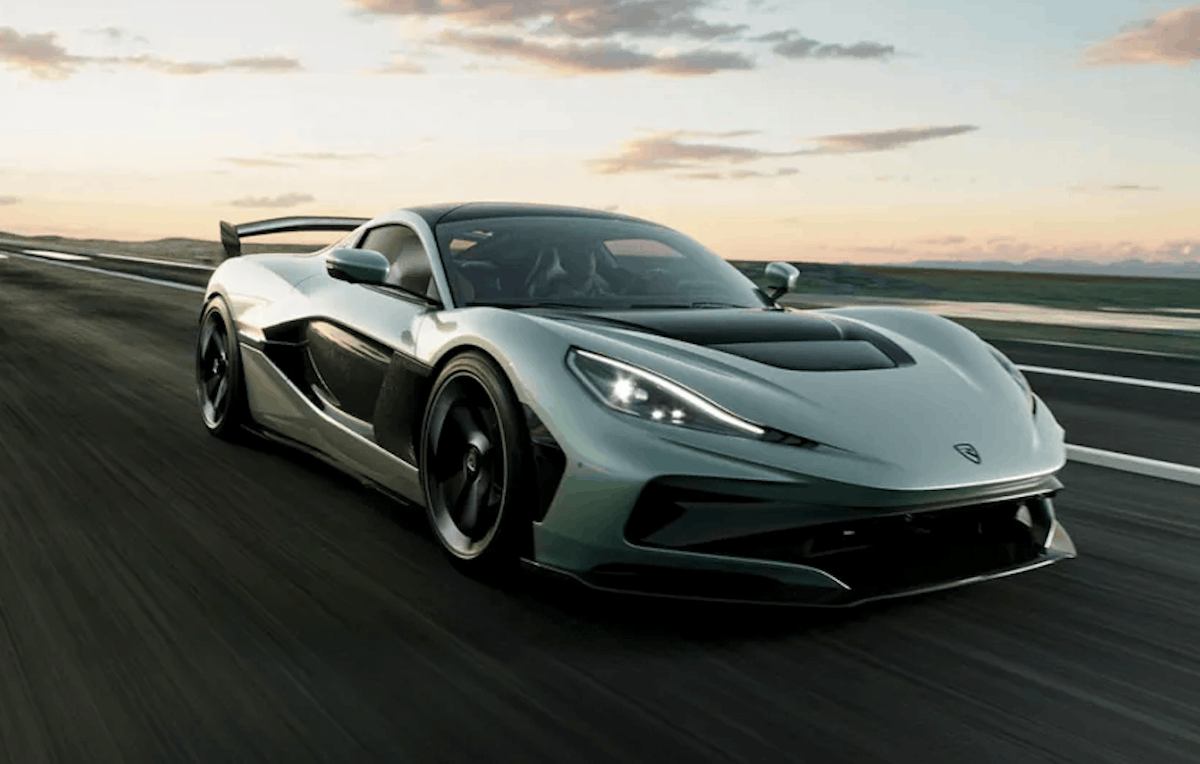
Yes, the Rimac Nevera can accelerate quickly, but what’s the point without the vroom-vroom and rumble? Image: Robb Report
Lamborghini’s Bet on PHEV Hybrid Technology
Today, Lamborghini’s entire lineup is built on plug-in hybrid (PHEV) platforms: the Urus SUV, the Temerario sports car, and the flagship Revuelto — all of them combine electric motors for instant acceleration with gasoline engines that deliver the characteristic sound and emotion. It’s a compromise that satisfies both the brand and its customers. Although, it does make the cars more complex and temperamental.
Lamborghini doesn’t deny that the future belongs to electric vehicles — Winkelmann says the company will revisit the question when the market and buyers are ready. But the brand clearly has no intention of forcing the transition for the sake of a fashionable trend. In the world of supercars, reputation is built over decades, and risking it for unproven demand means jeopardizing the very heritage of the marque.