When a new iPhone model comes out, most people automatically assume it’s better in every way. This is especially true for the camera, because that’s what Apple most often highlights in its marketing. But if you carefully examine the specs and real-world shooting scenarios, it turns out that the iPhone 17e camera not only doesn’t surpass the iPhone 15 but actually falls behind it in a number of situations. On one hand, buying the new iPhone 17e in Russia won’t be easy anyway, so there’s no need to be upset. But sooner or later the smartphone will become available, and it’s better to know the nuances in advance.
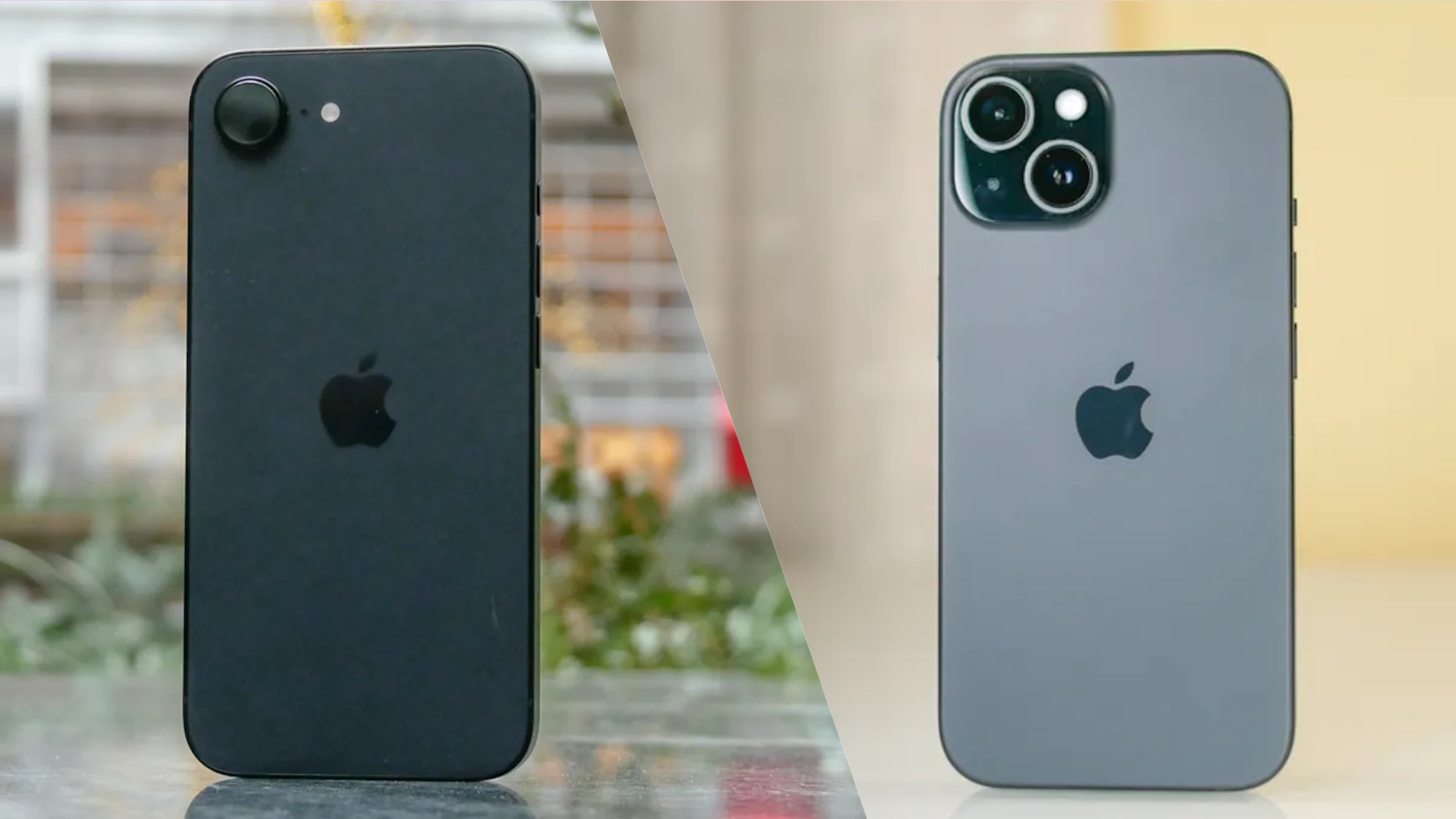
Sometimes an older iPhone is better for quality photos. Image: tomsguide.com
On paper, everything looks convincing: 48 megapixels, the new A19 chip, updated processing algorithms. However, photo quality isn’t determined by megapixel count alone. Sensor size, the presence of a second module, HDR processing depth, and stabilization features affect the final result far more than just the processor generation.
What Cameras Do the iPhone 17e and iPhone 15 Have
Formally speaking, both smartphones are equipped with a 48-megapixel main camera with an f/1.6 aperture and optical stabilization. That’s pretty much where the similarities end. The iPhone 15 uses a larger sensor and a full implementation of Photonic Engine, while the iPhone 17e has a simplified module with a smaller sensor area and less advanced processing.
| Specification | iPhone 17e | iPhone 15 |
|---|---|---|
| Main camera | 48 MP | 48 MP |
| Sensor size | 1/2.55″ | 1/1.56″ |
| Aperture | f/1.6 | f/1.6 |
| Ultra-wide | No | 12 MP (f/2.4) |
| Photonic Engine | Simplified | Full |
| Lossless 2x digital zoom | Yes | Yes |
| Stabilization | OIS | OIS |
| Video | 4K | 4K |
The second important difference is the presence of an ultra-wide lens on the iPhone 15. The iPhone 17e has no additional camera, which automatically limits the device’s versatility. Yes, both support lossless 2x digital zoom, but the iPhone 15 implements it more cleanly thanks to a better base sensor and more stable HDR.
It’s worth emphasizing separately that megapixels don’t equal quality. Two smartphones can both have 48 MP but differ in detail, dynamic range, and noise levels. In the case of comparing the iPhone 17e and iPhone 15, these parameters become the key differentiators.
How the iPhone 17e Camera Is Worse Than the iPhone 15
The first and most noticeable difference shows up in challenging lighting. In the evening outdoors, the iPhone 17e camera introduces noise more quickly, and fine details start getting smoothed out. The iPhone 15, thanks to its larger sensor and more advanced processing, preserves more textures and handles light sources more carefully.
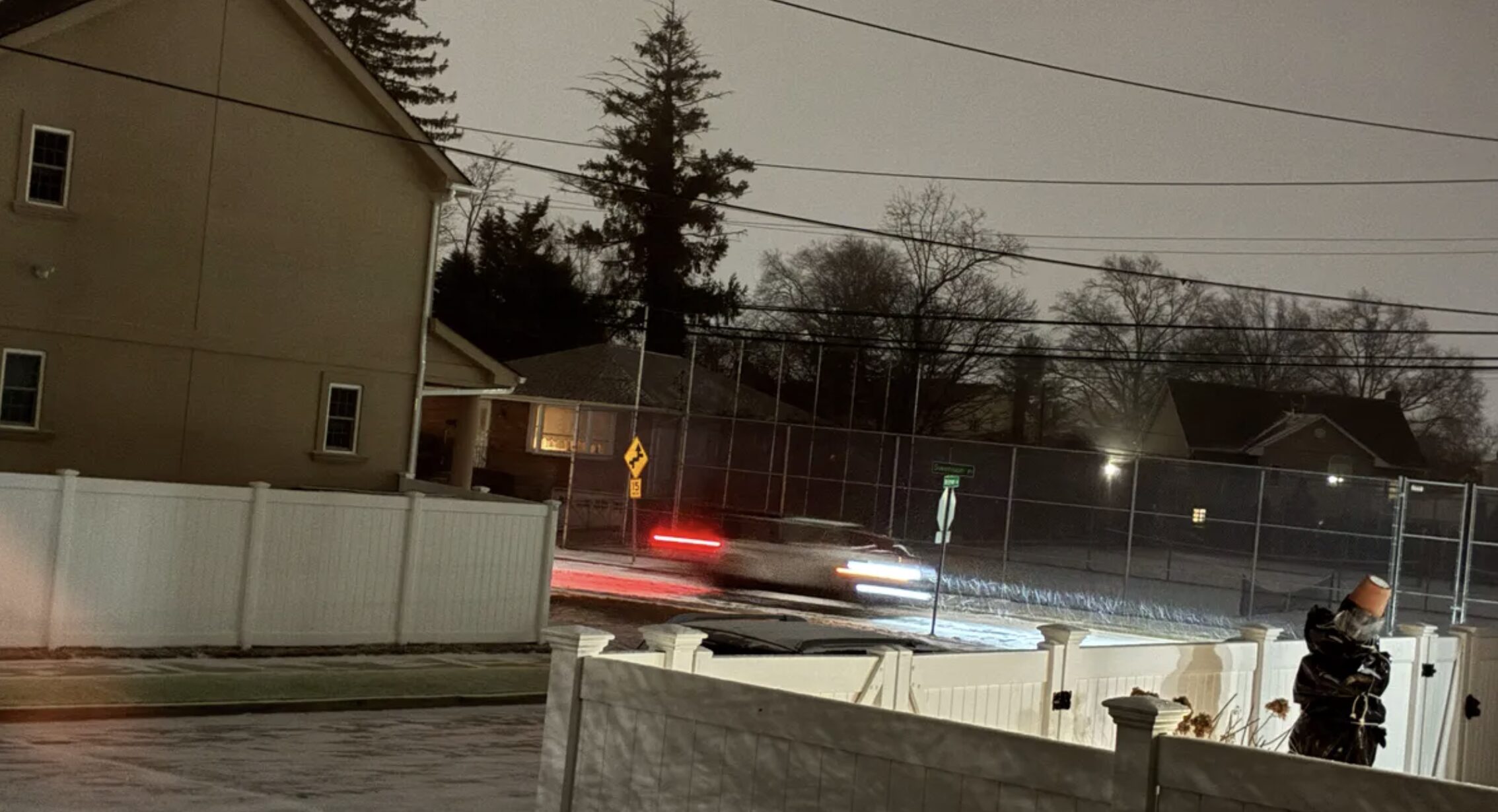
The camera in the iPhone 16e is the same as in the 17e, so you can evaluate shots from it. It really struggles in the dark. Image: techradar.com
Indoors under warm lamp lighting, the differences become even more noticeable. The iPhone 17e applies noise reduction more aggressively, which can make skin in portraits look less natural. The iPhone 15 processes the scene more gently and preserves texture more carefully.
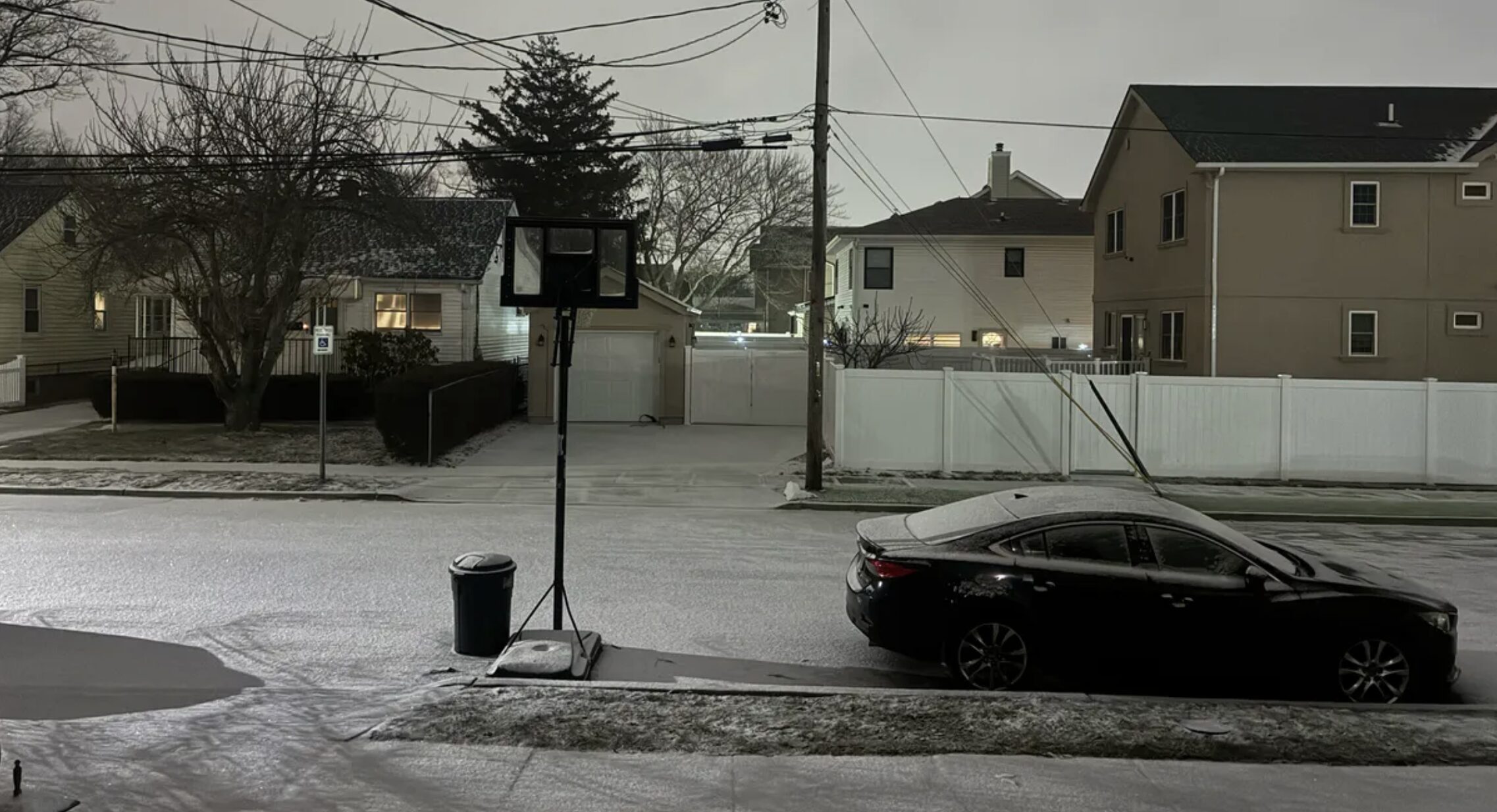
The camera in the iPhone 16e is the same as in the 17e, so you can evaluate shots from it. It really struggles in the dark. Image: techradar.com
Another point worth mentioning is HDR and high-contrast scenes. When photographing a person against a bright window, the iPhone 15 retains details better in both highlights and shadows. The iPhone 17e is more prone to overexposure or crushed dark areas.
You also can’t ignore the absence of an ultra-wide lens. Landscapes, architecture, group photos — all of these are easier to shoot on the iPhone 15. With the 17e, you’re physically limited to a single module, and it’s noticeable.
Why the iPhone 15 Camera Is Better Than the iPhone 17e
The “e” lineup was originally positioned as a more affordable alternative to flagships. To keep the price down, Apple is forced to differentiate models by key components. The camera is one of the most obvious tools for such differentiation.
The processor can be updated relatively inexpensively, especially if it’s already being manufactured in large volumes. But a large sensor, a second module, and a more complex stabilization system represent direct manufacturing costs. Simplifying the camera allows Apple to maintain margins without changing the price tag.
Additionally, Apple is betting on computational photography. The company expects that A19 algorithms can compensate for some of the hardware limitations. But in reality, algorithms can improve a shot but cannot fully replace physical sensor size.
Which Budget iPhone to Choose If the Camera Matters
If versatility and flexibility in shooting are important to you, the iPhone 15 looks like the more rational choice. It offers a second lens, a larger sensor, and more predictable HDR performance. In the long run, this gives you more possibilities.
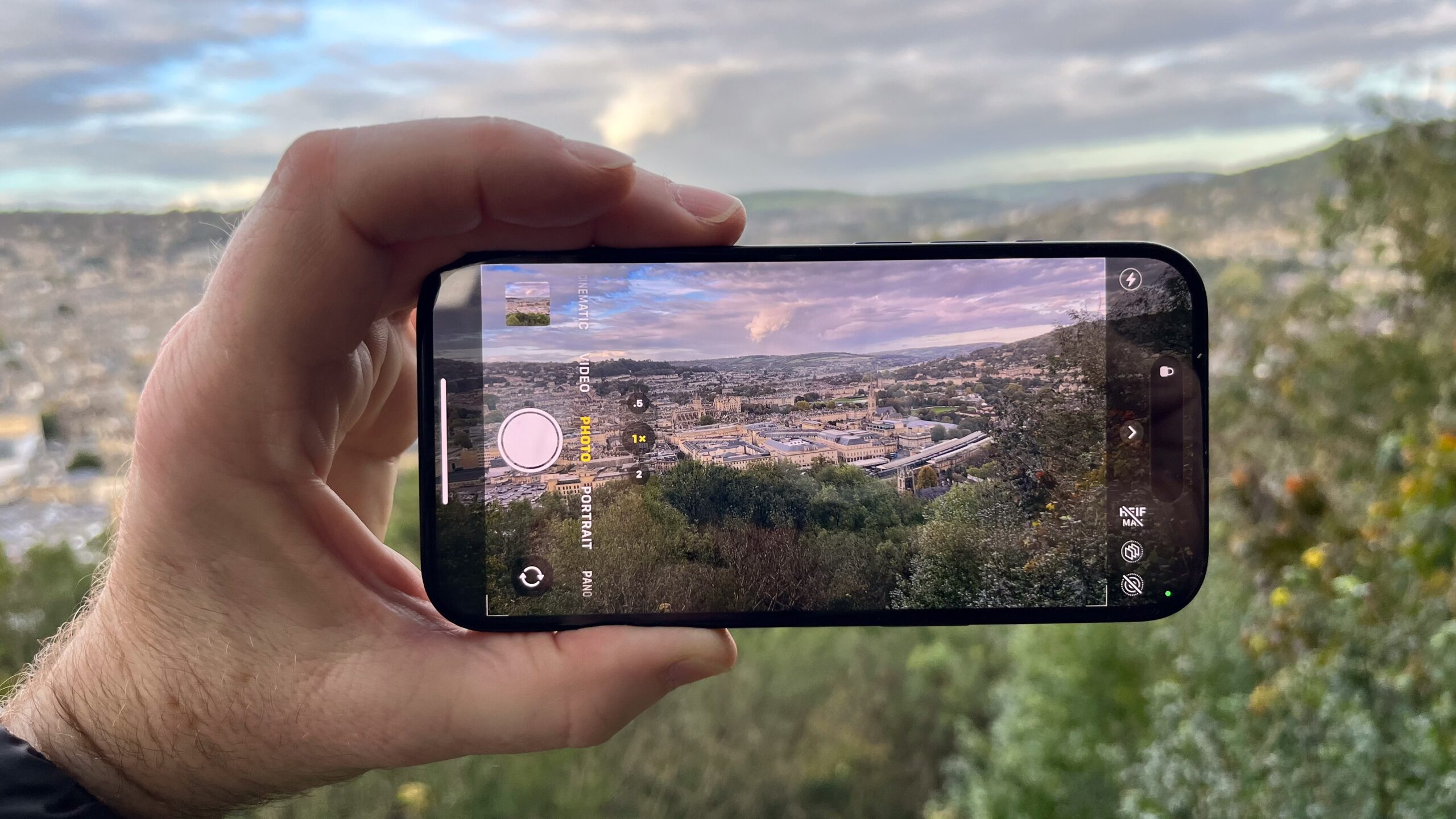
If the camera matters to you and your budget is tight, choose the iPhone 15. Image: digitalcameraworld.com
If you just need an everyday camera and mostly shoot in good lighting or very rarely, the iPhone 17e will handle things without major issues. It doesn’t take bad photos, but it takes them in a simpler and less flexible way.
If your main focus is video or shooting in challenging conditions, the answer becomes obvious. In the comparison of iPhone 17e and iPhone 15, it’s the iPhone 15 that comes out ahead.