In recent days, a news story has emerged claiming that iPhones in Russia have started breaking due to constant VPN use. The alleged causes include overnight charging with VPN enabled, processor overheating, and even cheap cases that supposedly prevent the phone from cooling properly. It sounds alarming, but in practice, things aren’t so clear-cut. Can VPN actually break an iPhone? Let’s figure out where the truth lies and where Russian media is exaggerating.
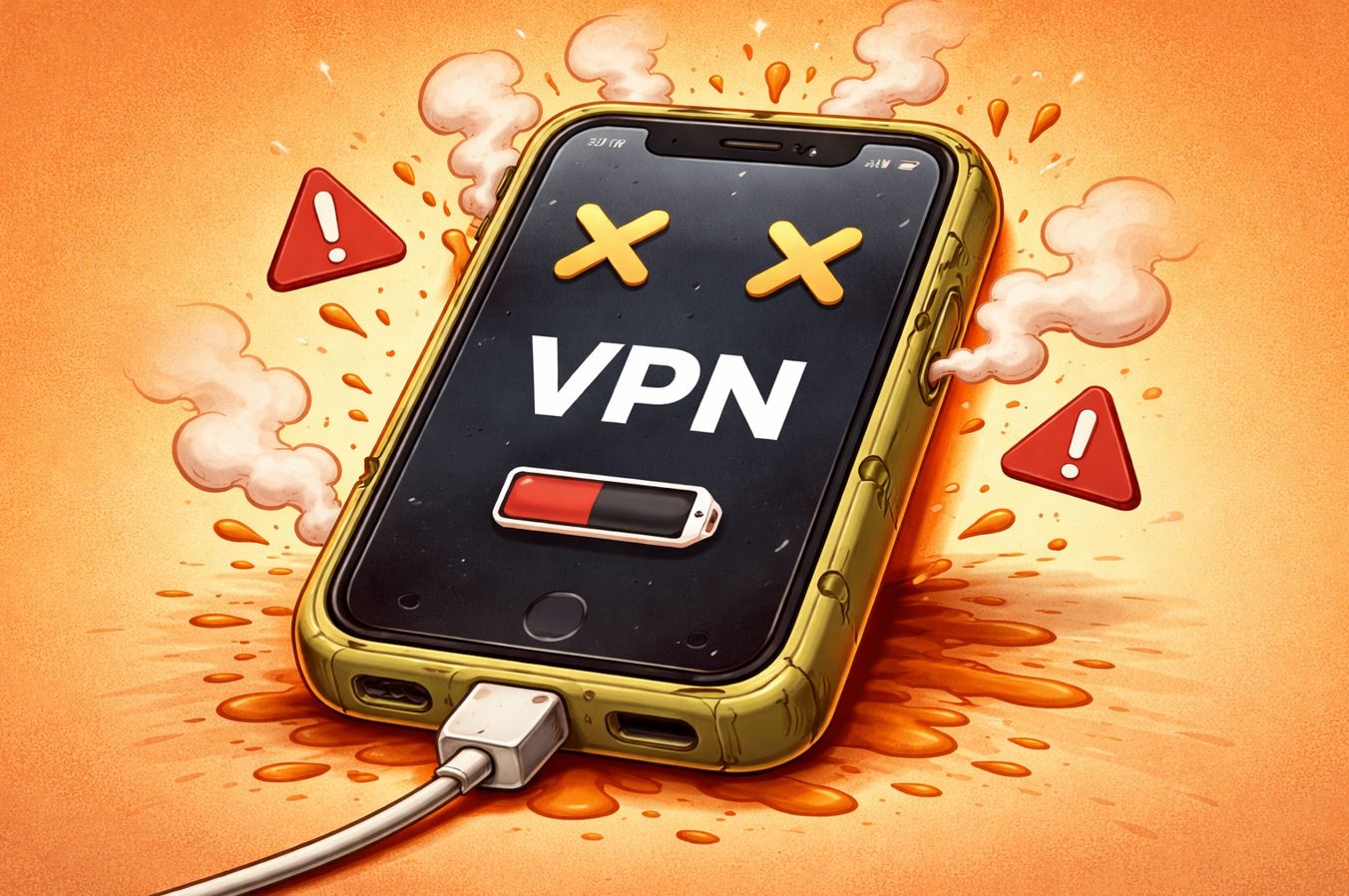
Investigating whether VPN really kills iPhone batteries
How VPN Affects iPhone Performance
VPN does create additional load on an iPhone. When you connect to the internet through a VPN, the connection is maintained constantly, even when you’re not actively using the phone.
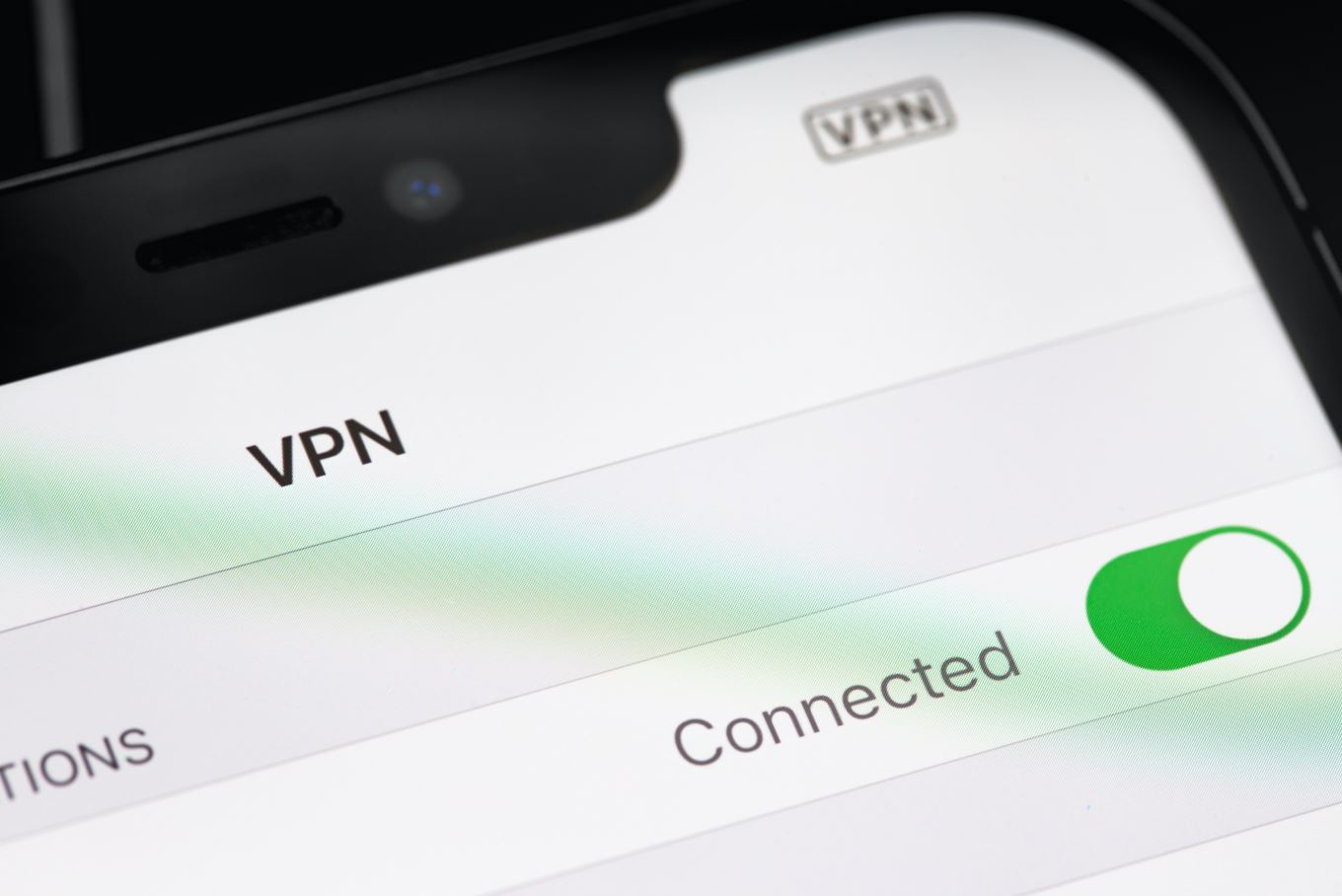
Does VPN really negatively affect iPhone performance? Photo: malwarebytes
But for modern iPhones, this kind of load is considered normal. Apple’s processors are designed for much heavier tasks than running a VPN, and iOS knows how to manage power consumption and reduce load when necessary. Therefore, VPN usage alone cannot cause an iPhone to break and shouldn’t cause serious overheating. Problems only arise when VPN is combined with other factors that increase the system load.
Why iPhones Get Very Hot
The scenario described in the news sounds plausible, but the cause isn’t the VPN itself. During charging, any smartphone heats up because the battery receives energy and some of it inevitably converts to heat. At night, the situation gets more complicated because the iPhone often performs background tasks. App updates, iCloud syncing, and other processes may be running. If VPN is enabled at the same time, network traffic increases and processor load goes up.
This is unpleasant but still doesn’t mean the phone instantly “breaks.” All consequences manifest over the long term, and only in cases where iPhone usage guidelines are regularly neglected.
What Causes iPhone Battery Degradation
High temperature is indeed harmful to batteries. Lithium-ion batteries wear out faster if they regularly operate under heavy heat, especially during charging. This applies not only to iPhones but to any modern devices. Battery capacity decreases, losing its resource over time.
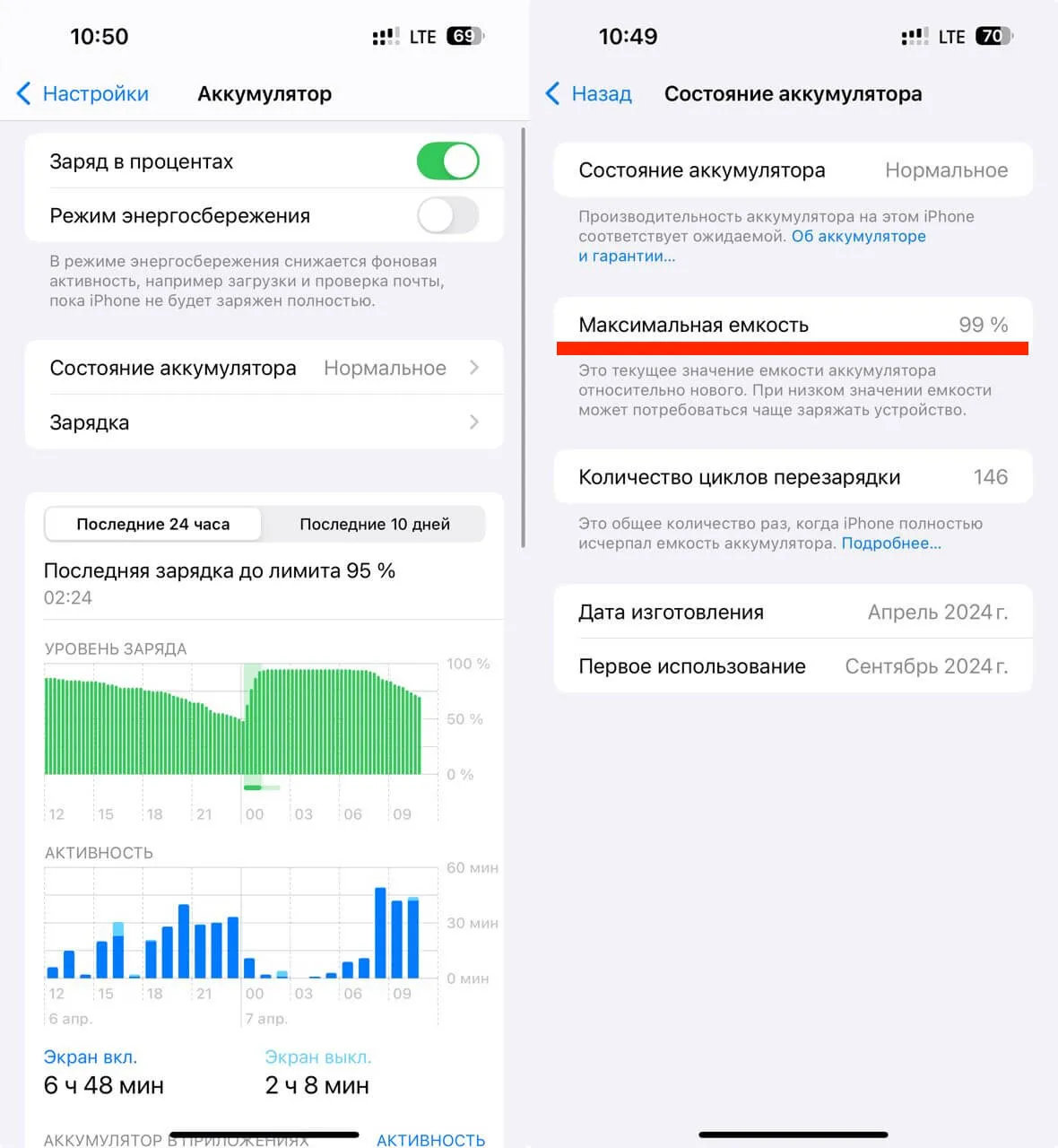
Battery capacity constantly decreases due to various factors, including heat
Apple has built-in protection for this. If the device overheats, iOS can slow down charging, reduce performance, or temporarily limit certain functions. Sometimes a high temperature warning appears. So the battery may wear out faster if the phone constantly heats up, but the cause would be overheating itself, not the mere fact of using a VPN.
Does a Case Affect iPhone Overheating
The news story separately mentioned cheap iPhone cases that allegedly lead to breakdowns. In practice, a case can indeed affect temperature, but not as dramatically as described. Dense silicone, rubber, or thick plastic retains heat inside the housing. During charging, this can increase heating, especially if data transfer or background tasks are running simultaneously.
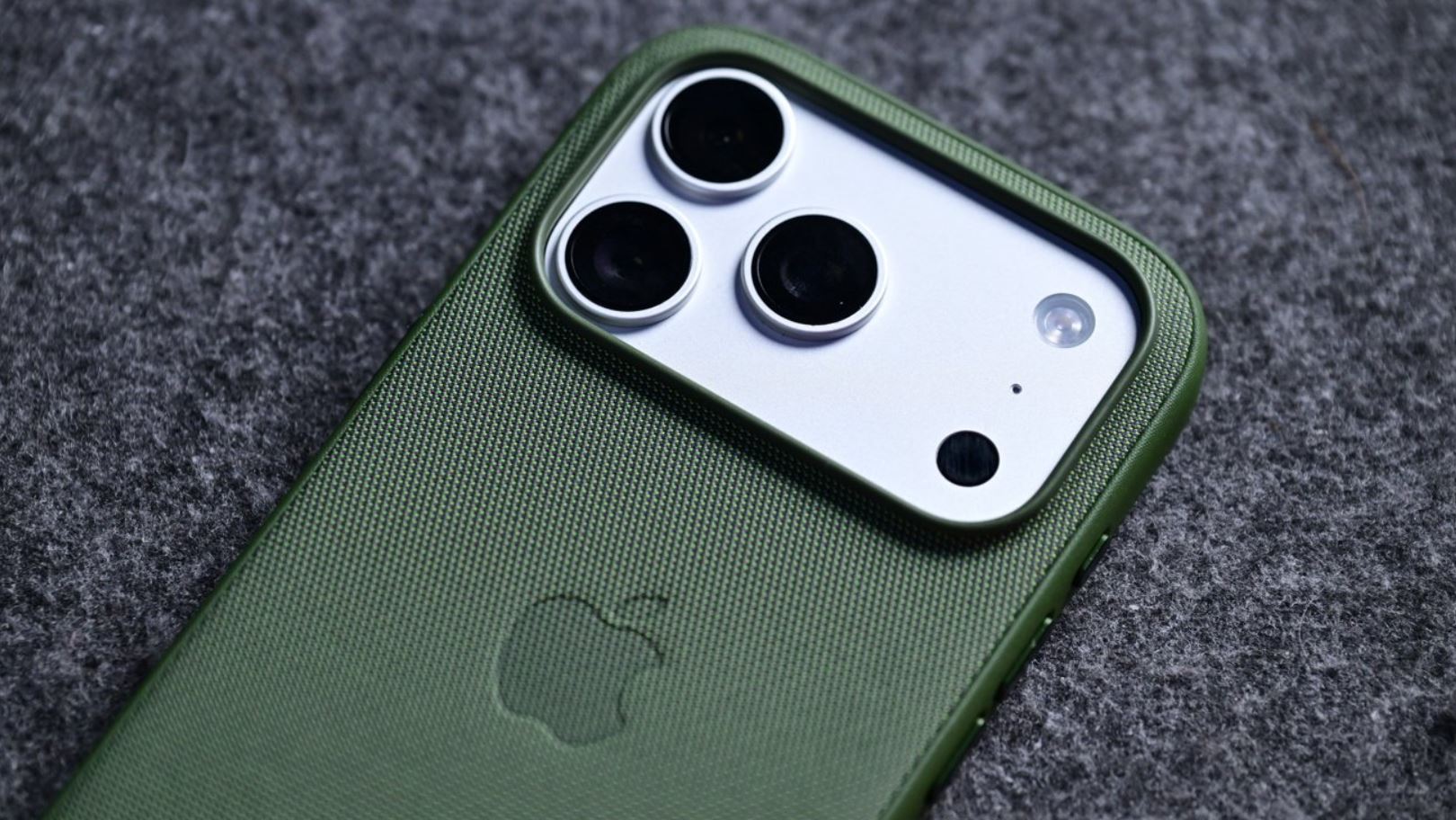
A case makes the iPhone heat up faster. Photo: appleinsider.com
However, a case alone cannot damage an iPhone. It can only worsen cooling when several factors coincide — charging, high load, and poor ventilation. If you find that your iPhone has overheated due to VPN, causing reduced screen brightness and performance, simply remove the case and wait for the temperature to drop.
Why VPN Drains iPhone Battery
The main problem is usually not VPN as a technology, but specific apps. Free VPN services are poorly optimized for iOS and are packed with ads. All those banners significantly load the system and eat up battery charge. What else makes these apps harmful?
- They can constantly run in the background, even when closed.
- Constantly refresh content unnecessarily.
- Request location data and send notifications.
- Send analytics or display ads.
Because of this, the phone drains faster, heats up more, and during charging can get noticeably hotter than usual. This is especially noticeable if VPN runs around the clock and isn’t turned off even at night. In this situation, the problem can indeed look as if VPN is killing the iPhone battery, although the real issue is a poorly made app.
Does VPN Work on iPhone Without an App
VPN works without an app too. Many services allow you to download a profile, after which the connection is managed by the system itself rather than a third-party program. Then you just choose how you prefer to launch it.
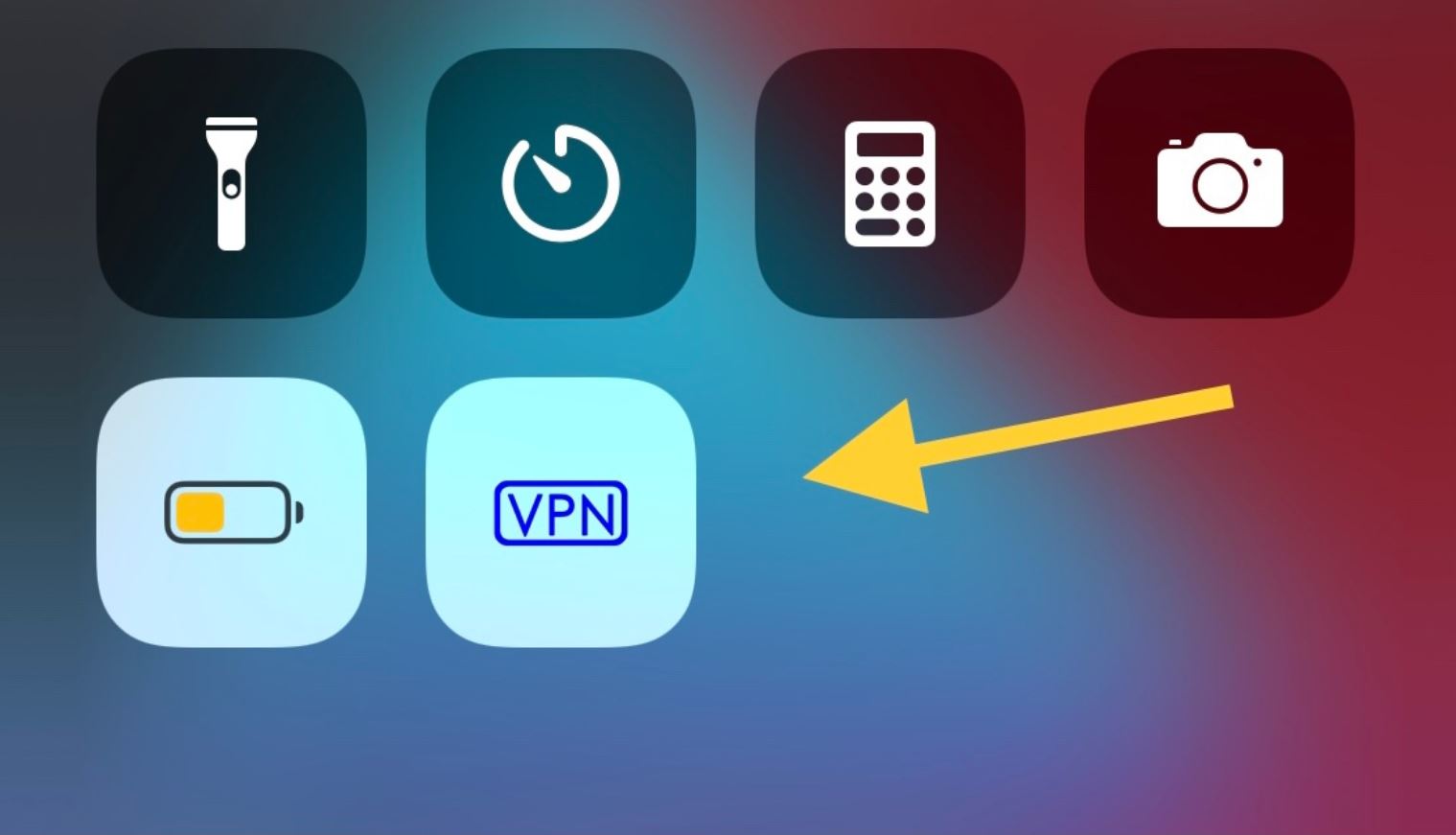
VPN works even without an app
In this case, the number of background processes decreases, processor load is reduced, and energy consumption goes down. The phone heats up less, especially during charging, because there’s no extra layer of a constantly running app. You simply delete the app, saving both storage and battery charge. Remember: this doesn’t always solve the problem completely, but it can often help.
In conclusion, VPN does not break iPhones and does not damage the battery by itself. Overheating occurs due to a combination of factors — charging, background tasks, and poorly optimized apps.